In brief
- In 2000, Stanford established the John W. Gardner Center to advance community-engaged research in youth development and mental health.
- The Gardner Center partners with local schools and researchers to develop and implement effective mental health support systems for students.
- Over 25 years, the Gardner Center's initiatives have transformed youth services, influencing educational practices and policies in the community.
When the U.S. Surgeon General issued an urgent advisory about youth mental health in 2021, the superintendent of the Redwood City School District knew all too well that the crisis was affecting his students.
Recognizing that a student’s mental health impacts their ability to learn – and how difficult it can be to access timely care – he had already been in touch with the district’s longtime research-practice partner at Stanford University, the John W. Gardner Center for Youth and Their Communities. In close collaboration with the School of Medicine, the three organizations worked to establish an integrated, sustainable system of mental health supports to serve the district’s 6,300 students.
Five years later, Gardner Center research shows that their hard work is making a difference. Students in crisis have immediate access to clinical care; families have a trusted and accessible partner to support their children; teachers can consult with in-house mental health experts; and students are learning and using new strategies designed to help them thrive emotionally, socially, and academically.
This didn’t happen overnight. In fact, it can be traced back 25 years to the 2000 founding of the Gardner Center, which pioneered the community-engaged research model at Stanford and has been a leader in advancing what has become known as "positive youth development" inside and outside academic circles.
Positive youth development
Positive youth development addresses the holistic needs of young people – including their physical, intellectual, emotional, and social development, alongside academics – so they can thrive and become successful, healthy, and civically engaged adults.
A new center takes shape
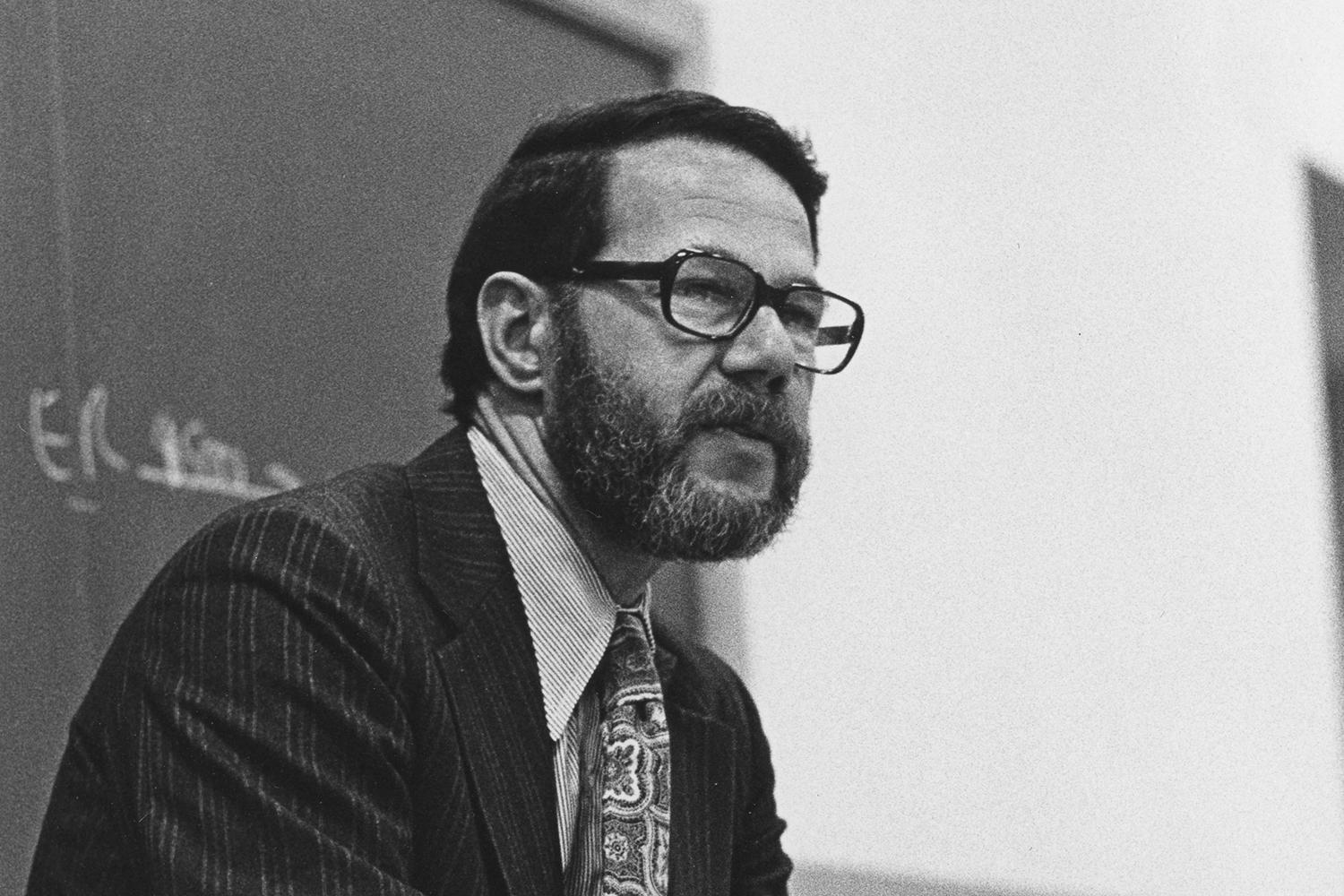
Developing leadership and civic responsibility among young people was a keen interest of John W. Gardner, a Stanford alumnus who returned to the university following a long and distinguished career in government and public service. His views intersected with those of Stanford faculty member Milbrey McLaughlin, whose research centered on how kids who grow up in challenging settings find positive pathways.
Both understood the strength of local action and believed in empowering young people and communities to find solutions. They also believed that the university could productively partner with the community in that effort. “Piercing the eucalyptus curtain” – Gardner’s catchphrase for integrating the campus and the community – became the objective, and the pair began to envision something truly community-facing at Stanford:
A center at the Graduate School of Education that would engage Stanford students, staff, and faculty in deep and sustained partnerships that not only generate knowledge – but also the conditions that help move that knowledge into action – into policies and practices that improve the lives of kids, families, and their communities.
A new research model emerges
As this approach evolved, it became clear that traditional social science research models didn’t fully accommodate the need to integrate community perspectives and priorities. What emerged as a solution – enthusiastically supported by Gardner was a theoretical framework and a blueprint for “community-engaged” research at Stanford, a true partnership with the university and the community as equal participants, engaging in collaborative inquiry and problem solving about how research can be used by practitioners and community partners as well as contribute to academic knowledge.
“Rather than testing theory or hypothesis, we would ask the questions communities were most interested in,” said McLaughlin in a speech to the American Education Research Association. “It was rigorous research, but with very different notions of validity and utility.”
Gardner lent his name to the vision and the John W. Gardner Center for Youth and Their Communities was established in 2000 within the Stanford Graduate School of Education, grounded in a mutual respect for the research expertise that Stanford brought to the table and the complementary expertise of community partners.
McLaughlin emphasizes the distinctive reciprocity of the Gardner Center research-practice partnerships, which have allowed the center and the university to genuinely learn and grow. “Most research-practice partnerships are driven by the university,” she observes, “but the mutualism embedded in this model has brought countless benefits to Stanford.” For example, the center’s partnerships have informed new course offerings; supported vibrant research assistantships and field practicums that shape the trajectories of undergraduate, master’s, and doctoral students; and shaped university-wide efforts to further Stanford’s commitment to using research and education to make a difference in society.
It was clear the university recognized the distinctive value of the Gardner Center early on, naming McLaughlin as one of the first-ever recipients of the prestigious Miriam Aaron Roland Volunteer Service Prize in 2004. It is considered the highest Stanford honor for faculty who integrate academic scholarship with public service.
Elevating the voices of young people
One of the inaugural projects of the Gardner Center was an afterschool program, called Youth Engaged in Leadership and Learning, that actively engaged youth in the research process. The idea was simple: While traditional methods to advance research about youth tend to center adult researchers as the “experts” and young people as the subjects, the Gardner Center turned the model on its head – tapping young people to serve as researchers about the issues most important to them and their peers.
Most research-practice partnerships are driven by the university, but the mutualism embedded in this model has brought countless benefits to Stanford.Milbrey McLaughlinStanford faculty member
The growing Gardner Center team worked with local schools and nonprofits to deploy YELL and, in the process, began to forge the lasting relationships that became the bedrock of its research-practice partnerships with districts, municipalities, agencies, and nonprofits. The program’s underlying philosophy is still making an impact today through the center’s Youth Action Research Fellowships.
Defining the ‘youth sector’
Despite a common focus on young people, the youth-serving organizations the center worked with were often disconnected and uninformed about each other’s programs and policies, resulting in gaps in support. The center's early work surfaced the need to create a comprehensive picture of how the community as a whole, rather than any one agency or program, was meeting the developmental needs of young people on their pathways to productive adulthood. McLaughlin recalled that “John and I talked about the way services that come to youth are balkanized and what you really want is a ‘youth sector’ perspective that reveals how youth themselves access the combination of services they need.”
The Gardner Center found a novel way to address this issue: a secure data archive. Acting as a neutral third party, the center created a repository for individual-level data contributed by partners for the benefit of the community as a whole. Beginning in Redwood City in 2005, McLaughlin and her early team were able to build the necessary trust across organizations to bring this youth data archive to life.
Today, this repository holds over 20 years of shared youth sector data from local as well as statewide sources on a variety of topics that affect kids in all aspects of their experience, enabling Gardner Center researchers and the Graduate School of Education to access volumes of secure data that paint a picture of how systems are functioning as a whole to serve young people.
An ally for community schools
The Gardner Center was also a natural ally for the nascent community schools movement, which sought to provide supports that extend beyond the traditional classroom to meet the needs of students and families within their neighborhoods. When the Oakland Unified School District (OUSD) began its ambitious transition to become the nation's first community school district, it engaged the Gardner Center to study and document the implementation so other schools could learn from its experience.
Some of OUSD’s practical solutions included hiring full-time mental health counselors, connecting families to the county food bank and the state’s food stamps program, and bringing healthy breakfasts into the classroom. Improved test scores and decreases in absenteeism and suspensions were just two concrete measures that demonstrated how those changes made a difference.
Likewise, the center was there in the early days as the Redwood City School District (RCSD) began to build its community school infrastructure, and continues that work with the district today.
“The Gardner Center’s partnership in our community schools work is just one example of our long-time collaboration,” says RCSD Superintendent John Baker. “They’ve been with us every step of the way as we seek to understand the challenges faced by our students and families; design and implement practical solutions; and then study them to ensure our students have the support services they need.”
Building on a legacy
True to its founding principles of university-community partnership, the Gardner Center continues to respond to the forces shaping our communities, including racial and economic inequality, juvenile justice, homelessness, and community mental health.
“Our goal and role has been to listen and identify common issues and needs in the community, and then use our expertise as researchers to contribute to solutions,” explains Gardner Center Executive Director Amy Gerstein. Examples of current work include expanding the California Department of Education’s understanding of how students are faring in alternative school settings; studying the relationship between housing instability and education achievement; and collaborating with school districts and health care systems to strengthen mental health supports for youth.
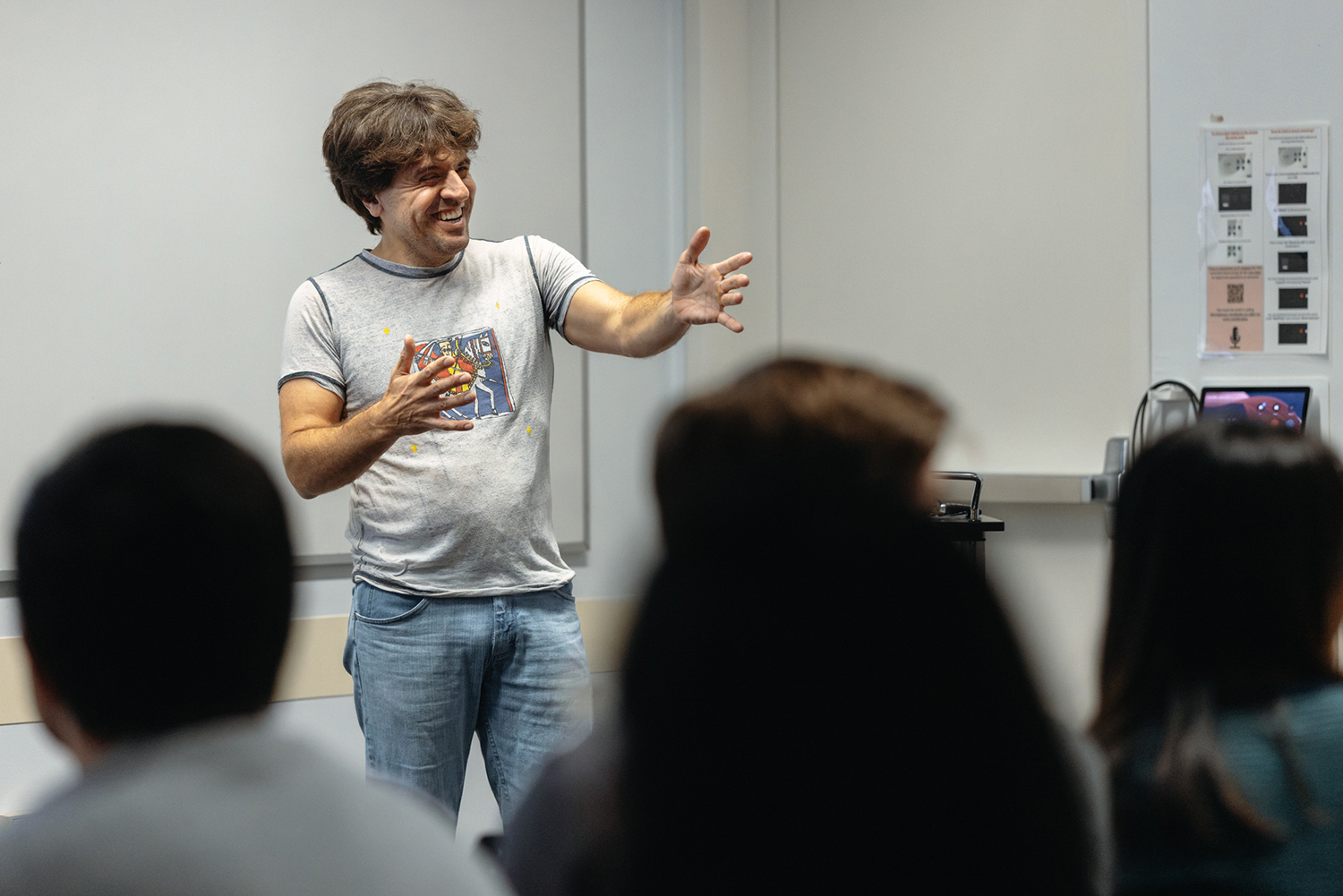
Meanwhile, engagement with students and faculty at the Graduate School of Education continues to extend the university's teaching mission. “The Gardner Center is dedicated to engaging students in this work,” says faculty director Tom Dee, successor to Milbrey McLaughlin. “Community-engaged partnerships help train a new generation of scholars who are not just well-versed in rigorous scientific methods, but who also have a deeper, more embedded knowledge of the domains we’re trying to understand. It’s absolutely critical.”
Collaborations within the university have evolved to include partnerships with Stanford Medicine, the Stanford Law School, and, most recently, the Stanford Office of Community Engagement (OCE). Director Megan Swezey-Fogarty calls the Gardner Center’s focus on mutualistic partnerships, honed over the decades, a guiding force as OCE works to deepen relationships with the communities Stanford touches.
“Quite simply,” she says, “the Gardner Center has defined what excellence in engaged scholarship can and should be.”
For more information
This story was originally published by the Gardner Center.