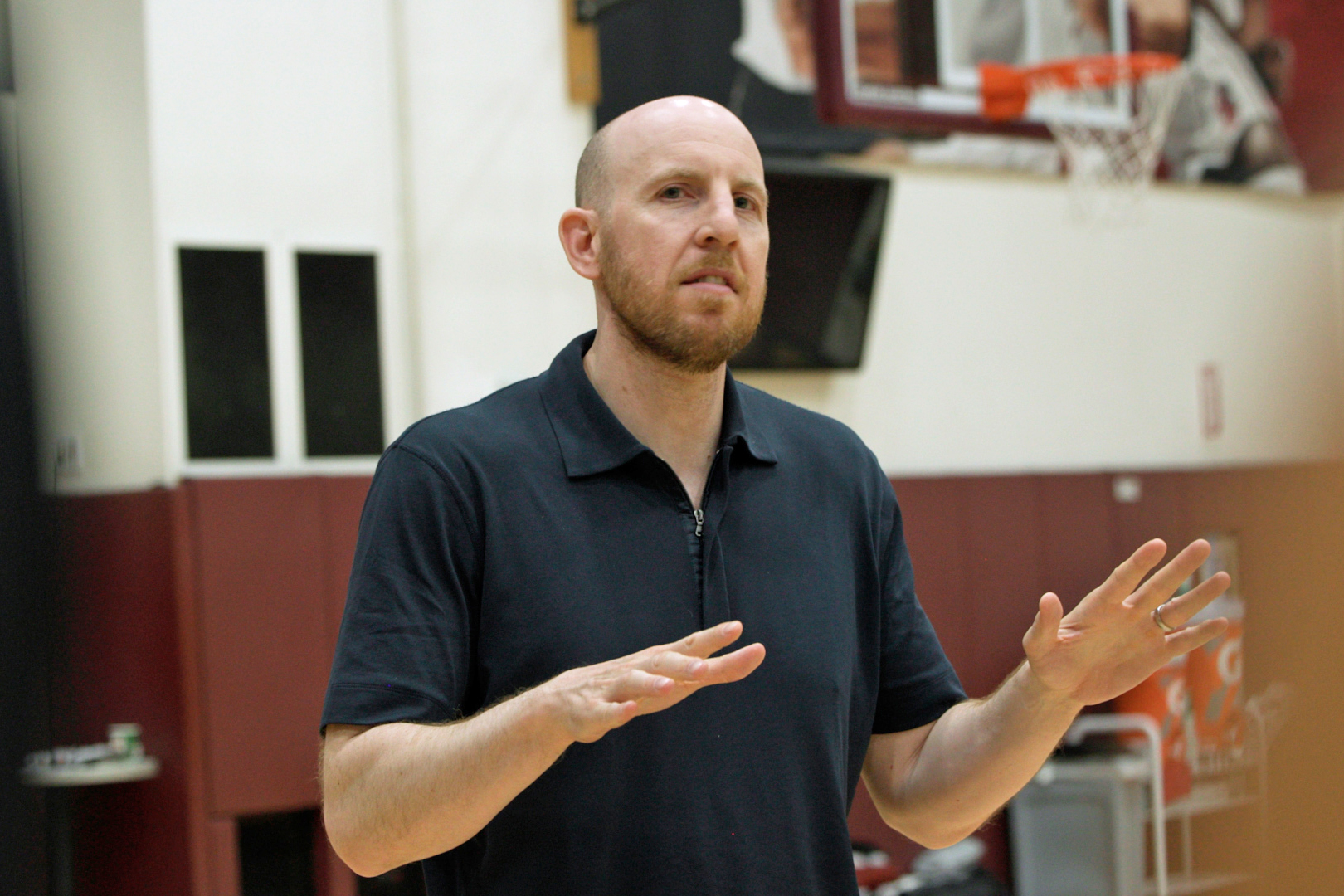
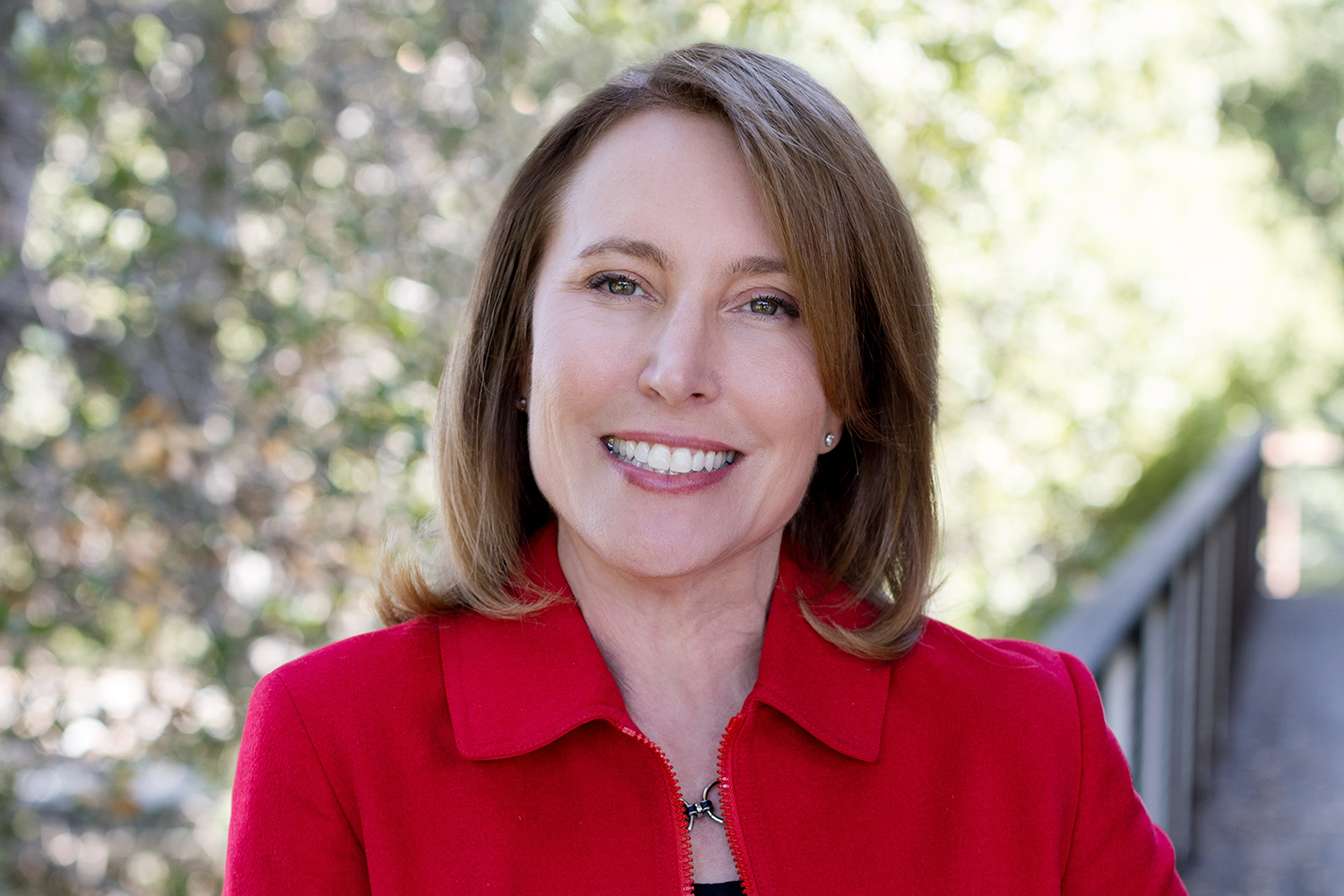
Michele Elam and Lianne Kurina have been appointed senior associate vice provosts in the Office of the Vice Provost for Undergraduate Education. Their three-year terms began on Sept. 1.
Elam, the William Robertson Coe Professor, professor of English, and director of undergraduate curriculum in the School of Humanities and Sciences, is also a senior fellow at the Stanford Institute for Human-Centered Artificial Intelligence (HAI). Her VPUE role will focus on AI and education, including co-leading the new AIMES initiative in partnership with the Center for Teaching and Learning. Kurina, a professor of medicine and, by courtesy, of epidemiology and population health, will lead initiatives that aim to enhance Stanford’s teaching and learning environment and rejuvenate norms and expectations around classroom engagement.
“Michele Elam and Lianne Kurina both bring stellar records in undergraduate teaching, deep experience in campus leadership, and a strong commitment to crafting new ways to connect Stanford students with transformative experiences,” said James T. Hamilton, the Freeman-Thornton Vice Provost for Undergraduate Education. “I’m delighted to welcome them to our VPUE community.”
Elam previously served as the faculty associate director of HAI and director of African American Studies and the interdisciplinary graduate program Modern Thought & Literature. The recipient of numerous teaching and mentoring awards, Elam’s most recent book, Race Making in the Age of AI, considers how the humanities and arts are key to understanding the impacts of socially transformative technologies.
“As artificial intelligence increasingly impacts every aspect of our lives, many wrestle with how artificial intelligence can – or even should – be integrated into higher education. I’m grateful to join VPUE in evaluating AI’s role at Stanford and, importantly, to consider it in the context of the university’s broader mission of open inquiry, exploration, knowledge creation, and engaged citizenship,” said Elam.
Kurina is a chronic disease epidemiologist whose research has focused on how social and psychological experiences impact human health. She served as the Bing Director of the Program in Human Biology from 2019 to 2025. Her courses in epidemiology and statistics are aimed at helping students understand the foundation of evidence building in biomedical science. Her teaching efforts have been recognized with a number of awards from within and outside of Stanford.
“Stanford faculty share a dedication to helping our students develop the critically important skills of analysis, communication, and knowledge creation. I look forward to supporting a renewed energy around classroom instruction – one that reflects the joint commitment of teachers and students alike to building and sustaining communities of learners,” said Kurina.
Elam and Kurina succeed Lynn Hildemann, the Wayne Loel Professor in Sustainability and senior associate dean for education in the Stanford Doerr School of Sustainability and professor of civil and environmental engineering in the School of Engineering, and Elaine Treharne, the Roberta Bowman Denning Professor, professor of English, and professor, by courtesy, of German studies and of comparative literature in the School of Humanities and Sciences.
Writer
Eric Van Danen