


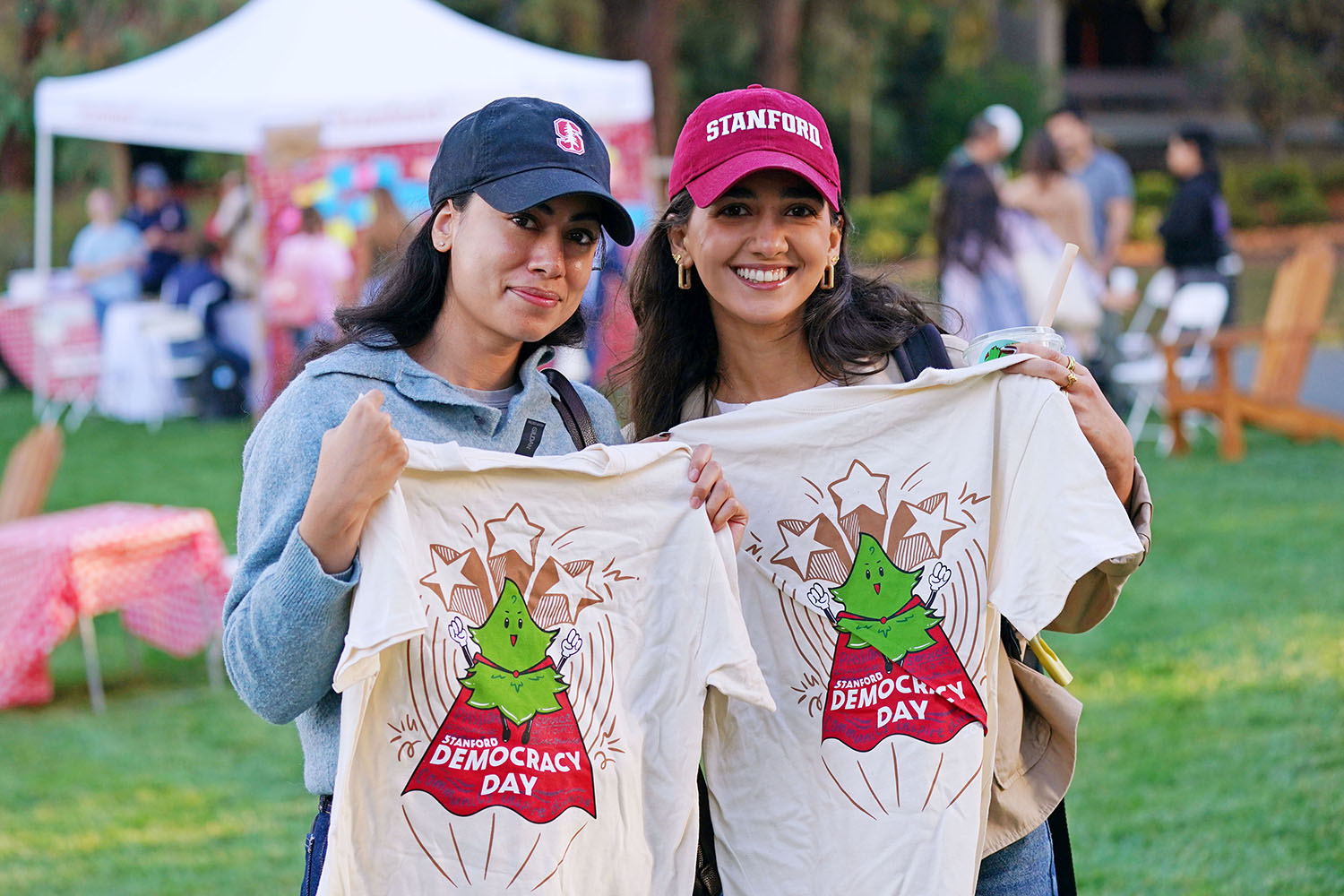
What to know about Democracy Day
News
During Stanford’s annual day of civic celebration, students can build an election prediction model, explore careers in public service, play judge in a constitutional law case, and more.
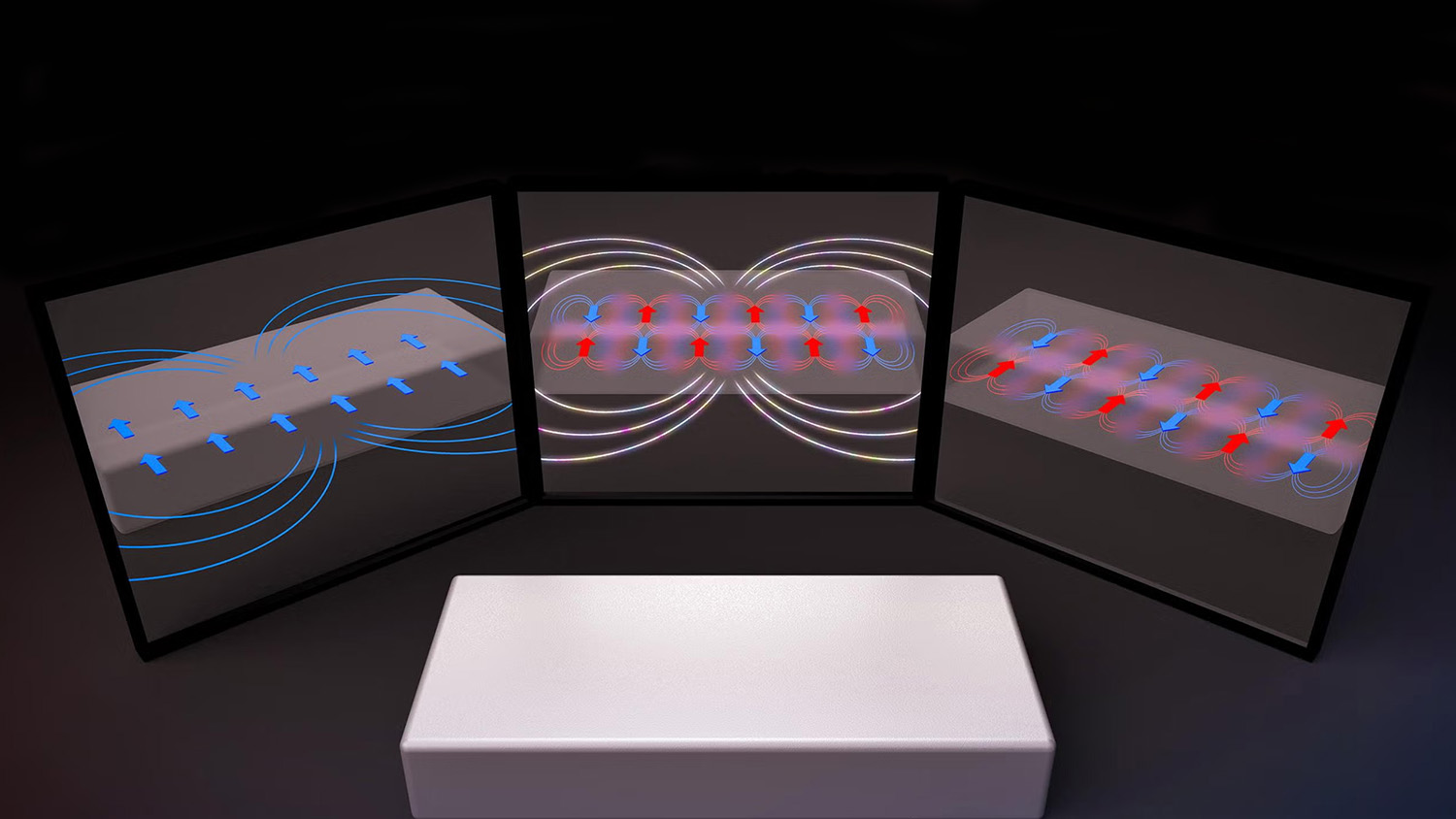
Researchers find proof of a new magnetic phase
Research
A SLAC-led team has delivered key evidence of altermagnetism, a new phase of magnetism first postulated in 2022, with potential implications for the development of next-gen electronics.

Exhibition showcases an innovative precursor to 3D printing
News
Solid Pictures, a new exhibition at the Cantor Arts Center, spotlights a 19th-century technology that turned photographic negatives into three-dimensional portraits.
How mental health and cancer survivorship intersect
Q&A
Researchers discuss a new study linking mental health disorders to poorer cancer survival – and why support should extend beyond initial treatment.
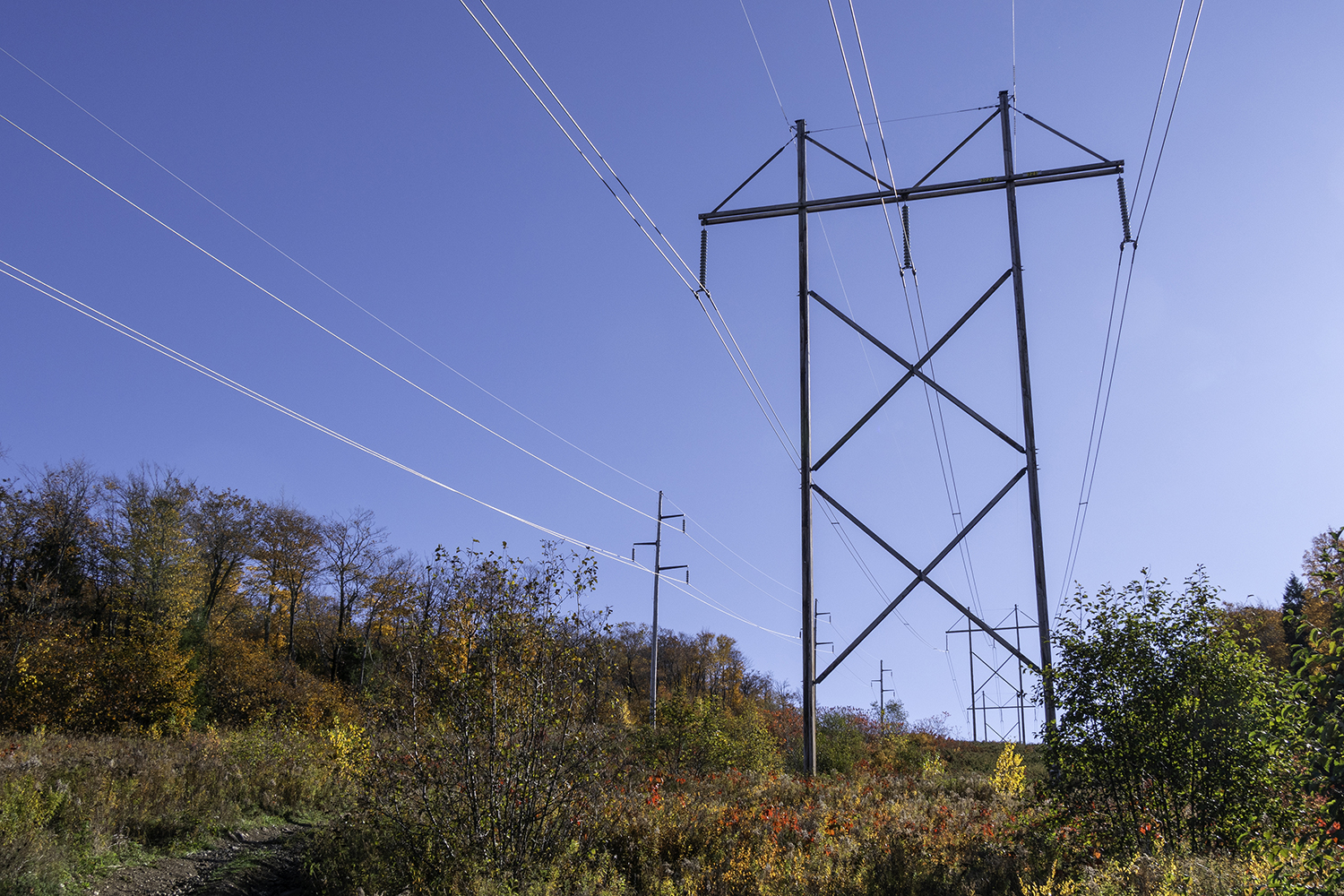
How a bigger grid could lower power costs
Research
Expanding transmission and wind power offers billions in potential annual power-system savings across a range of federal policy scenarios, a Stanford-led study finds.
Projects explore the role of joy in learning
Research
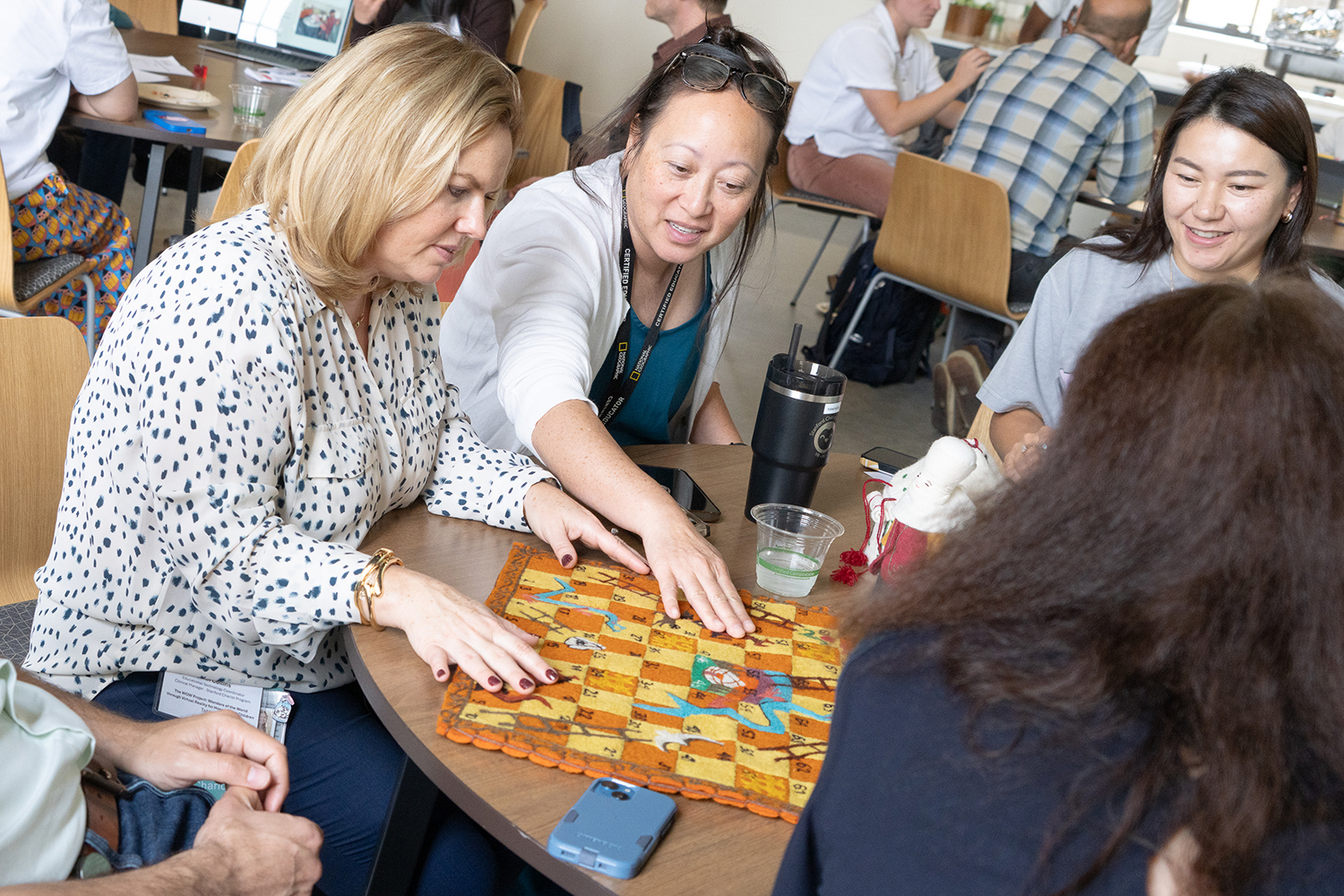
Across 21 projects funded by a Stanford Accelerator for Learning seed grant, researchers set out to understand how joyful learning experiences help students, educators, and communities thrive.
Advanced gene editing tool suggests new ways to treat disease
Research
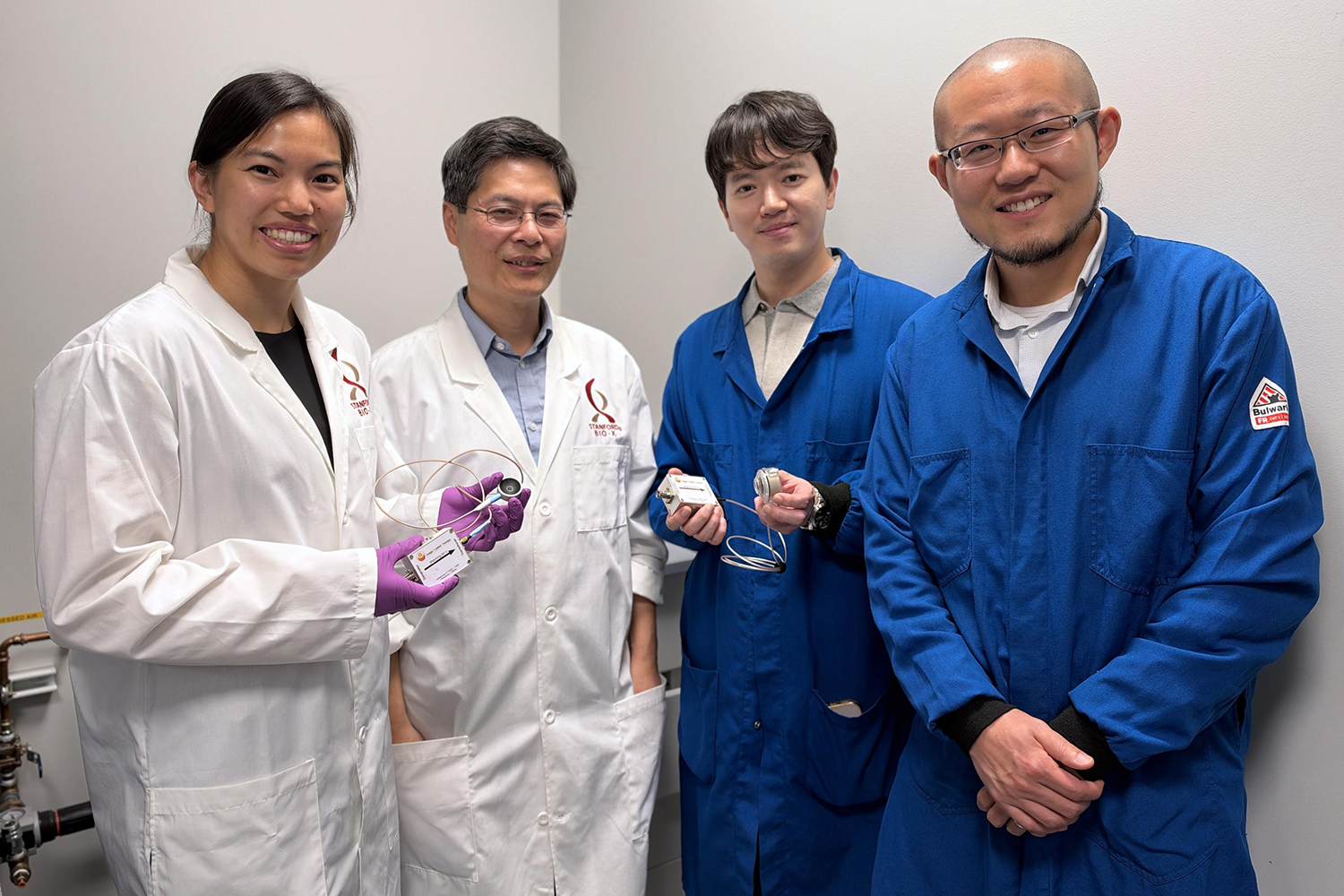
A new tool gives researchers spatially precise – and completely noninvasive – control over gene editing, with the potential to support more targeted treatments for neurological disease.
Stanford instructors tap AI for deeper learning
Feature
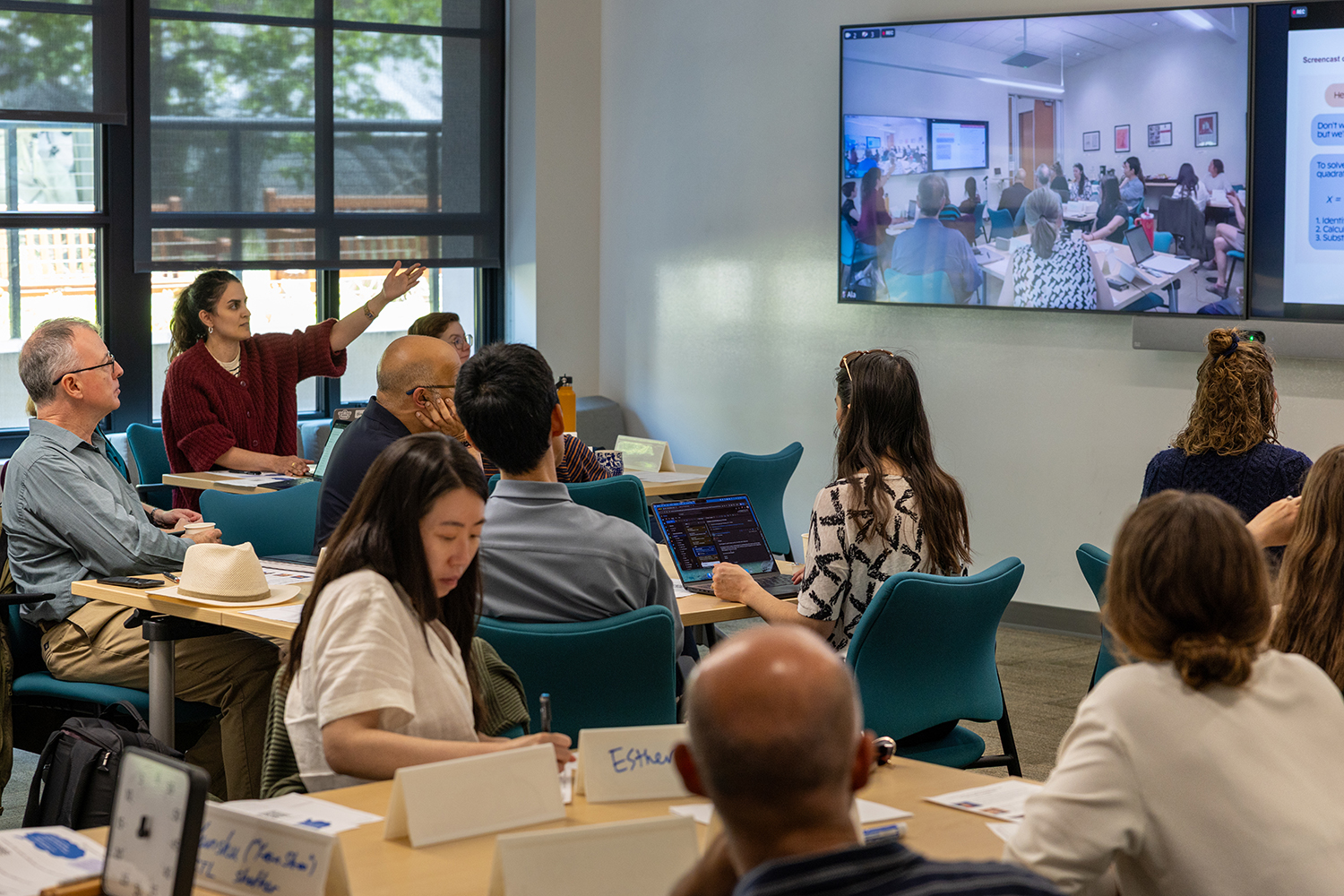
In community share-outs, instructors discussed AI tools designed to support problem-solving and help students learn more independently.
Rubin spots dwarf planet candidate beyond Pluto
Research
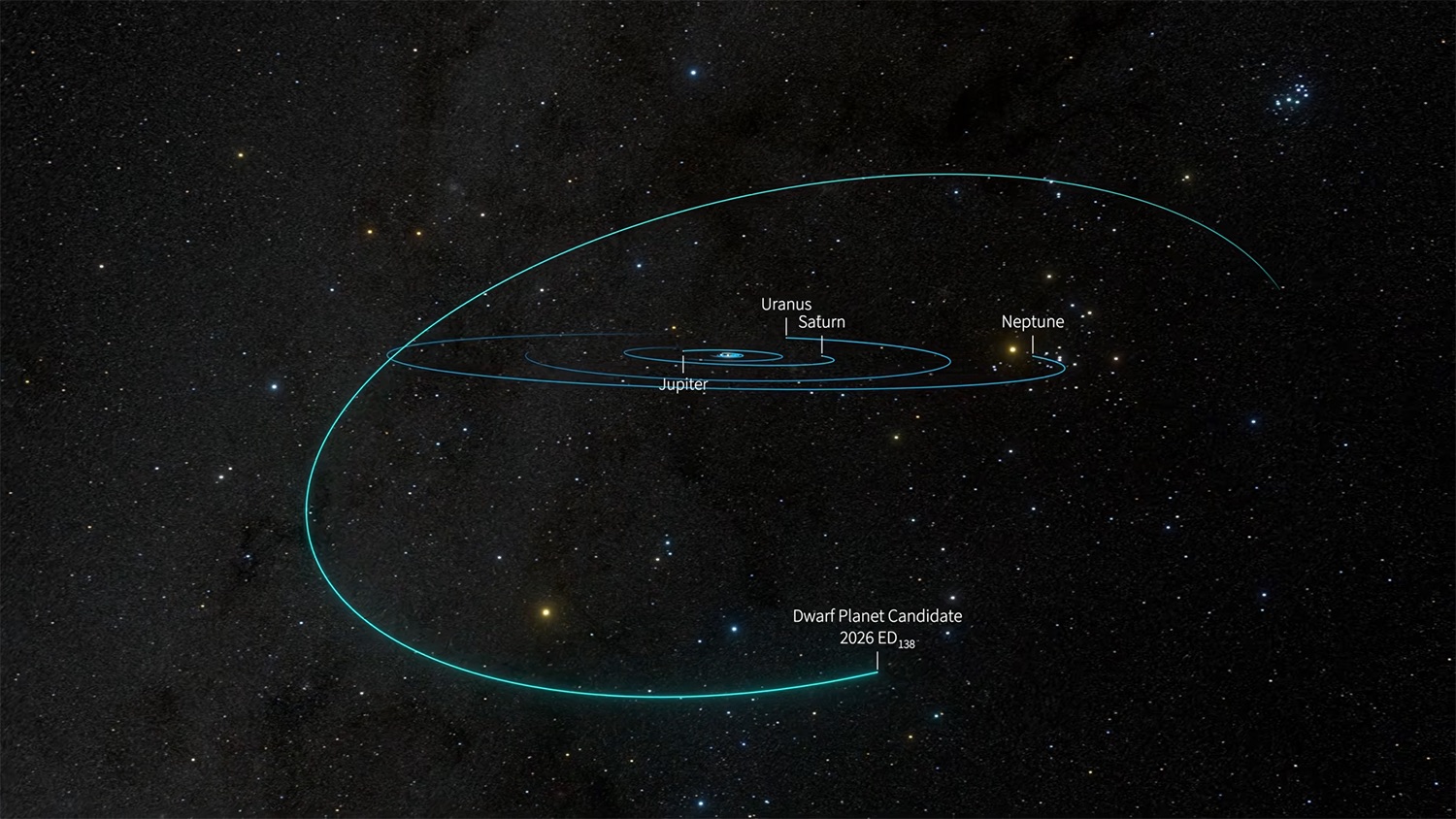
The distant object, discovered in Rubin Observatory images, offers scientists a new way to investigate the solar system’s outer reaches.
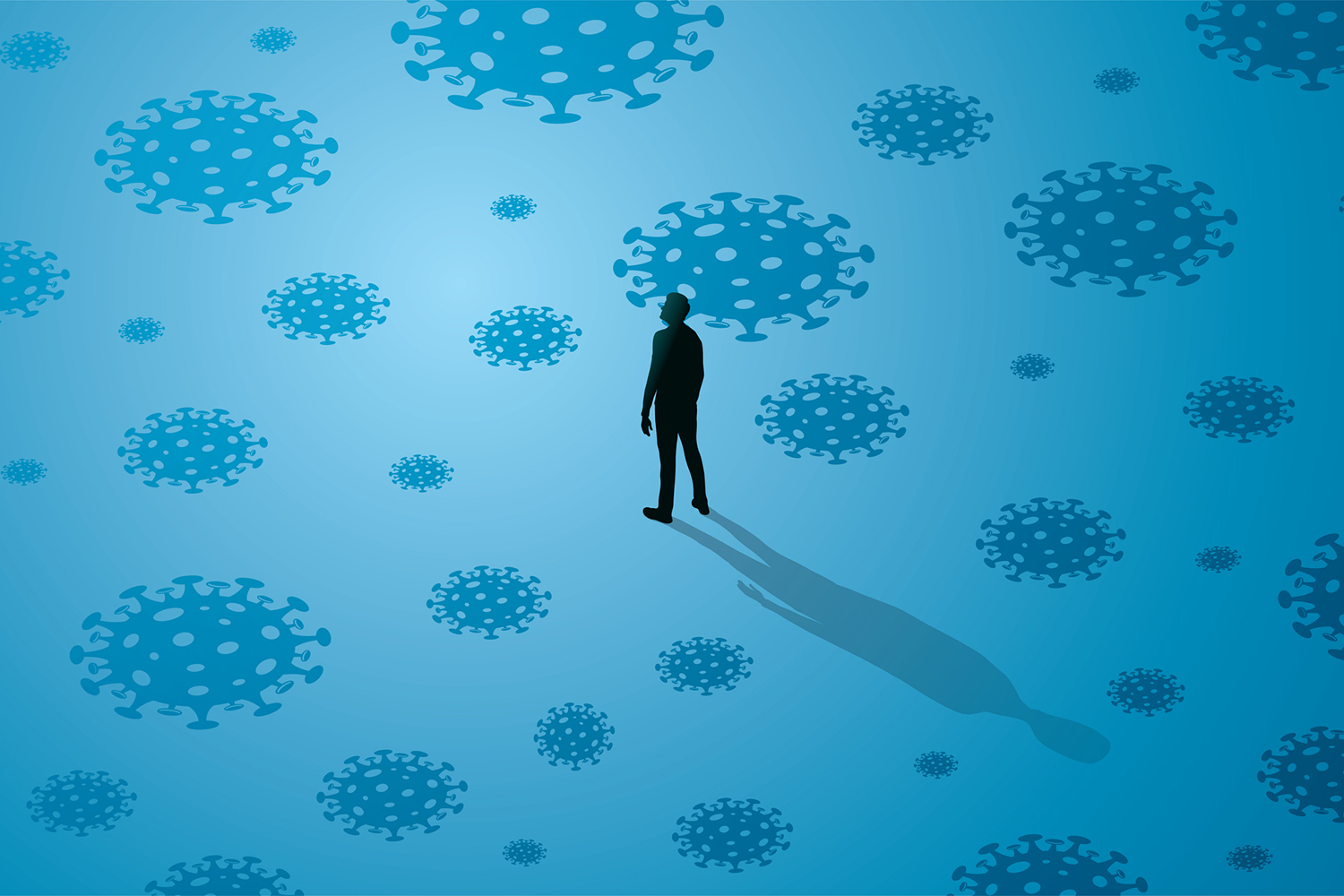
Study refines our understanding of long COVID
News
An analysis of 14.4 billion medical insurance claims has uncovered limitations in earlier studies, offering a more reliable way to measure the long-term health effects of COVID-19.
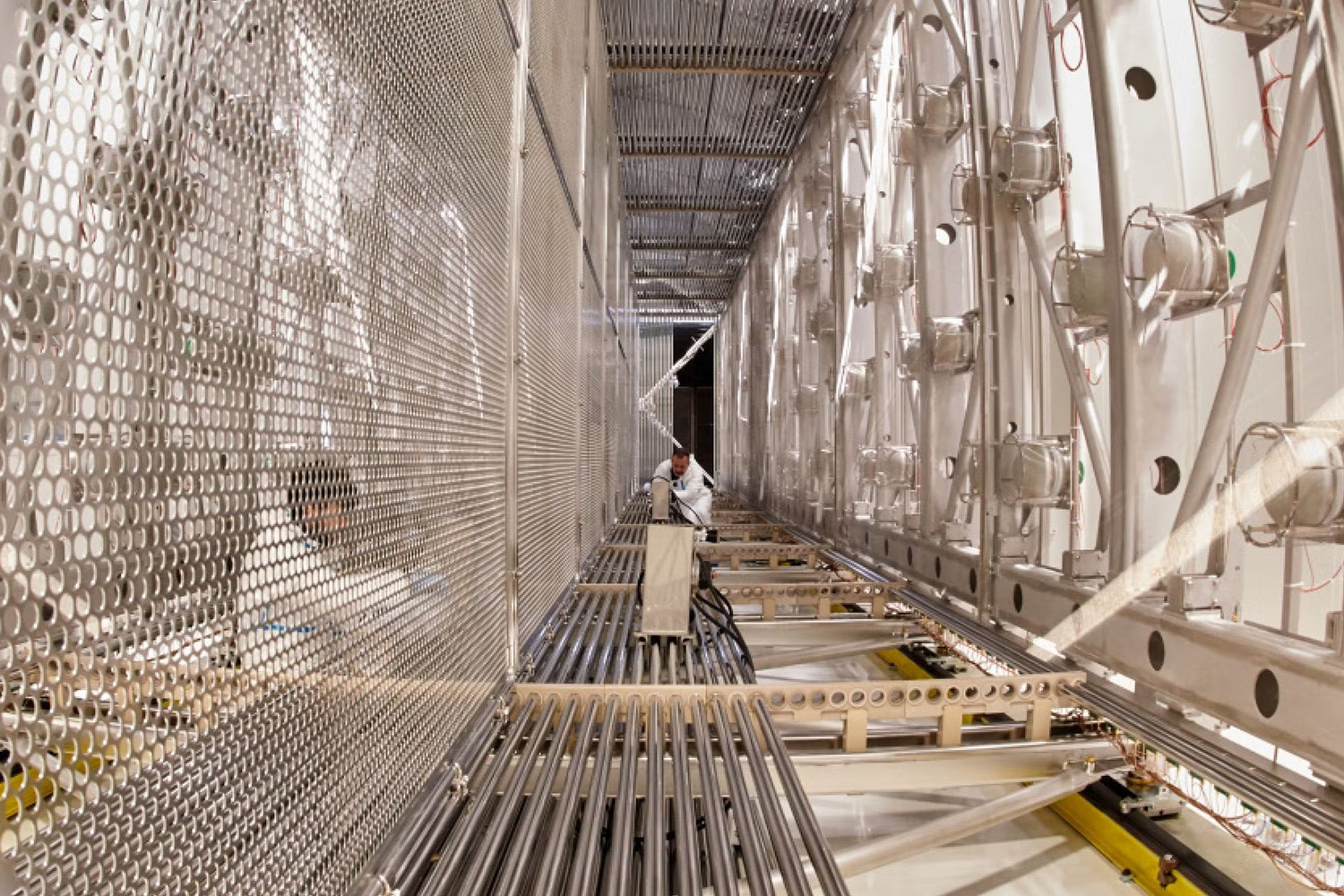
AI tool decodes ‘ghost particle’ interactions
Research
The machine-learning program SPINE has become a backbone of neutrino experiments worldwide, decoding complex detector images to help scientists unlock the secrets of these elusive particles.
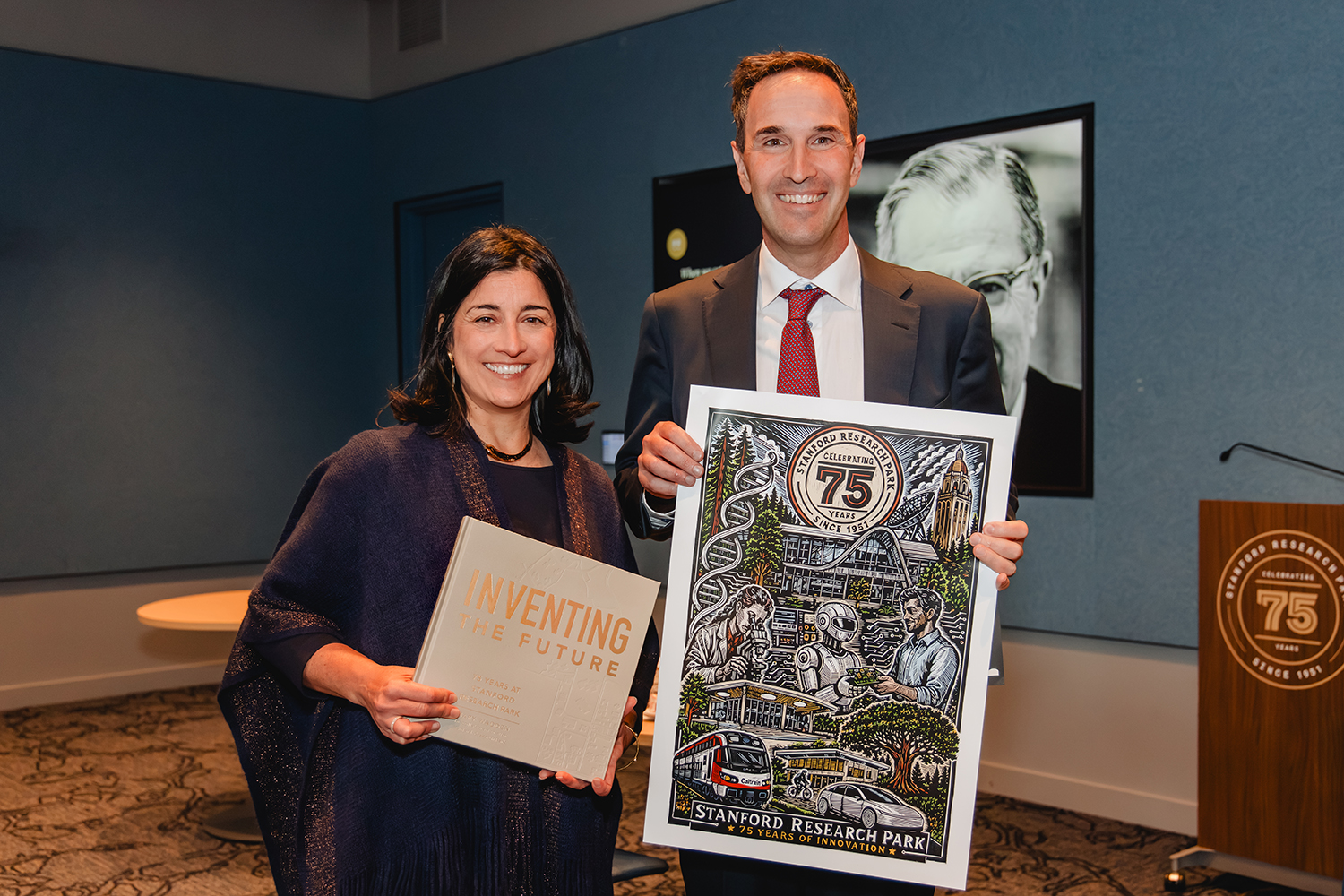
Stanford Research Park marks 75 years
Feature
Collaboration among the university, industry, and the local community has made the park a top destination for cutting-edge businesses shaping the world.