



What makes an immune cell pop
Research
A Stanford study reveals how changes in DNA packaging can help immune cells burst, shedding light on a defense process implicated in autoimmune diseases.
How light became a tool for studying the brain
Research
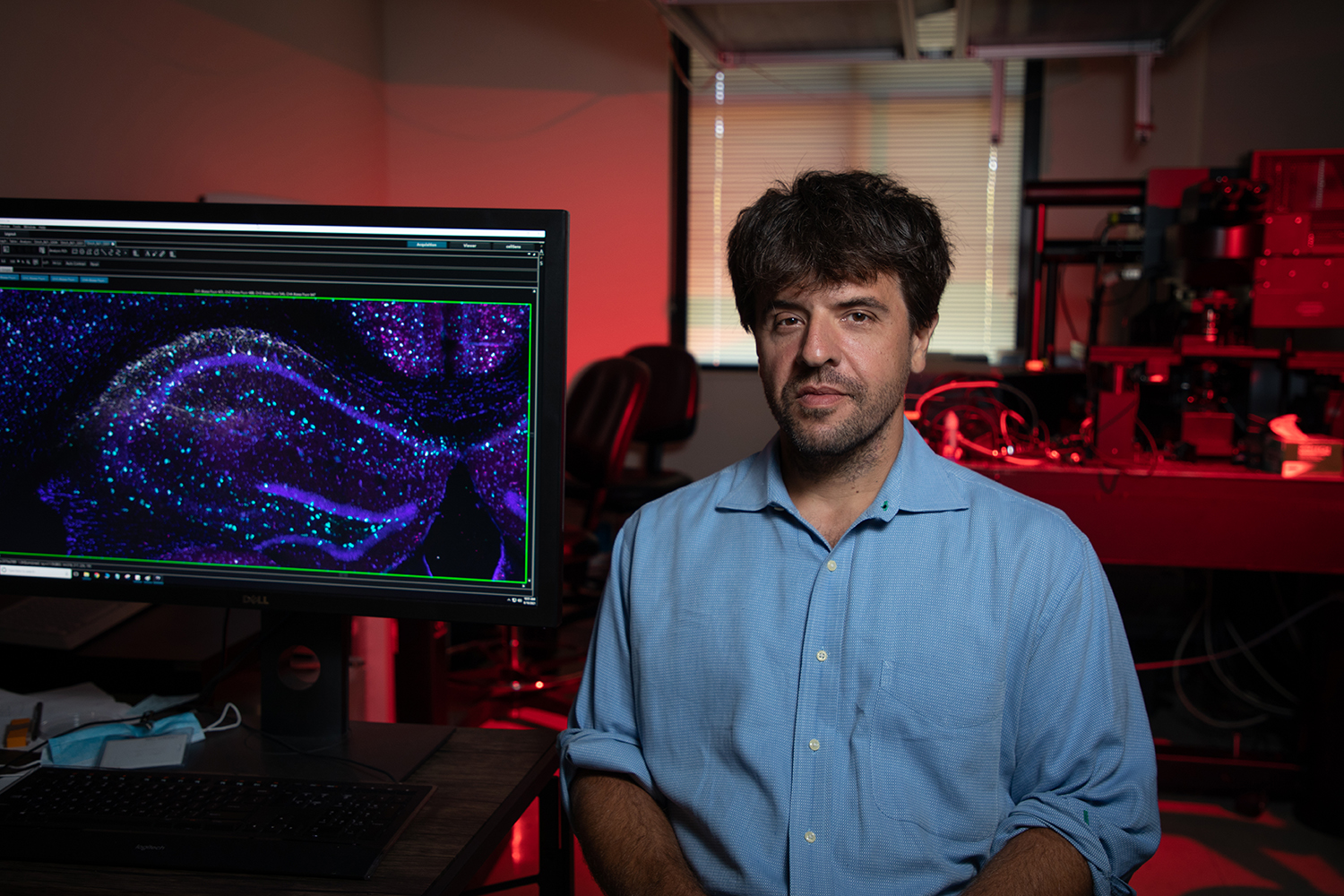
Karl Deisseroth helped pioneer optogenetics, now used in thousands of labs worldwide to study how nerve-cell activity shapes behavior.

New urine test could improve bladder cancer diagnosis
Research
An RNA-based urine test shows promise for detecting bladder cancer, predicting treatment response, and identifying cancer remaining after treatment.

Stanford seminar becomes book on what works in global health
Research
Steve Luby draws on years of classroom debate to examine why some global health projects succeed and others fail, often in ways he didn’t expect.

New research shows promise for a lymphedema drug
Research
In a clinical trial led by Stanford Medicine, patients with lower limb lymphedema saw many of their symptoms improve after a year of taking the experimental medication.

The clean energy bottleneck isn’t technology – it’s market design
Research
Working at the intersection of economics and operations, Ömer Karaduman studies how to design more efficient and reliable electricity systems.

What California’s new rule means for microplastics policy
Research
Stanford experts in medicine and policy explain what can be learned from the state’s decade-long regulatory experiment to stem the tide of microplastics pollution.

As saltwater threatens forests, researchers help landowners adapt
Research
An online tool will guide coastal landowners through conservation programs and alternative income options as saltwater seeps into their soil.

Why changing California’s school menus may be difficult
Research
California schools are preparing to phase out certain ultra-processed foods by 2035. A Stanford Medicine study flags potential implementation challenges, from tight budgets to staffing shortages.
New book examines how Americans enforce the law
Research
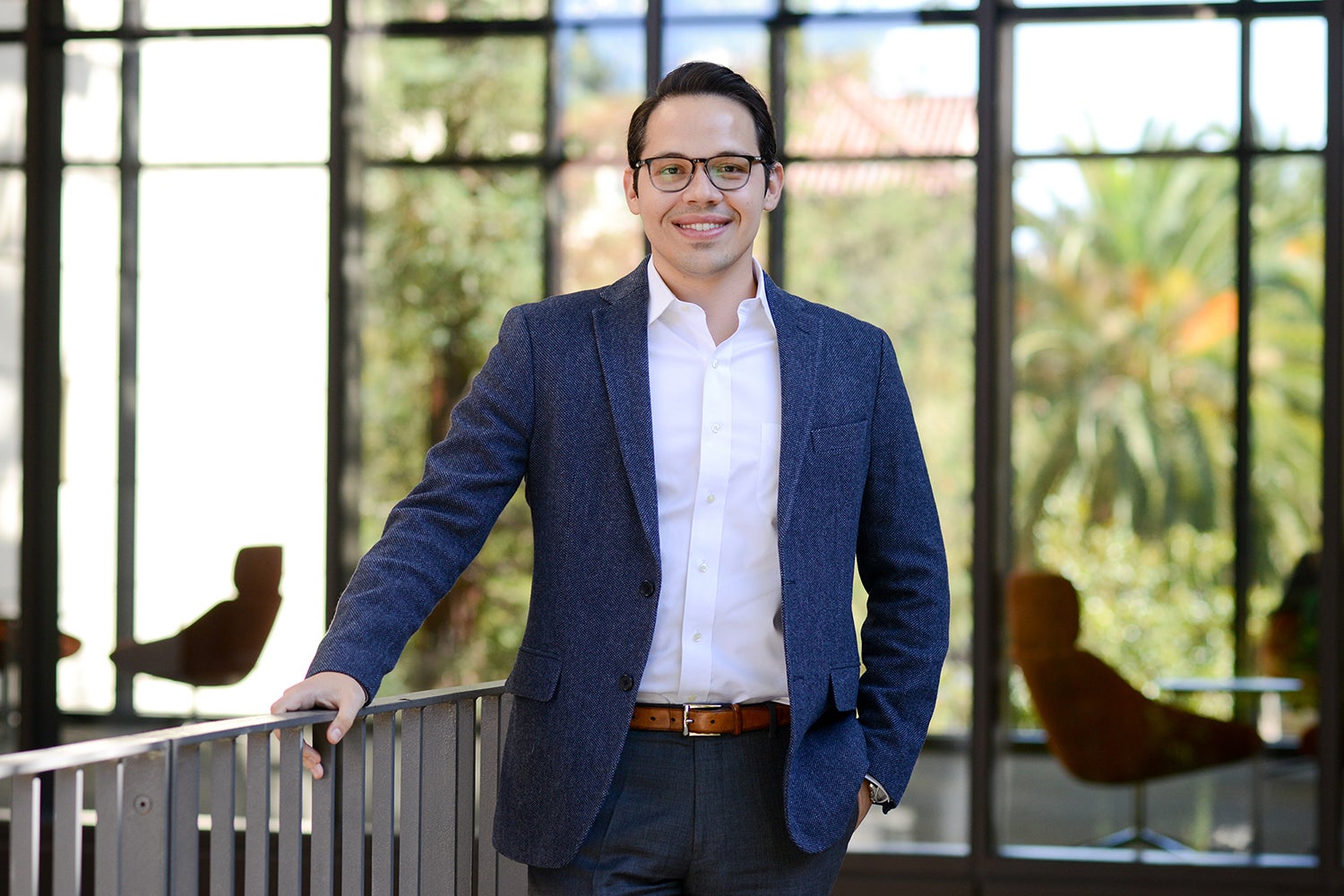
Law Professor Diego Zambrano explores why the U.S. relies on individuals and organizations to bring lawsuits over legal violations – and the strengths and shortcomings of that approach.