


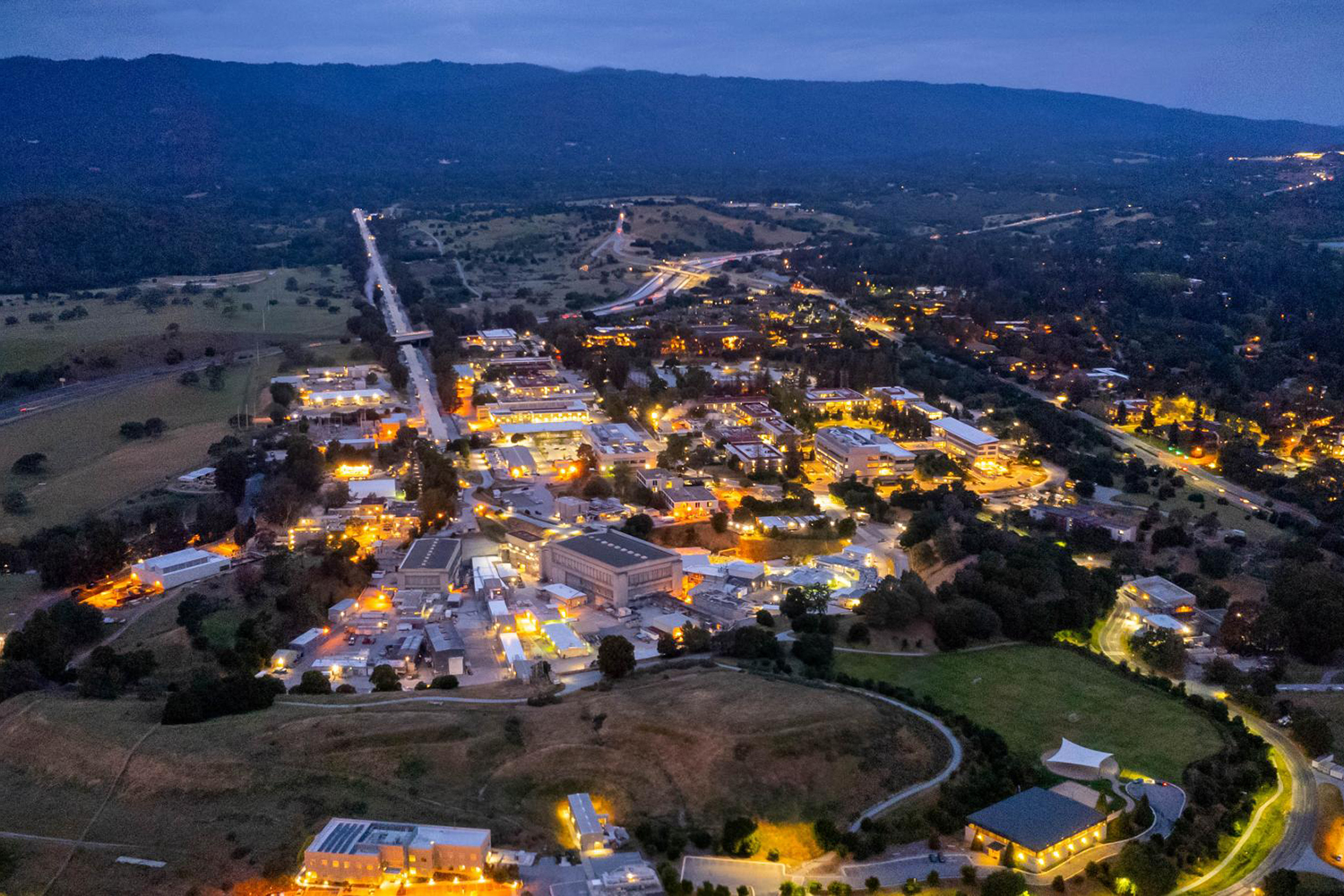
SLAC sets record for high-energy X-ray pulses
Research
Ultrashort X-ray pulses are helping scientists study electrons deep inside atoms and the hot, dense matter found in stars.
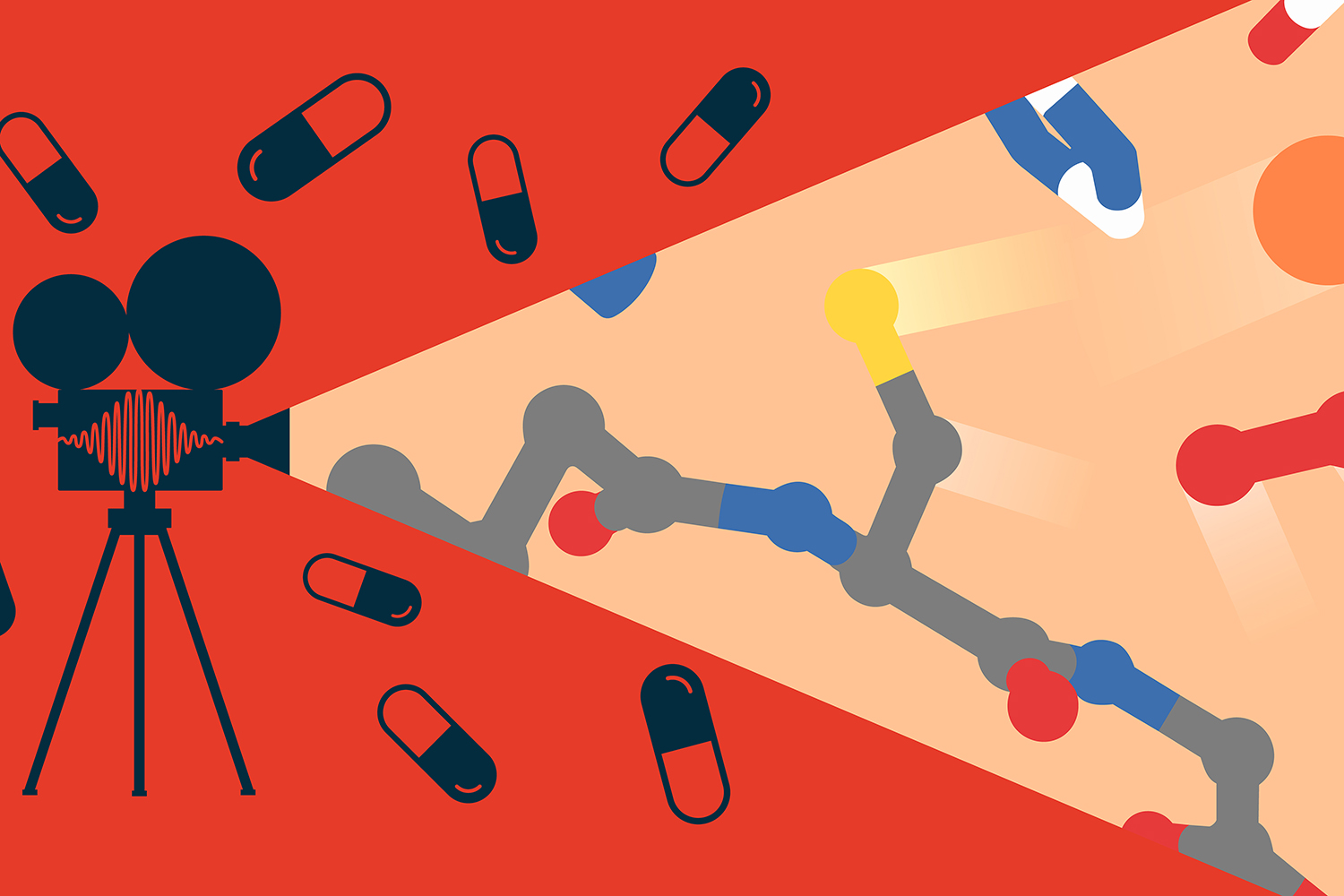
Powerful X-rays reveal enzymes in action
Research
Using SLAC’s Linac Coherent Light Source, researchers created “molecular movies” of an enzyme linked to cancer and another essential to penicillin production.
Researchers cut computing heat waste by 60 percent
Research
Using liquid crystals as a model, a SLAC-Stanford team developed a precise method to measure energy dissipation in electrical models. The technique could inform the design of more energy-efficient computers.

Ultrafast electrons reveal unexpected optical signal
Research
Researchers used high-energy electrons and lasers to detect a surprisingly strong optical signal from ionized semiconductors. The findings could improve medical imaging and sensing technologies.
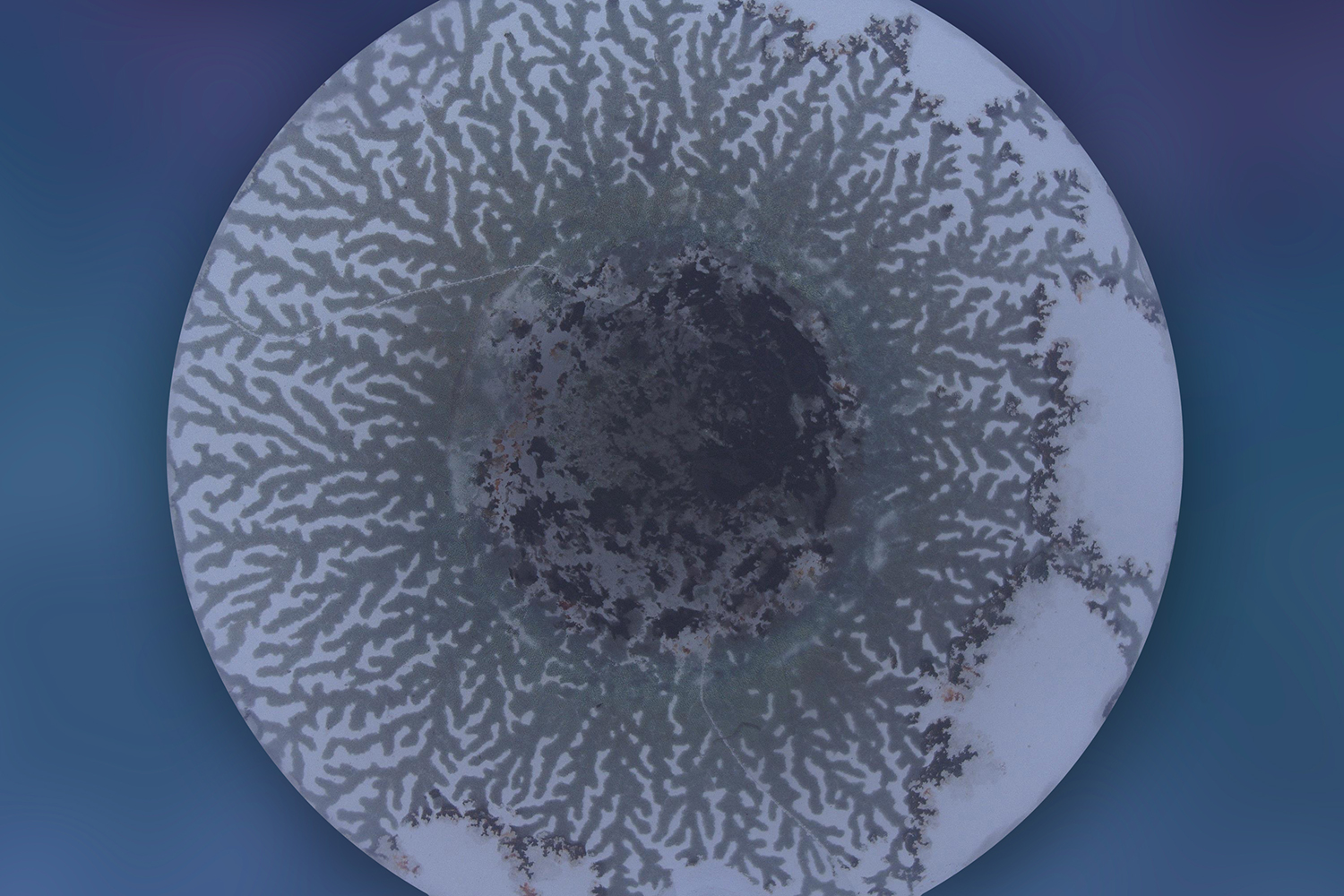
Squeezing solid-state batteries prevents short-circuits
Research
SLAC and Stanford research shows that mechanical compression stops lithium buildup in solid-state batteries, making them faster to charge and longer-lasting.
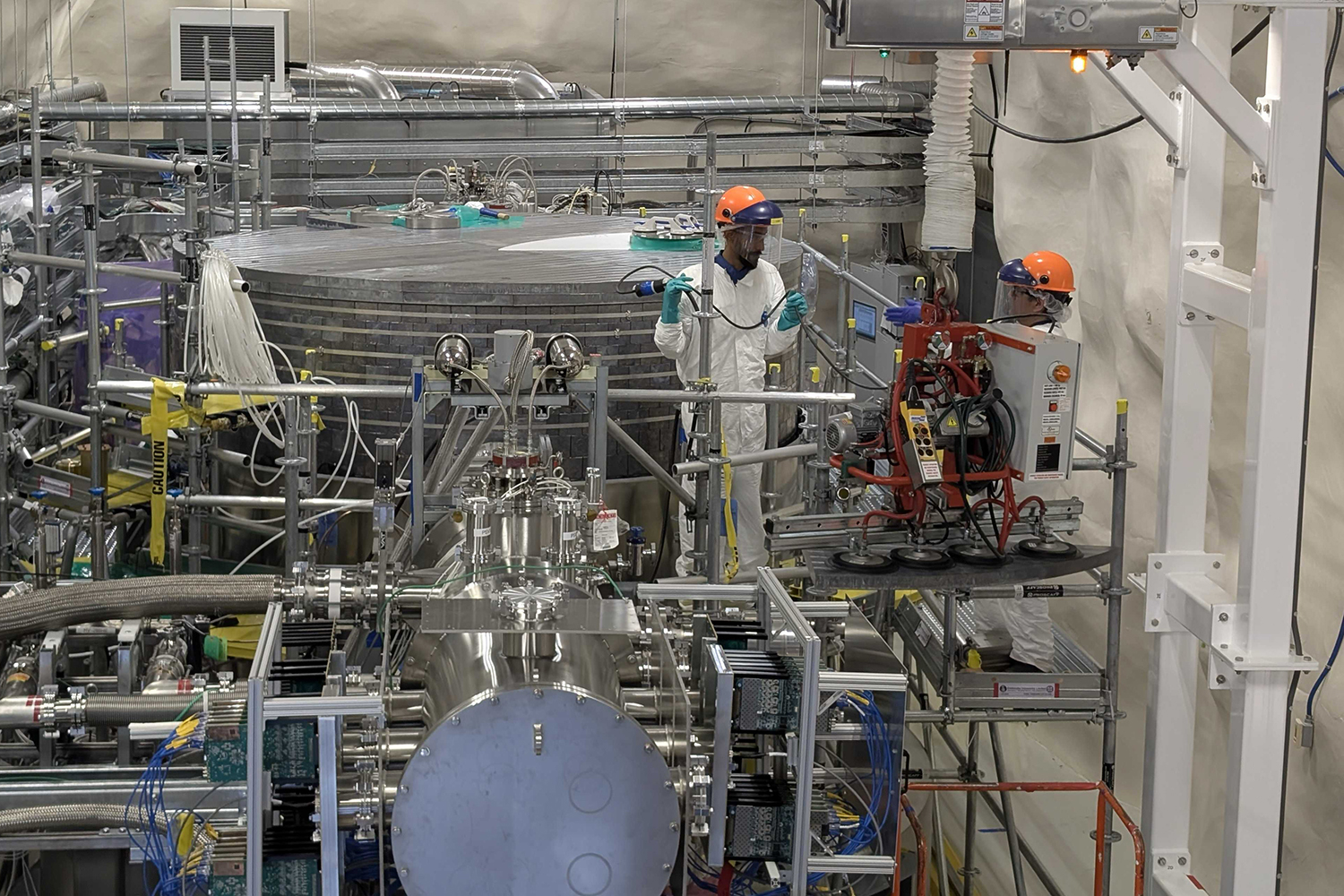
Scientists hunt for dark matter deep underground
Research
A SLAC-led experiment more than a mile beneath a Canadian mine has begun collecting early scientific data ahead of a full-sensitivity search next year.
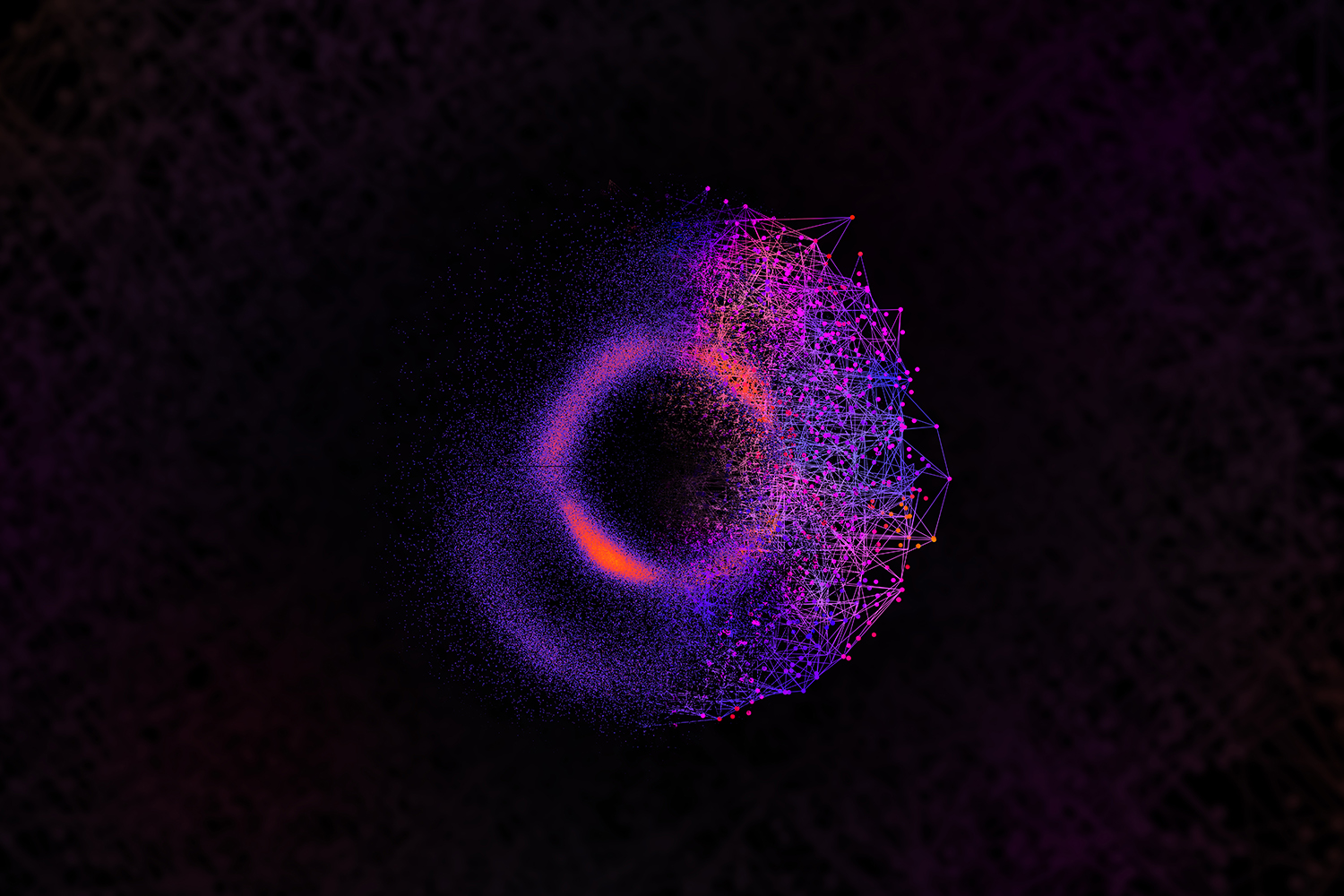
New AI tool compresses data without losing critical details
Research
A neural network developed by SLAC researchers shrinks massive experimental datasets while retaining all crucial information, enabling faster discovery across fields.
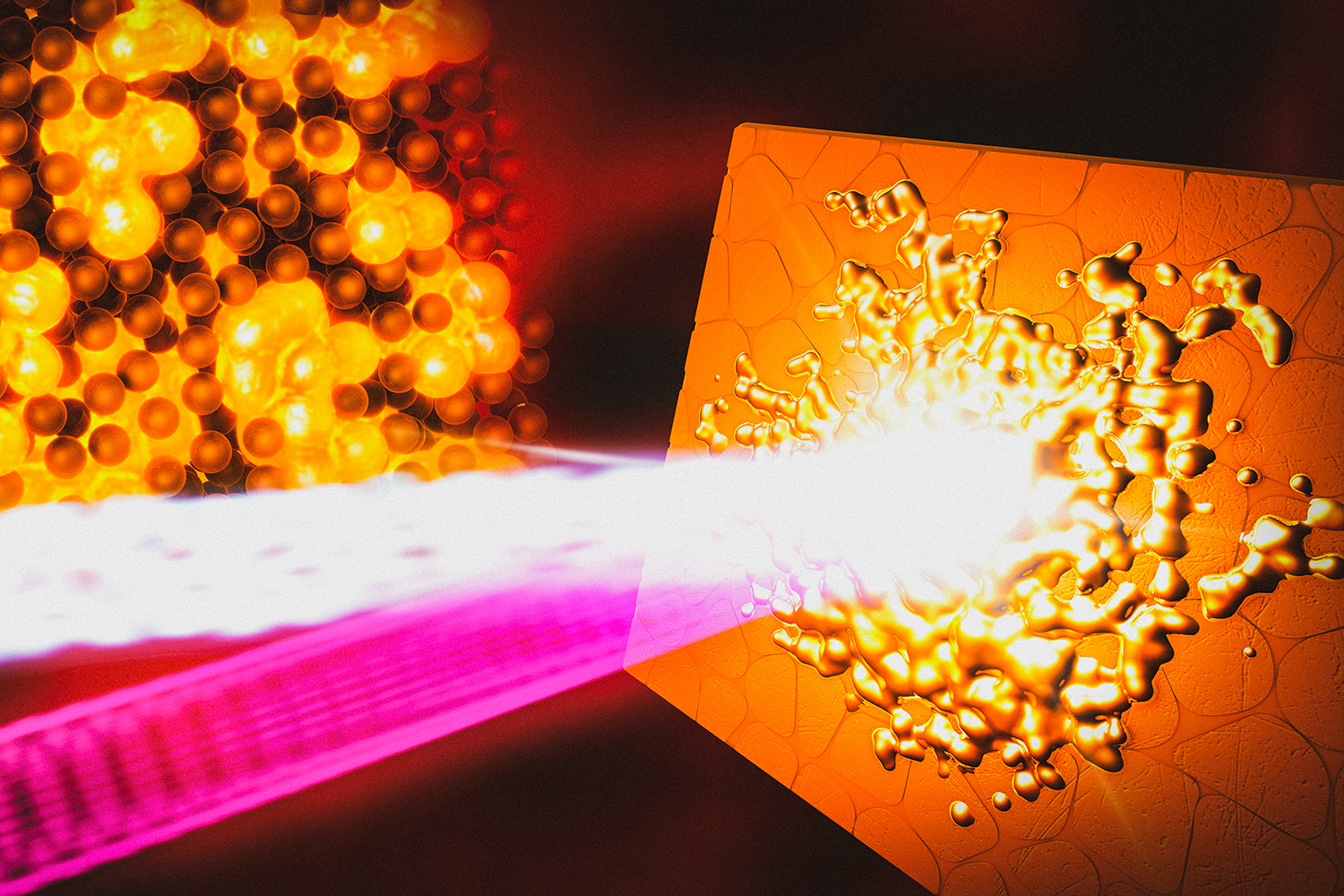
Copper defies expectations under extreme heat
Research
A new SLAC study could improve simulations used to identify materials that can withstand the intense heat of future fusion reactors.
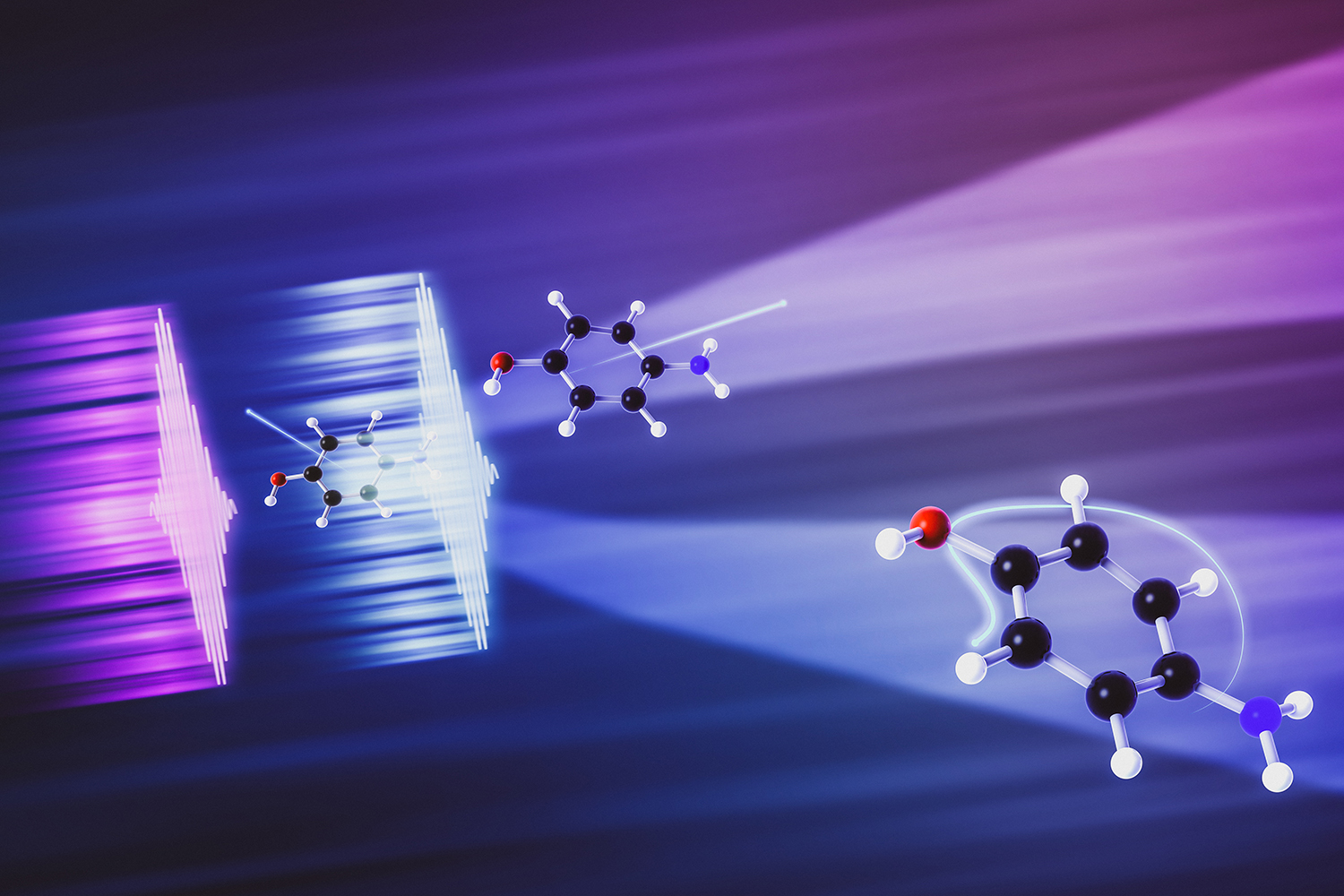
Researchers make movie of the first steps in a chemical reaction
Research
Using ultra-fast X-ray flashes, SLAC scientists have captured the split-second movements that kick off the making and breaking of chemical bonds.
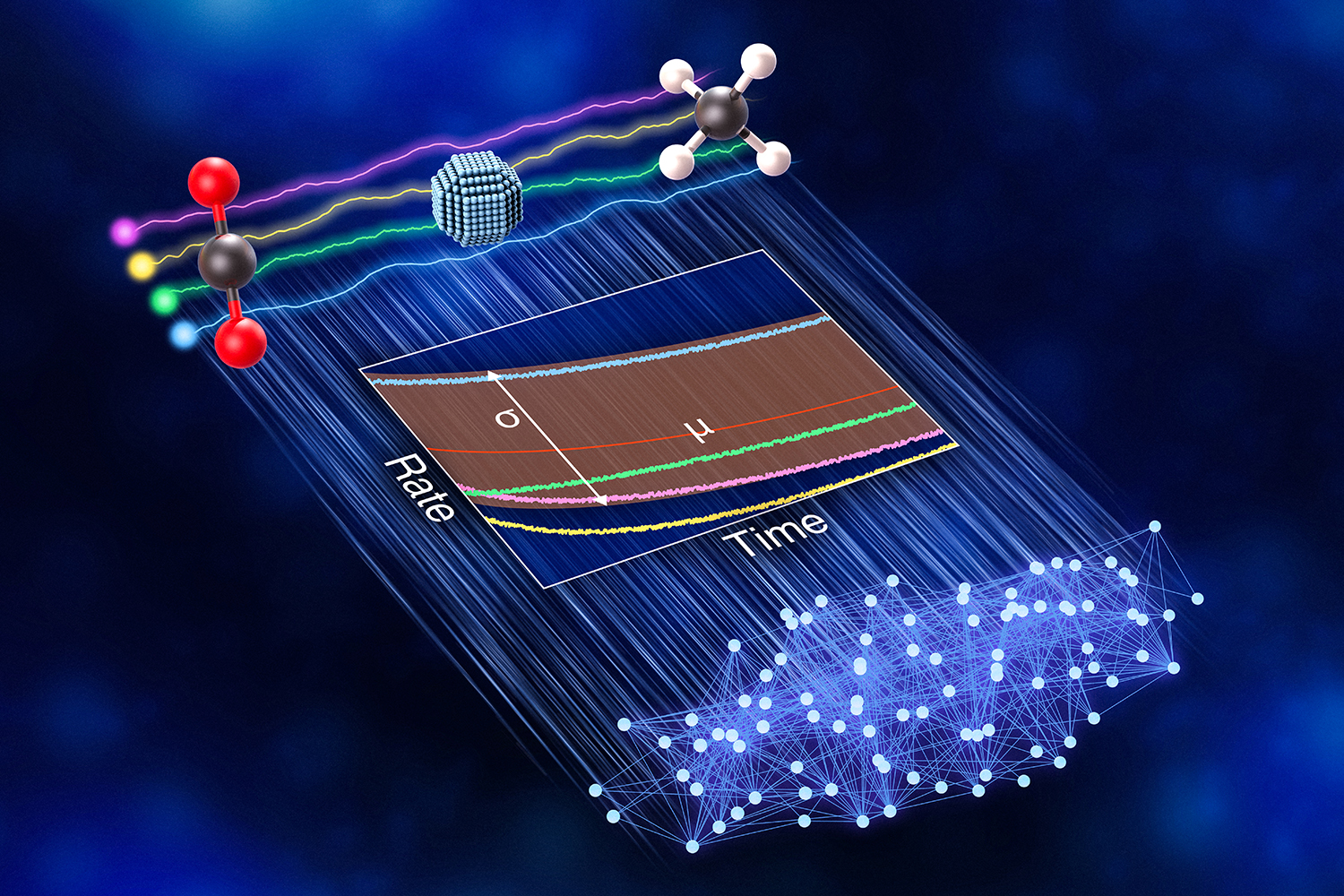
Study finds reproducibility is key to AI-driven science
Research
After four labs testing the same catalyst got inconsistent results, a SLAC-led team traced the problem to their methods and developed guidelines to help researchers generate reliable data for AI models.