At Junipero Serra Elementary School in Daly City, respect is one of the school’s core values. It’s stamped on its seal with the school’s mascot – a smiling, toothy pinto – and it’s listed on posters in every classroom.
But rather than just telling students what respect is, Victoria Wan, a second grade teacher at the school, wanted to try something different: making space for students to explore the concept for themselves and learn together what it means to speak thoughtfully and kindly to one another.
“Education should be about more than delivering curriculum; it should help young people see that their perspectives matter and that they can shape the world around them,” Wan said.
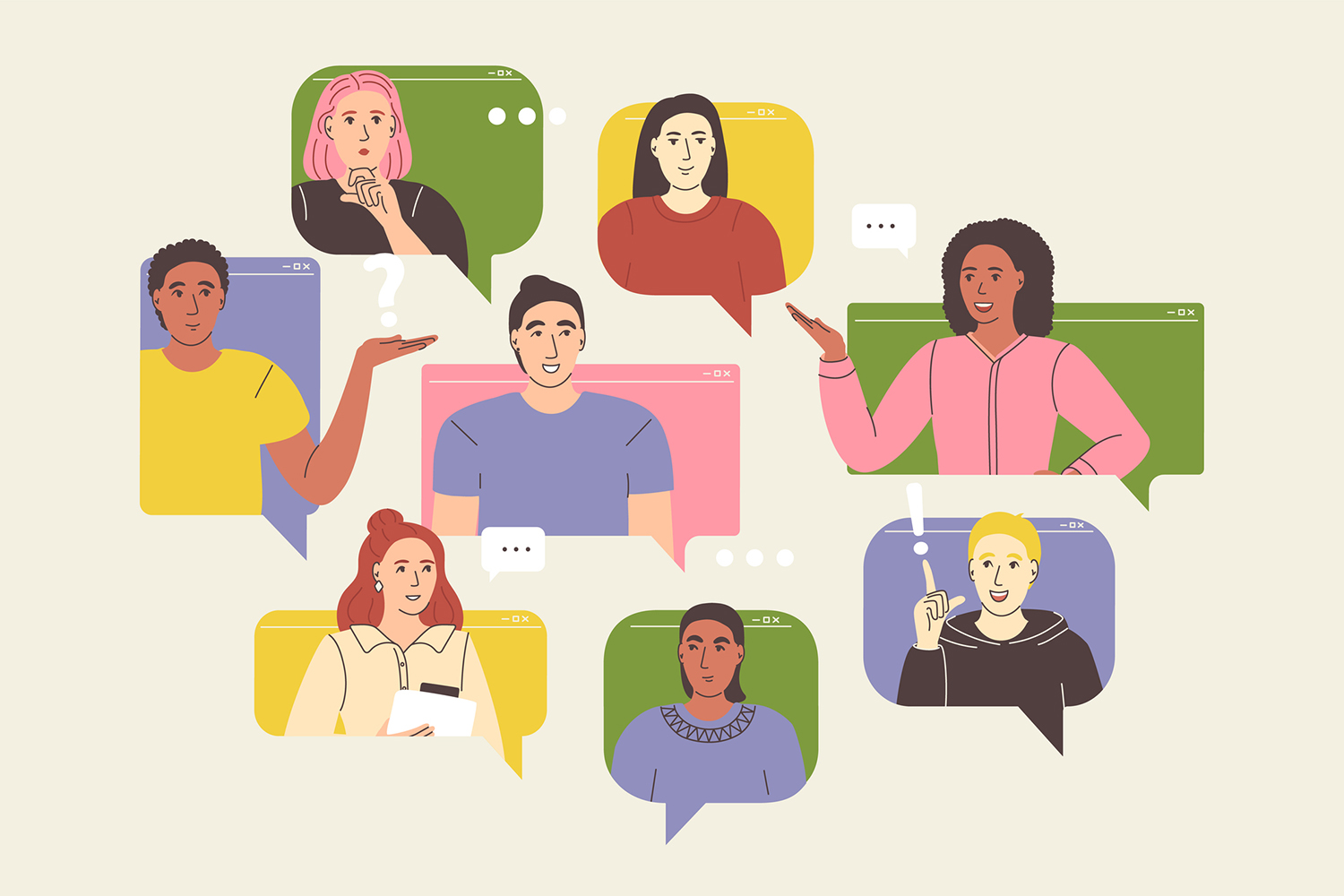
To help students have these kinds of meaningful conversations, Wan and her colleagues at the South San Francisco Unified School District connected with Alice Siu, the associate director of Stanford’s Deliberative Democracy Lab (DDL). Siu and other researchers at DDL have worked with diverse groups from across the world – including government decision-makers – to foster conversations where people can hear different perspectives and think through complex topics.
For the past decade, Siu has adapted the lab’s innovative approach to deliberation for high schools across the region, including Carlmont High School in Belmont, Castilleja School in Palo Alto, and The Branson School in Ross.
DDL’s approach – called “Deliberative Polling” – was developed in 1988 by the lab’s founder, James Fishkin, as a way of evaluating what public opinion would be if citizens were fully informed about complex policy issues. People who participate in a Deliberative Poll read balanced briefing materials before engaging in small group discussions with trained moderators. Research has shown that the process brings people closer together; it can reduce hostility and shift perspectives – and even if opinions don’t change, participants report greater mutual respect toward those they disagreed with.
“We find that people genuinely like each other more after having discussions with each other,” said Siu.
Learning the habits of deliberation early, Siu believes, could be transformative for civil society.
“If we can instill deliberative skills in the K-12 space, in five to 10 years’ time, we could see a decline in the issues we have around polarization. These problems could be reduced if people were actually able to talk to each other and find ways to solve problems together,” she said.
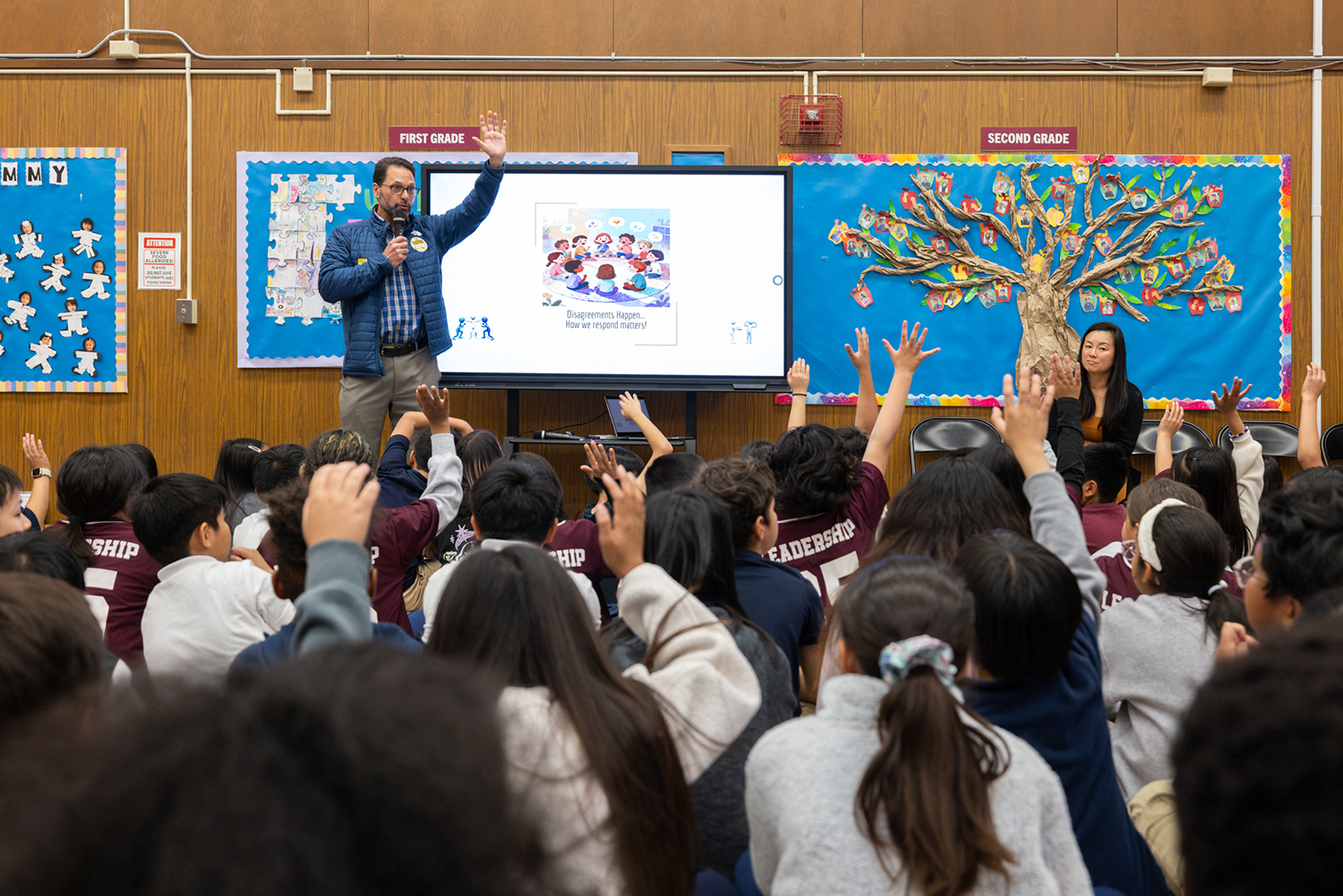
Gregg Patner, the administrative vice principal at Carlmont High School, discusses best practices for deliberation.
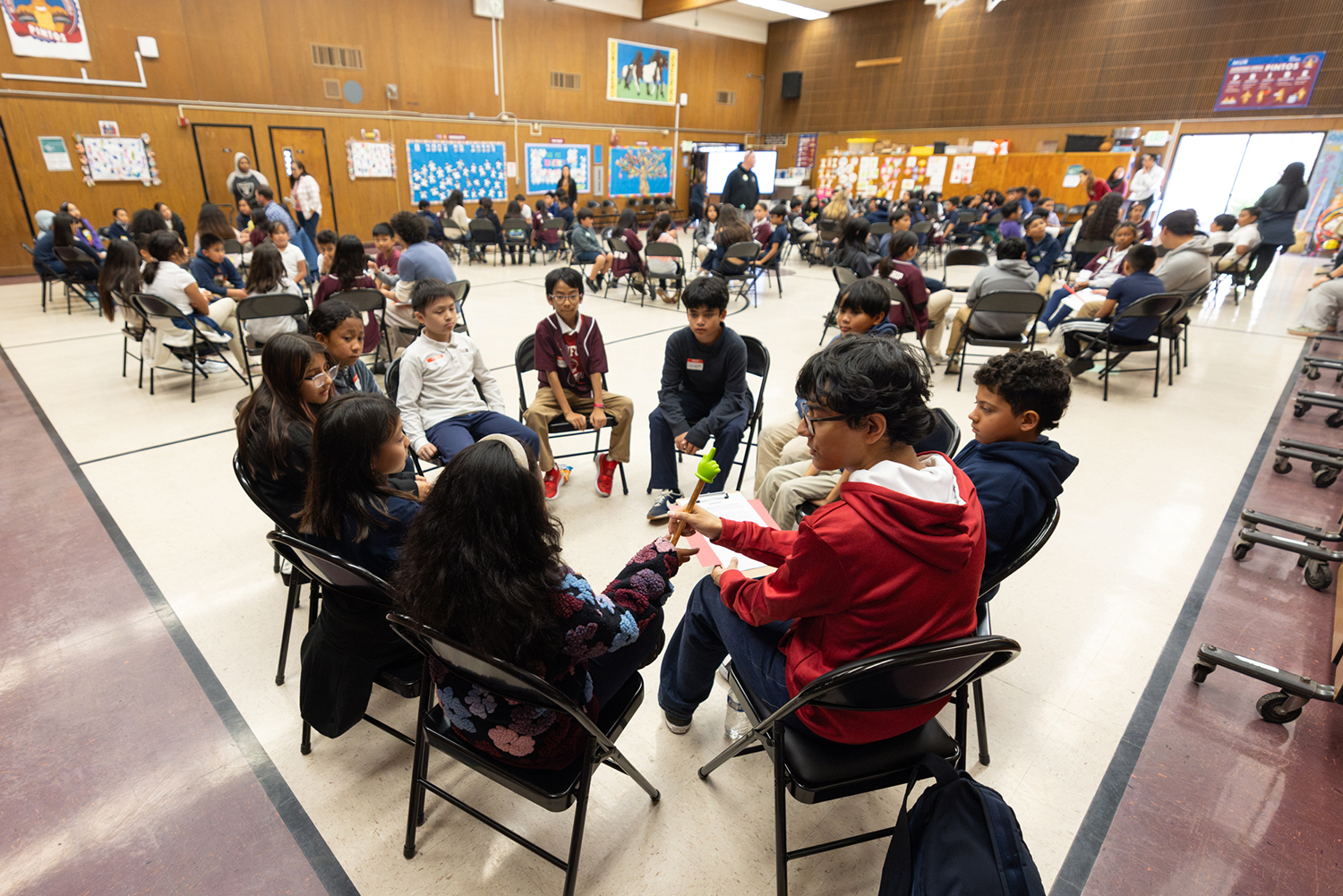
Students took turns speaking with a talking stick. Here, Ricky Hernandez Marquez, a researcher at the Deliberative Democracy Lab, hands it over to an elementary schooler.
Students listened to short presentations about skills they would practice during that morning’s deliberation.
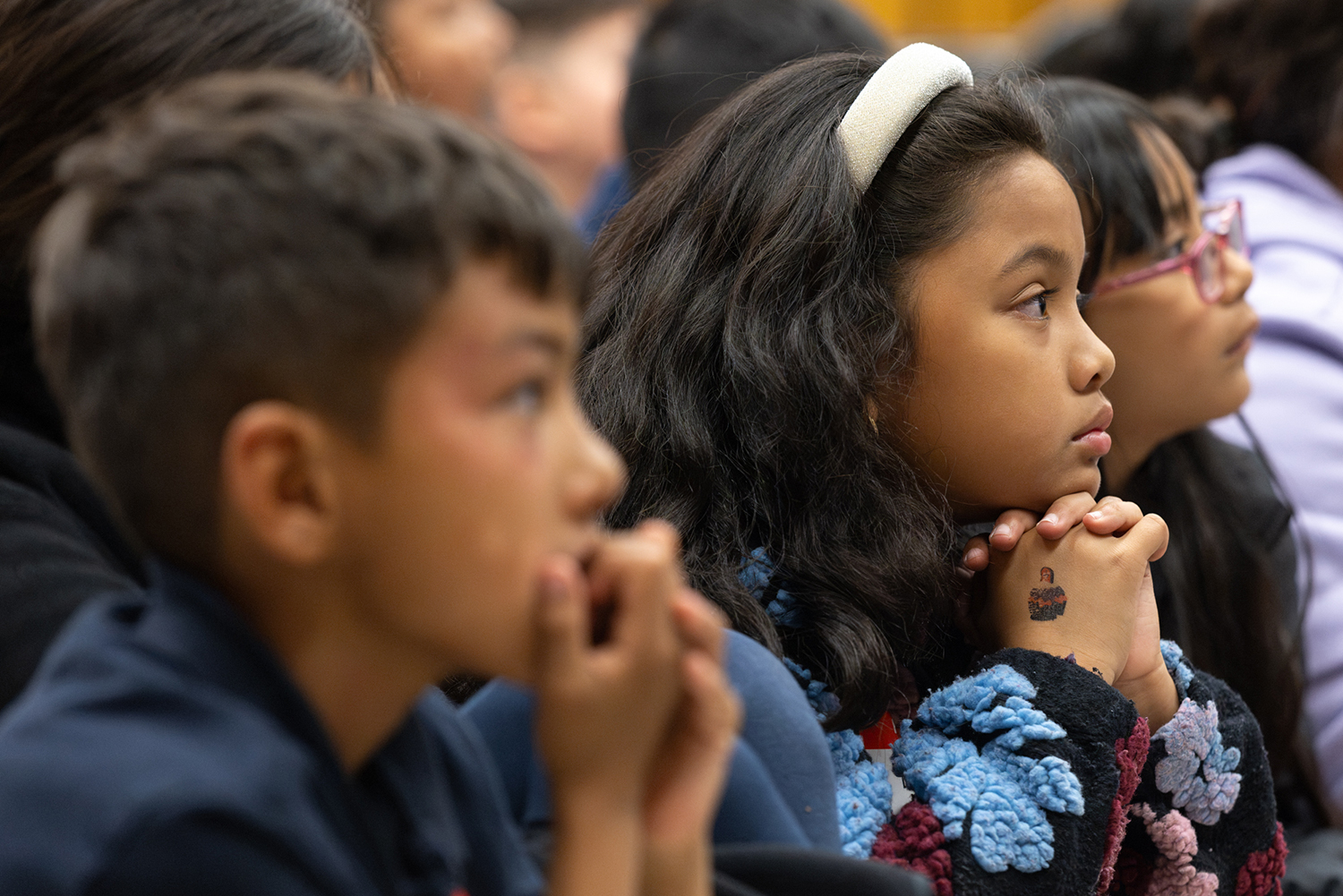
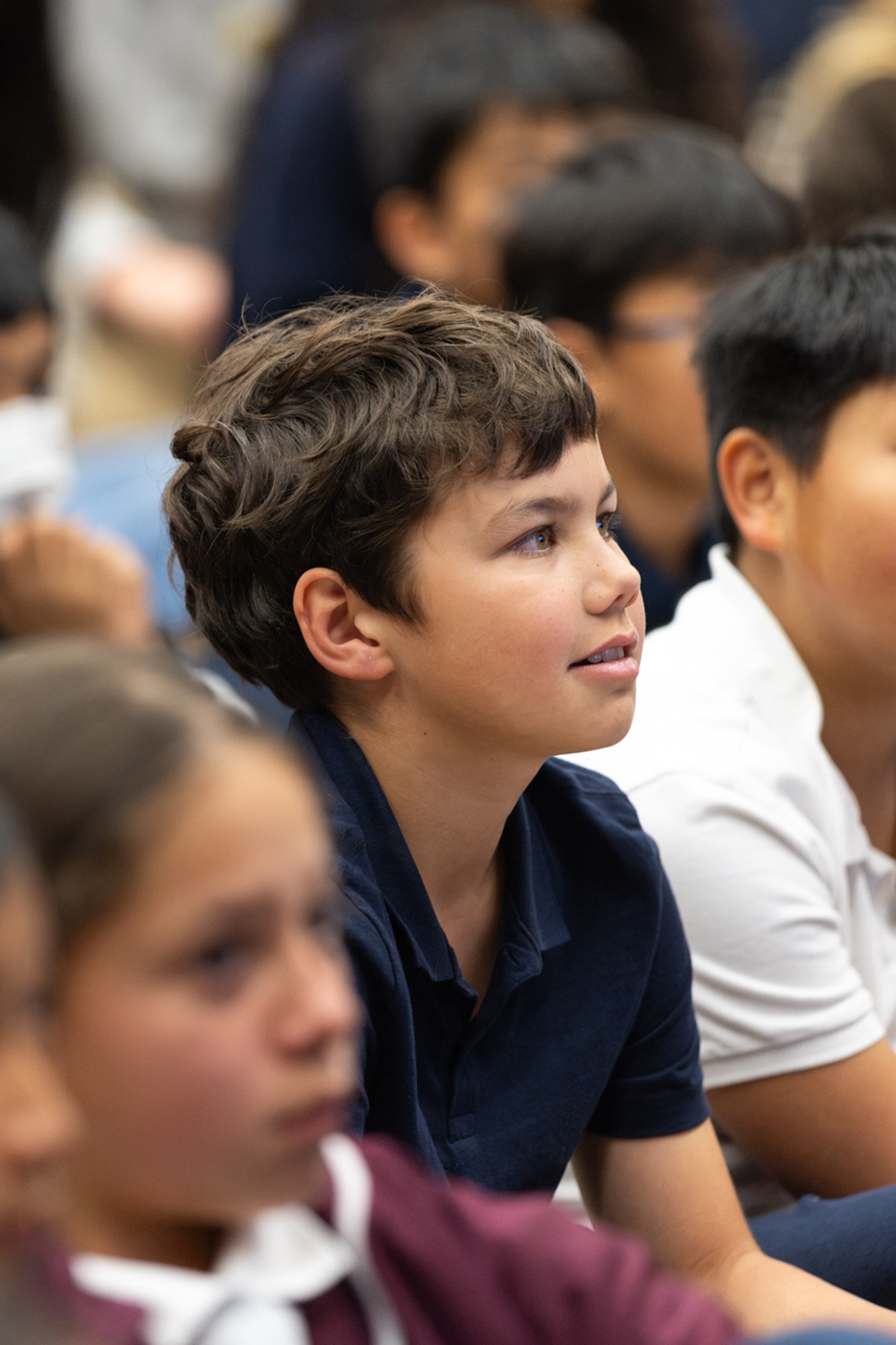
After the recent November session, more students said they understand what it means to show respect to others.
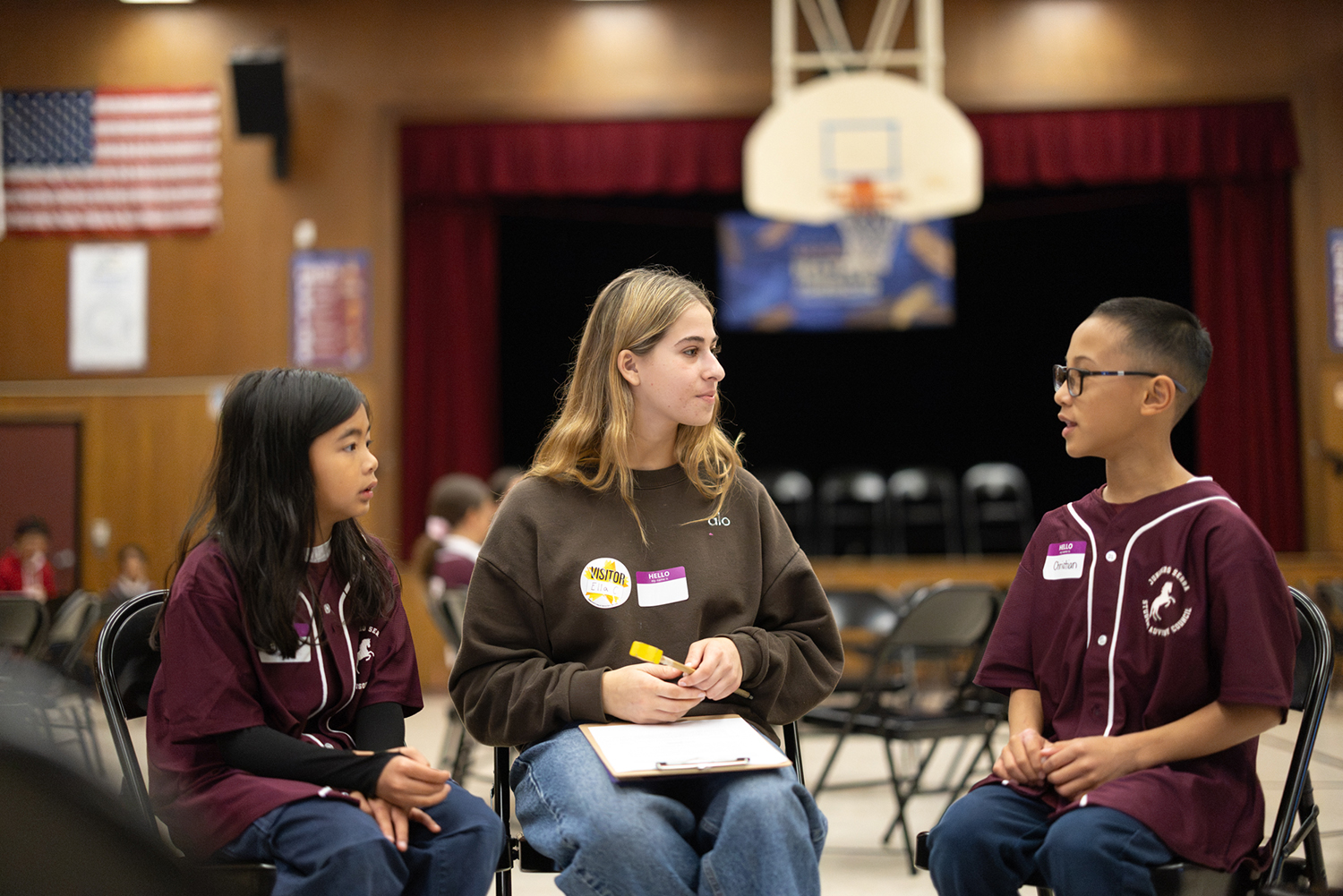
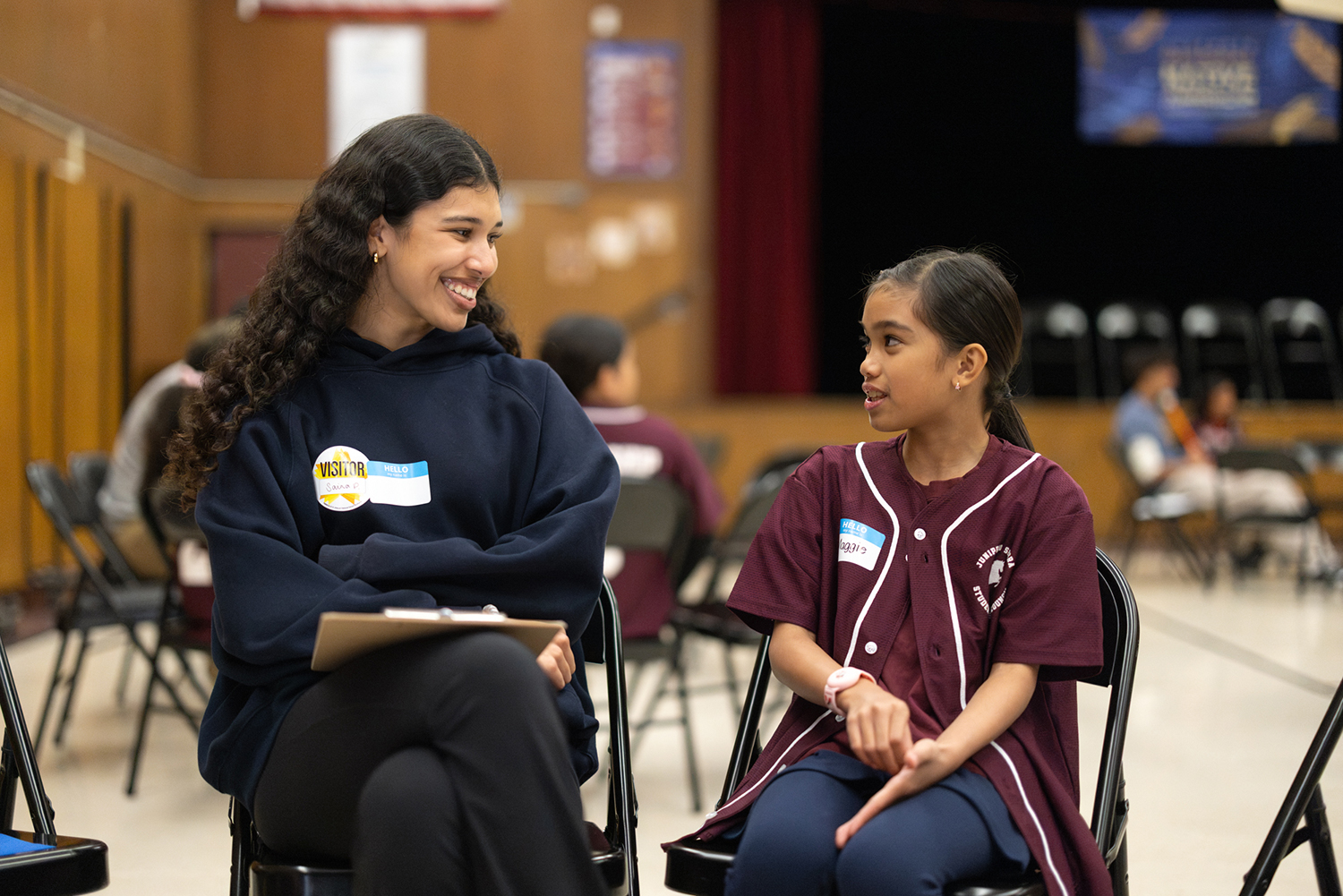
Ella Cohen, a junior at Castilleja High School, with two elementary students who are part of the Student Advisory Council.
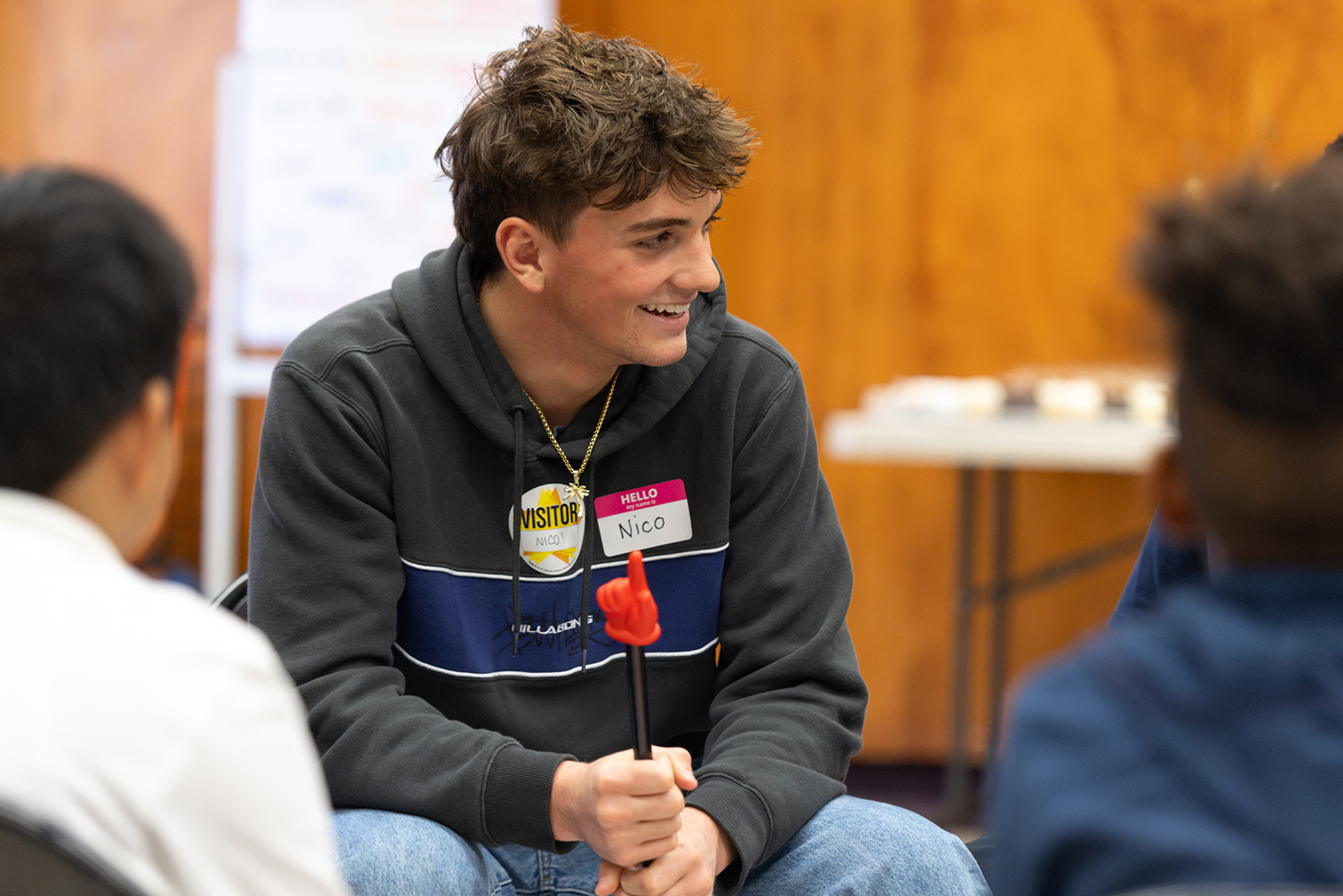
Carlmont High School senior Nico Foks served as one of the facilitators.
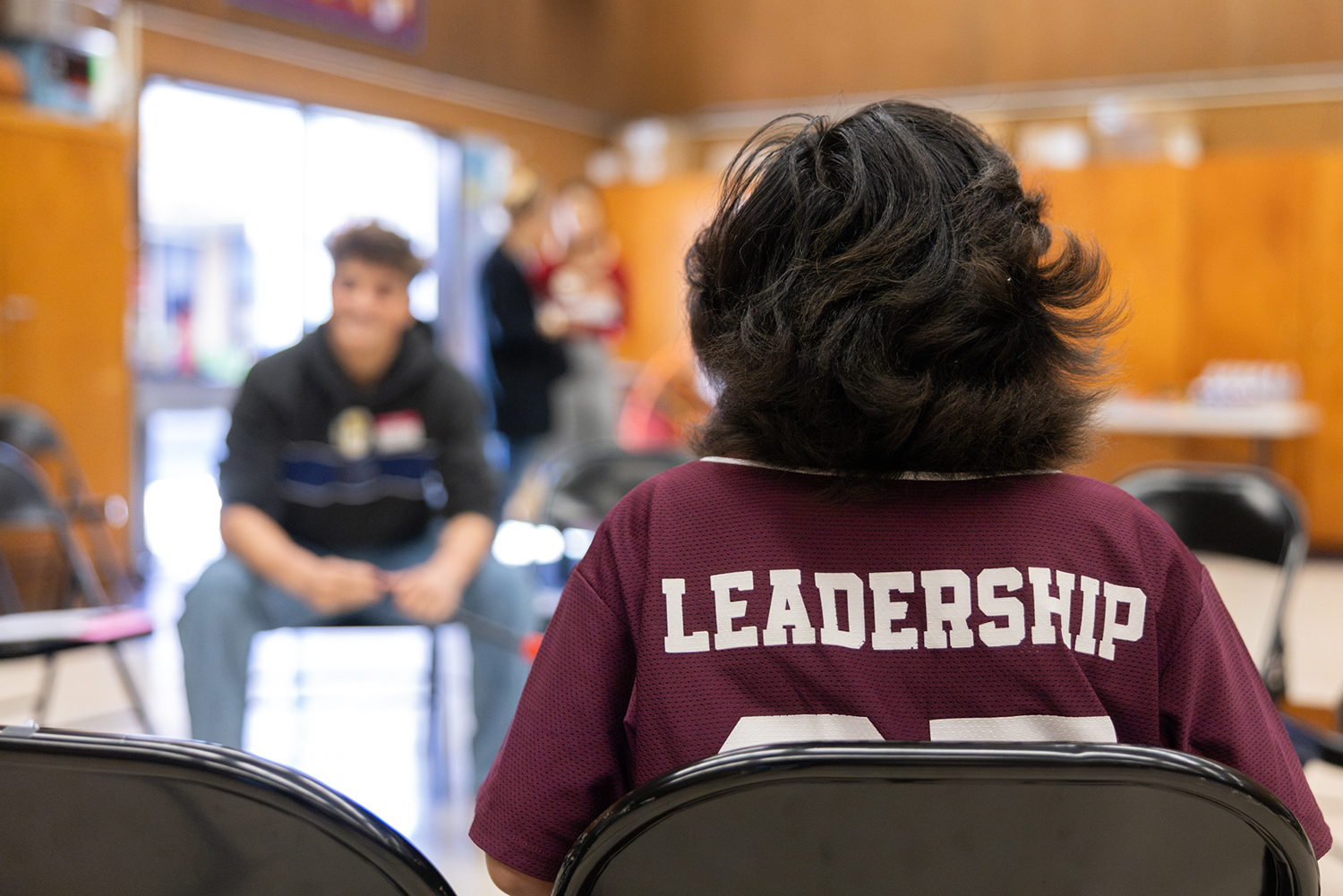
Student Advisory Council members wore jerseys with “LEADERSHIP” emblazoned on the back and modeled thoughtful discussion for their classmates.
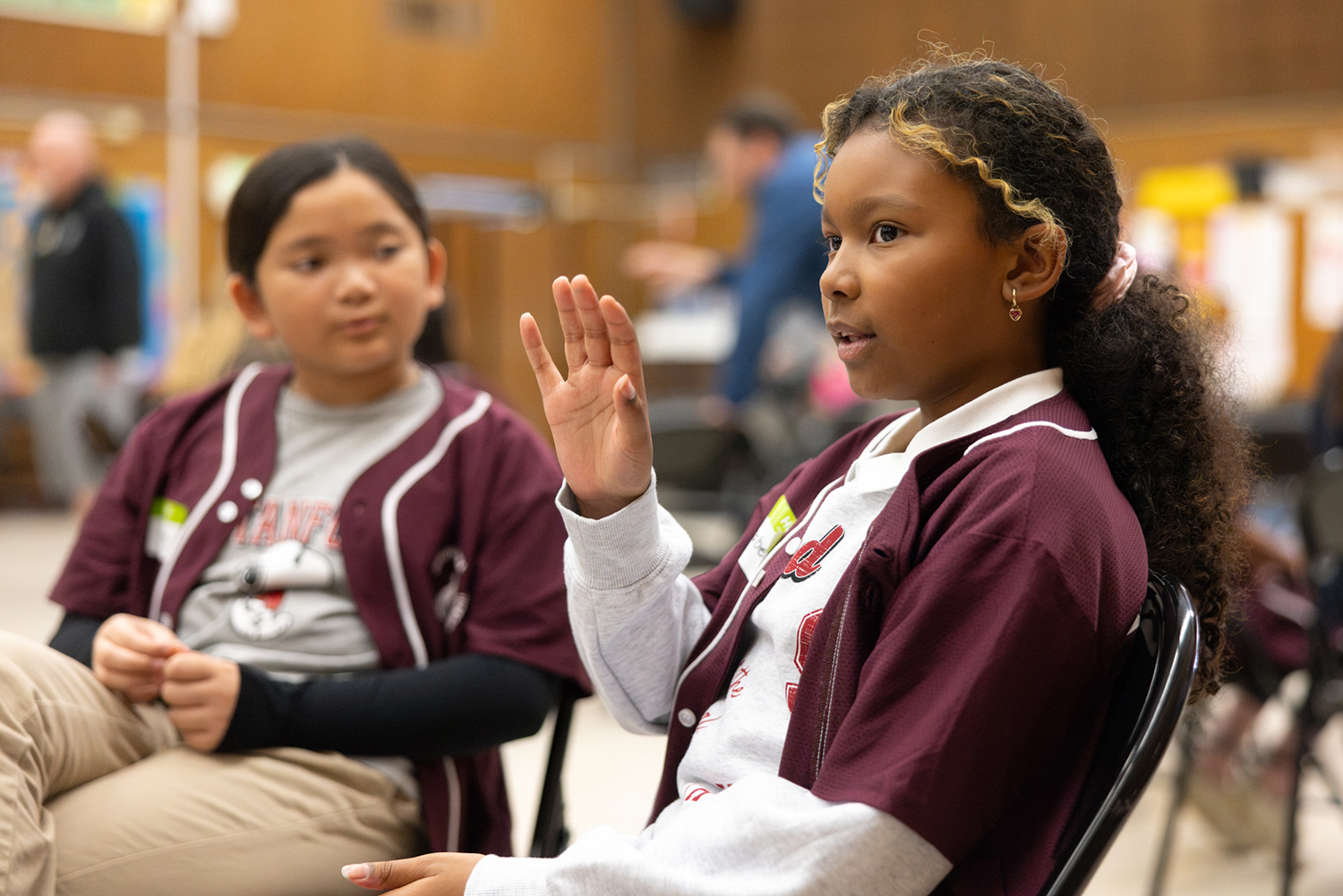
Student Advisory Council members build confidence and learn how to speak respectfully and thoughtfully.
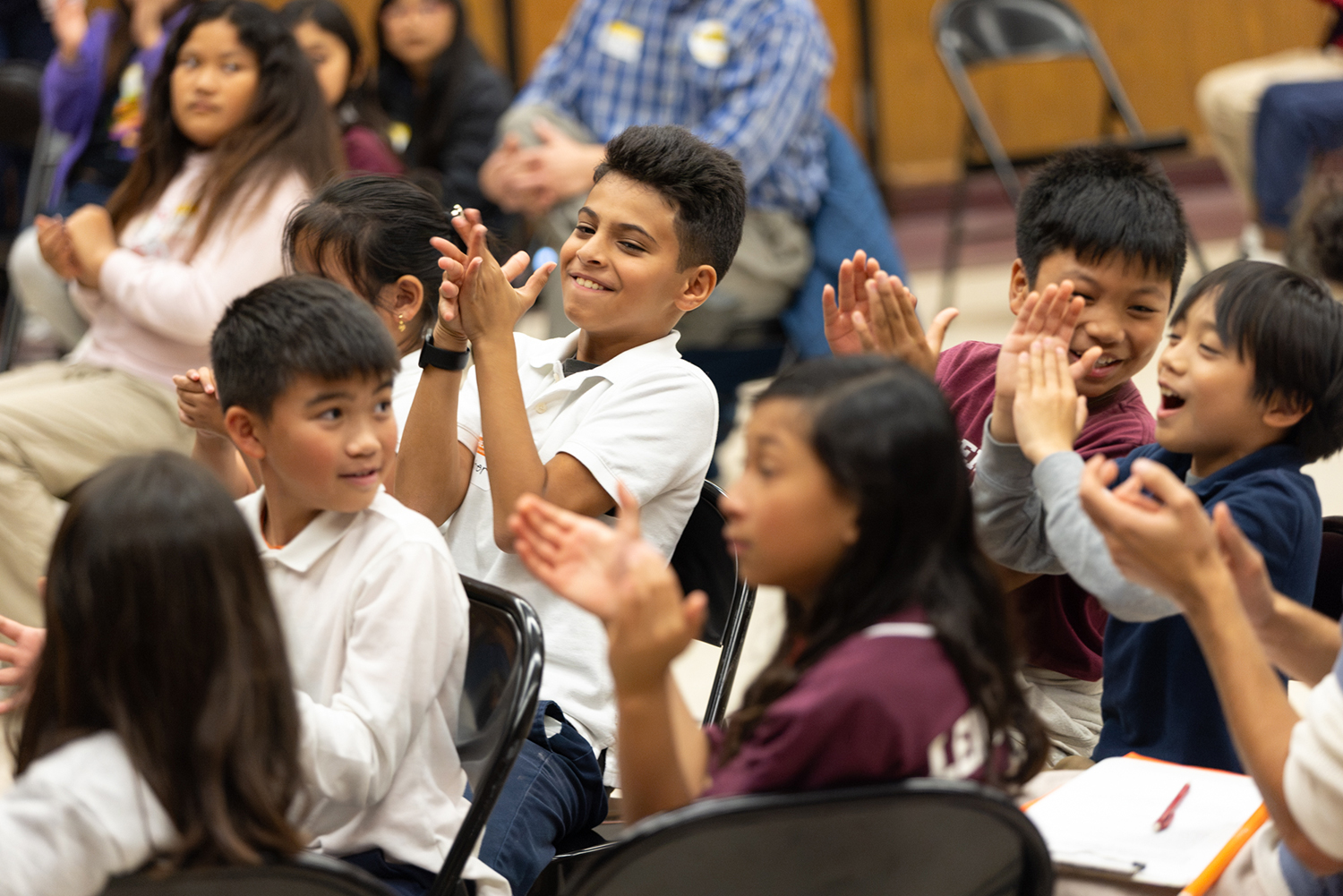
The deliberation process gives students the opportunity to share their opinions on school issues that matter to them; research shows the process brings people closer together.
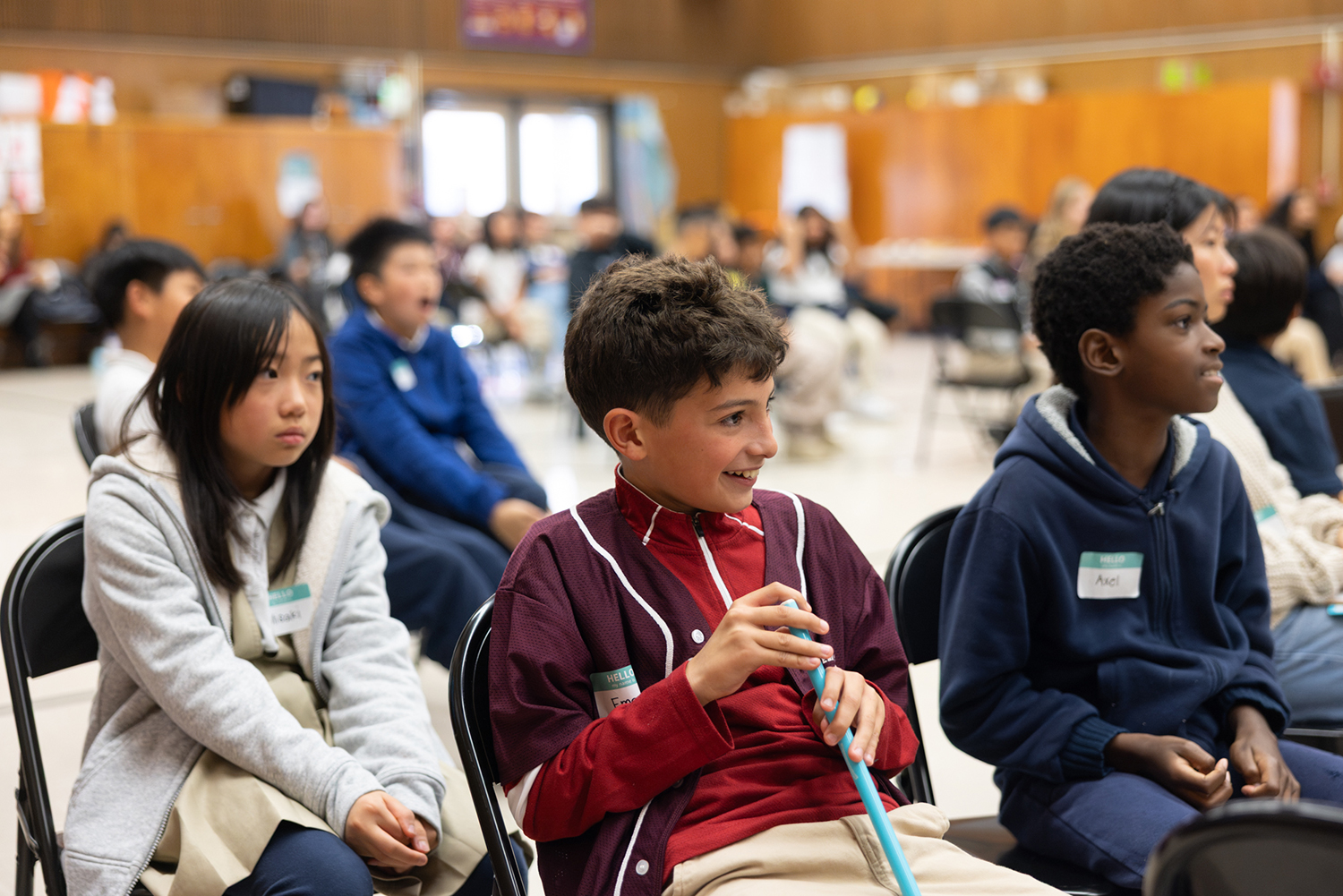
By engaging with the different perspectives that deliberation surfaces, students cultivate lifelong skills in critical thinking.
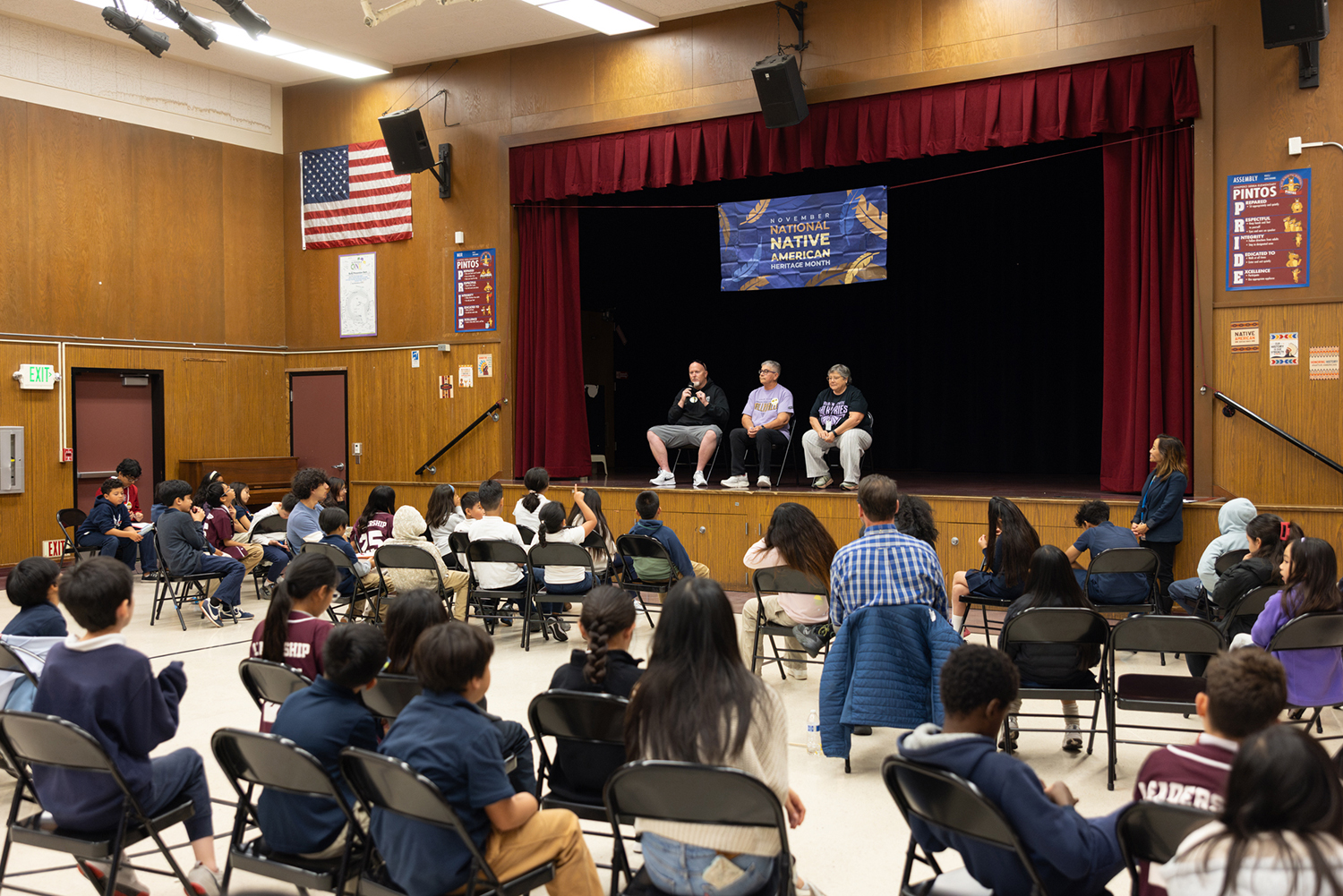
The morning concluded with a panel discussion featuring local school leaders, who shared their ideas on how students can demonstrate respect toward one another. From left to right: Brian Flowers, a parent at Junipero Serra, the school’s basketball coach, and a coordinator with the Afterschool Youth Recreation Program; Cathie Alvarado, a retired Junipero Serra teacher; and Dr. Teresa Pallitto, vice principal at Alta Loma Middle School.
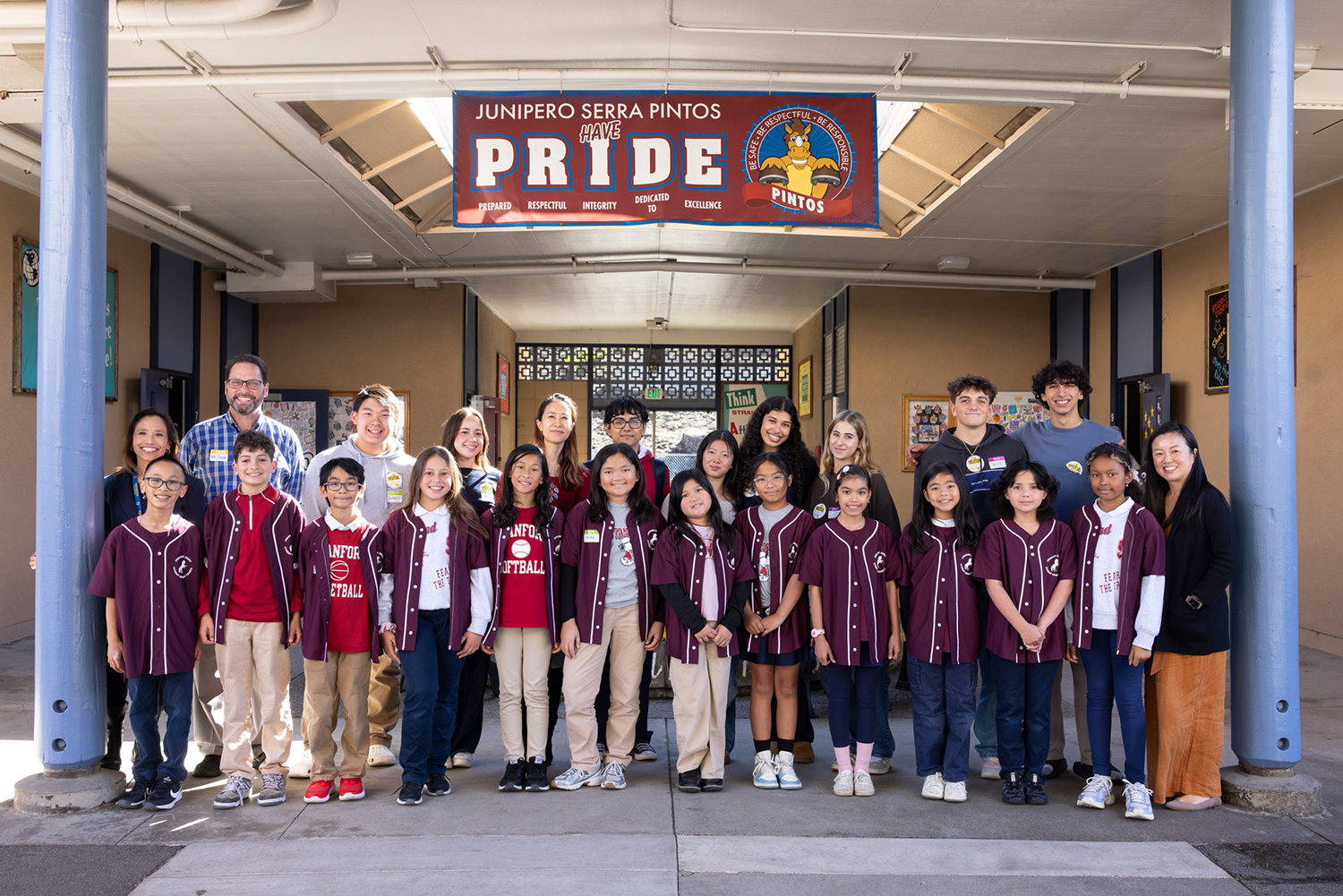
From left to right, back row: Teresa Sampayan from Junipero Serra; Gregg Patner from Carlmont; Asteris Ling from Carlmont; Caitlin Stehr from Carlmont; Alice Siu from Stanford; Ricky Hernandez Marquez from Stanford; Helen Li from Paly; Saina Priyadarshi from Castilleja; Ella Cohen from Castilleja; Nico Foks from Carlmont; Jasper Patel from Carlmont. Front row: Victoria Wan, a teacher at Junipero Serra Elementary School, with students who are part of the Student Advisory Council.
Cultivating future leaders
On a recent November morning, about 75 fourth- and fifth-graders spilled into the Junipero Serra Elementary School’s cafeteria for several hours of moderated conversations with their classmates.
The program that Siu, Wan, and her colleagues developed is now in its second year and includes signature elements of the Deliberative Polling method, starting with briefing students on the topic using neutral, balanced materials. Wan, along with Gregg Patner, the administrative vice principal at Carlmont High School, opened with a few guidelines for their conversations, including listening without interrupting, agreeing to disagree, and assuming your partner’s intentions are positive.
Students then assembled into groups of about 10 for the discussions, which are at the heart of the program. One of the students in each group was a “Student Advisory Council member” who had learned peer moderation with Siu and her team on the Stanford campus just a few weeks earlier.
Local high school students, trained through a paid summer research position with DDL, served as facilitators. Deliberation opened with a fun warm-up exercise: How could dogs and cats play together respectfully?
The conversation deepened as students discussed scenarios they might encounter at school. What would they do if they saw a student being ignored by another student? What could their fellow students do to help them feel comfortable speaking up in class when they weren’t sure they had the right answer?
The goal wasn’t to arrive at a consensus, but to practice expressing different opinions on a topic.
“Deliberation is really about the reasoning that people give,” Siu said. “So, even if a student says, ‘I like it,’ or ‘I agree,’ the follow-up question to that should be, ‘Well, why do you like it?’ ‘Why do you agree or disagree?’”
Deliberation also emphasizes weighing pros and cons and considering trade-offs. Unlike a debate, Siu explained, it’s not about trying to win an argument. “In deliberation, we’re not winning at all. We’re actually trying to learn and understand other people’s lived experiences.”
The morning ended with a panel discussion that included the school’s basketball coach, a retired teacher, and the vice principal of the middle school that many of the students will attend. They discussed their own ideas on how students can demonstrate respect toward others and addressed other issues, including online bullying and steps students can take to intervene. In Deliberative Polling, such talks with leaders provide a wider range of voices and bring the group together for a deeper, shared understanding of the topic under deliberation.
Evidence-backed deliberations
Siu works with schools to conduct pre- and post-deliberation surveys to see how the discussions impacted students.
After the recent November session, more students said they understand what it means to show respect to others, and that they think it’s important to respect things that are important to other people, even if those things aren’t important to them. Post deliberation, students also reported feeling more comfortable sharing an answer in class, even if they weren’t sure it was correct.
“For students, our collaboration with Stanford’s Deliberative Democracy Lab has built confidence, a willingness to share ideas, and the ability to listen across differing viewpoints,” Wan said. “Student Advisory Council members who once struggled to share their ideas have become confident, emerging leaders. One parent told me, ‘This has helped others see what he could be.’”
Wan said it’s changed how she sees her role as a teacher.
“Sometimes the most powerful thing we can do is step back and create space for students to lead conversations we might otherwise lead ourselves,” Wan said. “Ultimately, this work changes what we believe students are capable of. They are not just future leaders; they are members of our communities today, and their voices matter today.”
For more information
The Deliberative Democracy Lab is part of the Center on Democracy, Development and the Rule of Law, which is part of the Freeman Spogli Institute for International Studies.
Writer
Melissa De Witte
Photographer
Andrew Brodhead