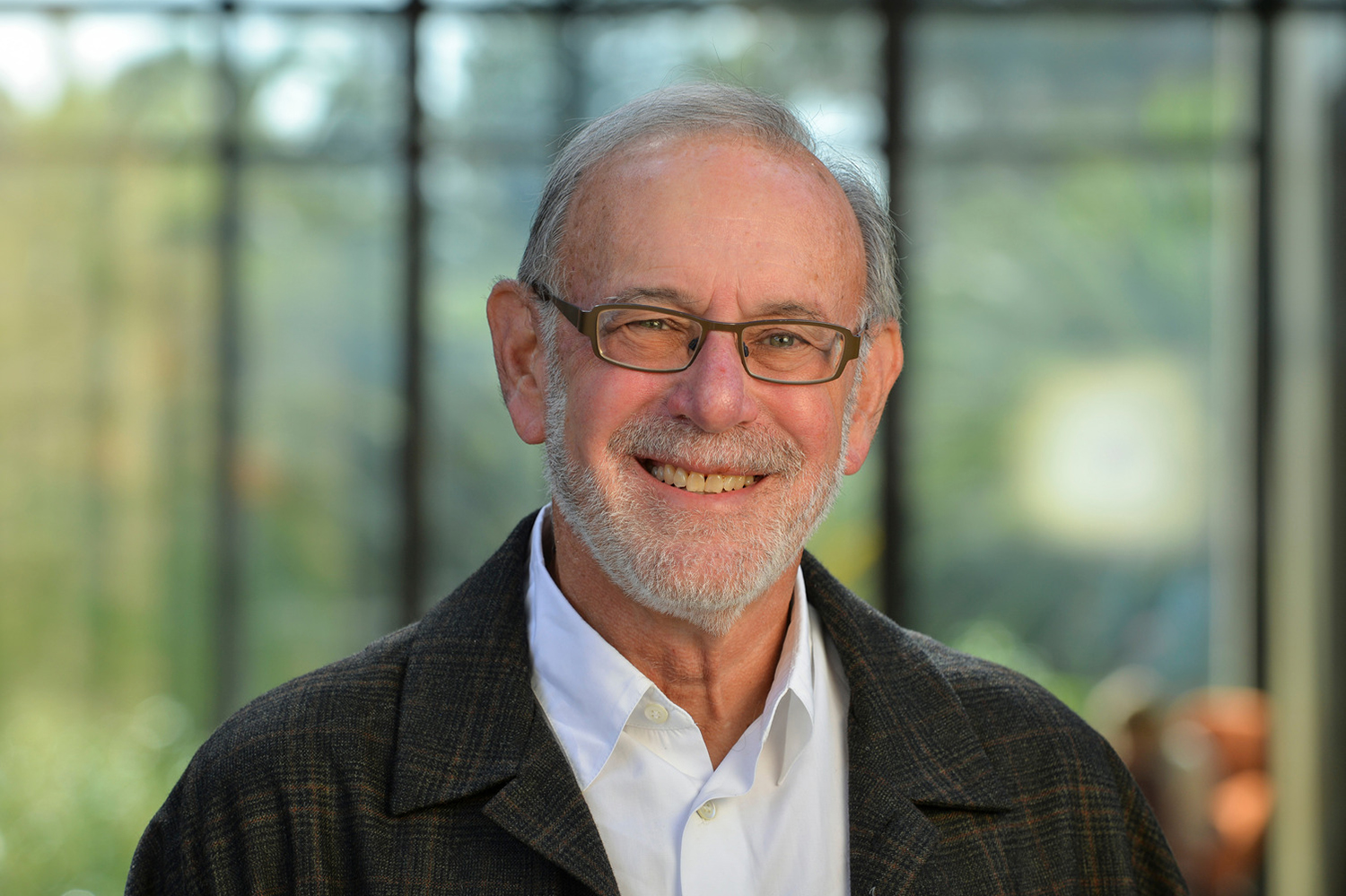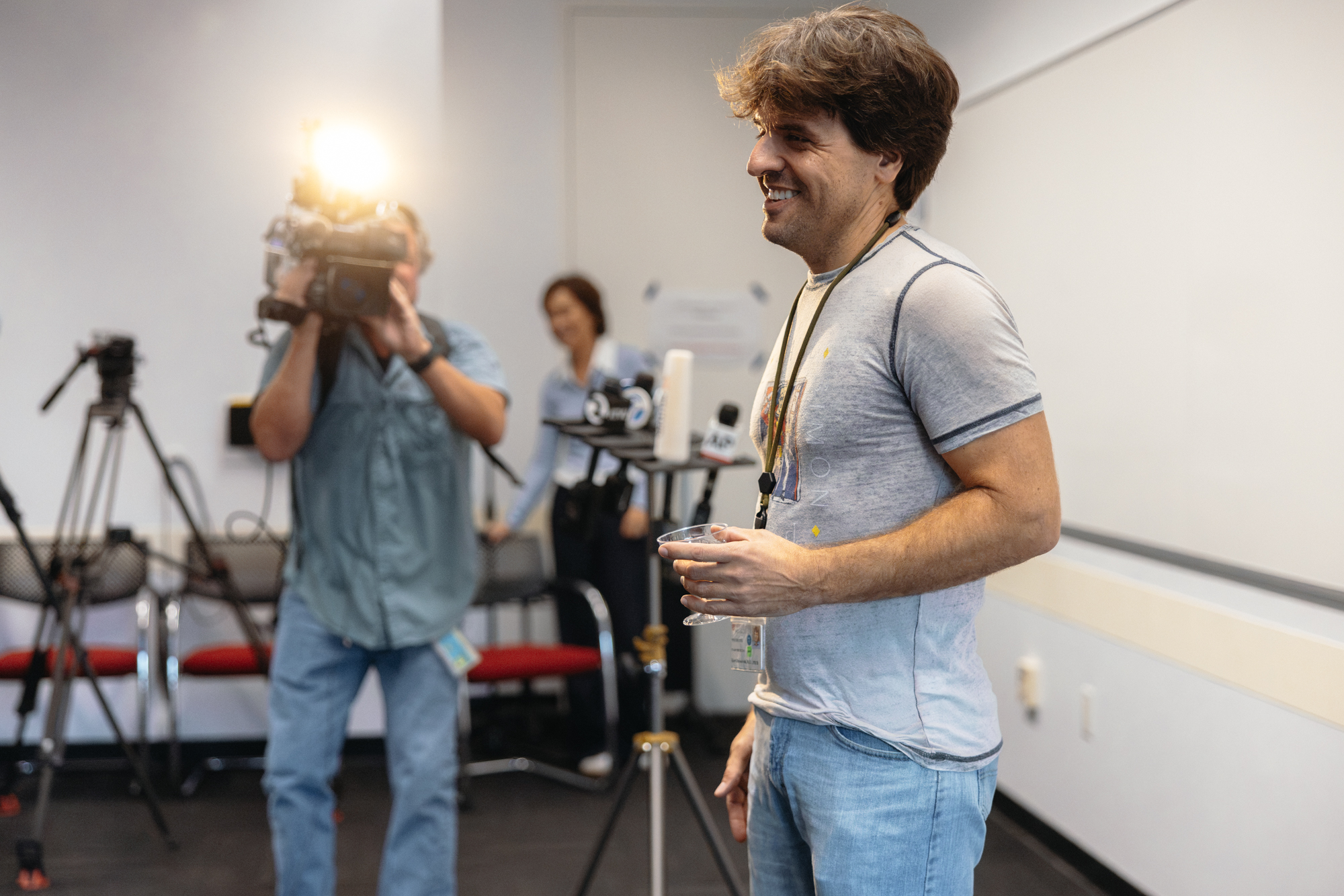
The Deisseroth Lab’s Monday morning meeting took place at the same time and in the same seminar room in the Clark Center as always, with the usual coffee, juice, and hot breakfast offerings. The weekly meeting is a time for the roughly 60-member lab to get together, hear presentations on new research, and receive updates on the multitude of projects going on in the lab of longtime Stanford University professor Karl Deisseroth.
But on this morning, a row of champagne bottles next to the coffee station signaled this wasn’t business as usual. About six hours earlier, the Nobel committee in Sweden had announced that Deisseroth, MD, PhD, was among this year’s winners of the Nobel Prize in physiology or medicine.
Most people in the lab awoke to numerous text messages from friends and colleagues about the news, the earliest from the East Coast. Some found out from a New York Times breaking news alert on their phone.
Cynthia Delacruz, executive director of operations for the Human Neural Circuitry and Cracking the Neural Code programs, who has worked for Deisseroth since 2005, received a call from a colleague in the middle of the night and drove more than four hours to be at the lab meeting-turned-celebration.
“We were hoping for it. We knew he deserved it. I’ve been waiting for it every year for the past 15 years,” she said, still a little shaky from excitement. “I’ve watched him work very hard for 21 years.”
As people trickled in, there were more smiles and hugs than usual. Lab alumni, including Raag Airan, MD, PhD, now an associate professor of radiology, showed up to give their congratulations. Airan was one of the first graduate students in the Deisseroth Lab, which at the time was mostly empty lab space in the basement. He recalled Deisseroth showing him around. “He said, ‘Well, in this empty room, we’re going to have lasers and whatnot. Oh, can you, by the way, set up those lasers?’”
At 9 a.m., people lined the hallway leading to the seminar room and cheered as Deisseroth, who is the D. H. Chen Professor and a professor in the schools of medicine and engineering, wearing jeans and a T-shirt, walked in.
“Nothing would happen without this community. I want to express my deep, deep gratitude,” he said to the standing-room-only crowd before popping open a bottle of champagne.
He reflected on his decision to come to Stanford for his MD-PhD training. He had planned to attend the University of California, San Francisco, and had already signed a lease in the city when he visited the Stanford campus. “I wandered around the campus, and I had the most incredible gut feeling I’ve ever had,” he said.
He canceled his lease and has been at Stanford ever since. “It was one of the better decisions I’ve ever made,” he said. “It’s the lack of hierarchy, it’s the free movement of people and ideas, and it’s the willingness to talk. I saw that, and that’s something I try to keep alive here. I hope that’s the spirit that you’ve been able to experience and see and appreciate, and I hope you carry it forward wherever you go because it means a lot.”
Glasses of champagne were passed around as longtime lab members shared their reflections. Everyone was delighted by the news, but many said it was not entirely surprising. “This was a long time coming,” Airan said.
The celebration soon migrated to a larger room where more colleagues, reporters, and television cameras awaited the new laureate.
“He is a brilliant scientist, but also I believe his generosity is equally important,” said Carla Shatz, the Sapp Family Provostial Professor, referring to how Deisseroth has freely shared optogenetics technology and training. “He has really set the standard and paved the way for how modern discoveries should be made.”
“It’s just an amazing day,” said Alan Schatzberg, MD, the Kenneth T. Norris, Jr. Professor of Psychiatry and Behavioral Sciences, who was chair of the department from 1991 to 2010. “It’s amazing for us – for Stanford and for psychiatry – but it’s also amazing for the world. This is a guy who has changed the way we do neuroscience research and, ultimately, it will help patients.”
Schatzberg recalled that when Deisseroth was hired onto the faculty, he received an unusual joint appointment from psychiatry and bioengineering. Scott Delp, PhD, the James H. Clark Professor and a professor of bioengineering and of mechanical engineering, led the hiring committee. He said that Deisseroth stood out among more than 400 applicants for his creativity and interdisciplinary insights. Over the years, Deisseroth has become a neighbor and close friend.
“He’s not just a brilliant, creative scientist, physician, bioengineer, but also just one of the kindest dudes I’ve ever known,” Delp said.
Then Delp relayed a message from Matt Scott, PhD, professor emeritus of developmental biology, who was also on the hiring committee: “I love it when the good guy wins.”
The celebrations continue
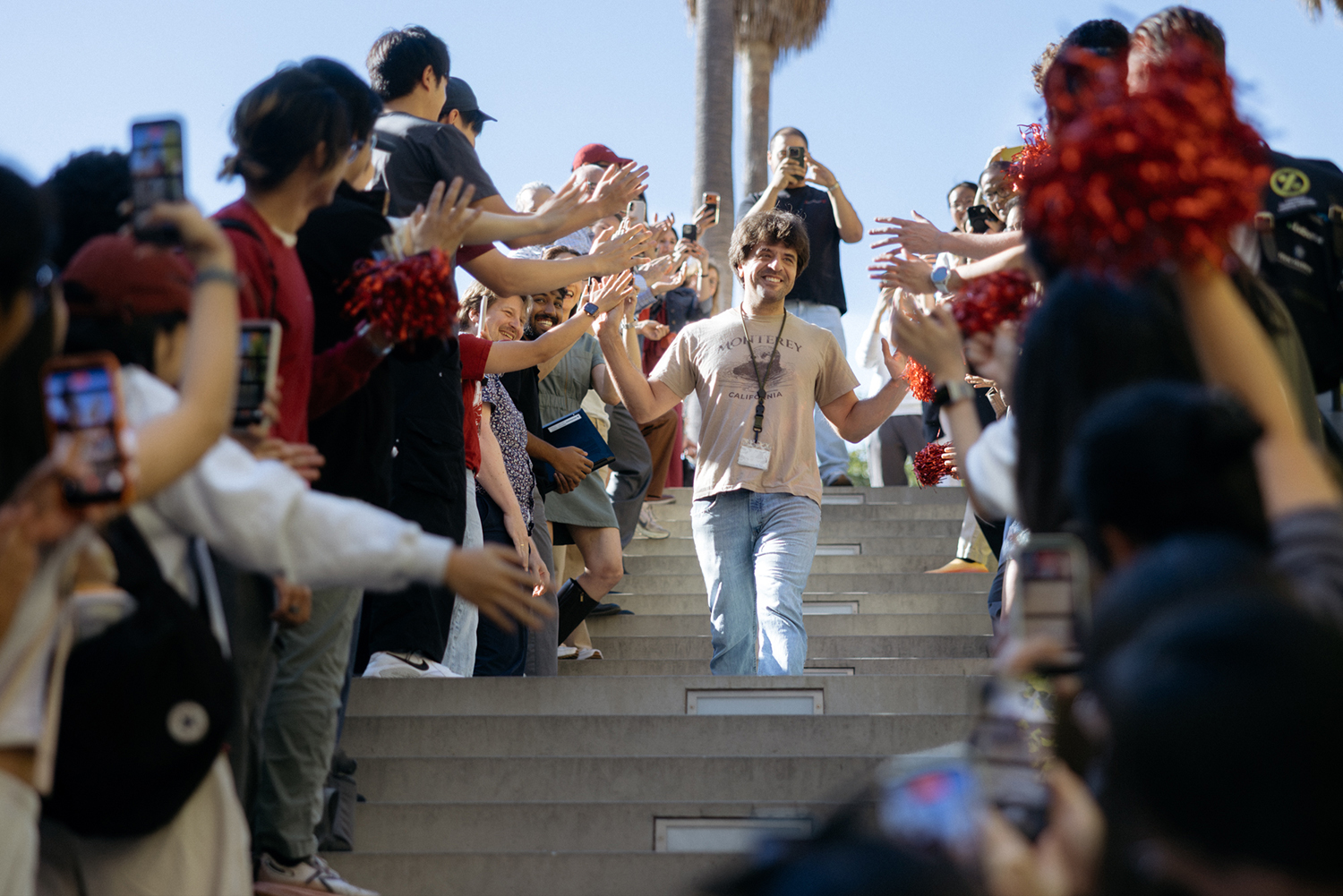
Karl Deisseroth exchanges high-fives with well-wishers. | Andrew Brodhead
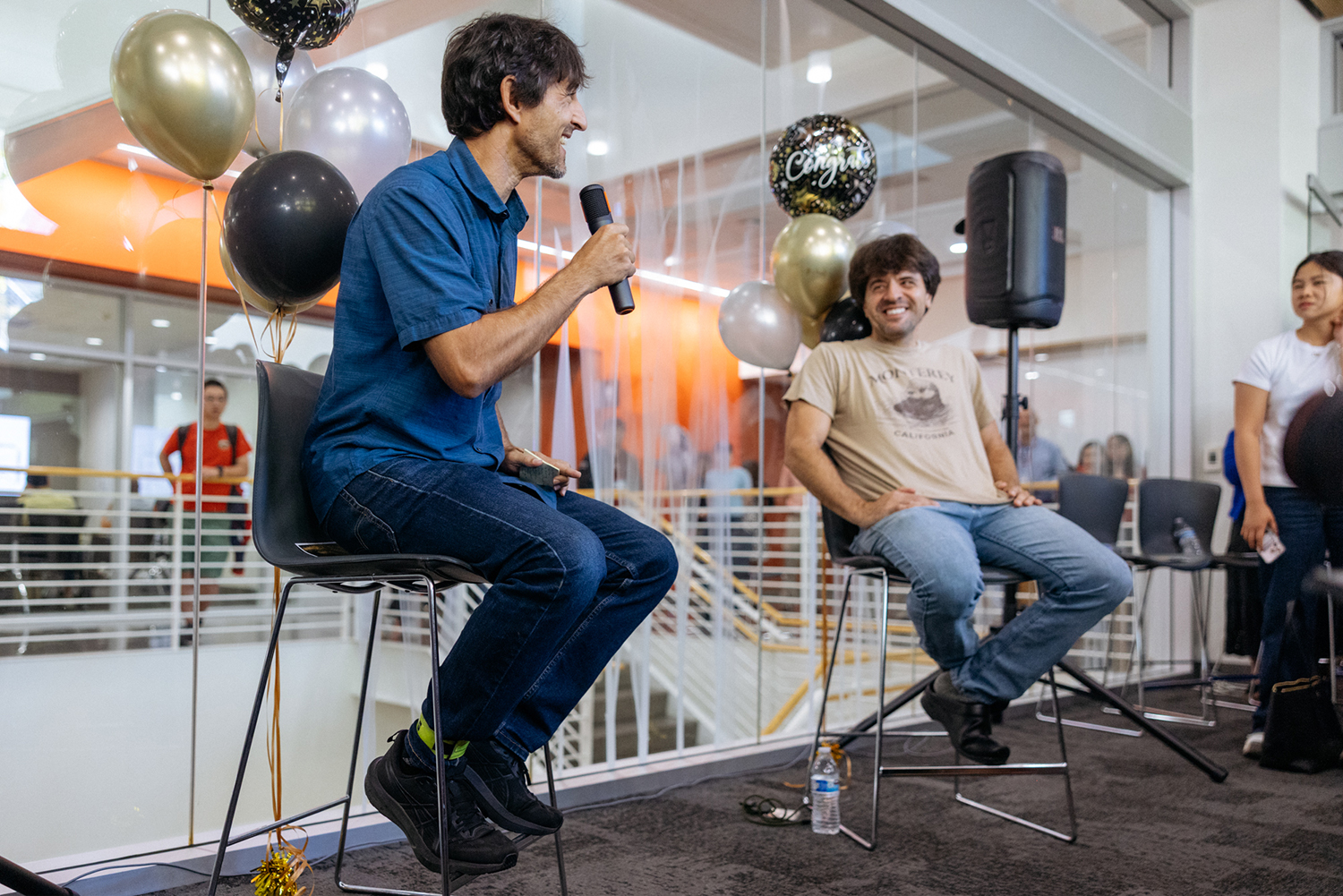
Deisseroth shares a lighthearted moment onstage with Ross Venook, senior lecturer in bioengineering. | Andrew Brodhead
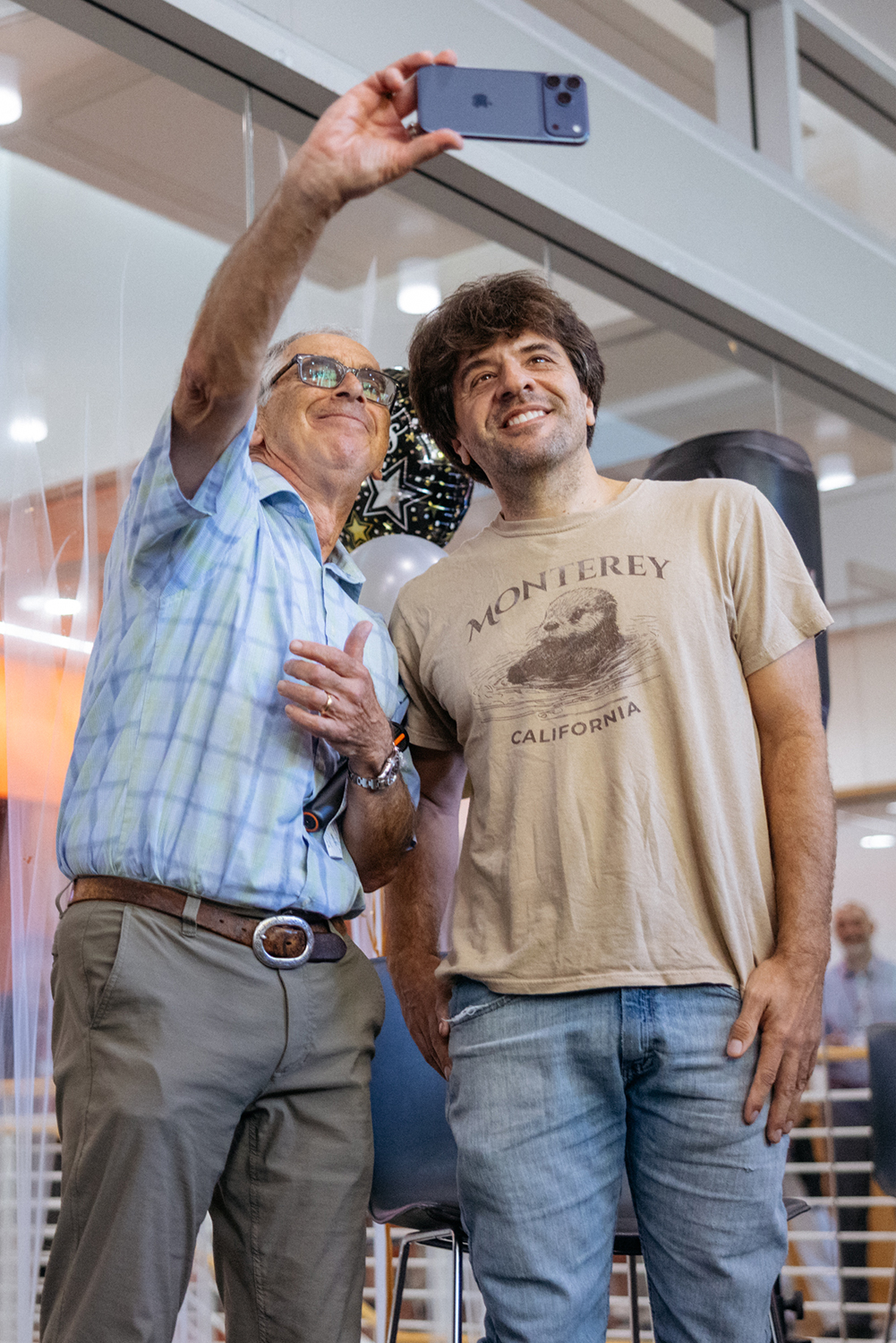
Deisseroth poses with bioengineering professor Russ Altman. | Andrew Brodhead
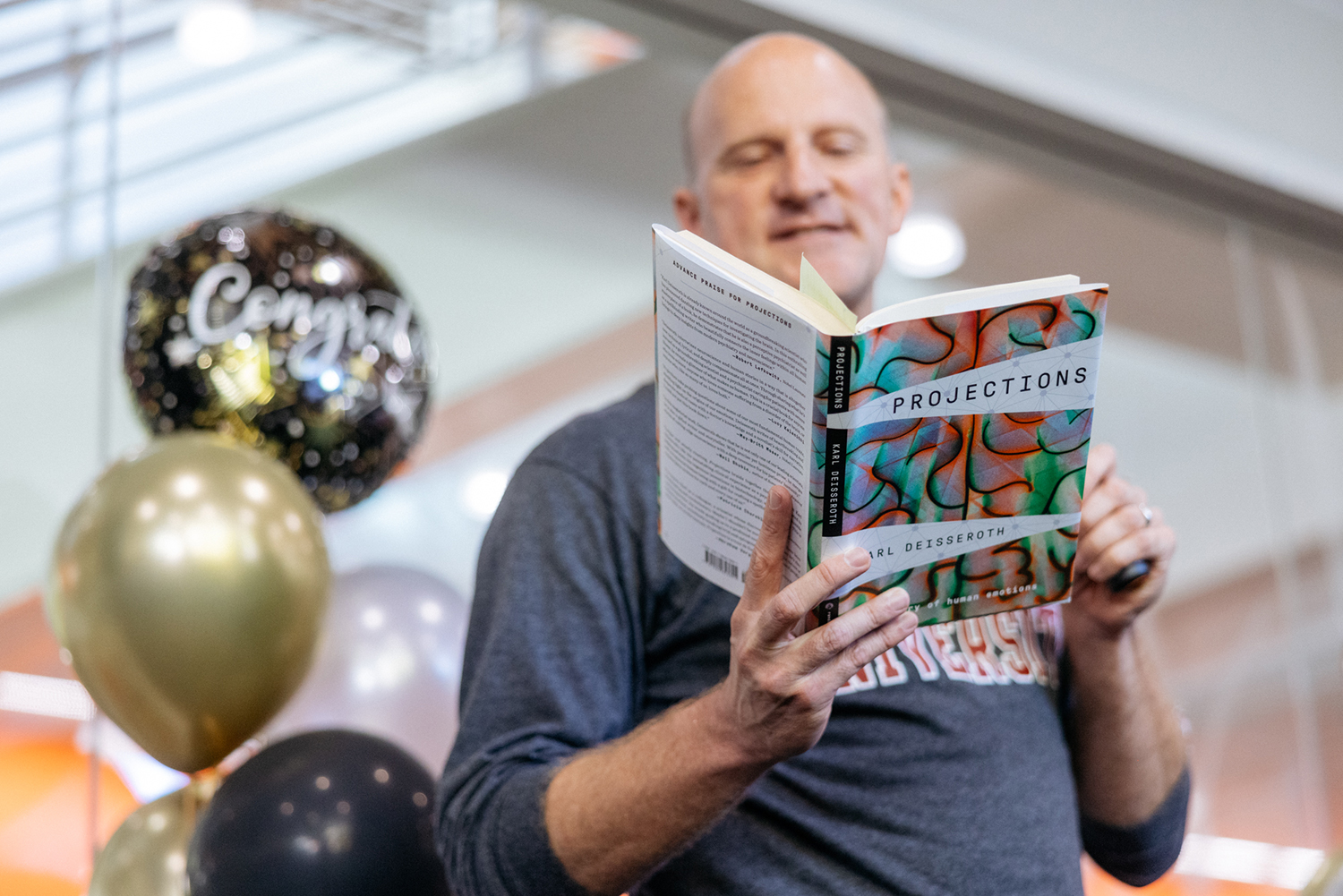
Bioengineering chair Markus Covert reads from Deisseroth’s book Projections during the gathering. | Andrew Brodhead
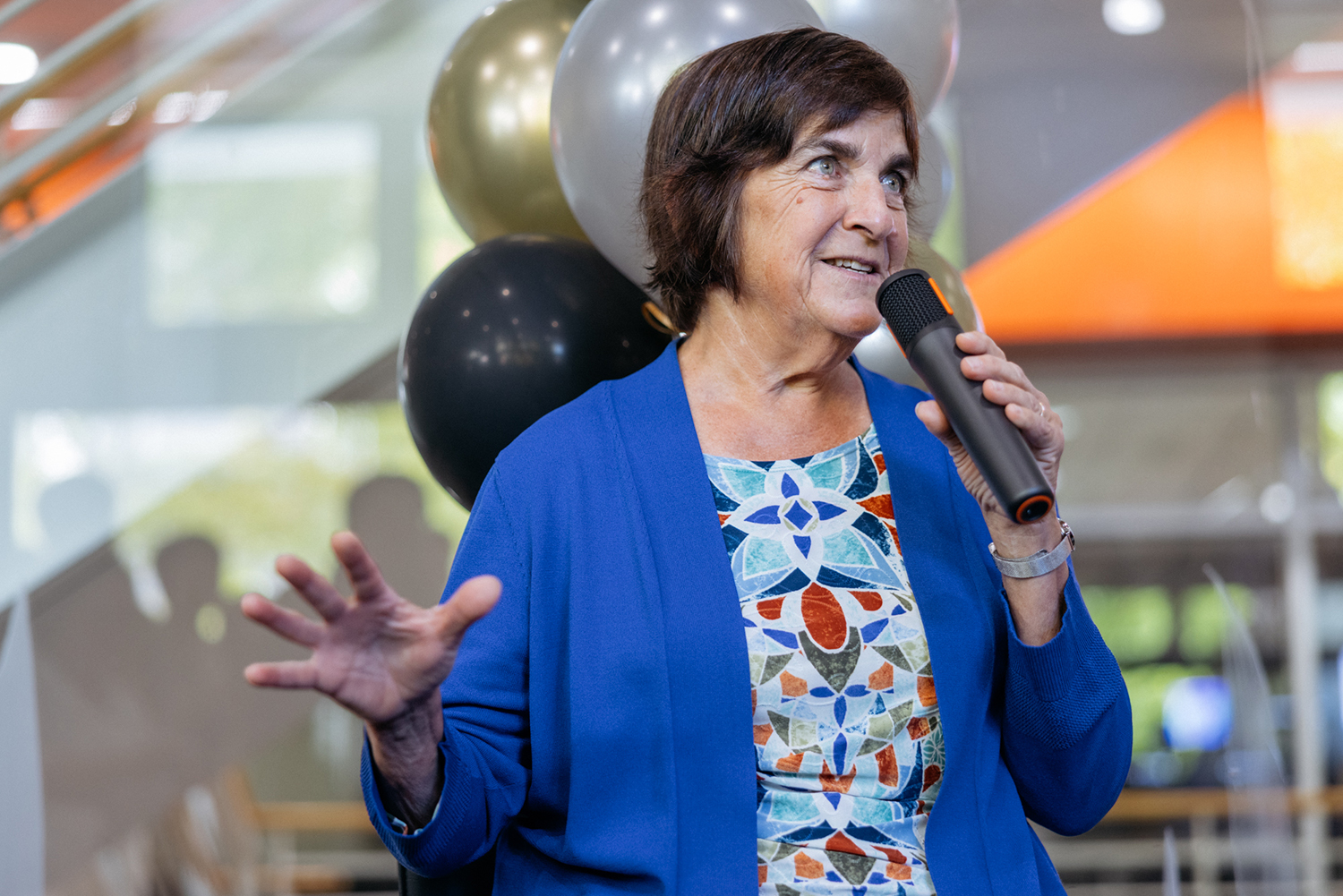
Jennifer Widom, dean of the Stanford School of Engineering, offers her congratulations. | Andrew Brodhead
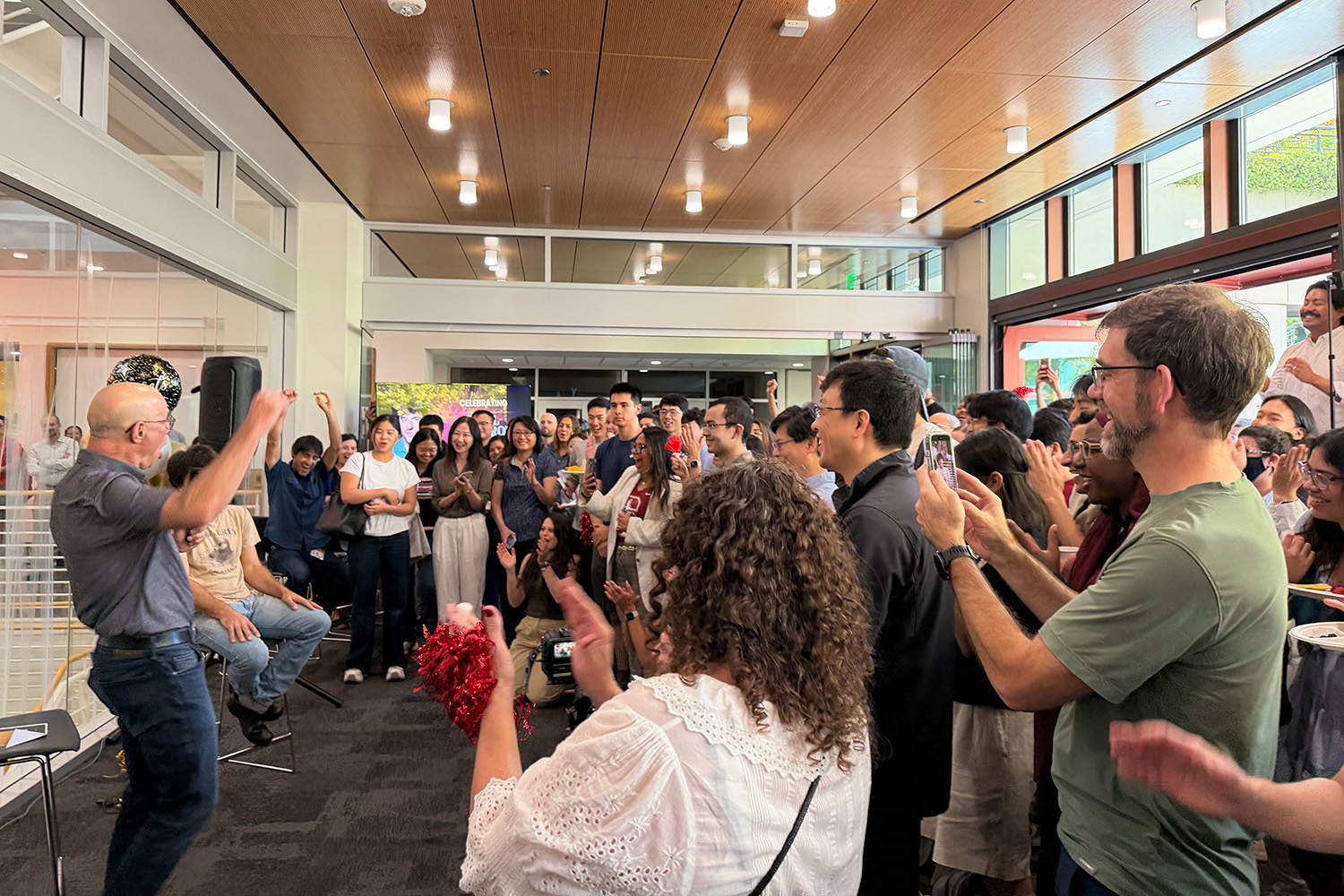
Bioengineering professor Scott Delp leads colleagues in a cheer for Stanford’s newest Nobel laureate. | Marly LeSene
Writer
Nina Bai