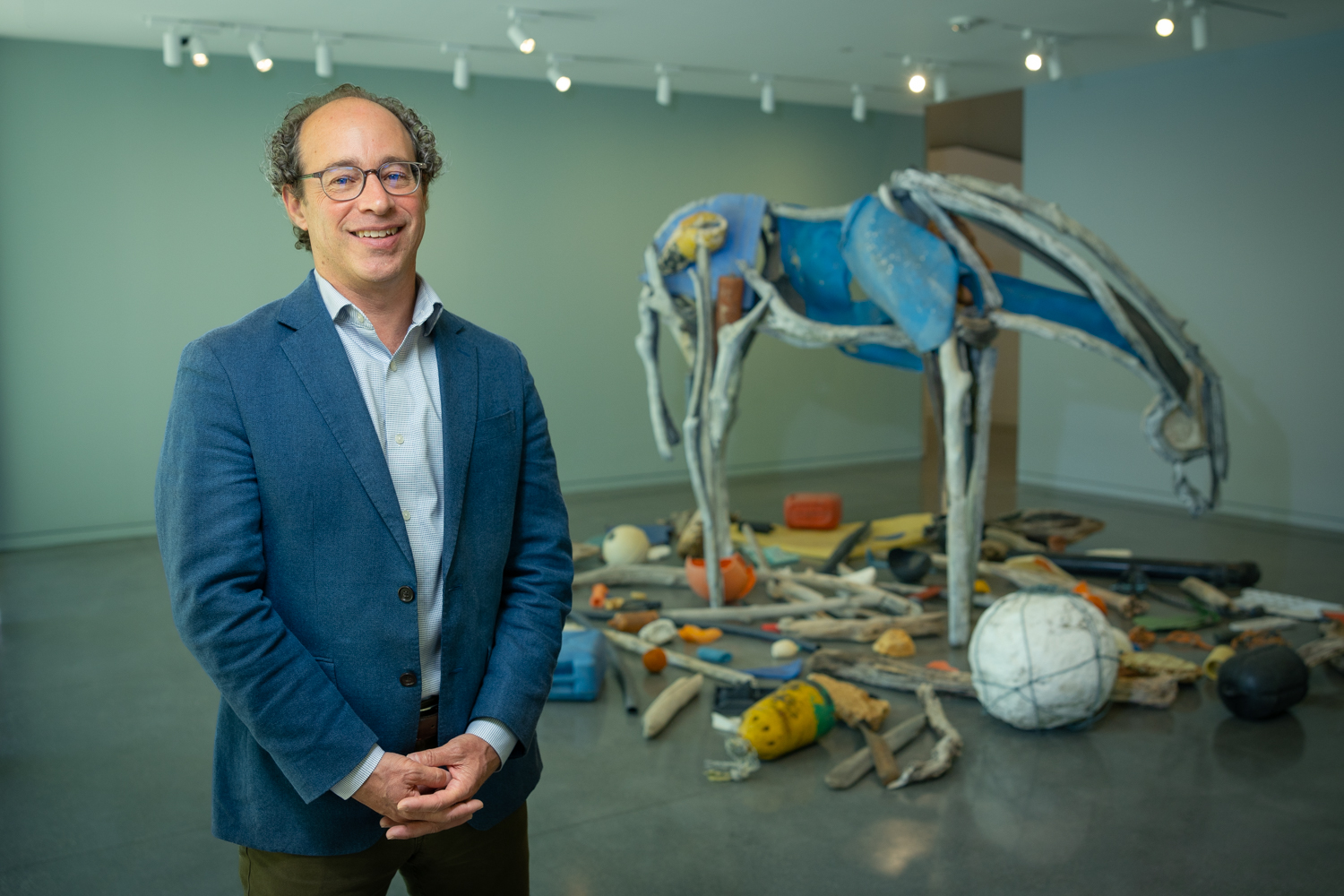
Jason Linetzky’s path to the Anderson Collection began long before the museum opened.
He grew up in Park Forest, Illinois, in a family attuned to art, objects, and materials; his mother worked in the paint industry, his father dealt in antiques. Linetzky went on to spend more than a decade working closely with the Anderson family as curator and manager of their private art collection before becoming the museum’s founding director in 2014.
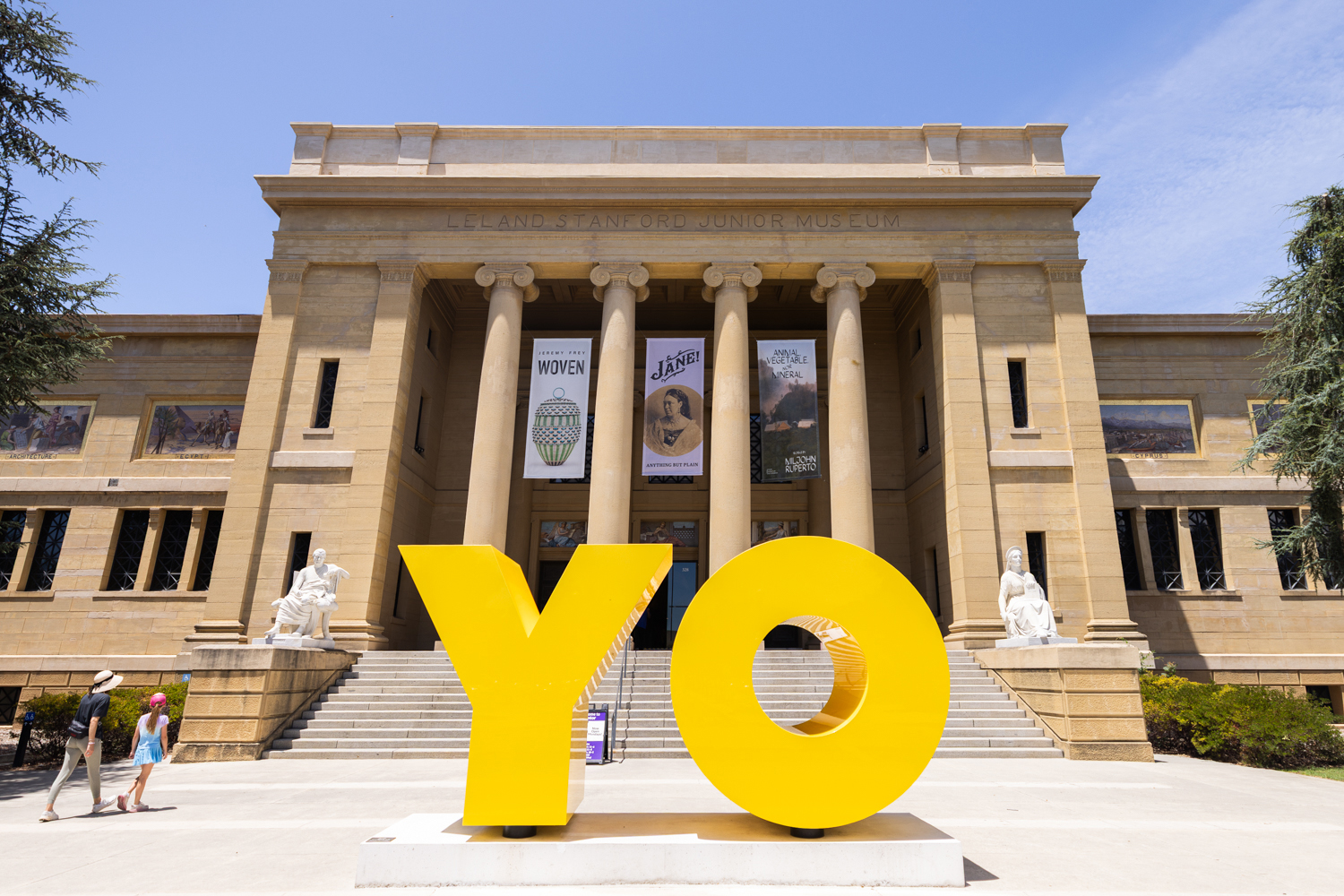
The Anderson Collection at Stanford University was born of a gift from Bay Area residents Harry W. and Mary Margaret Anderson and Mary Patricia Anderson Pence, who built the collection over five decades. It now features 148 permanent works and a rotating program of exhibitions.
Linetzky steps down from his role on July 8. Anne Shulock, assistant vice president for the arts, will serve as interim director during the search for his successor.
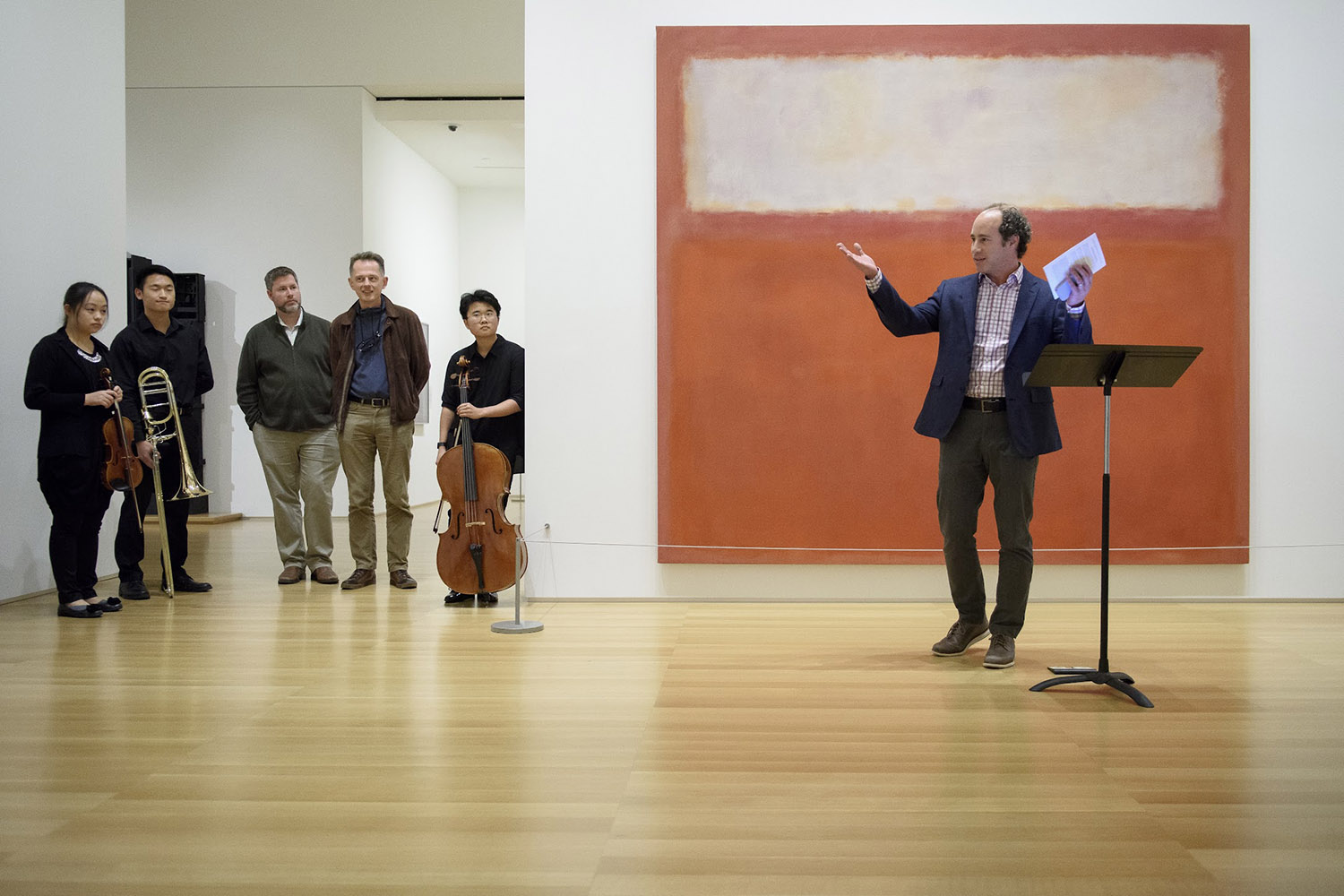
Jason Linetzky introduces a public program in the Anderson Collection galleries featuring student musicians in a class taught by Jaroslaw Kapuscinski. | Linda A. Cicero / Stanford News
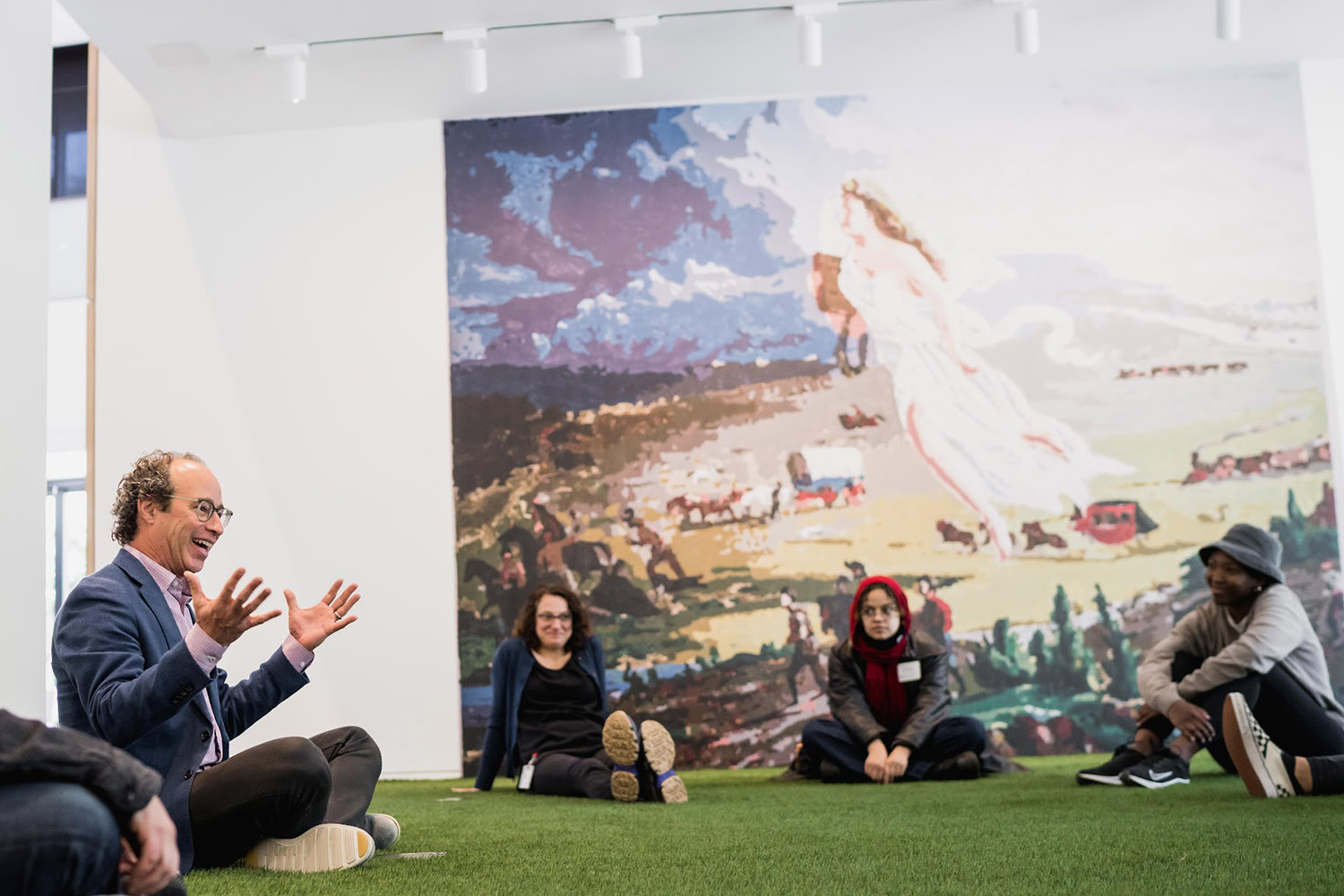
A class meets with artist Wendy Red Star in her “American Progress” exhibition in the Wisch Family Gallery at the Anderson Collection. | Harrison Truong
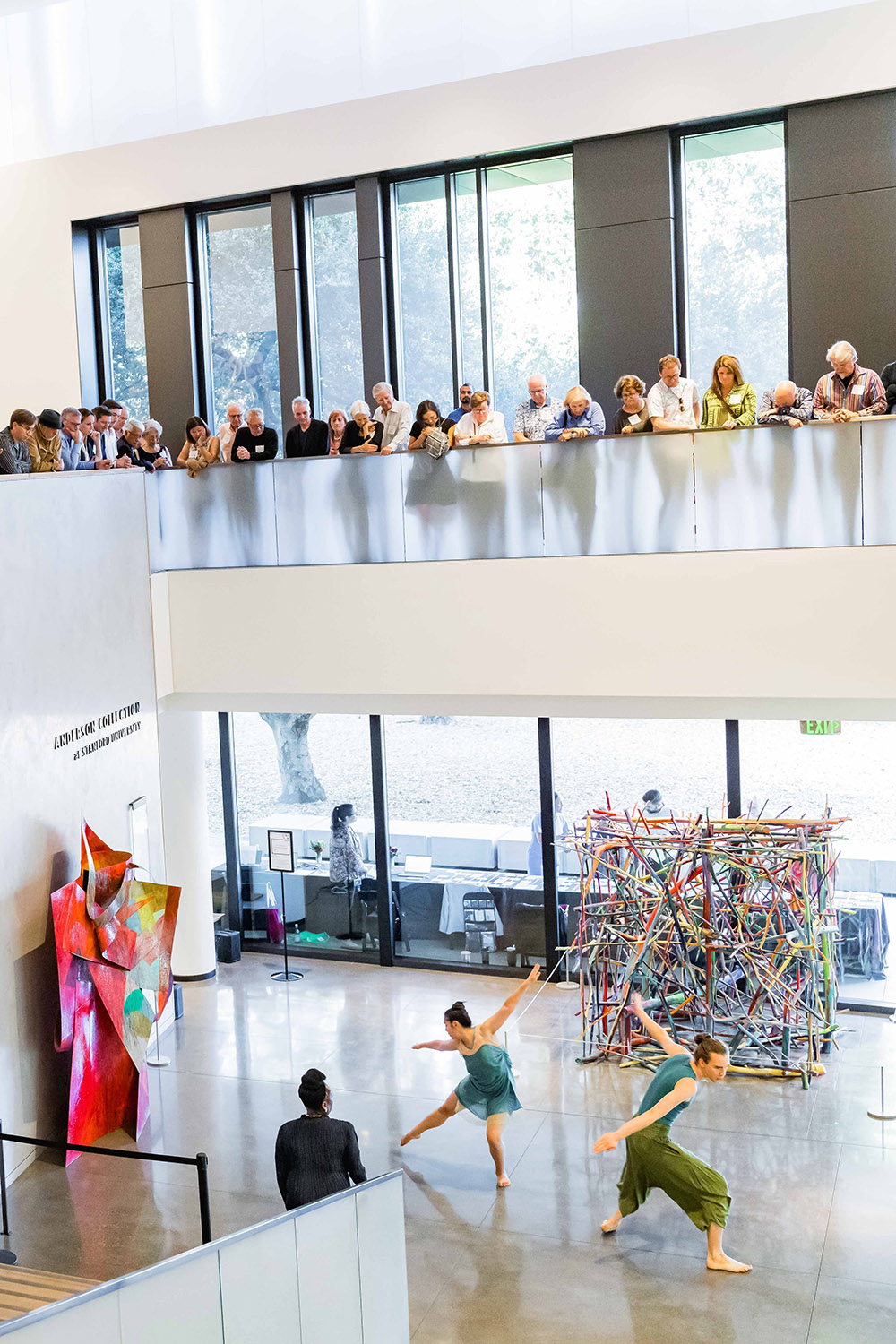
The dance group Chocolate Heads Movement Band performs in the Anderson Collection as part of the art museum’s 10th anniversary celebration. | Harrison Truong
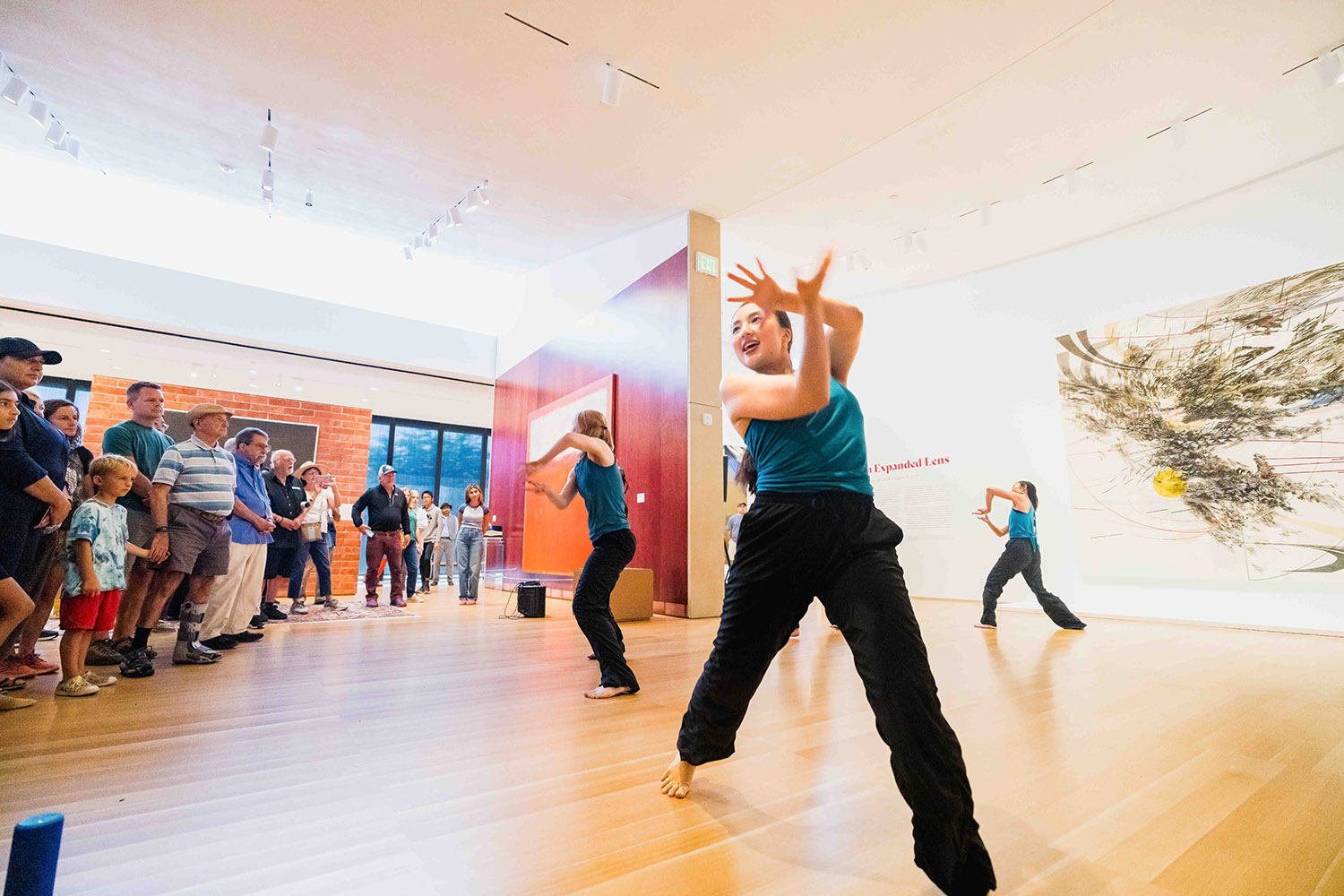
The dance group Innovative Styles performs for the 10th anniversary celebration. | Harrison Truong
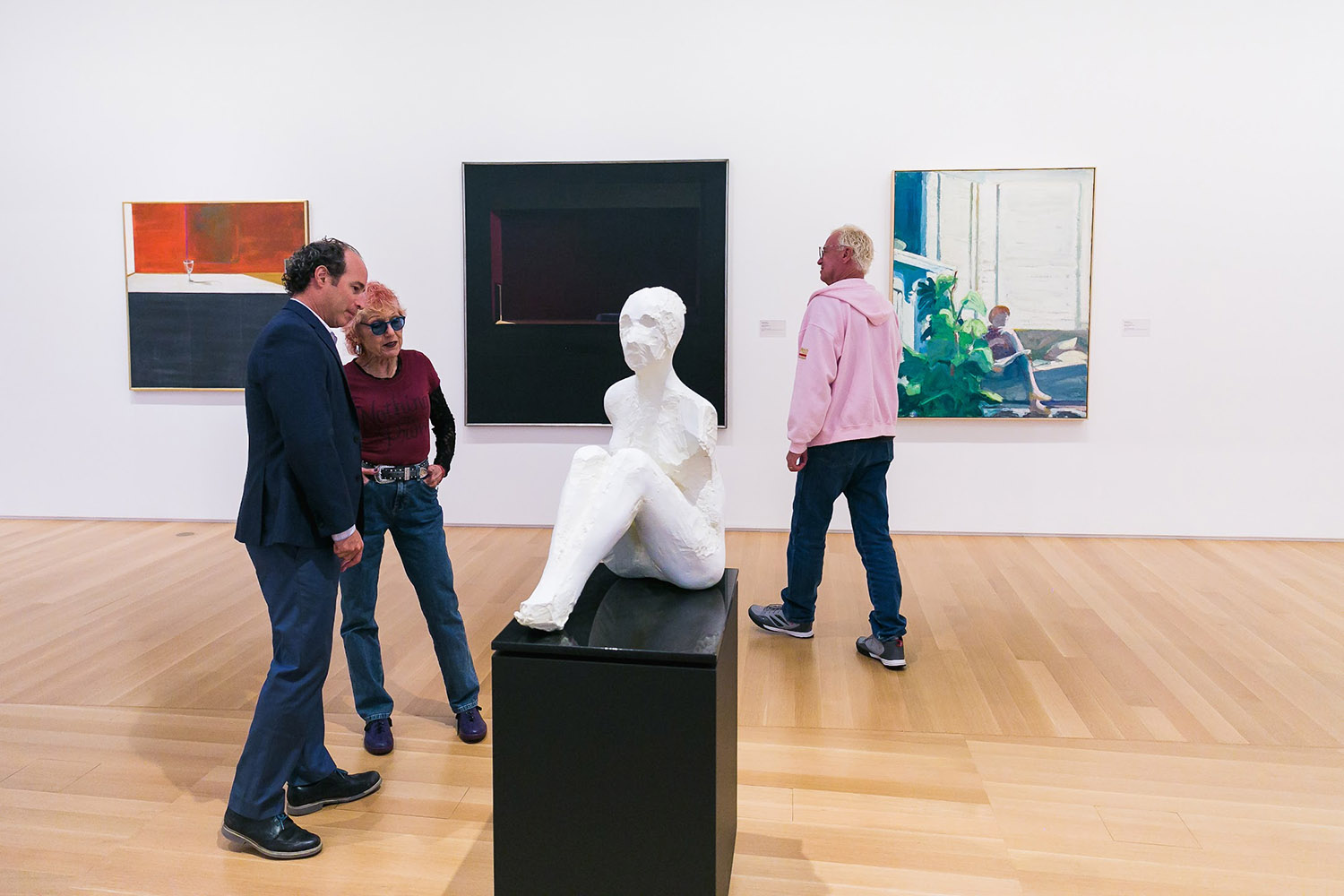
Artist Judy Chicago tours the Anderson Collection with Linetzky prior to delivering her 2018 McMurtry Lecture at Bing Concert Hall. | Harrison Truong
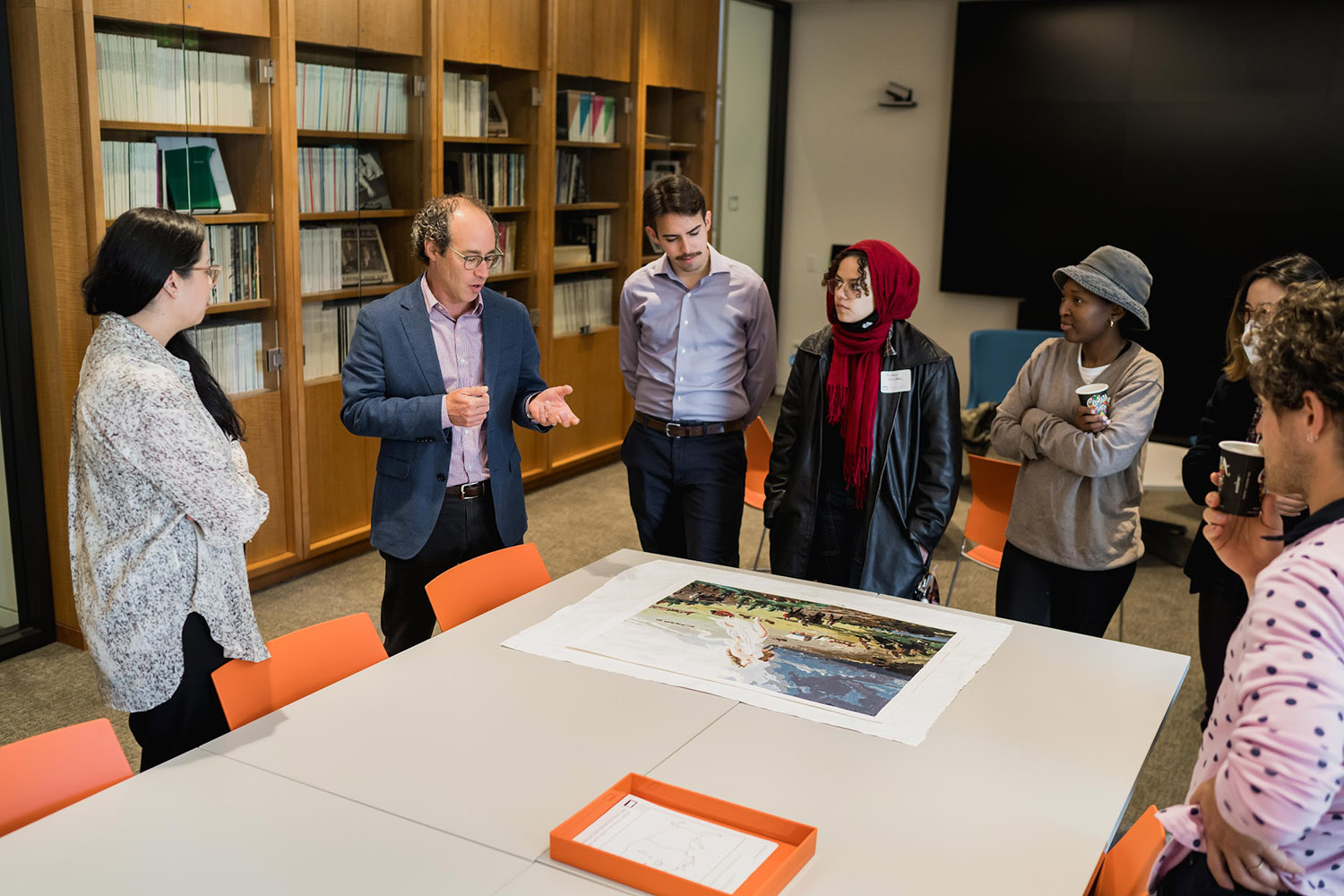
Artist and McMurtry Lecturer Wendy Red Star, Linetzky, and Stanford students discuss the paint-by-numbers version of “American Progress” they created for Red Star’s 2022 exhibition at the Anderson. | Harrison Truong
Ahead of his departure, Linetzky talked about activating spaces, collaborating across disciplines, and why, in an increasingly digital world, the artist’s hand still matters.
How have the museum and the arts at Stanford evolved over the last 12 years?
The Anderson Collection at Stanford came on as part of what was then called the Arts District and the Arts Initiative. There was a huge sense of potential and possibility for the arts in terms of new collections, facilities, and people coming to campus. The physical landscape of campus has changed quite dramatically since then, with the addition of Bing Concert Hall, the McMurtry Building for the Department of Art and Art History, and other arts spaces. And the Anderson itself is now a home for engaging with a world-class collection of modern and contemporary American painting and sculpture – one that is truly special and unique. It offers people a chance to encounter a collection in an architectural space that invites contemplation, community, reflection, and shared experience. The sense of possibility that existed then still feels present and alive now.
What’s special about a university art museum?
We have worked hard to bring student voices as co-curators and co-creators into the work that we do. Students have been involved in creating programs like the recent Soirée Cardinale event that brought hundreds of students to the museum to activate it in a way that felt meaningful to them.
What I think is really special to the Anderson is the interdisciplinary approach we can take toward storytelling, exhibitions, and art making. This is particularly important for students because I see it opening their eyes to just how many possibilities there are. We’ve worked with the Department of Physics, Creative Writing, Theater and Performance Studies (TAPS), the Department of Music, and others. An example right now is the Erika Chong Shuch 1,000 Ways to Hold exhibition, which I hope sets the bar for all the great opportunities for collaboration across departments on campus.
Art that combines concept and craft has been a constant from the original gift to the most recent exhibitions. How have you thought about this emphasis on “the head and the hands,” as the Andersons put it, in a region shaped by digital technologies?
I think that core to life in some ways is this merging of the head and the hands, or the qualities of concept and craftsmanship. Technology is a tool, like a pencil or a ruler is a tool, not the end in itself.
My hope is that the object, the artist, and their hand in making these works remain central to the experience of the collection, and that technology is used in the service of storytelling, of building connections, of creating community. That the making of art and exhibitions benefits from technological innovation, but core to this is a human-centered approach prioritizing the hand of the maker and the community experiencing it.
Can you share a memorable moment?
There was a moment in the beginning that helped set the tone for the things we did. Aleta Hayes, who is in the dance division in TAPS, had come to me with great excitement around creating a dance performance for the opening of the museum. At the time, I was so focused on bringing this building to life, installing the collection, and creating policies so that the artworks would be safe and secure in the building, and Aleta was proposing to bring in student performers from the Chocolate Heads Movement Band to dance and jump and run through the space. I was like, “No way, Aleta! We can’t do it – I need to get things on the wall, put labels up, and get the lights on!”
She told me, it’s going to be OK, we can do it, we’ll work together. And she was exactly right. It turned out to be an amazing program that activated the space in a way we didn’t anticipate happening so quickly. It really laid the groundwork for so much of the engagement that followed.
What do you hope your legacy will be? What advice do you have for your successor?
I hope my legacy will include having helped shape a space of invitation, welcome, and an openness to collaboration as well as shared storytelling. I also hope my legacy supports a culture of nimbleness at the museum in that we take opportunities to plan far out into the future, while also being responsive to the moment and opportunities to bring campus partners, artists, and students into really inspiring projects.
A piece of advice to my successor would be to truly soak in the collection, unique architectural space, and dynamic programming, to understand the spirit and relationships that went into shaping them, and to connect and listen closely to the incredible Anderson team and partners on the Stanford campus. And to invite opportunities to explore the many ways one can tell the story of contemporary and modern American art and artists.
Writer
Olivia Peterkin