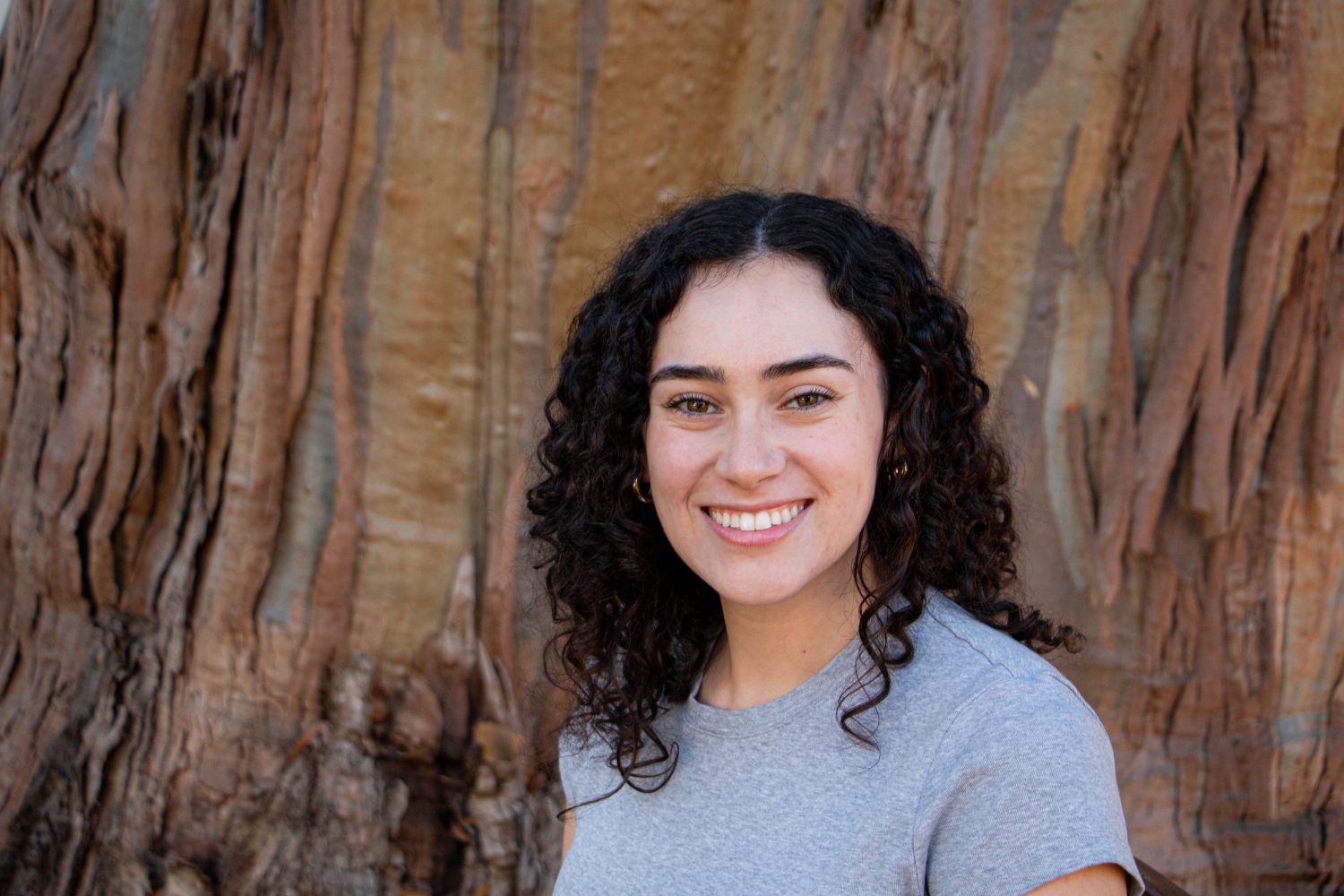
Growing up in Bakersfield, Angela Mata-Williams observed a troubling situation in California’s Central Valley: the farmworkers who harvested fresh produce often couldn’t access the healthy food they grew, leading to significant health challenges in her community.
“Why aren’t the crops we’re picking making it to our plates, while others are literally enjoying the fruits of our labor?” she wondered.
That question now drives the Stanford junior’s commitment to addressing health disparities in both California’s Central Valley and rural Oklahoma, home to her tribe, the Citizen Potawatomi Nation. Both regions rely heavily on agriculture and face similar health inequities.
The human biology major is one of 55 students nationwide to receive a 2026 Truman Scholarship from the Harry S. Truman Foundation, which provides recipients up to $30,000 for graduate study toward careers in public service. Mata-Williams hopes to gain experience in federal policymaking by working for the USDA’s Office of Tribal Relations during the Truman Summer Institute.
For Mata-Williams, the merit-based recognition carries special meaning. “It validates my work and me as a person,” she said. “It means so much to my community and my family.”
Mata-Williams’ personal background has steadily shaped her academic and service experience at Stanford. Following her first year, she pursued an internship through the Community Service Work-Study program with Cirugía Sin Fronteras (Surgery Without Borders), a nonprofit in her hometown that provides health care to low-income patients. She provided health care pamphlets and verbal support to farmworkers.
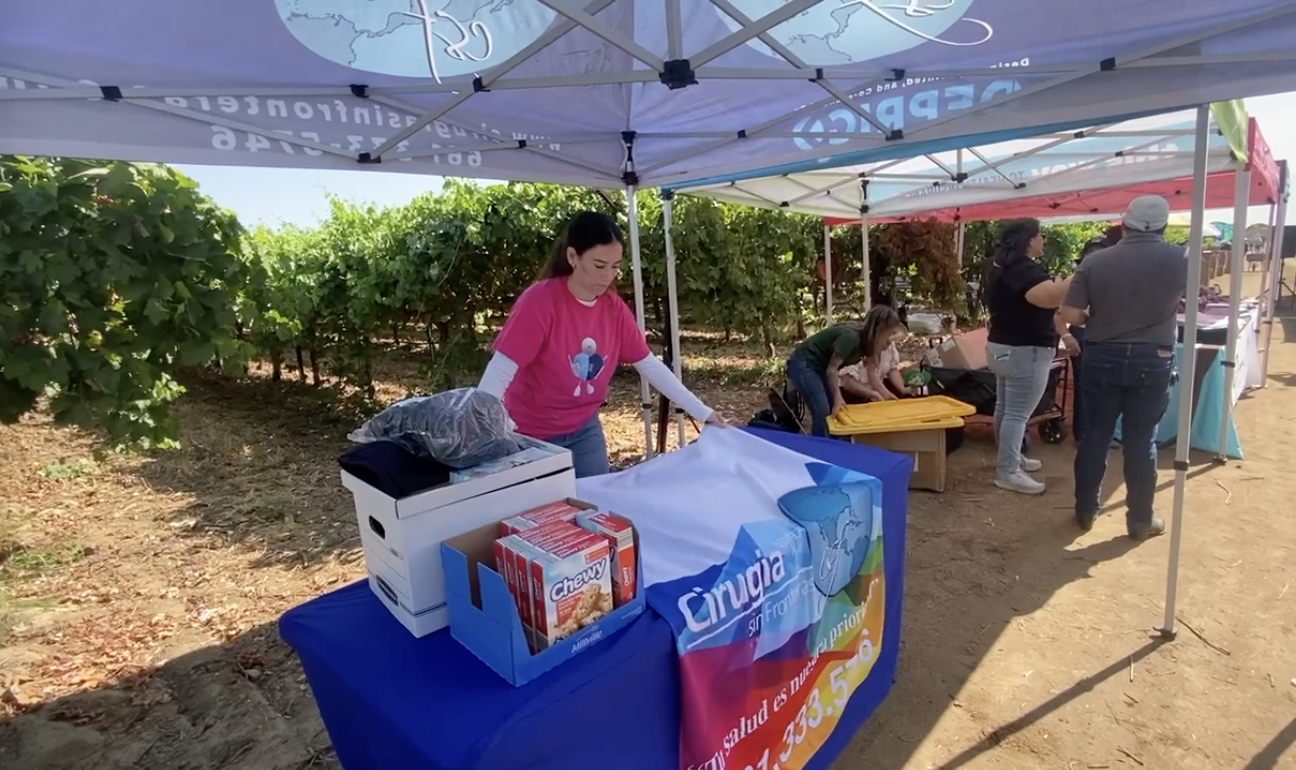
Angela working with Cirugía Sin Fronteras in the grape fields in Lamont, California, roughly 20 mins from Bakersfield. | Courtesy Angela Mata-Williams
One interaction from this experience stayed with her: a worker quietly shared a health concern that he had not sought care for. “He never would have come to anyone about it if we had not lowered that barrier for him,” she recalled.
Mata-Williams now serves as the lead peer advisor for the Community Service Work-Study program at the Haas Center for Public Service, advising students on public service internships. She has also pursued community-engaged research aligned with her long-term focus on health equity. She was one of eight students in Harvard Medical School’s Medical Pathways for Advancing Tribal Healthcare (M-PATH) program, where she researched the health implications of food deserts on Indigenous communities.
Following this experience, Mata-Williams saw an opportunity to create a pathway connecting Stanford’s resources to local Indigenous high school students, leading her to found Indigenous Readiness in STEM and Education (IRISE). She partnered with three other student organizations – American Indian Science and Engineering Society, the Society of Latine Engineers, and Stanford American Indian Organization – and the Native American Studies program to expand access to higher education through workshops.
“After participating in Harvard’s tribal health care program, I realized Stanford has so many resources,” she said. “Let’s get them to the students of the Bay Area.”
Mata-Williams’ leadership extends across Stanford’s Native community. She serves as co-chair of Stanford Powwow, the largest student-organized Powwow in the United States, where she helps coordinate the annual event that draws thousands of attendees. She also managed social media and the website for the Native American Cultural Center, where she boosted engagement through student spotlights during Native American Heritage Month and organized a free professional headshot event serving more than 50 students.
After graduation, Mata-Williams plans to pursue both MD and Master of Public Policy degrees. She sees the two credentials as complementary tools for addressing health disparities at multiple levels.
“As an Indigenous and Hispanic woman, I need and want the medical expertise to work on the ground with my communities, understanding what is affecting their day-to-day health from a physician’s perspective,” she said. “That on-the-ground service work can then inform legislation – I can take it with me into policy work.”
The right policies, she said, can lighten physicians’ loads; interventions such as healthy food access and community-level care can prevent chronic illness before they require treatment.
Ten years from now, Mata-Williams hopes to be a practicing physician, starting in Oklahoma with the Citizen Potawatomi Nation and eventually returning to Bakersfield as a primary care physician focused on holistic care.
How will she manage the demanding dual-degree path while maintaining her commitment to community service? “This is my passion, and I really want to focus on prevention,” she said. “Just as I have with all of my undergraduate activities, I’ll find a way to fit it all in.”
Mata-Williams also hopes her recognition will encourage more students to apply for the award. “Not many students I know were aware of the Truman Scholarship,” she said. “Next year, I want to be an advocate for it. This opportunity is incredible.”
Writer
Virginia Bock