A Stanford Medicine study identified an often-overlooked period of vulnerability for cancer survivors: Mental health disorders identified two to five years after a cancer diagnosis were associated with a 119% higher rate of death from cancer compared with patients without documented mental disorders during the same period.
Published in the Journal of the National Cancer Institute, the study analyzed data from 22,281 UK Biobank participants diagnosed with cancer over a median follow-up of more than five years. Researchers examined how the timing of mental health diagnoses related to cancer-specific survival. The strongest association appeared two to five years after cancer diagnosis, a pattern seen across major cancer types, including breast, prostate, lung, and lymphoma, with colorectal cancer showing a similar rate in the first year.
The findings do not establish that mental illness causes cancer progression or explain how cancer may contribute to mental disorders. Instead, mental health diagnoses may help identify patients experiencing psychological distress, treatment complications, barriers to care, or other challenges associated with poorer survival. Gaps in ongoing support could be one contributor, the researchers say.
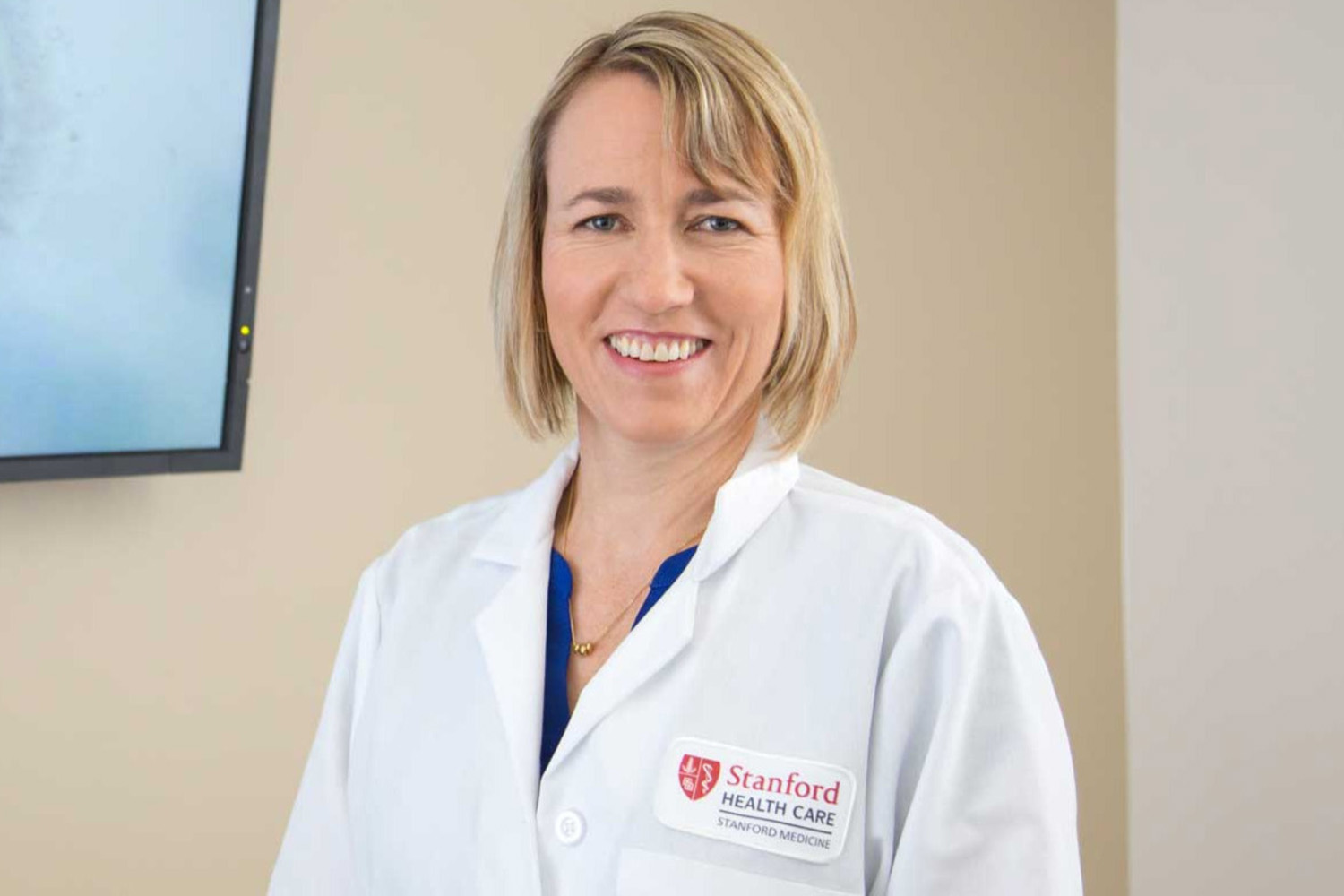
The study underscores the need to make routine mental health screening and comprehensive support part of cancer care well into survivorship. We spoke with lead author Mingyi Li, a doctoral candidate at the time, and senior author Melissa Bondy, PhD, chair of epidemiology and population health and associate director for population sciences at the Stanford Cancer Institute, about the findings and what they could mean for patients.
What inspired this study into mental health and cancer outcomes?
Li: During my undergraduate studies in human biology, I developed a strong interest in psychology. When I began my PhD research in oncology, I wanted to explore how mental health and cancer outcomes intersect. Our literature review revealed that over 38% of cancer patients experience mental health disorders – more than double the risk seen in the general population, which is around 15%.
Despite how common these issues are, mental health problems are easily overshadowed by active cancer treatments and frequently go untreated. Because existing studies on how mental health influences survival had mixed findings, we saw a critical need to evaluate this across the full continuum of cancer care.
What might explain how mental disorders influence cancer mortality?
Li: Our study wasn’t designed to test specific mechanisms, but there are several plausible behavioral and biological pathways. Behaviorally, mental health disorders may impair treatment adherence, reduce engagement with oncology care, and make maintaining healthy lifestyle habits more difficult. Biologically, psychological distress can trigger the release of stress hormones, which may induce systemic inflammation and alter immune system function.
Bondy: Prior research shows that stress can alter cytokine levels and physiological stress responses. Exercise, for example, boosts endorphins and reduces stress, whereas chronic distress and elevated cytokines create biological strain. Inflammation has been linked to cancer prognosis, and these stress pathways may contribute to the association we observed.
What makes the two- to five-year period particularly vulnerable?
Li: One major factor is a drop-off in support. Qualitative interviews with health care providers show that patients interact far less frequently with their oncology teams after initial treatment ends, and support from family and friends often tapers off. It becomes ambiguous whether primary care providers or oncology teams are responsible for ongoing supportive care. People who made it into the later years after a diagnosis often had cancers that were less aggressive to begin with, which can make the role of mental health problems stand out more clearly.
Bondy: Approximately 80% of U.S. cancer patients receive care in community oncology settings rather than specialized comprehensive cancer centers. Community settings – health care environments outside of a hospital or acute care clinic – often lack dedicated psycho-oncology teams, social work resources, and structured survivorship programs. When patients transition out of active treatment, they can easily fall through the cracks without routine follow-up on psychological well-being.
How should clinicians interpret these findings without causing patients to feel blamed or stigmatized?
Li: It is essential to emphasize that our study shows an association, not direct causation. Clinicians should not imply that mental illness causes cancer progression or that patients are responsible for their outcomes. Mental health is simply an integral component of overall health. Viewing it holistically allows teams to focus on providing access to screening and compassionate care.
Bondy: Our goal as prevention scientists is to promote overall wellness. Mental health struggles, depression, or anxiety are natural responses to life stressors, financial pressures, or a life-altering diagnosis. Treating mental health is about improving quality of life and supporting the body’s resilience. Clinicians need to take time during follow-up visits to check in on patients’ holistic well-being rather than focusing solely on scans.
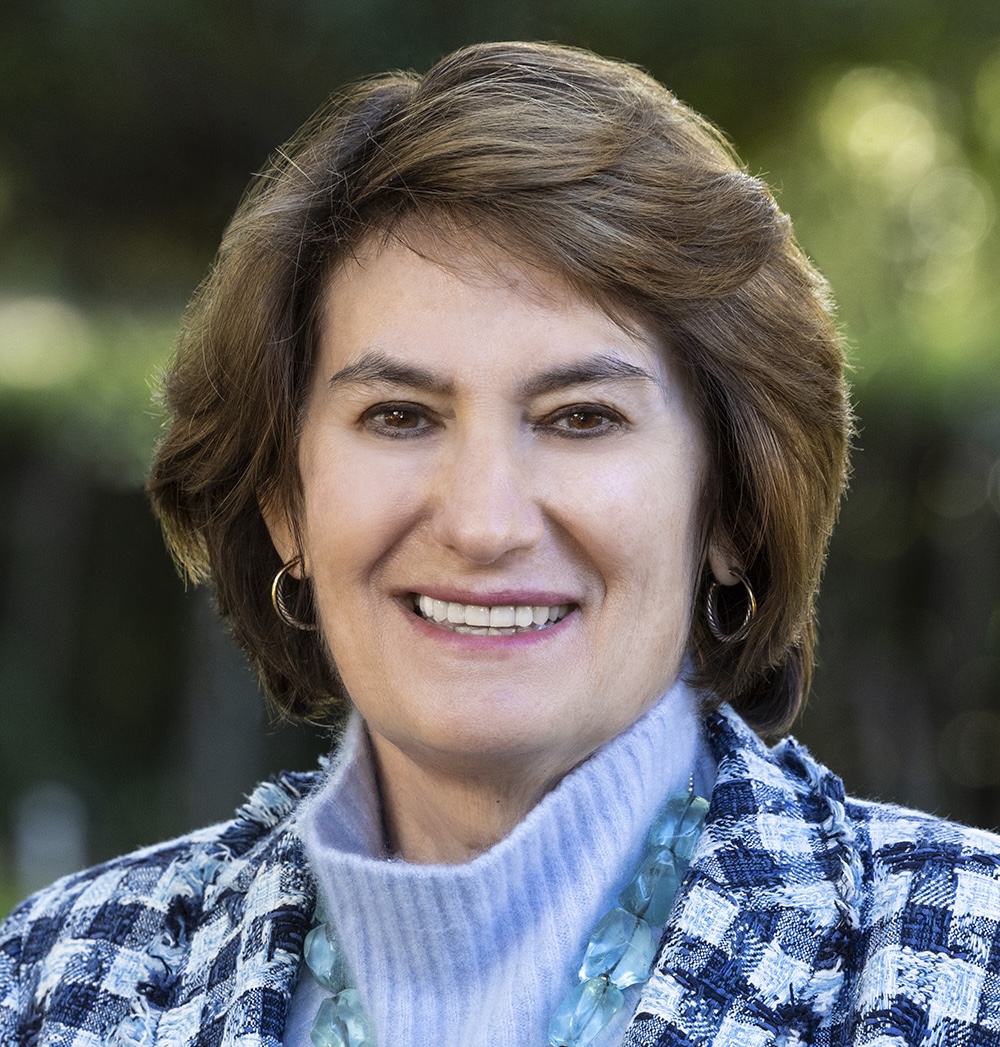
Treating mental health is about improving quality of life and supporting the body’s resilience.Melissa BondyAssociate Director for Population Sciences at the Stanford Cancer Institute
What future research or clinical interventions should follow these findings?
Li: We need research to clarify specific biological markers, treatment adherence patterns, and health behaviors during survivorship. Most importantly, we need intervention studies to determine whether integrating routine mental health screening, timely referrals, and continuous care coordination directly improve survival outcomes.
Bondy: Working with co-author David Spiegel, a pioneer in psycho-oncology, was invaluable in categorizing psychiatric conditions for this study. Designing interventions that deliver sustained, equitable mental health support for diverse patient populations – especially in community care settings – is the ultimate goal.
For more information
Spiegel, MD, is the Jack, Lulu, and Sam Willson Professor in Medicine.
This story was originally published by Stanford Medicine.
Writer
Laura Fraser