Photographs of civil rights activist Rosa Parks were recently made public after they were discovered in the archives of Stanford University Libraries. Taken during the 1965 march from Selma to Montgomery, Alabama, the images reveal a side of Parks rarely shown to the public.
After taking the photos, late photographer Matt Herron transferred the negatives to contact sheets, but they were never printed. Decades later, the sheets landed in a collection of Herron’s work at Stanford.
“These photos are a chance to go deeper into the civil rights movement and see images Herron took that weren’t selected for print, and therefore reveal stories we didn’t know about,” said Ben Stone, curator for American and British history at Stanford University Libraries.
Matt Herron
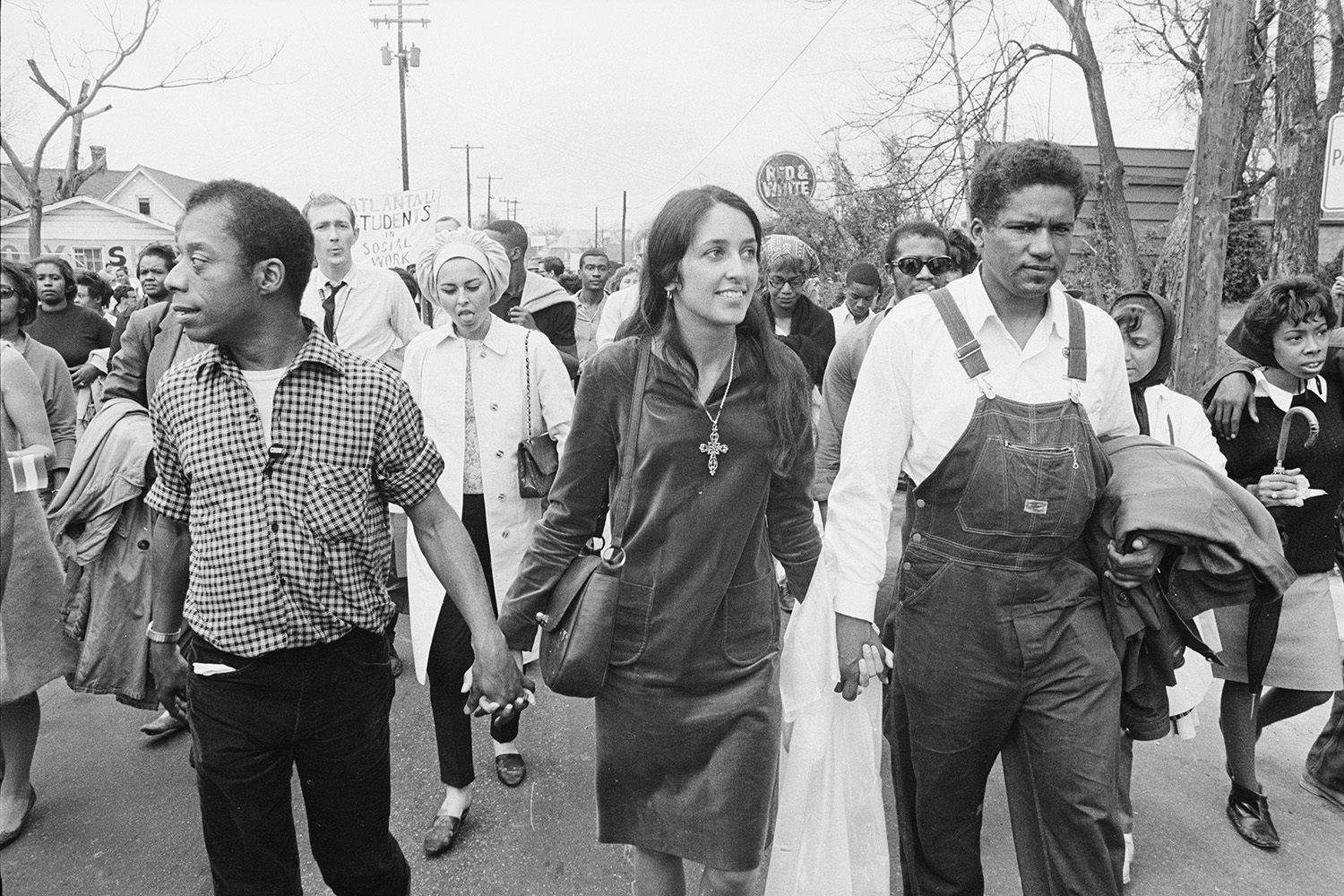
Demonstrators including James Baldwin, Joan Baez, and James Forman march from Selma to Montgomery, Alabama.
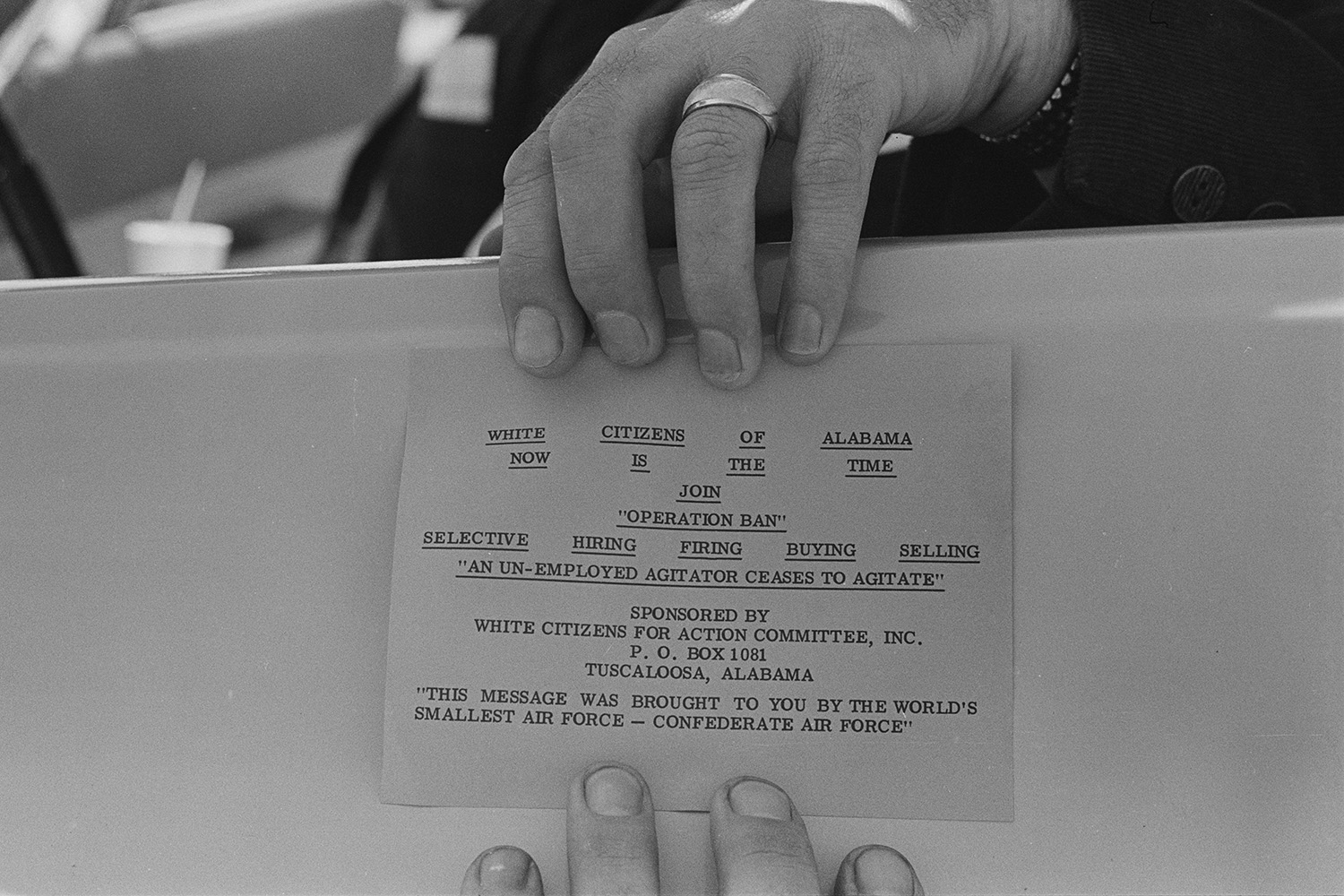
White citizens were encouraged to join the march.
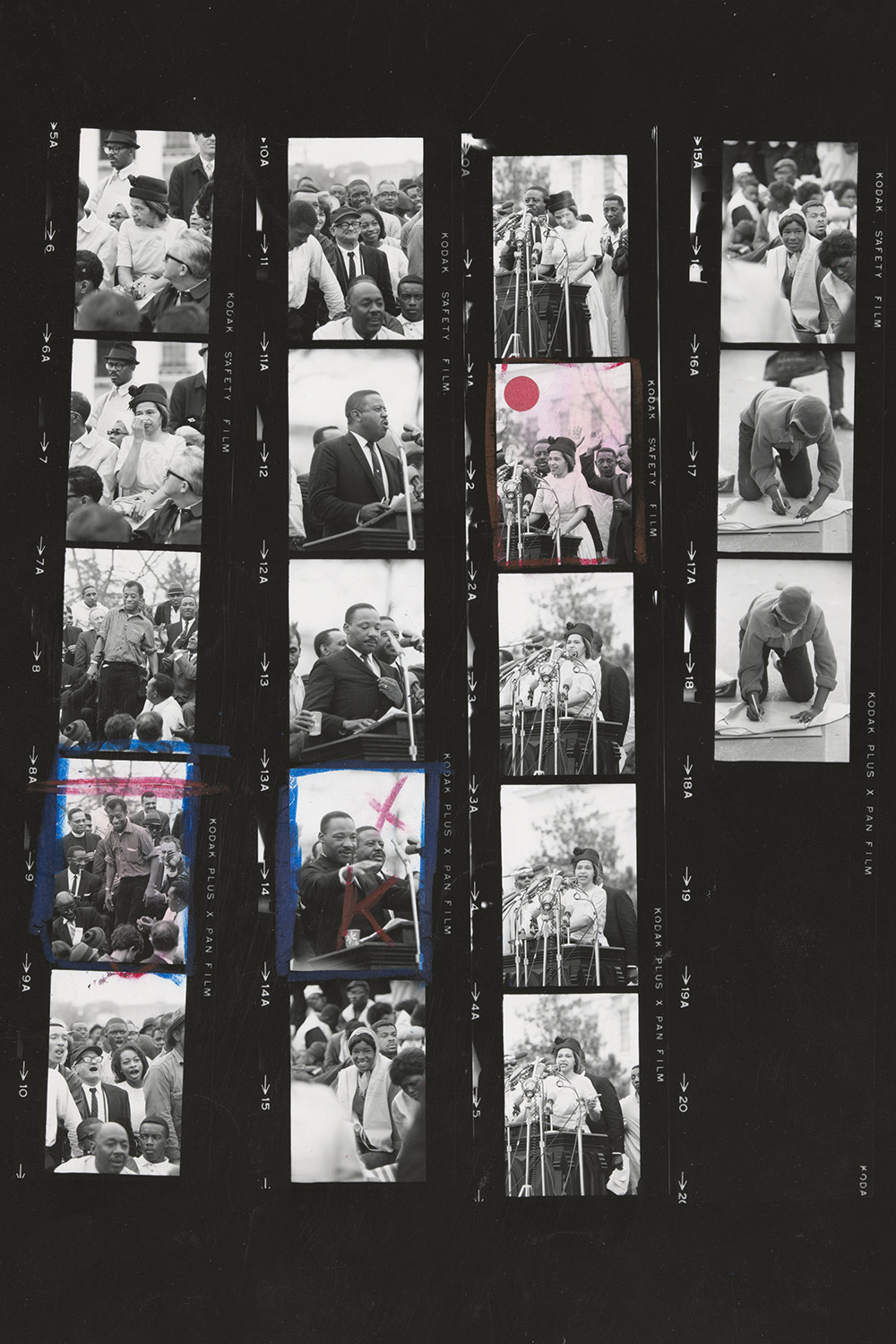
Photographer Matt Herron’s contact sheets show images of the march.
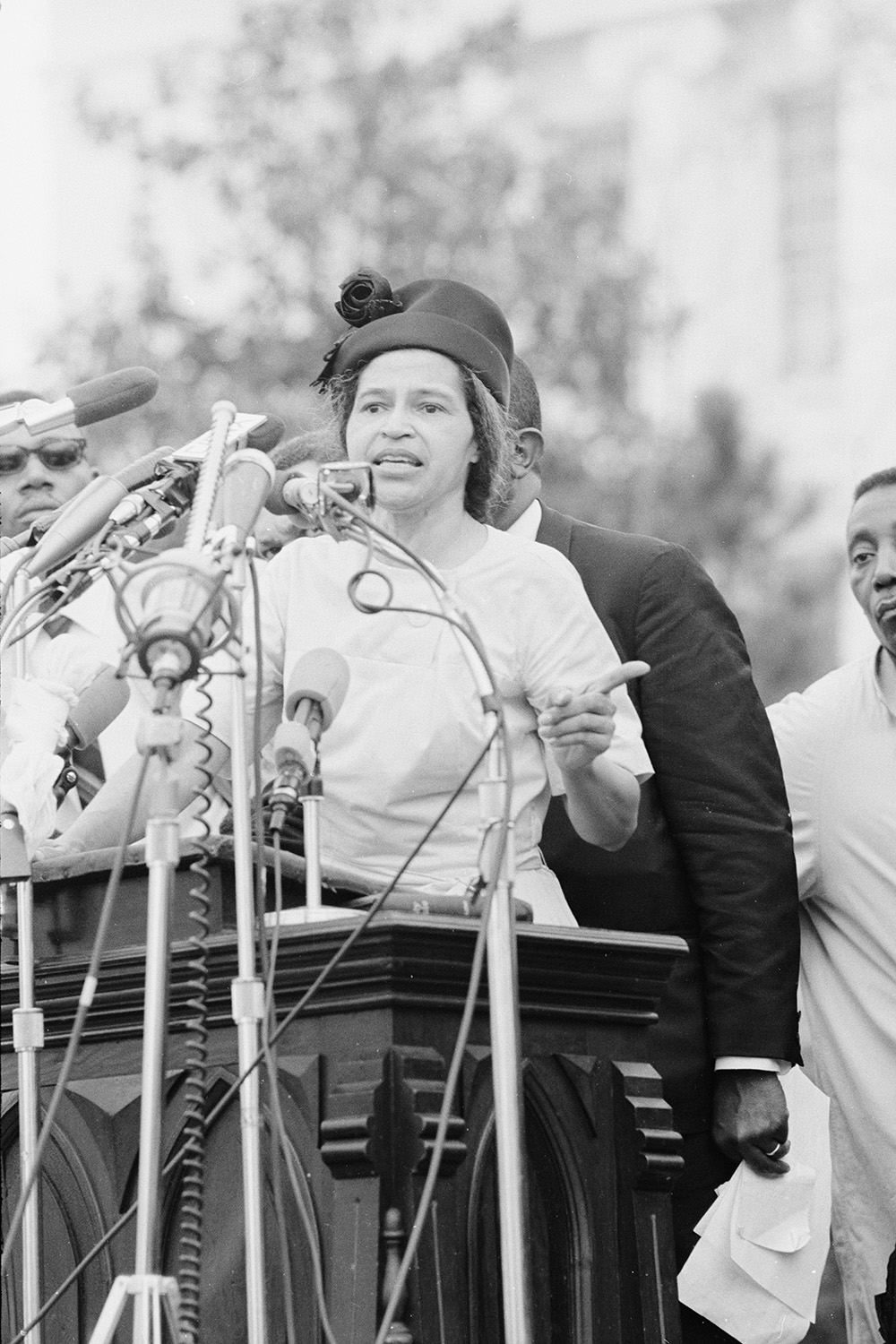
Rosa Parks speaks in front of the Alabama State Capitol.
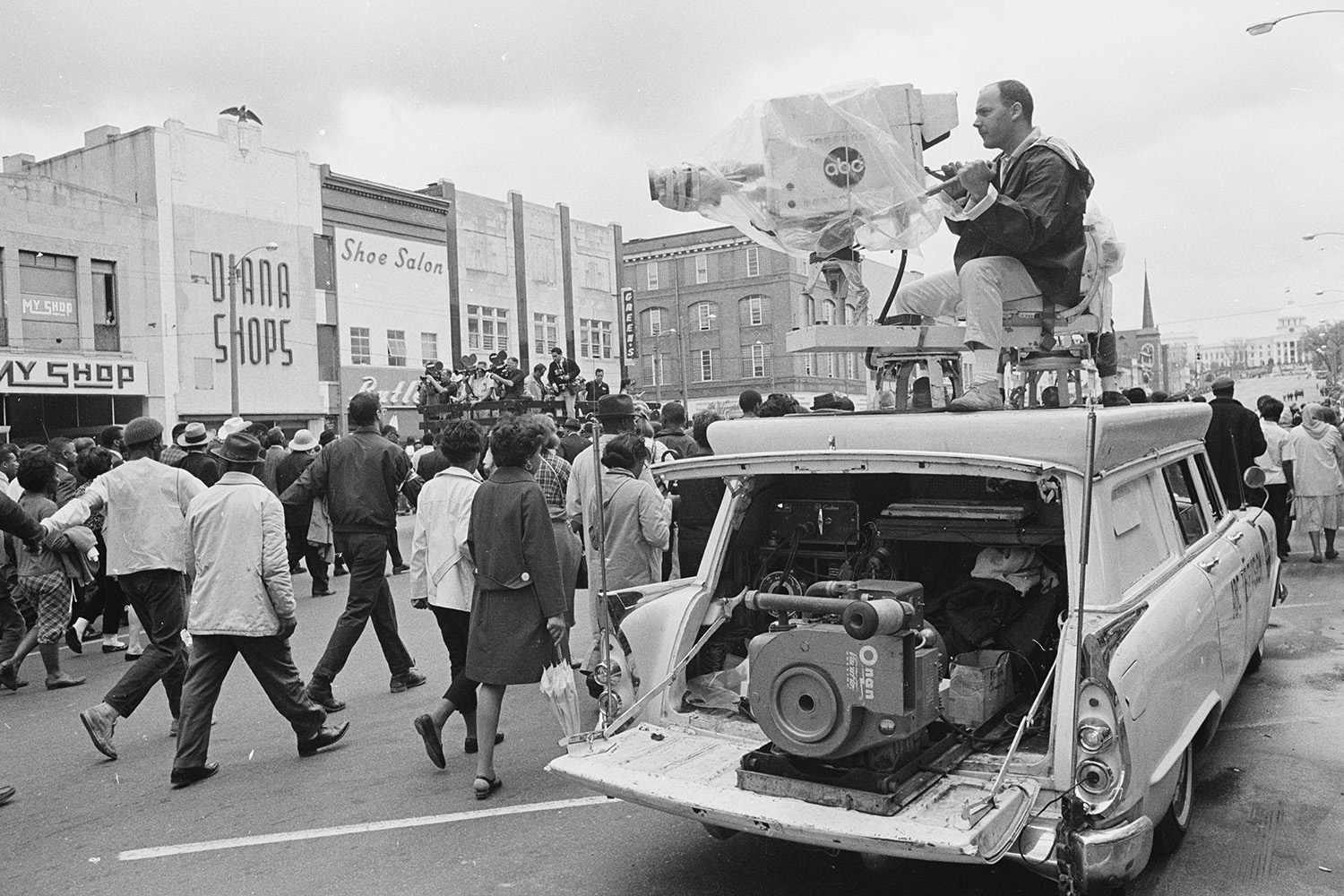
A television crew broadcasts the action.
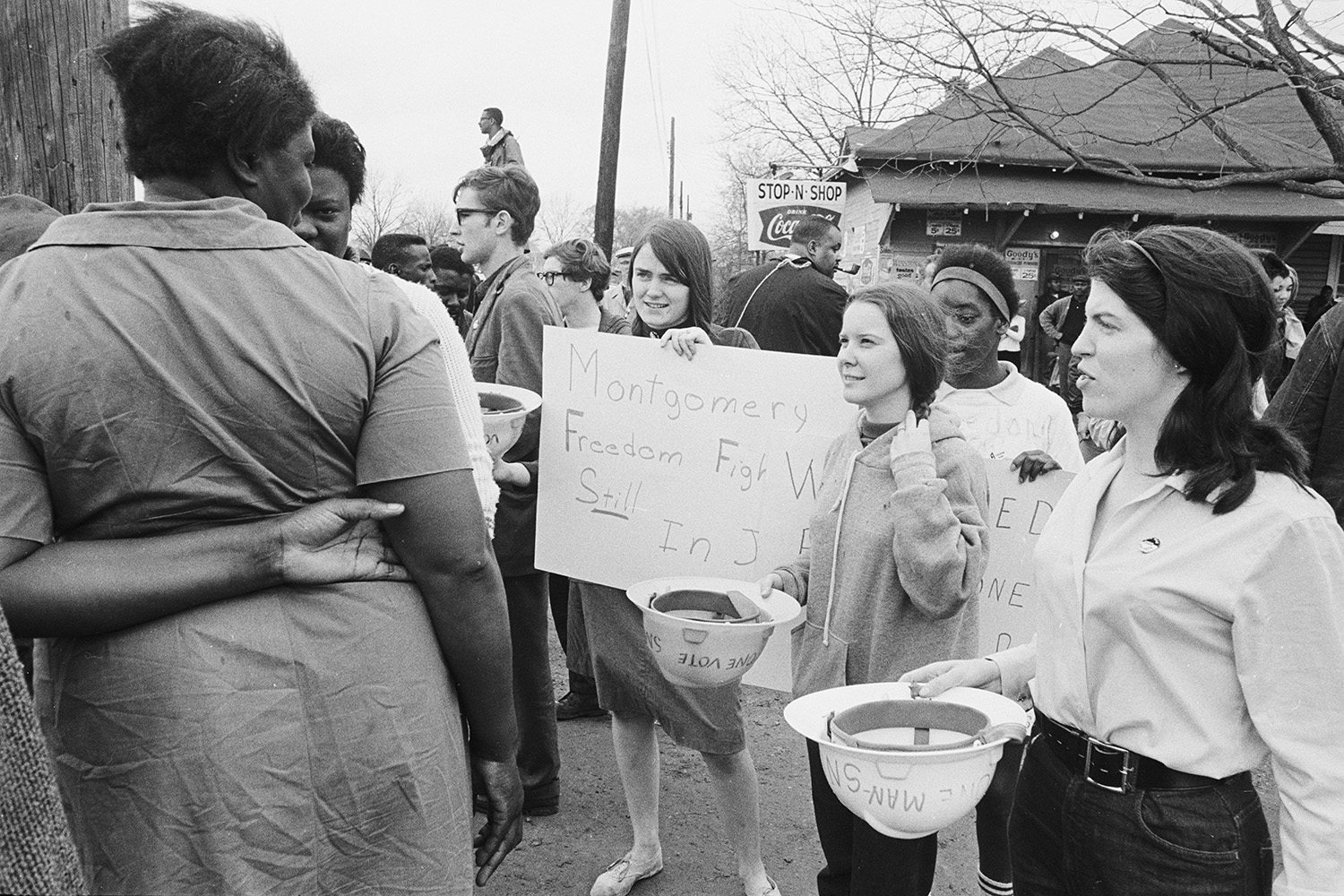
Young activists join the demonstration.
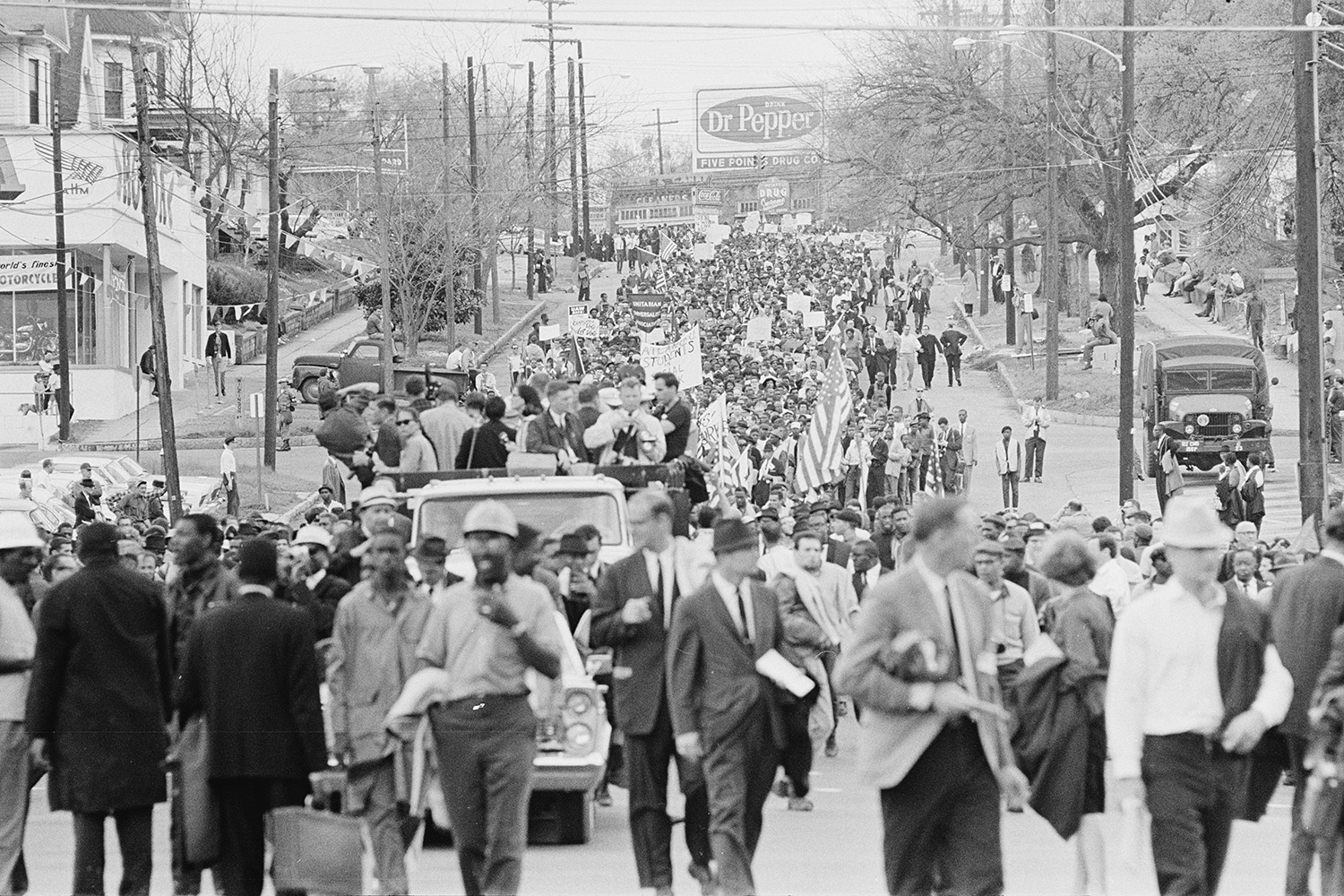
Thousands of demonstrators join the march.
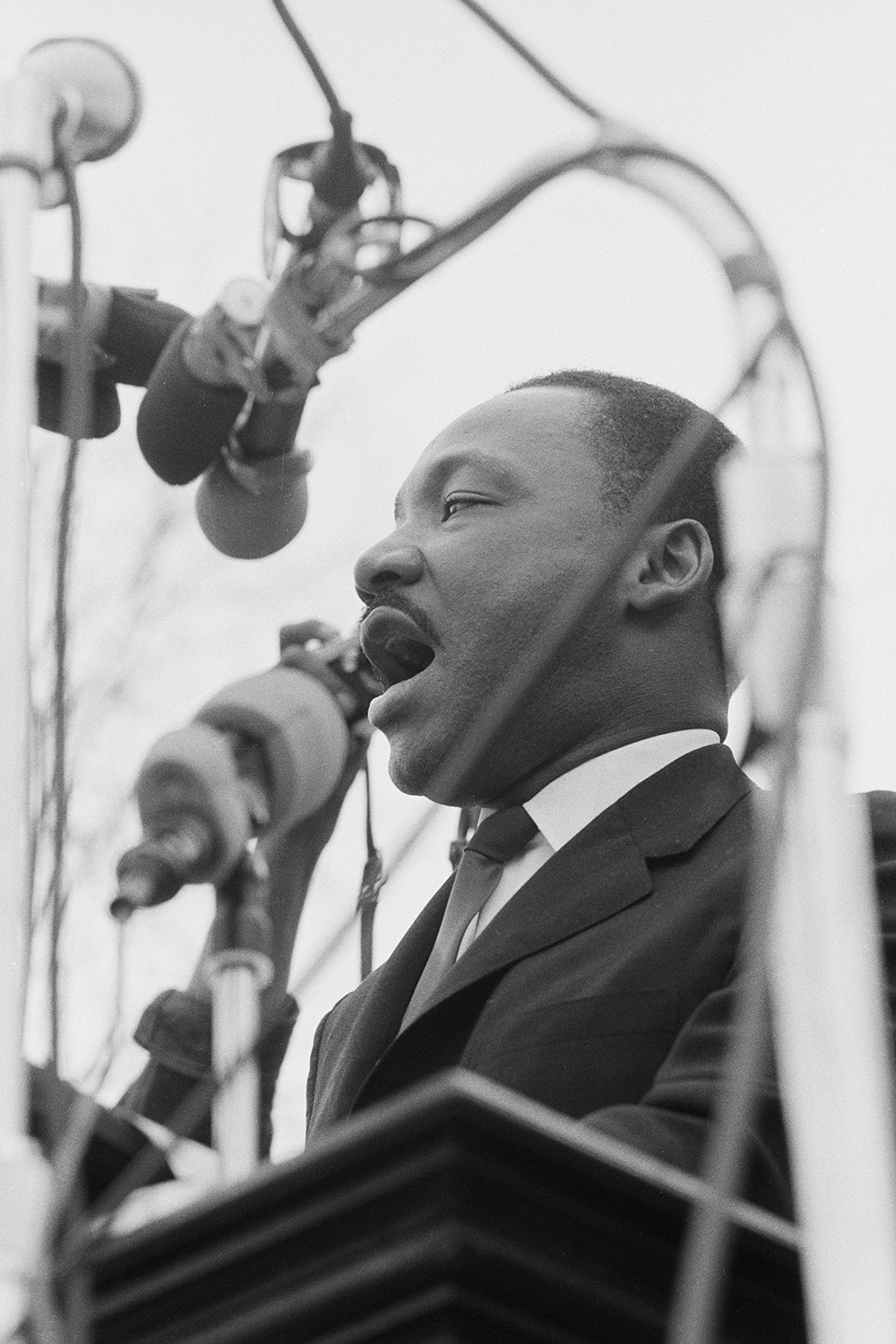
Martin Luther King Jr. speaks in front of the Alabama State Capitol at the march's conclusion.
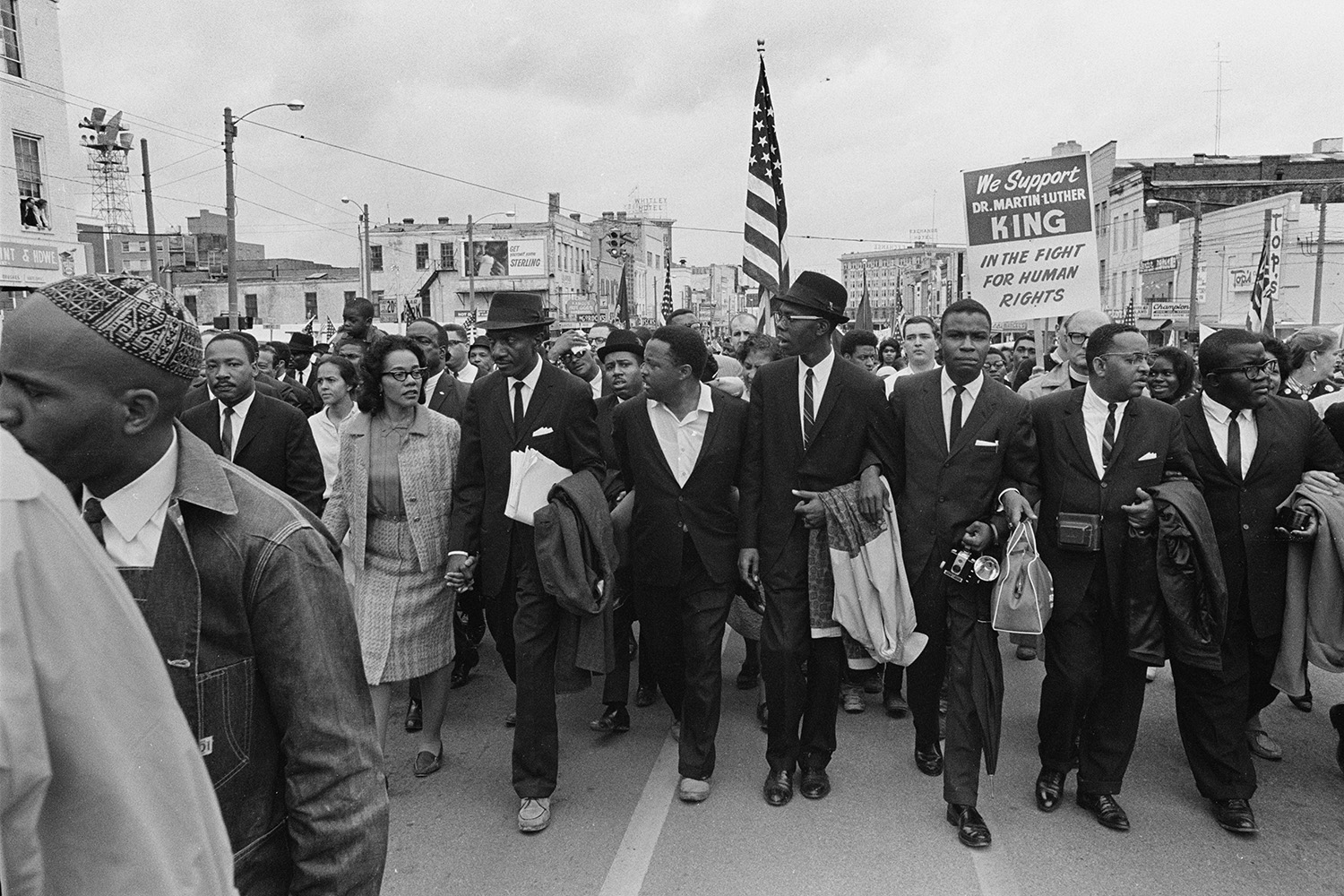
Martin Luther King Jr. and Coretta Scott King (left) join demonstrators.
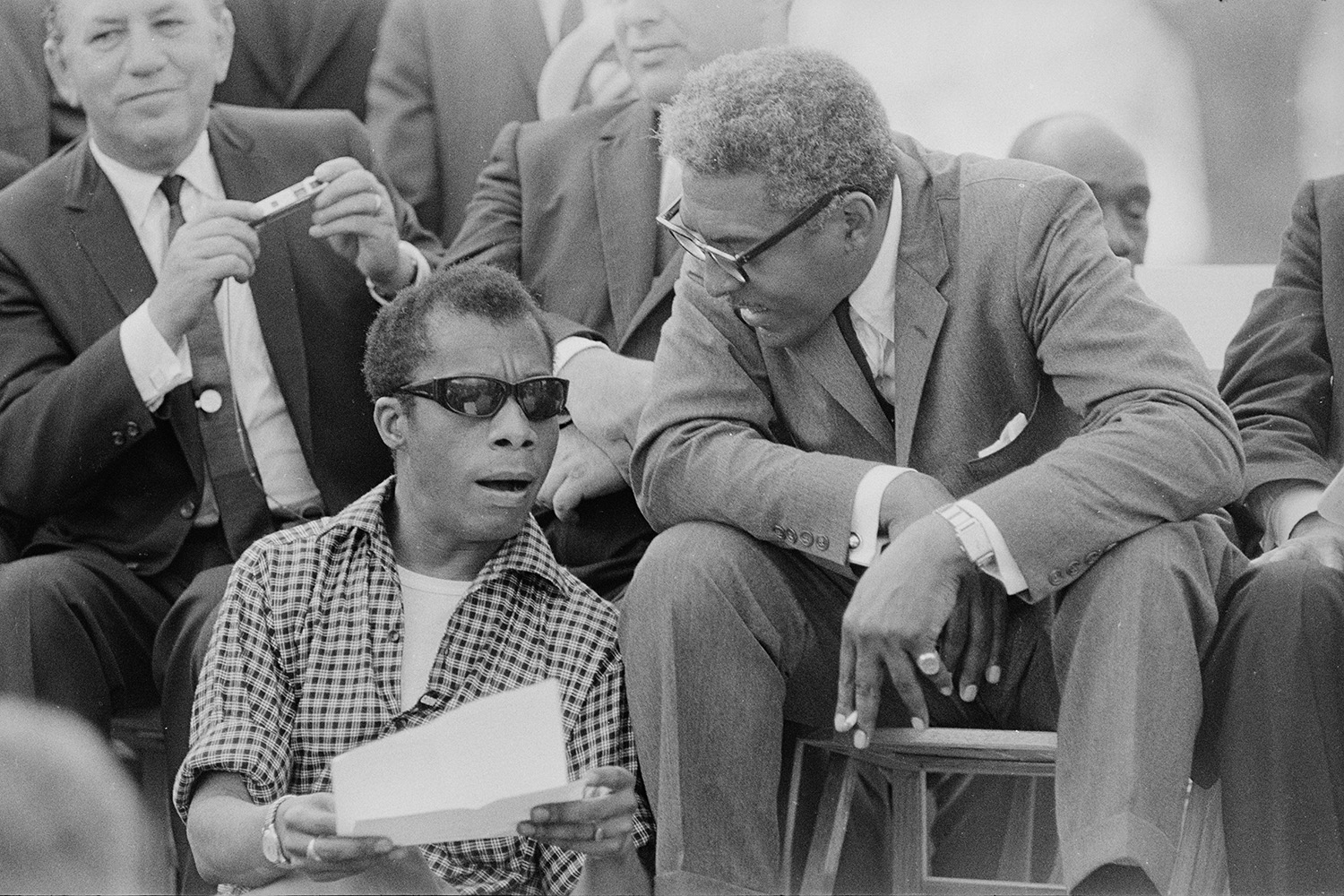
James Baldwin and Bayard Rustin convene on the speakers platform at the Alabama State Capitol.
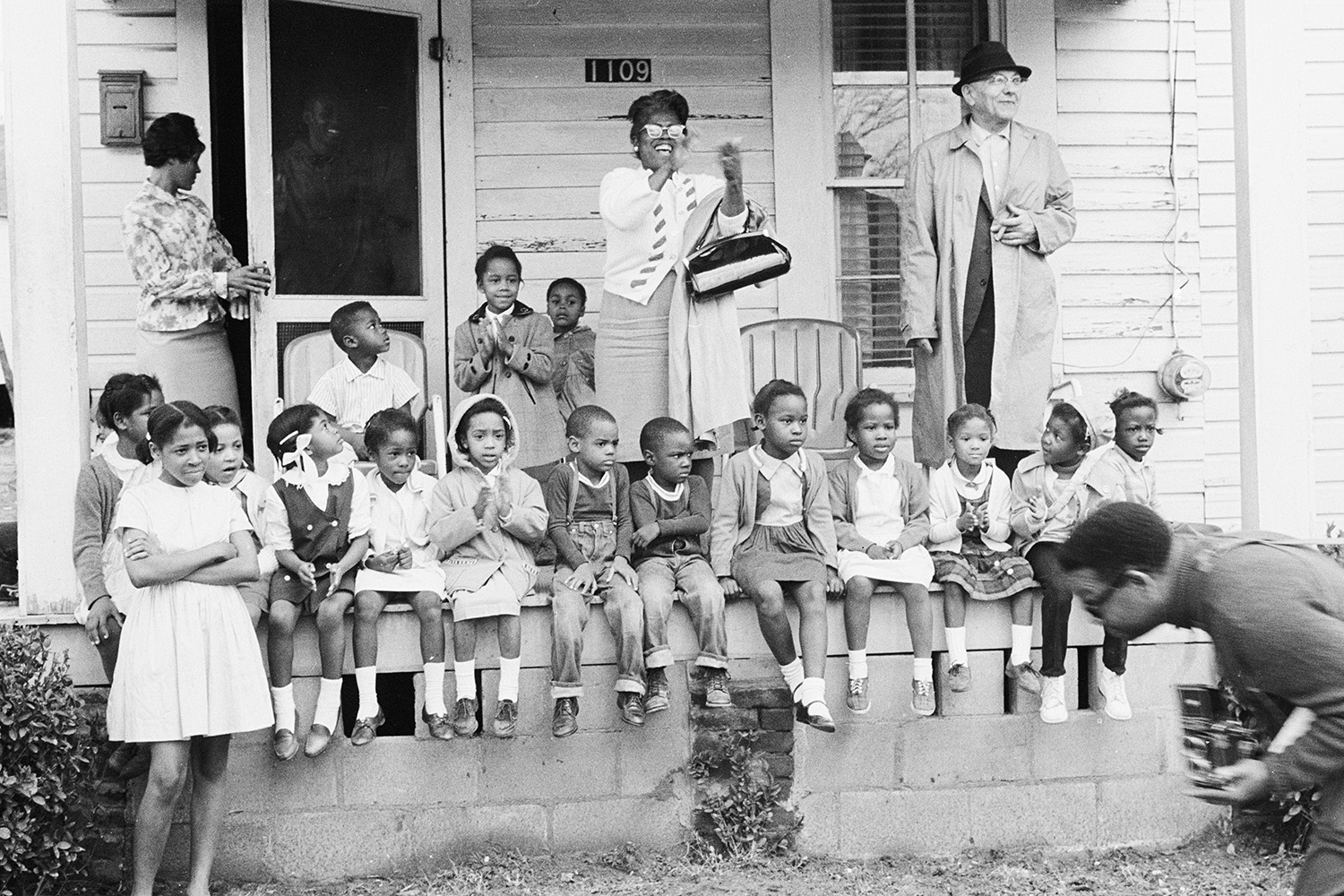
Onlookers cheer on demonstrators.
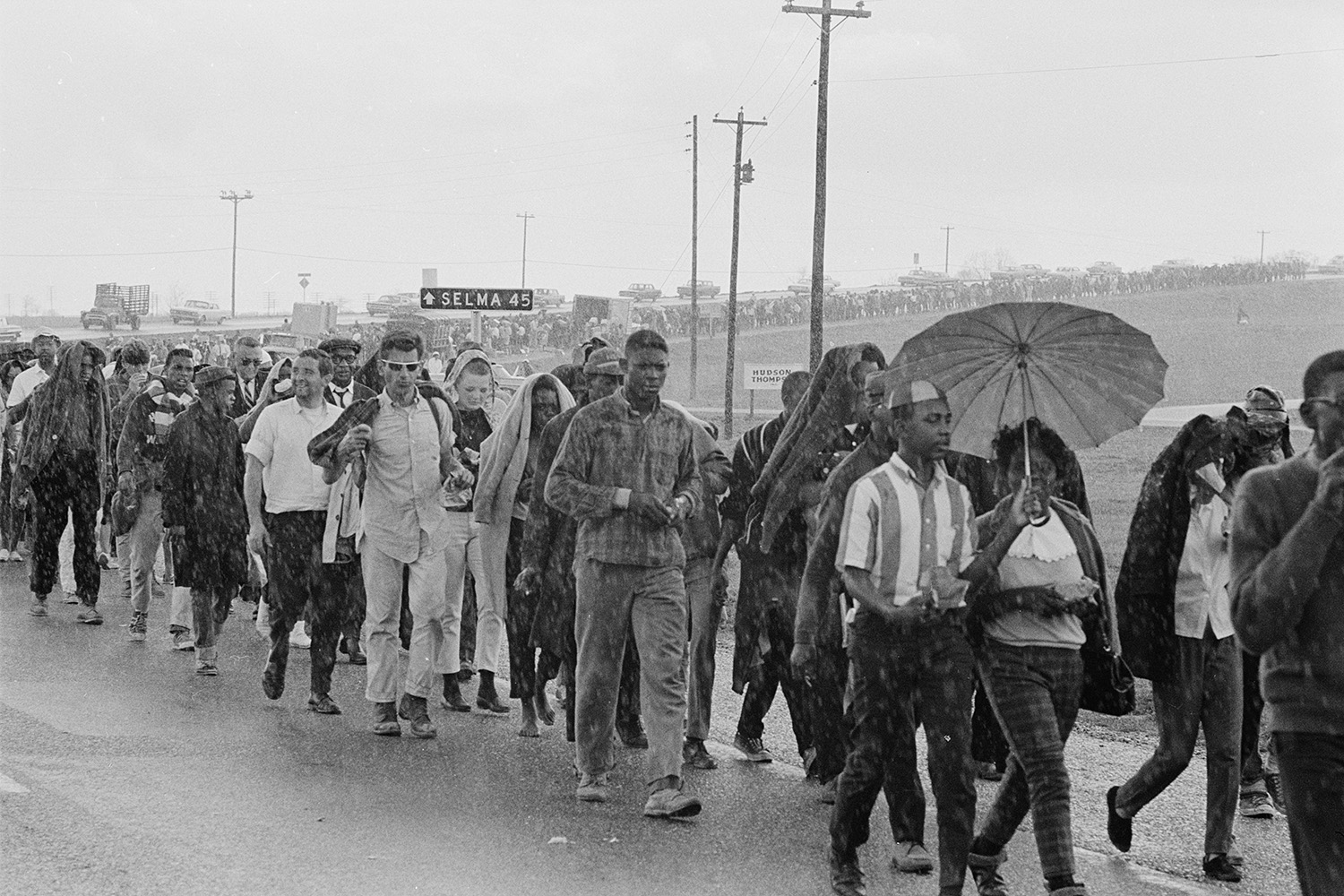
Marchers in the rain.
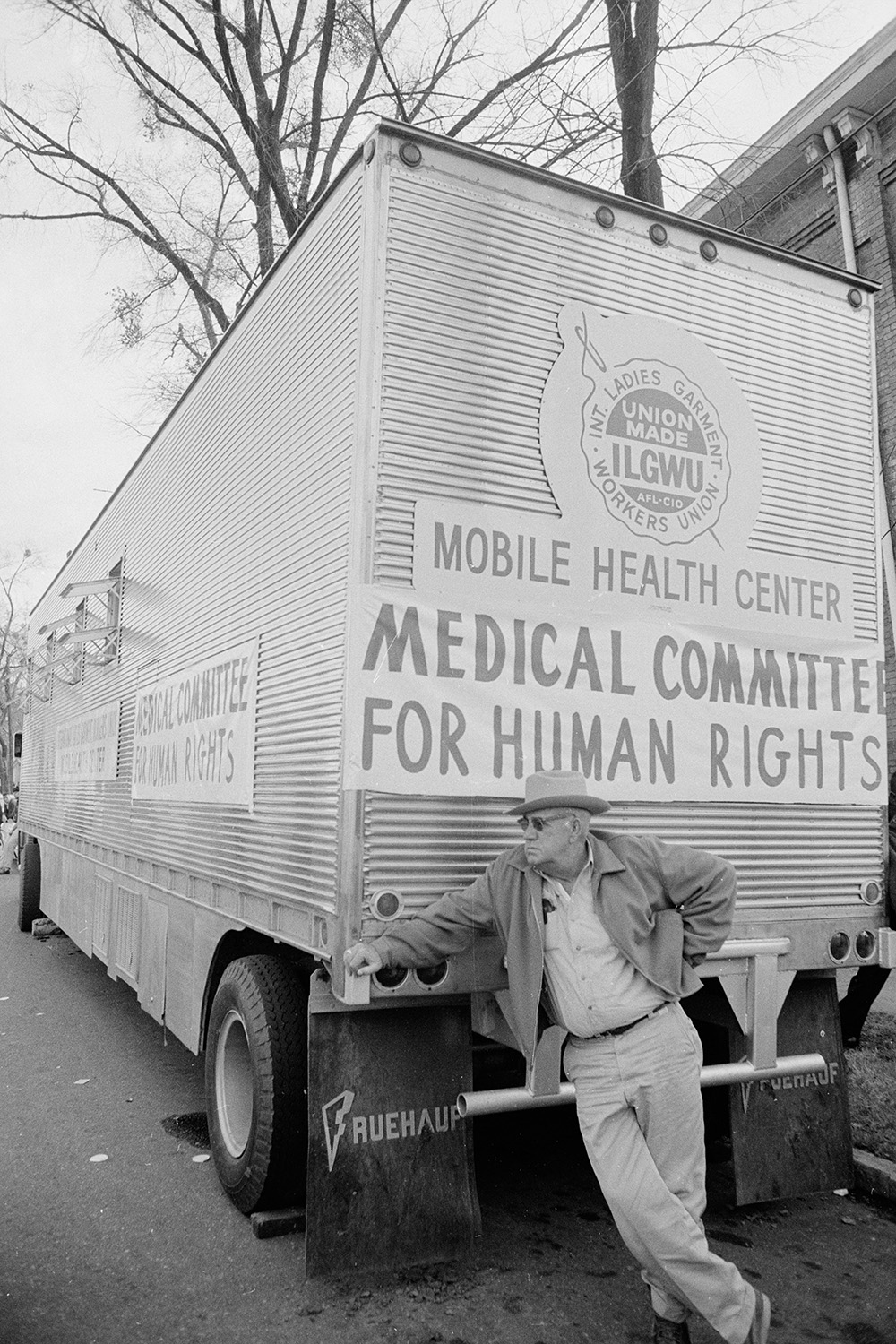
A mobile health center to assist marchers in need of medical attention.
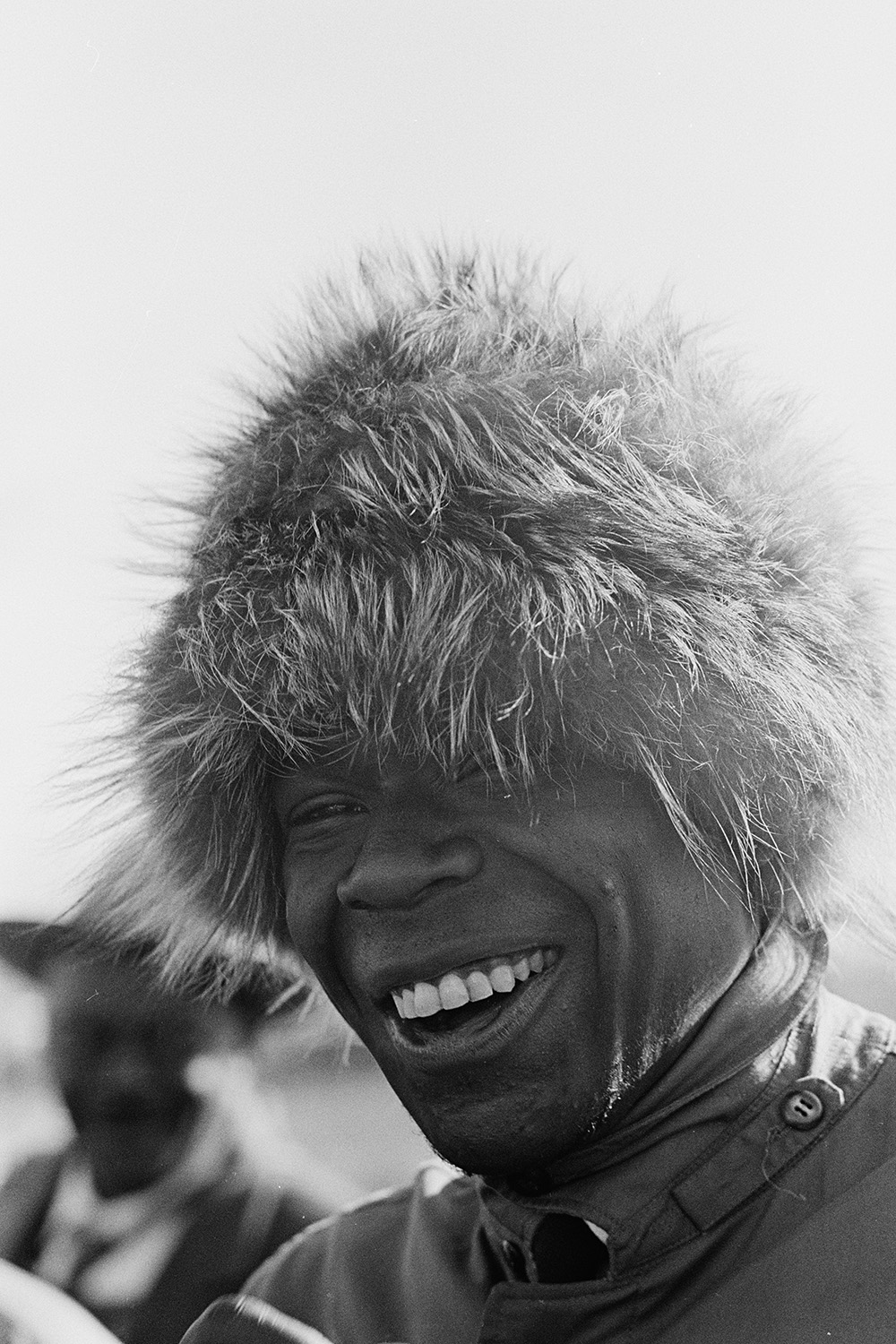
A demonstrator during the march.
Herron – described by many as an “activist photojournalist” who embedded in the civil rights movement – was present for the 54-mile march from Selma to Montgomery, capturing powerful scenes and prominent figures, including Martin Luther King Jr., Coretta Scott King, and Harry Belafonte. But it was his photos of Rosa Parks that may be the most revealing.
Rosa Parks, the activist
Parks is perhaps best known for refusing to give up her seat on a bus in segregated Montgomery, Alabama, in 1955 – an act of defiance that sparked a year-long bus boycott and made her one of the most celebrated figures of the civil rights movement. In the newly uncovered photographs, Parks is seen among the other protesters, as well as delivering remarks in front of the Alabama State Capitol at the conclusion of the march.
“Rosa Parks had a long life of activism, before and after her famous protest of segregated buses in Montgomery,” said Lerone Martin, the Martin Luther King, Jr. Centennial Professor and professor of religious studies and of African and African American studies in the School of Humanities and Sciences. “These photos show us Rosa Parks as the trained, deliberate, intelligent activist who was a part of the backbone of the black freedom struggle.”
Martin, who is director of the Martin Luther King, Jr. Research and Education Institute, said the images of Parks also clearly show the contributions that women made in advocating for civil rights.
These photos show us Rosa Parks as the trained, deliberate, intelligent activist who was a part of the backbone of the Black freedom struggle.Lerone MartinThe Martin Luther King, Jr. Centennial Professor
“When Coretta Scott King told New Lady Magazine in 1966 that ‘Not enough attention has been focused on the roles played by women in the struggle. … Women have been the backbone of the whole civil rights movement. … Women have been the ones who have made it possible for the movement to be a mass movement,’ surely, she was thinking about Rosa Parks,” he said.
Preserving history
For decades, Stanford has collected and archived images, documents, and other materials related to the civil rights movement. Matt Herron’s collection contains works spanning his career from the 1950s through 1990s. They include prints, negatives, contact sheets, and files pertaining to his publications, correspondence, and work with photography organizations.
Herron’s affiliation with Stanford goes back many years. He was friends with Clay Carson, the former director of the MLK Institute, where many of his materials are housed. He’d also exhibited his work on campus. In 2022, Stanford University Libraries acquired thousands of materials related to his career from his widow, Jeannine Herron.
“Matt Herron and his photos are well known throughout civil rights circles,” said Stone. “The archive is also widely known to be here at Stanford and is accessible. And while he took thousands of photos, not all were published in his lifetime.”
When a photographer takes a photo on a film camera, it produces a negative, which is a reversed version of the actual image. Numerous negatives are then transferred to paper (known as a contact sheet), where the photographer can view all the images at once and select the best ones to print.
This fall, researchers from Alabama reached out to Stanford University Libraries wanting to explore the archive. During a visit to campus, they dove into the Herron collection and found the physical contact sheets that included images of Parks that never made it to print.
Herron died in 2020, but his works, including the images of Rosa Parks, will continue to be digitized and cataloged in Stanford University Libraries for easier access.
“What’s great about a library having an entire archive is that you get all that background material, like photo negatives, that can add new and exciting dimensions to a story, like that of the civil rights movement or the life of Rosa Parks,” Stone said. “There’s a lot to be discovered in 20th-century photography archives like this, and that’s what we’re trying to facilitate at Stanford University Libraries.”
Writer
Alex Kekauoha