



Pulse oximeter bias linked to gaps in care for Black patients
Research
New research reveals that racial bias in pulse oximeters leads to significant disparities in follow-up care between Black and white patients.
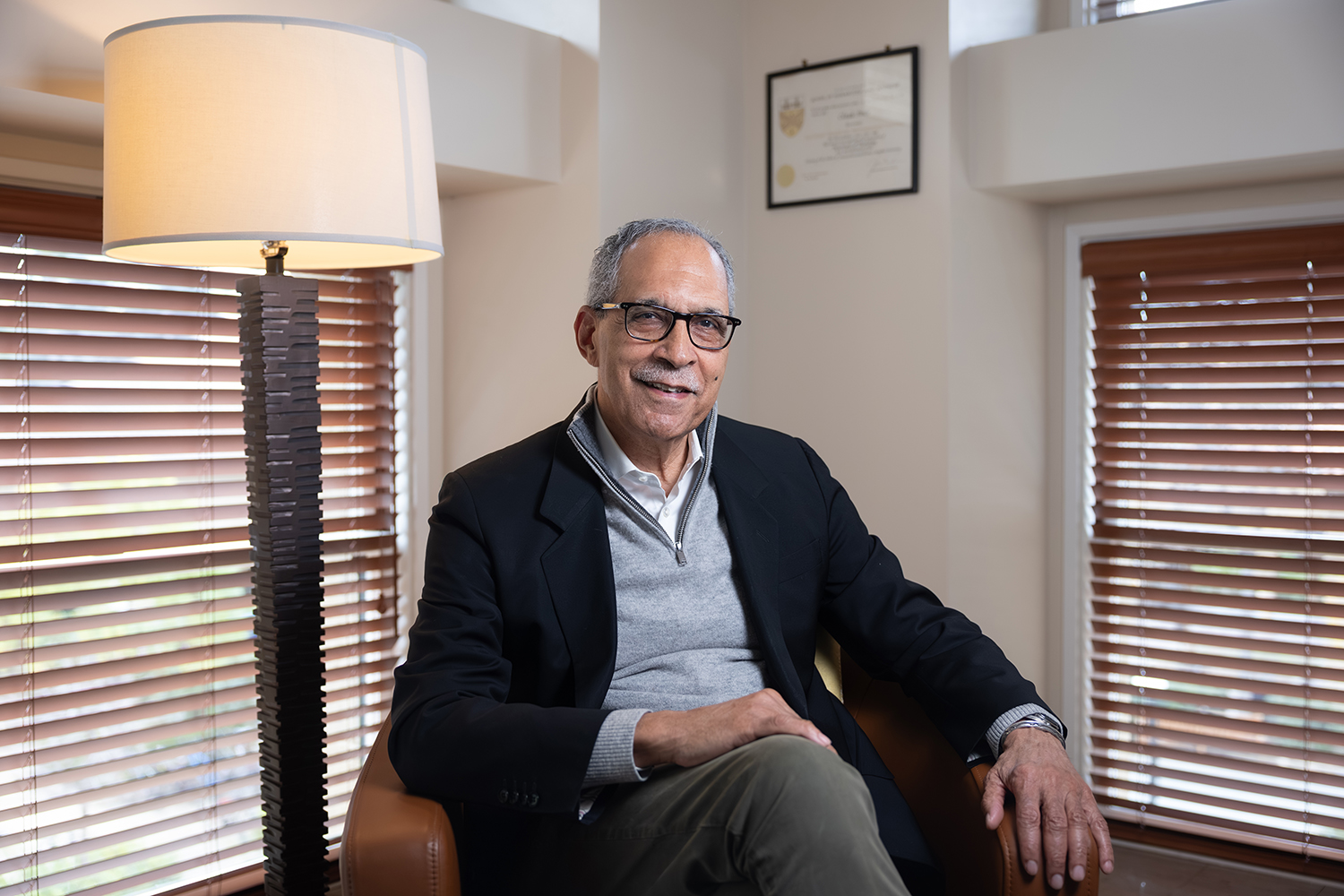
New book explores how to overcome tension between conflicting identities
Q&A
In Churn, social psychologist Claude Steele examines why diverse settings can feel uncomfortable – and shares an antidote to transform these experiences.
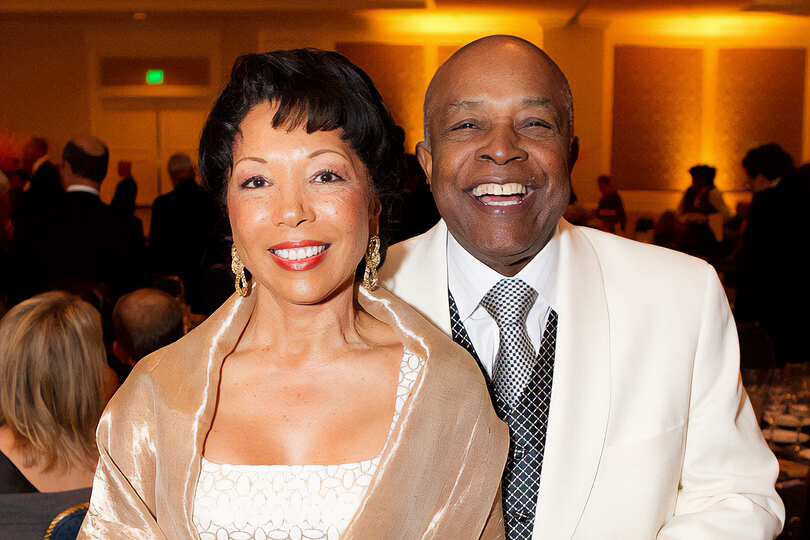
Shining a light on the contributions of the Black community to Silicon Valley
News
The Ken and Caretha Coleman Archive of Black Histories in Silicon Valley will preserve vanishing records and inform scholarship on the often-overlooked role of the Black community in the region’s history.

Rare photos of Rosa Parks discovered at Stanford
News
The images showcase a side of Parks that many have forgotten or never knew about.

New journal explores intersection of Black life, language, and culture
News
Launched by Stanford’s GSE Black Academic Development Lab, the journal connects traditionally siloed research areas to highlight the link between language practices and Black cultural identity.

Course explores long-standing racial narratives and the shaping of American history, justice
Feature
An immersive course examined how perceptions of African Americans have contributed to disparities within the U.S. legal system and society.

Study finds film can change attitudes toward society‘s marginalized
Research
A new study finds that after watching a docudrama about efforts to free a wrongly convicted prisoner on death row, people were more empathetic toward the formerly incarcerated and more supportive of criminal justice reform.
The legacy – and efficacy – of the Civil Rights Act on its 60th anniversary
In the News
Lerone Martin, faculty director for Stanford’s Martin Luther King, Jr. Research and Education Institute, on the efforts that preceded the Civil Rights Act of 1964.


The psychological toll of George Floyd’s murder
News
As the nation mourned the death of George Floyd, more Black Americans than white Americans felt angry or sad – a finding that reveals the racial disparities of grief.