A diagnosis of cancer often leaves people searching for ways to resume control of their bodies and minds. Food is one of the first places they turn, and one message looms large in our information ecosystem: Sugar feeds cancer.
The phrase circulates in online forums and patient support groups, leaving many people with cancer fearful that even a slice of birthday cake or a bowl of fruit salad might be fueling the disease they’re fighting.
The concern stems from a scientific observation that cancer cells use glucose – the body’s basic form of sugar differently than healthy cells use it. Nearly a century ago, scientists discovered that cancer cells have an unusual metabolic pattern: Instead of breaking down all glucose to generate maximum energy, they convert most of it into a simpler molecule called lactate, then release it as waste.
This cancer cell phenomenon, known as the Warburg effect and discovered by Nobel Prize-winning biochemist Otto Warburg in the 1920s, seems counterintuitive. Healthy cells process glucose more efficiently, yielding more cellular energy. Why would rapidly growing cancer cells choose a less efficient way to use glucose?
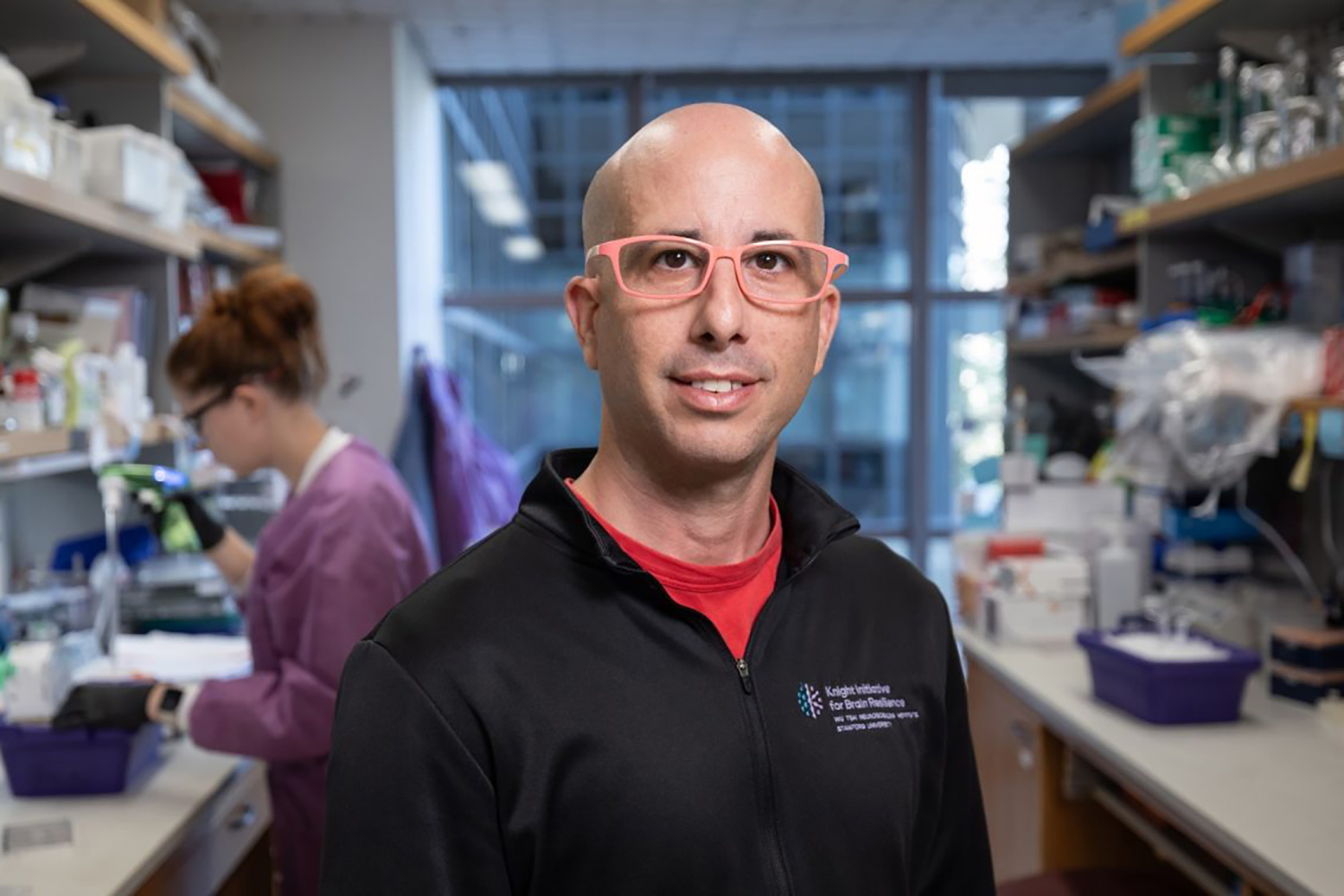
Jiangbin Ye, PhD, a Stanford Medicine assistant professor of radiation oncology who studies cancer metabolism, said this altered metabolism is less about energy production and more about cells’ identities. His research shows that the shift in how cells process glucose triggers changes in which genes are turned on or off, causing cells to lose their specialized functions. A liver cell stops acting like a liver cell; a lung cell stops acting like a lung cell. This loss of cellular identity is a hallmark of cancer.
Ye’s work focuses on whether reversing this change through metabolic therapies could help cancer cells regain their normal identity and function. But for patients navigating cancer treatment, questions about sugar and diet can create unnecessary anxiety and harmful restrictions.
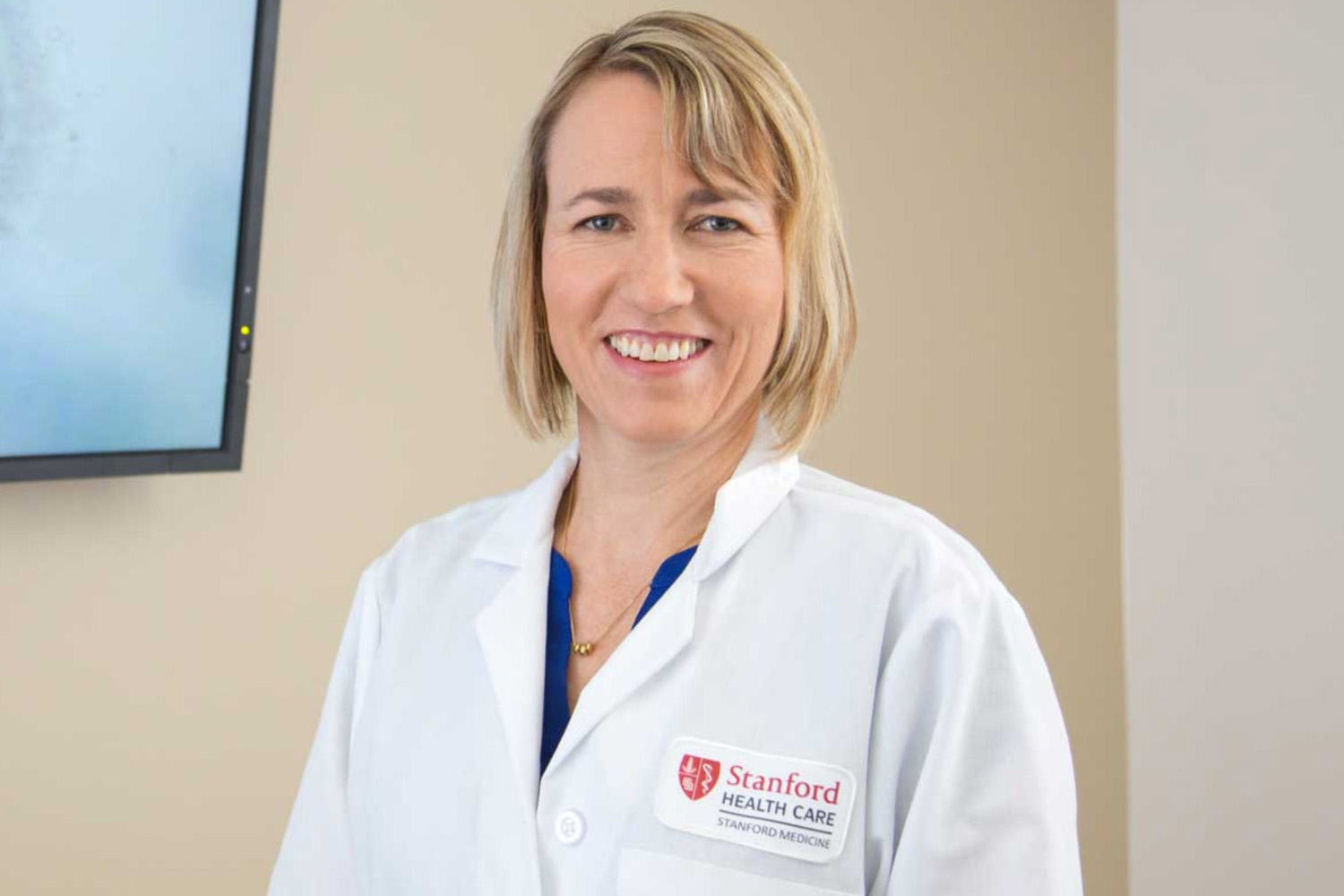
Fortunately, Erika Connor, a certified oncology dietitian at Stanford Health Care, has expertise she shares with patients daily to help them navigate their options. We asked her to clarify what people should know about sugar, cancer, and nutrition during treatment. These are Connor’s five points of emphasis.
1. All cells – healthy and cancerous – use sugar as fuel
Sugar, in the form of glucose, is the primary energy source for every cell in your body, including your brain. It’s so essential, your body will manufacture glucose even if you don’t eat any carbohydrates, converting proteins and fats to produce it. This is a fundamental biological process, not something unique to cancer.
“The reality is that all cells use sugar as a fuel source,” Connor said. Cancer cells use glucose faster than many normal cells, which is how positron-emission tomography, or PET, scans detect tumors: They track areas where radioactive glucose accumulates.
2. You can’t starve cancer cells through diet
One of the biggest misconceptions about the “Sugar feeds cancer” message is the idea that cutting out sugar or carbohydrates will starve cancer cells, Connor said. In reality, cancer cells are remarkably resourceful when it comes to finding energy sources.
“Those little buggers, those cancer cells, are very creative. They will find a fuel no matter what is available,” Connor said. If glucose is scarce, she explained, cancer cells can turn to alternative fuel sources such as amino acids from proteins and fatty acids from fats. Whatever their fuel source, they can keep growing and multiplying.
Those little buggers, those cancer cells, are very creative. They will find a fuel no matter what is available.Erika Connor
Connor said many of her patients imagine cancer like it’s a game of Pac-Man, with cancer cells actively seeking out and gobbling up sugar molecules. “That’s just not the case,” she said. “Cancer cells are not seeking out sugar molecules. They’re eating whatever they can find.”
3. Extreme restrictions can be dangerous during treatment
When people hear “Sugar feeds cancer,” many respond by severely restricting their diets, Connor said. But that can lead to diets that are dangerously short on calories and lead to excess weight loss. The consequences can be serious.
“Undergoing cancer treatment is like running multiple marathons – in terms of the toll it takes on people’s bodies and energy stores,” Connor said. “Patients need to fuel themselves efficiently for that.” Getting enough calories helps patients maintain muscle mass, manage treatment side effects, and support their immune systems during an incredibly demanding time.
Connor recalls a patient who took the “Sugar feeds cancer” message so seriously she eliminated all grains and fruits from her diet. By the time Connor met with her, the woman was losing weight rapidly and had become slow to respond in conversation – a sign that her brain wasn't getting enough glucose. Connor helped her gradually reintroduce whole grains and fruits until the patient’s weight was stabilized and she had regained her mental acuity.
4. Added sugar is the real concern – not fruit or whole grains
There is one type of sugar that Connor recommends her patients try to avoid, especially during cancer treatment: the added sugars in processed foods, sweetened beverages, and baked goods – not the natural sugars found in grains and fruits.
“Everybody’s definition of sugar is different,” Connor said. “When I ask people to eat less sugar, I’m really referring to added sugar: five spoonfuls of sugar in your coffee, multiple cans of soda a day, or a mocha and a Danish for breakfast.”
Her reasoning isn’t that these added sugars are directly fueling the growth of cancer cells. Instead, she said, “A high intake of added sugar adds another stressor to the body.” Elevated blood sugar levels trigger increased insulin production, which can promote inflammation – creating a chaotic internal environment that may interfere with treatment effectiveness and healing.
Connor recommends focusing on eating healthful foods: fruits, vegetables, whole grains, legumes, nuts, and seeds. Even though these can contain natural sugars, the fiber in whole foods slows down carbohydrate absorption, helping to regulate how quickly sugar enters your bloodstream, preventing the blood sugar spikes that come from processed sweets or sugary drinks.
5. Moderation and balance are key
Occasionally eating foods with excess sugar won’t derail your health or fuel cancer growth, Connor emphasized. What matters is your overall dietary pattern: limiting ultra-processed foods, focusing on whole foods including fruits and vegetables, staying hydrated, getting adequate protein, and maintaining a healthy weight.
“I absolutely tell patients they can have that slice of cake as a celebration, or reward themselves for eating well all day with a small treat,” Connor said.
She added that the mental and emotional component of eating during cancer treatment is just as important as the nutritional component. Patients may have side effects from treatments, including nausea, taste changes, or difficulty swallowing. During these times, she tells people to eat what they can tolerate, even if it contains some added sugar, then get back on track.
If you have questions about your specific nutritional needs during cancer treatment, Connor recommends you work with a registered dietitian who specializes in oncology.
Ultimately, Connor hopes people will move away from the frightening idea that sugar feeds cancer and toward the more empowering concept of fueling your body in healthy ways to support treatment.
“The phrase ‘Sugar feeds cancer’ is a dangerous statement,” she said. “It switches people’s anxiety on and sets them up for misinformation and panic.”
For more information
This story was originally published by Stanford Medicine.
Writer
Sarah Williams