


Molecule in python blood could point to new weight-loss treatments
Video
A molecule that increases by a thousandfold in pythons after they eat holds promise for a weight-loss drug.
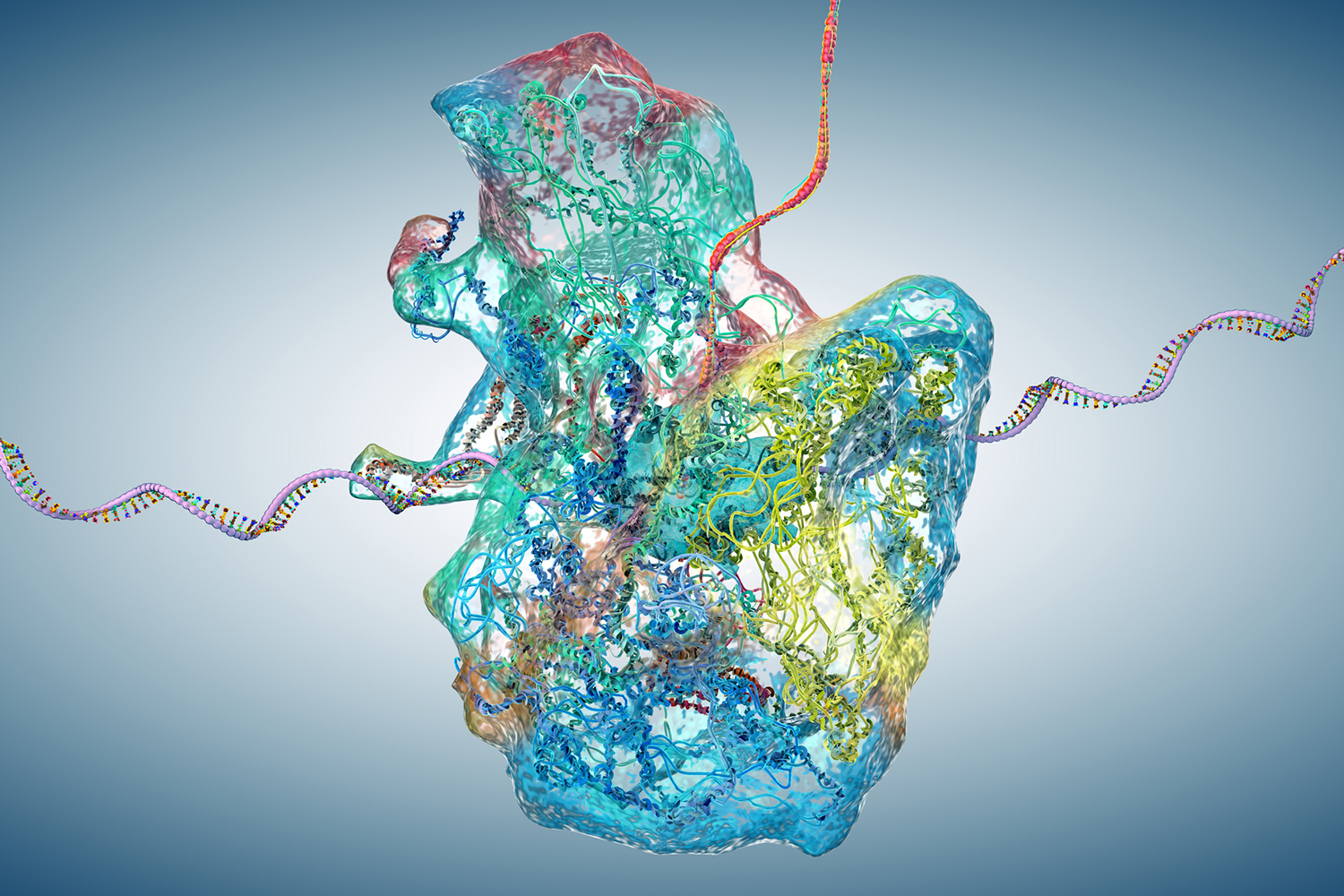
What’s a ribosome’s role in deciding cell fate? More than we knew
Research
Researchers at Stanford Medicine developed a tool called the Ribo-Tweezer to pluck individual components out of a mature ribosome, finding a surprising role for a protein called RACK1.

Technique turns immune cells into cancer-seeking ‘bloodhounds’
Research
Immune cells engineered to sense metabolic byproducts secreted by cancer cells “follow their noses” to migrate to and infiltrate solid tumors in mice in a Stanford Medicine study.

Bioengineers develop novel method to read proteins
Research
A “reverse translation” technique converts protein sequences into DNA, enabling unprecedented detection sensitivity.

Stanford Medicine-led research creates simple method for viewing microscopic fibers
Research
Microscopic fibers in tissue are critical for our understanding of disease, but they have been difficult to study. Researchers at Stanford Medicine and their colleagues have come up with an easy way to visualize them.
Electromagnetic device sorts cells by levitating them
Video
Invented by Stanford Medicine researchers, Electro-LEV can gently sort different types of cells by levitating them to different heights. The system could enhance cancer research and even guide microrobots.

How diet shapes energy production in the gut microbiome
Research
Research reveals a new method for quantifying fatty acid production in the gut and highlights the important role of complex carbs in energy and overall health.
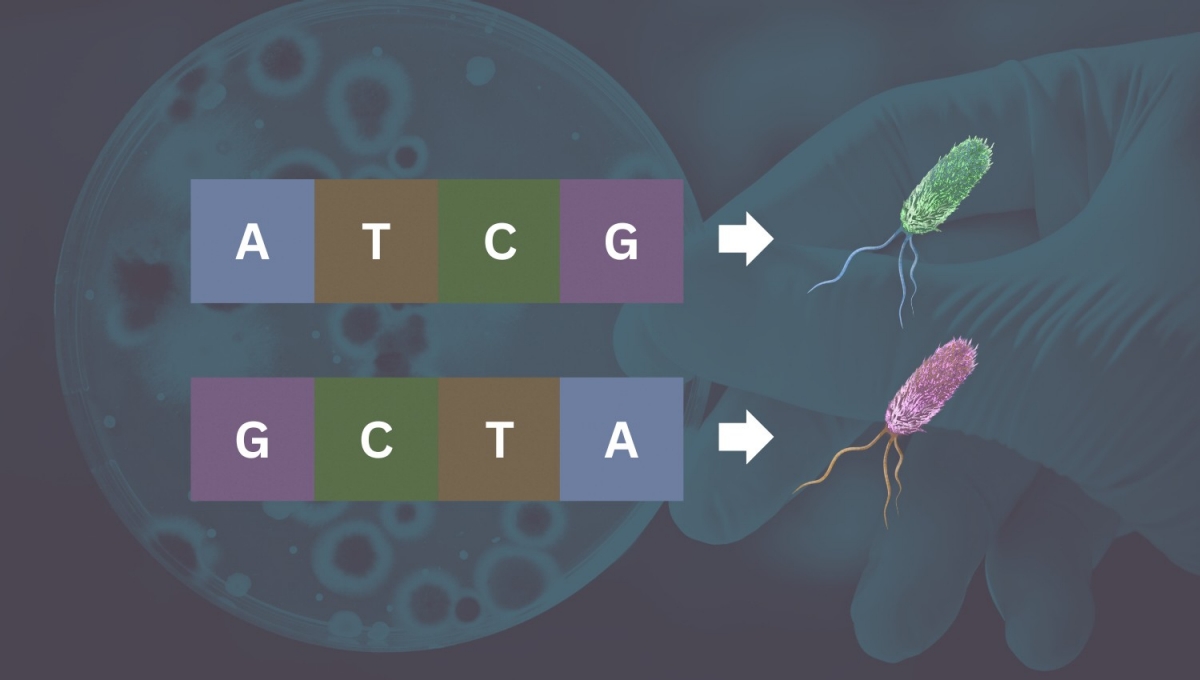
Bacterial ‘flipping’ allows genes to assume different forms
News
Stanford Medicine scientists and their colleagues have discovered that bacterial genes can encode multiple versions of themselves, altering a core understanding of genetics.