


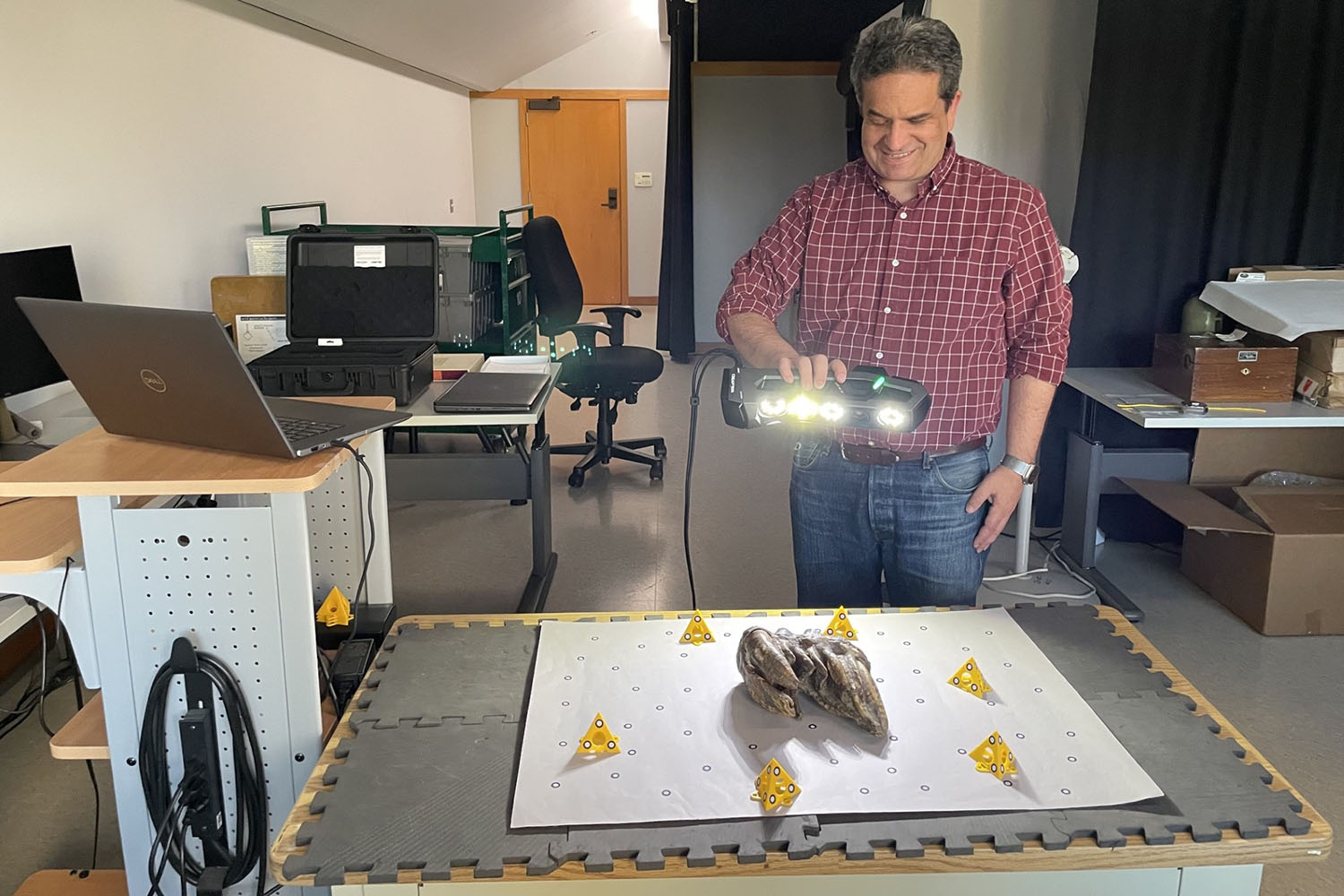
Pacific mastodon tooth offers glimpse into Ice Age past
News
Stanford researchers are analyzing a rare, large fossil donated to the university, using carbon dating and 3D imaging to deepen understanding of Pleistocene species and Bay Area ecosystems.
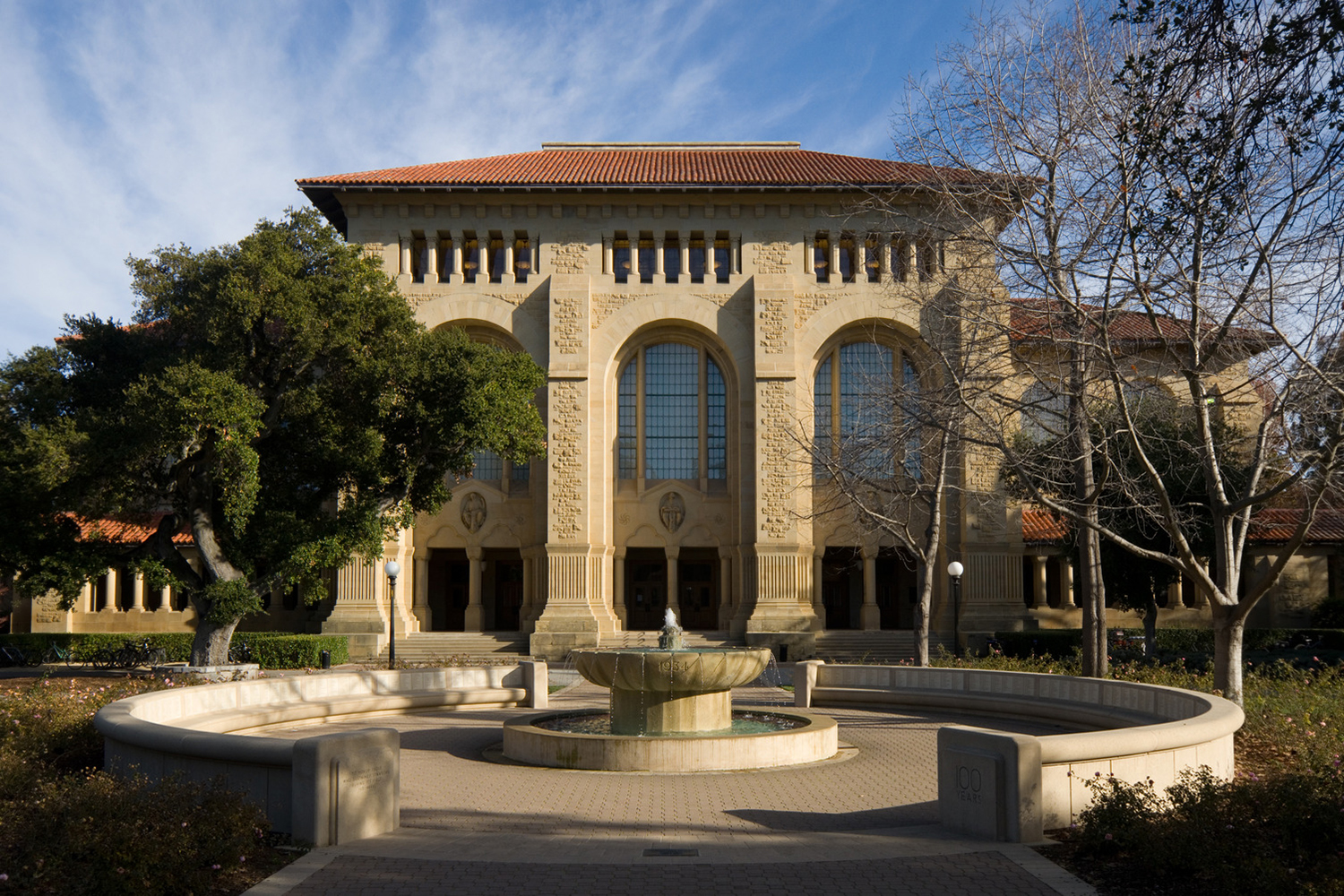
Digital stewardship at Stanford reaches 20-year milestone
Feature
The Stanford Digital Repository now preserves 5.5 million research materials, advancing open science and enabling discoveries that build on past work.
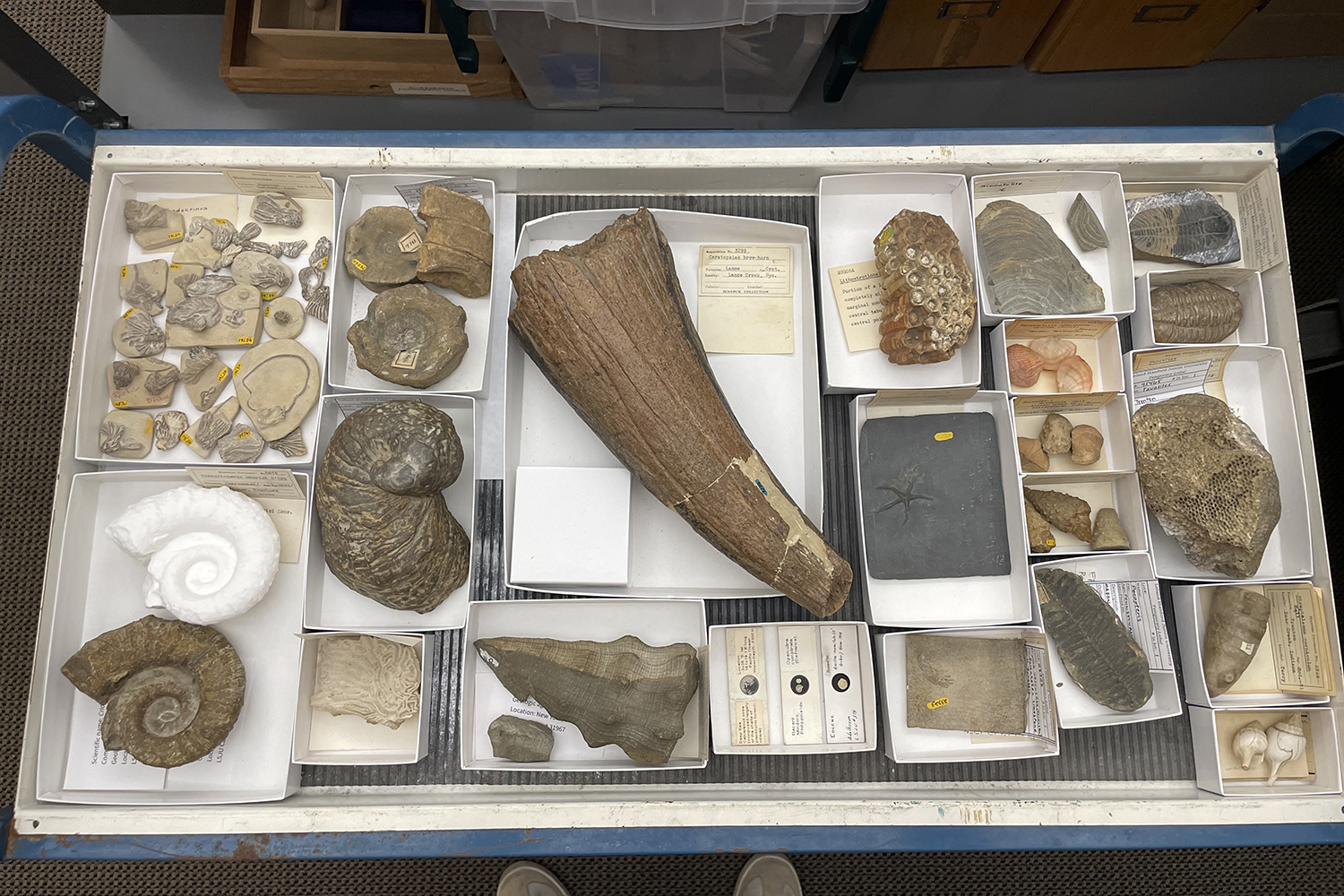
Stanford’s landmark geoscience collection begins a new chapter
News
The university’s half-million-specimen geoscience collection, featuring fossils, deep-sea finds, California minerals, and more, is being revitalized to support environmental studies.
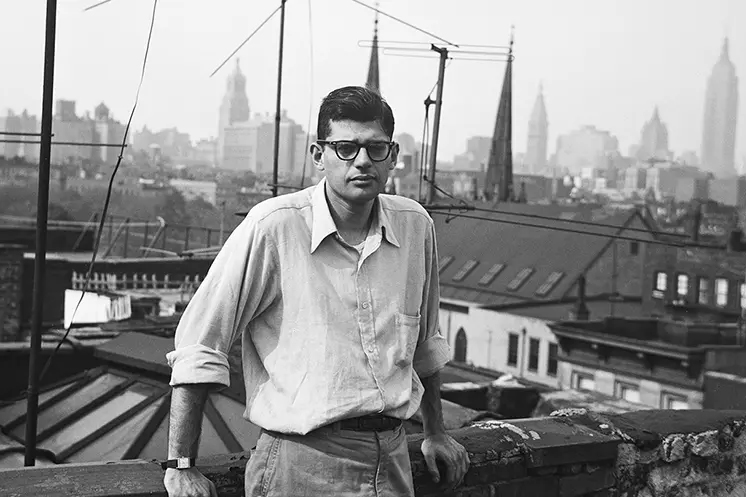
Centenary exhibition explores legacy of Allen Ginsberg
Event
Highlights from Ginsberg’s archives at Stanford University Libraries illuminate his influential role as a Beat poet and activist.
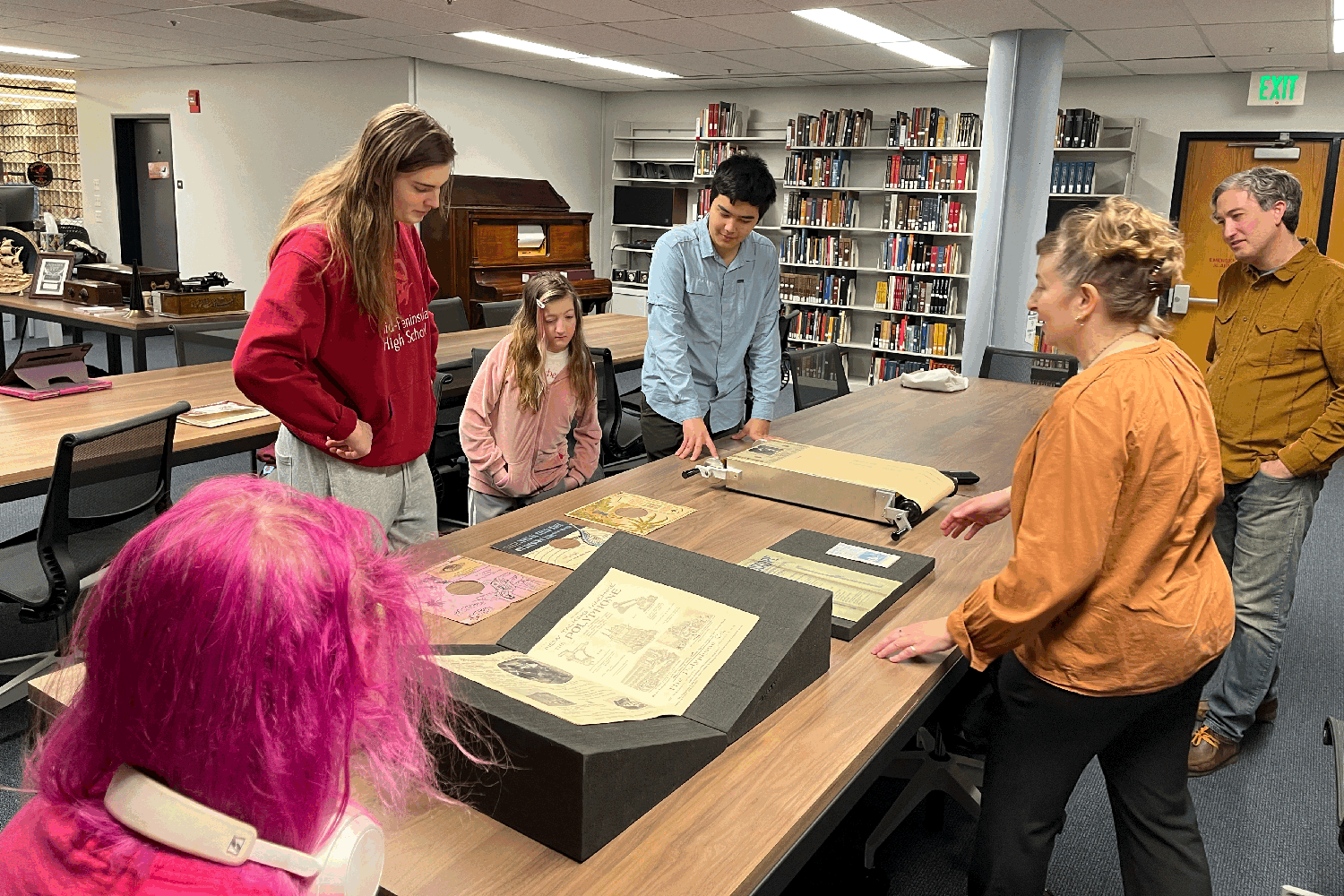
High schoolers learn sound artistry with Stanford support
News
Prep school students in Menlo Park recently explored Stanford’s music-related laboratories and libraries as part of their intersession course, The Art of Noises.
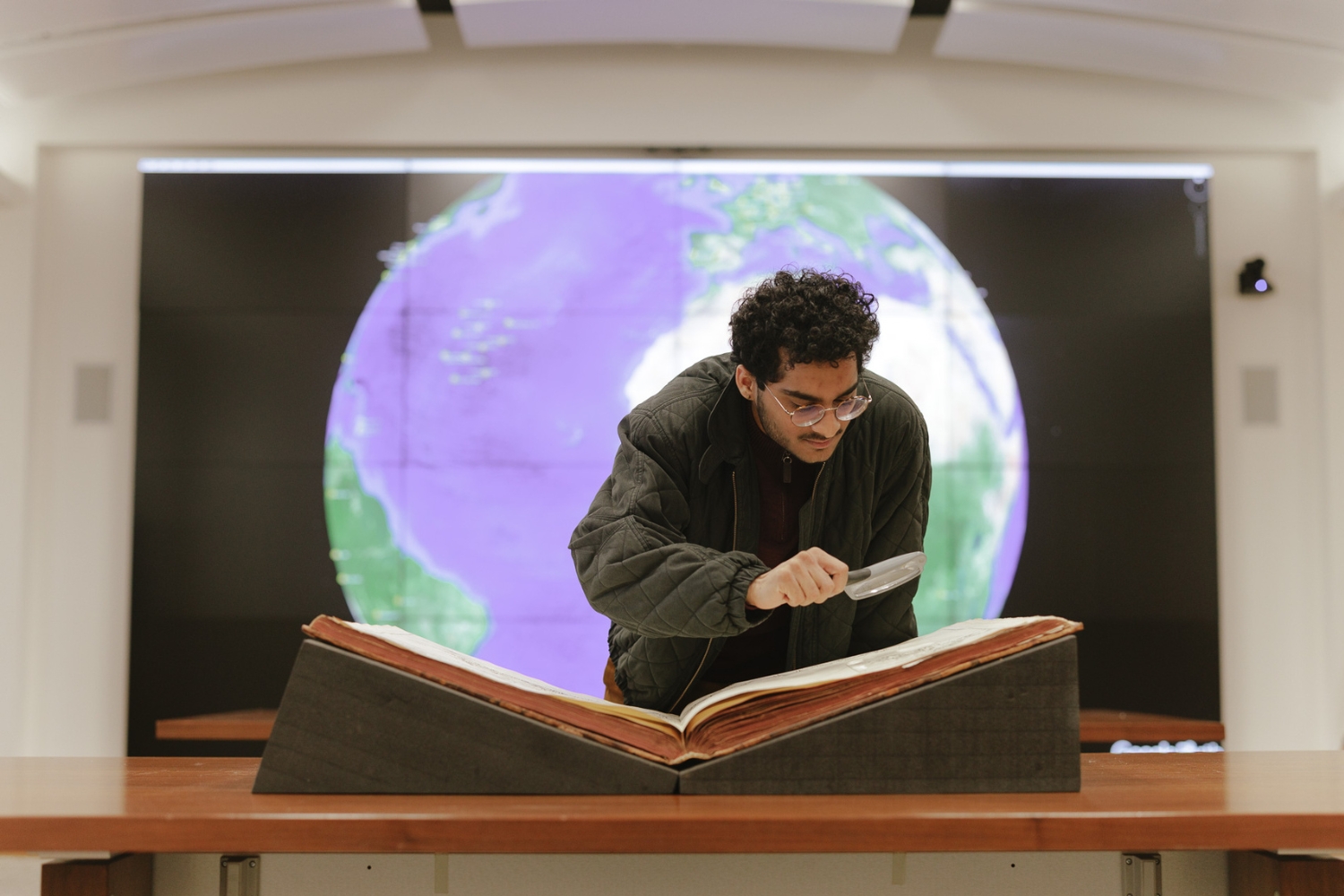
Stanford center revives historic maps with digital tools
News
The David Rumsey Map Center has spent a decade using advanced technology to transform cartographic artifacts into dynamic learning tools, advancing research on the American West.
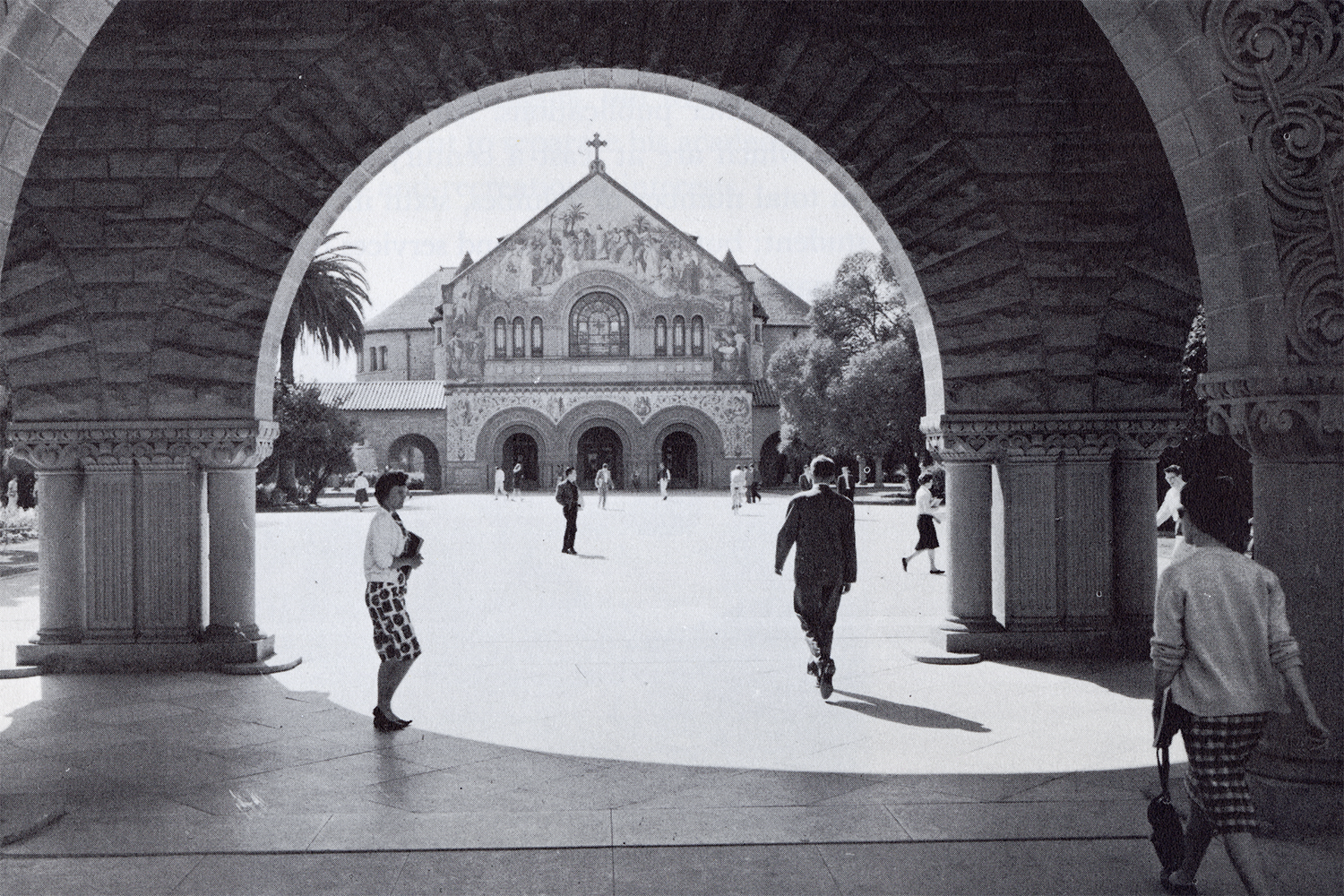
Ansel Adams’ forgotten Stanford photos
Photo
The 20th-century photo pioneer is widely celebrated for his majestic images of the American West. Less known are his commercial projects, including a 1961 assignment to capture the “spirit and purpose of Stanford University.”

Stanford inaugurates new home of MLK Institute
News
Hundreds gathered Tuesday for a discussion about King’s legacy and the importance of preserving his writings for future generations.

Exhibition spotlights civic engagement of artists
News
The Cantor’s Archive Rooms series returns with the special collections of artists Ruth Asawa and Ester Hernandez, who shared a commitment to advocacy and activism.

Stanford acquires an unseen piece of Beat Generation history
Research
The archives of Al Aronowitz, a journalist known for his “street-level” coverage of the seminal poets and musicians of the 1950s and ’60s, offer scholars a new lens on mid-20th-century counterculture.