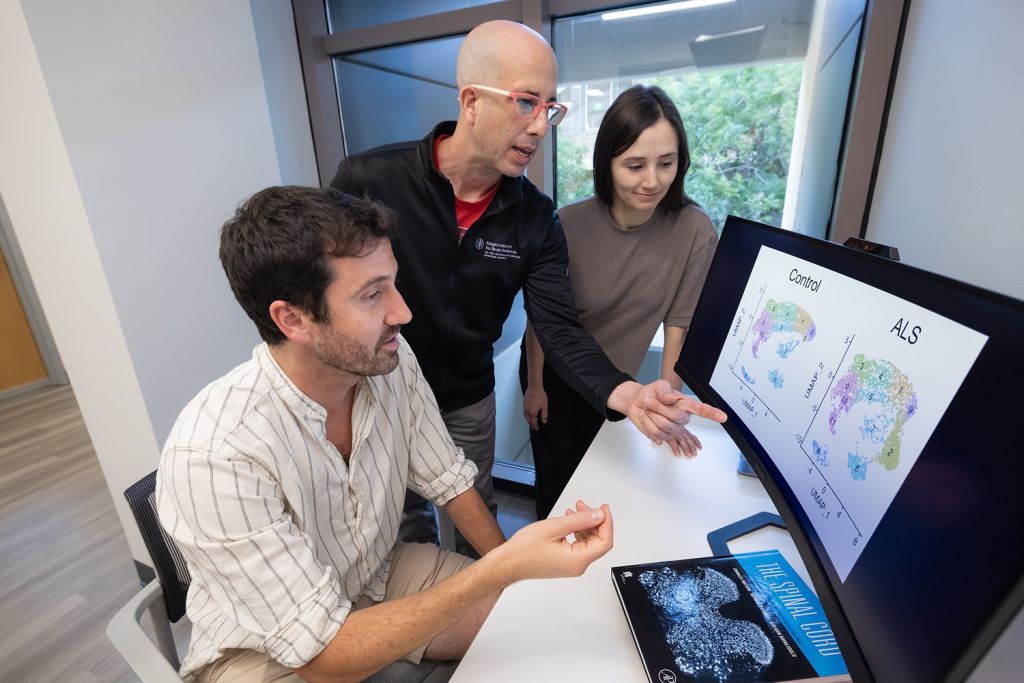
Exploring the cellular mystery behind ALS
Health & MedicineAnalysis & Insights
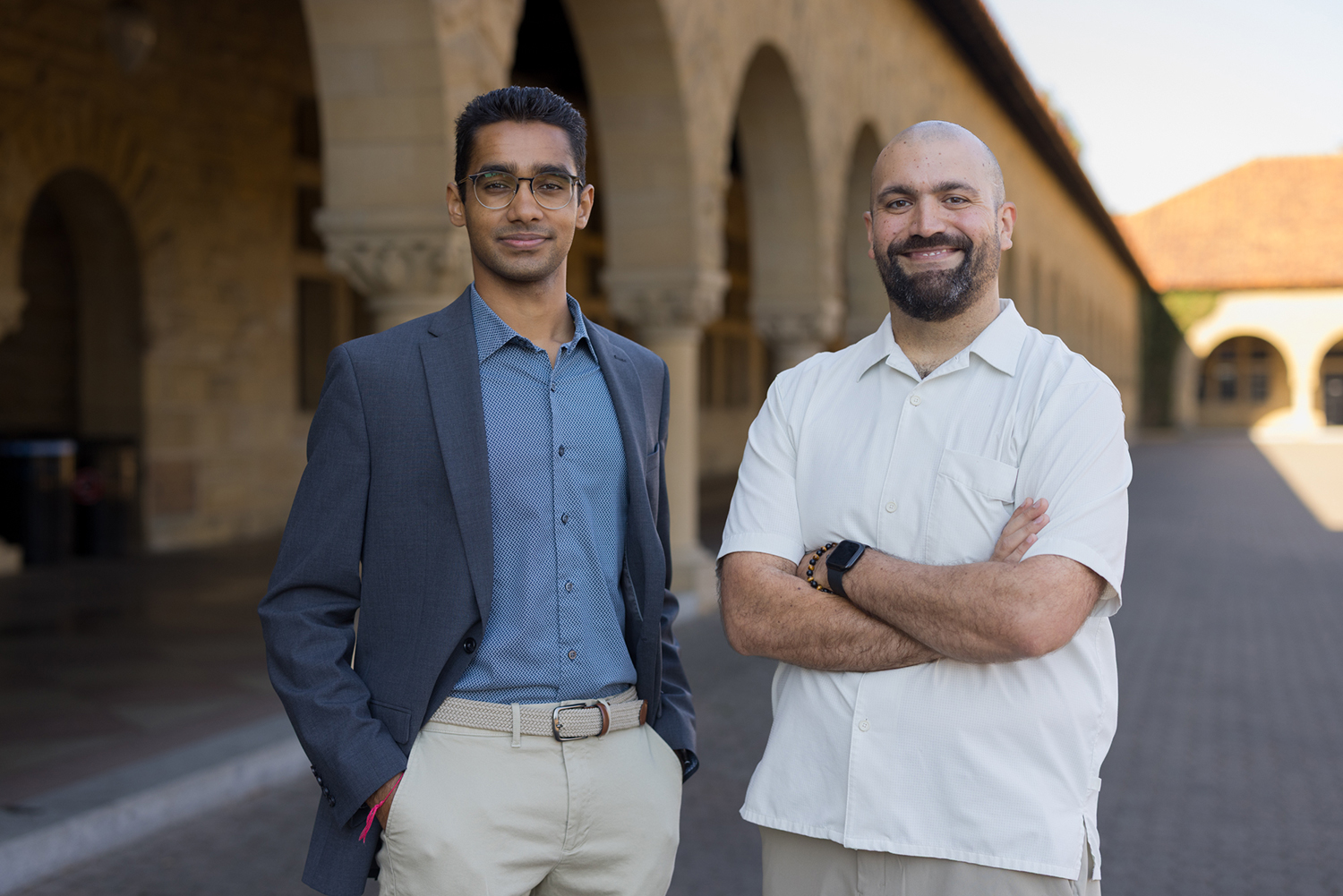
Why ALS damages some nerve cells that control muscle movement but spares others remains unclear. Stanford Medicine’s Aaron Gitler and colleagues are searching for answers.

Stanford football player finds joy in giving back
AthleticsProfile
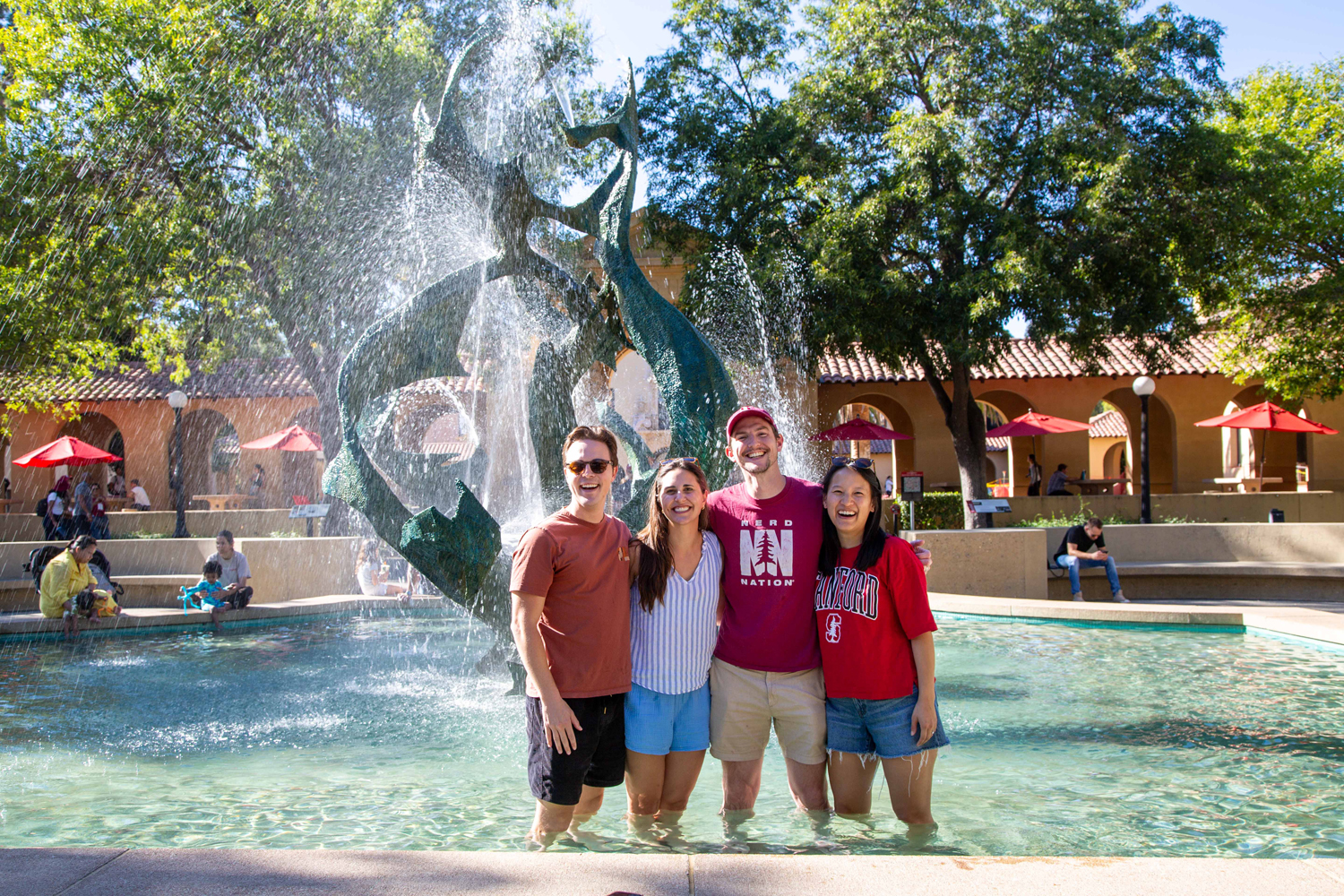
Psychology major and defensive lineman Braden Marceau-Olayinka – nicknamed “Big Smiley” as a frosh – puts in time to volunteer, coach youth football, and speak out about mental health.

Genetic study reveals surprising origin of Native Hawaiians
Health & MedicineResearch
An extensive genomic analysis suggests Hawaii’s first settlers were the most capable sailors of their time, crossing 7,000 kilometers of open ocean to reach their new home.
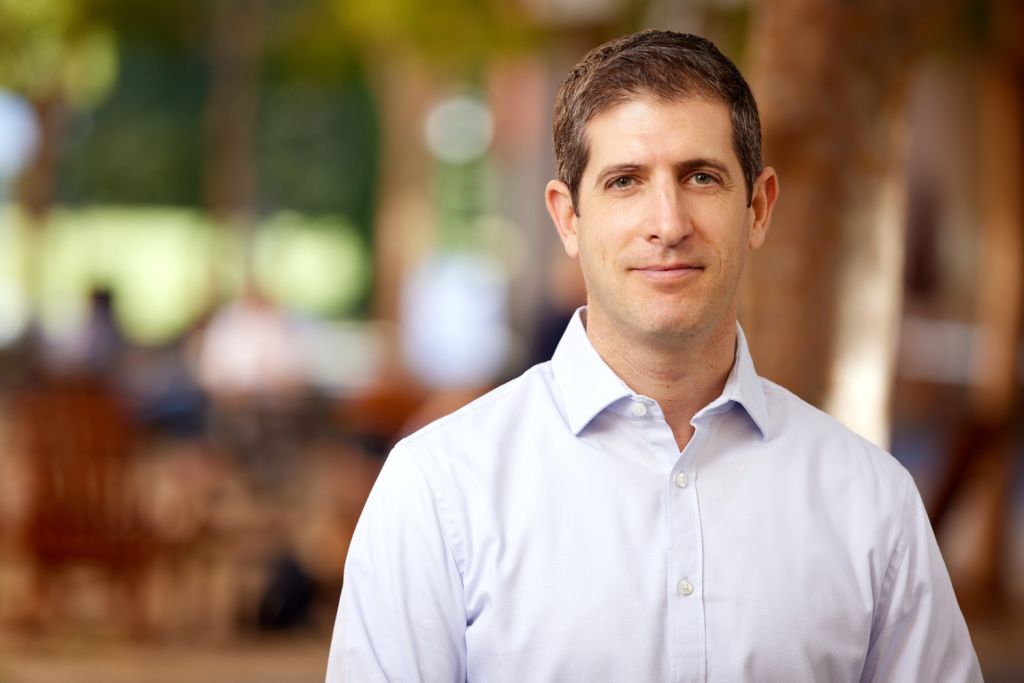
How to fix a broken hierarchy from the inside
BusinessQ&A
It’s hard to escape hierarchies. In a new book, organizational behavior professor Nir Halevy offers a method for diagnosing and treating dysfunctional ones.
In the News
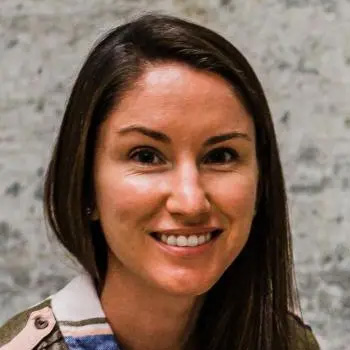
Fossils are our only opportunity to see into past biodiversity.
Christine Garcia, geoscience specimen collection curator and manager, commenting on an ice age tooth that has been donated to the Doerr School of Sustainability after being found in an open space preserve in San Mateo County.
Narcoleptic dogs help Stanford scientist crack a medical mystery
By studying a colony of narcoleptic dogs at Stanford, Emmanuel Mignot was able to track down a gene that seemed to play a central role in the condition.
Stanford team partners with youth on school air quality
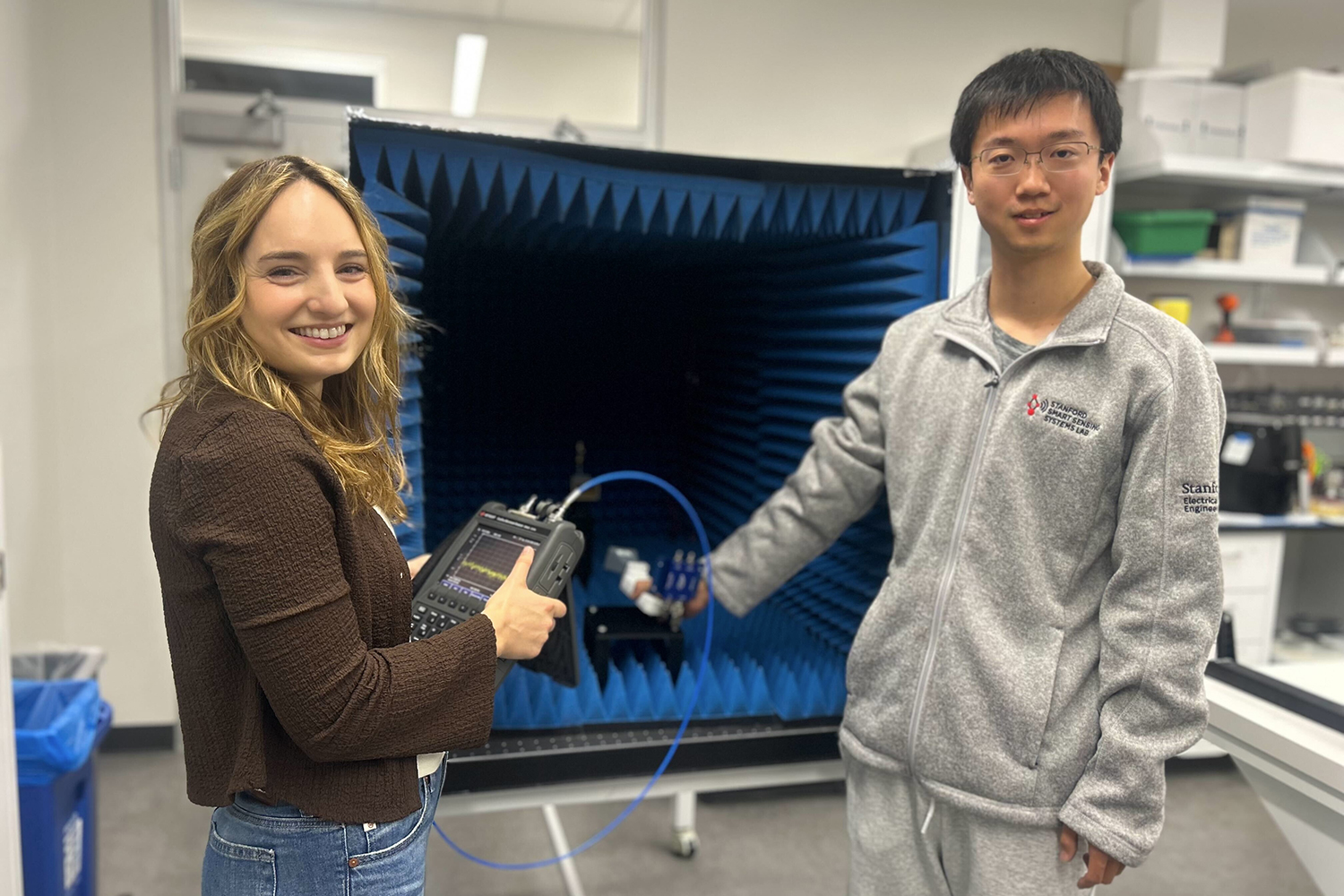
A Stanford research team is helping youth-led nonprofit ConServe expand low-cost air-pollution monitoring at schools and in underserved communities.
Research Matters


What I Wish I Knew About Luck
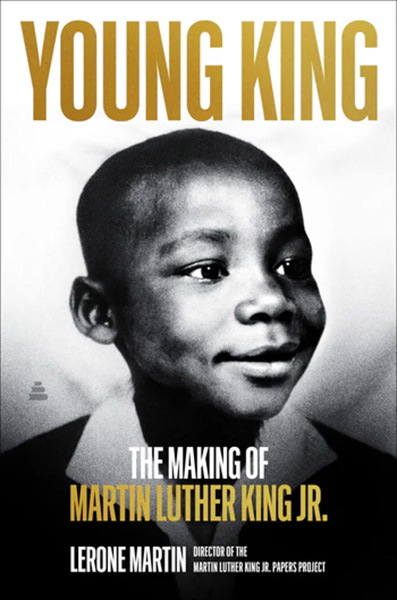
Young King: The Making of Martin Luther King Jr.
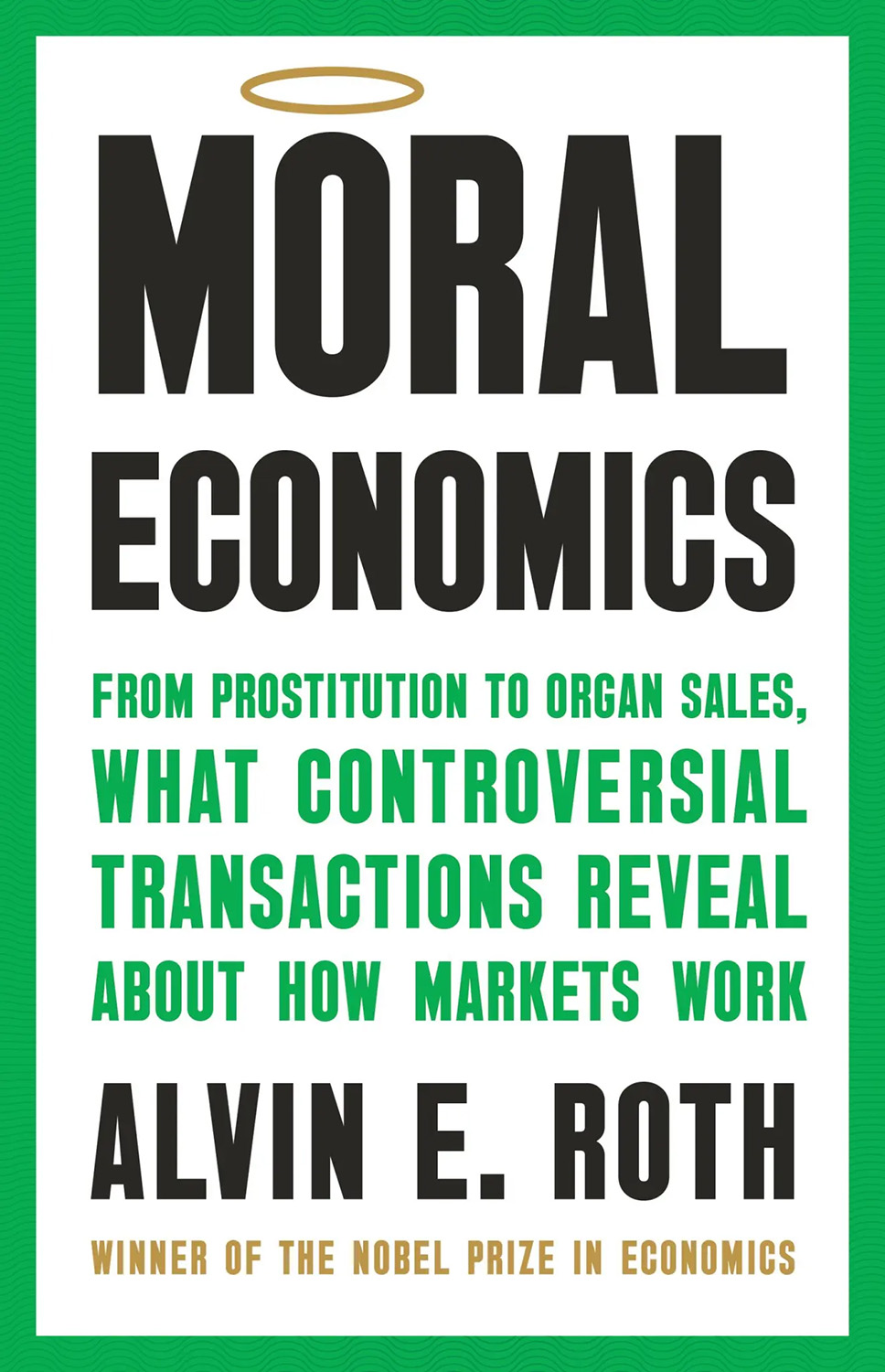
Moral Economics
Stories in Motion
MoreStories in MotionA new approach to forecasting toxic metals in wildfire smoke
Earth & ClimateVideo
Wildfires can turn natural metals in soil into toxic, airborne particles. Stanford researchers are working to predict where these metals travel and warn people in harm’s way.