In 1926, Emile Holman, MD, became the inaugural academic chair of the Department of Surgery at Stanford Medical School. At that time, the campus was situated in San Francisco; ether was the anesthesia of choice and antibiotics had yet to be discovered. Surgeries largely addressed emergencies such as appendicitis, hernias, fractures, and limbs that had fallen prey to gangrene. Over the next century, surgery, like all of medicine, rapidly subspecialized; many surgical firsts took place at Stanford Medicine.
“We’re setting ourselves on a new trajectory based on our incredible foundation,” said Mary Hawn, MD, the chair of the department and the Emile Holman Professor in Surgery. “The resources we have at Stanford, in terms of being on a major research university campus, accelerate our discoveries, and it’s making a difference for our patients every day.”
To honor that foundation, Hawn orchestrated an August event that brought together the departments of surgery and all of the surgical subspecialties to celebrate the centennial of Holman’s appointment as chair with a daylong program of talks and panels in which speakers shared stories about Holman’s influence, illuminated common themes and the past century’s innovations, and unveiled current projects.
Stanford surgery’s roots lie in San Francisco, with two different men. There, Samuel Elias Cooper founded the first medical school west of Missouri in 1858. At 19, he began practicing in Illinois with no training, and he later received a degree from a St. Louis school without taking a course. Colleagues there accused him of grave robbing, according to Robert Jackler, MD, a professor emeritus of otolaryngology. In San Francisco, Cooper performed California’s first Cesarean section. His nephew, Levi Cooper Lane, a scholar, built Cooper Medical College in 1870 as well as Lane Hospital. The college was acquired by and became Stanford’s Medical Department in 1908; later it became Stanford University School of Medicine.
Holman, the inaugural academic chair of the Surgery Department, trained at Johns Hopkins University under William Halsted, MD, a renowned surgeon, scientist, and educator of his time. Holman was a Stanford undergraduate who became Stanford University’s founding president David Starr Jordan’s secretary before studying as a Rhodes Scholar at Oxford. As Halsted’s last trainee, Holman carried the tenets of Halsted’s method of training surgical residents, and the importance of laboratory investigation in advancing the field, back to Stanford. He served 29 years as chair of the department, and his influence is still felt today.
“He was taught,” Hawn said, “that surgeons bring a unique perspective to science. They see the diseases they’re treating and use those observations to study and understand the pathology.”
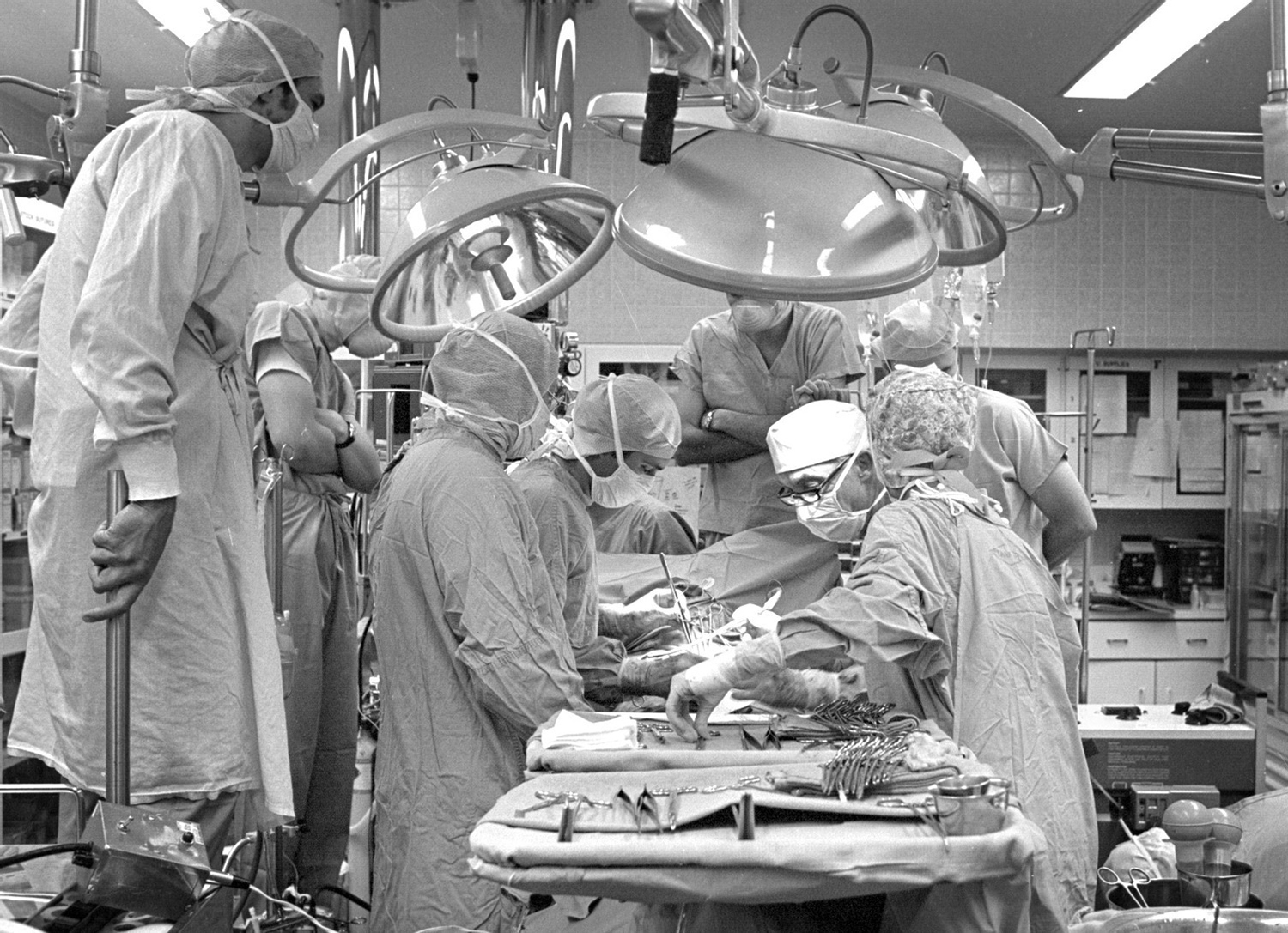
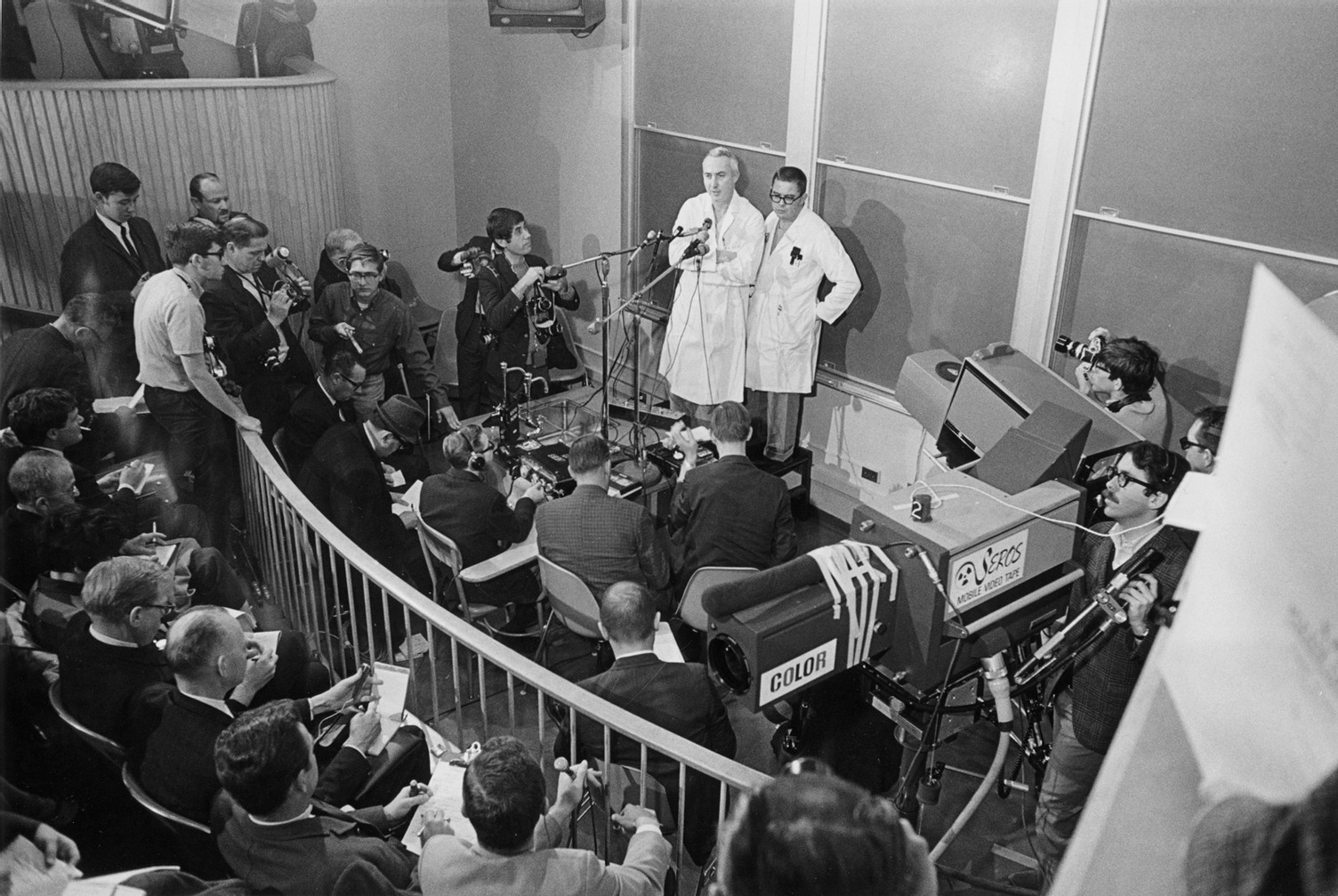
Bruce Reitz and Norman Shumway helped advance Stanford’s pioneering transplant program. In 1981, they performed the world’s first successful human heart-lung transplant at Stanford Hospital. | Stanford University archives
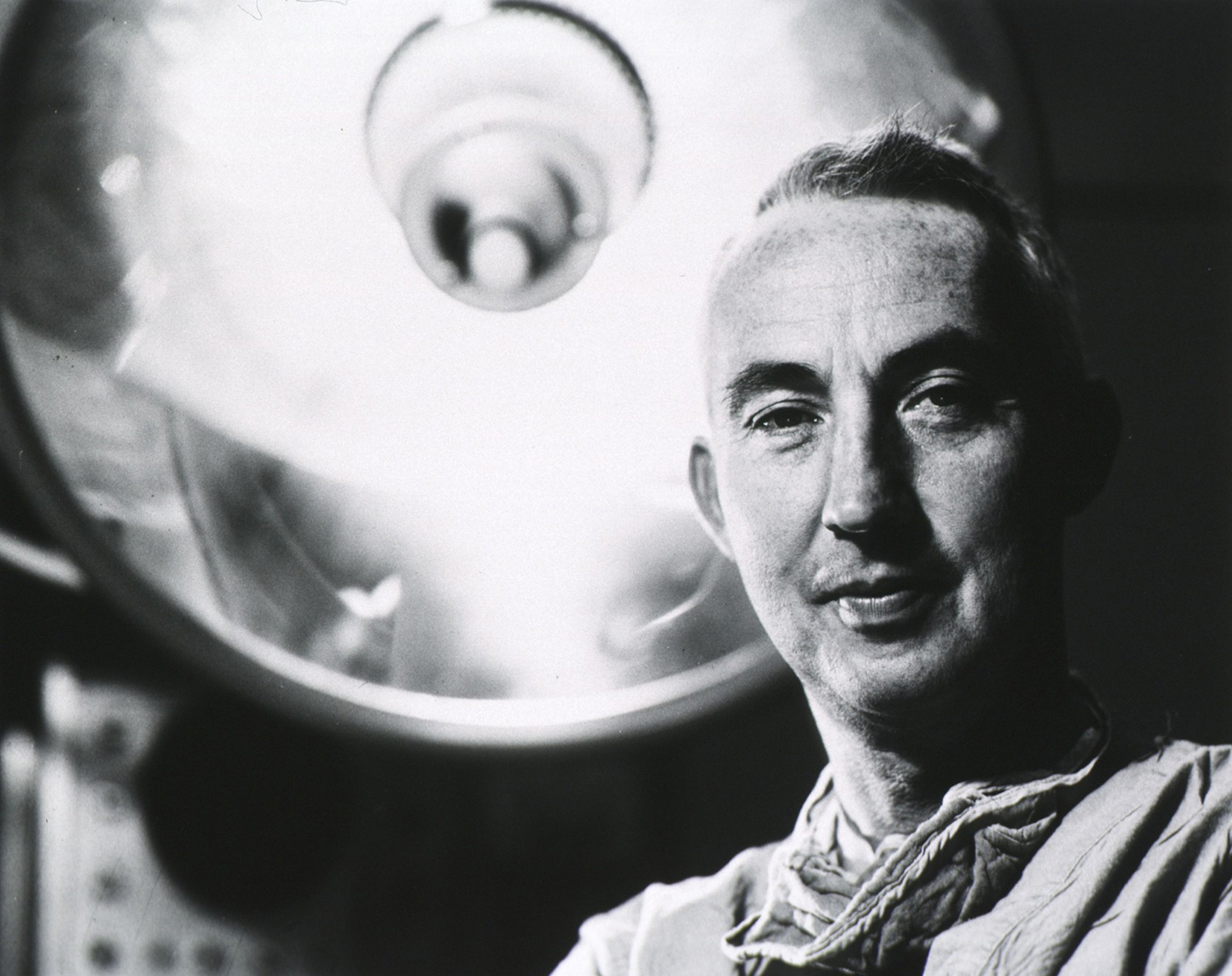
Shumway's team went on to refine surgical techniques and pioneer the use of the immunosuppressant cyclosporine to prevent organ rejection. | Stanford University archives
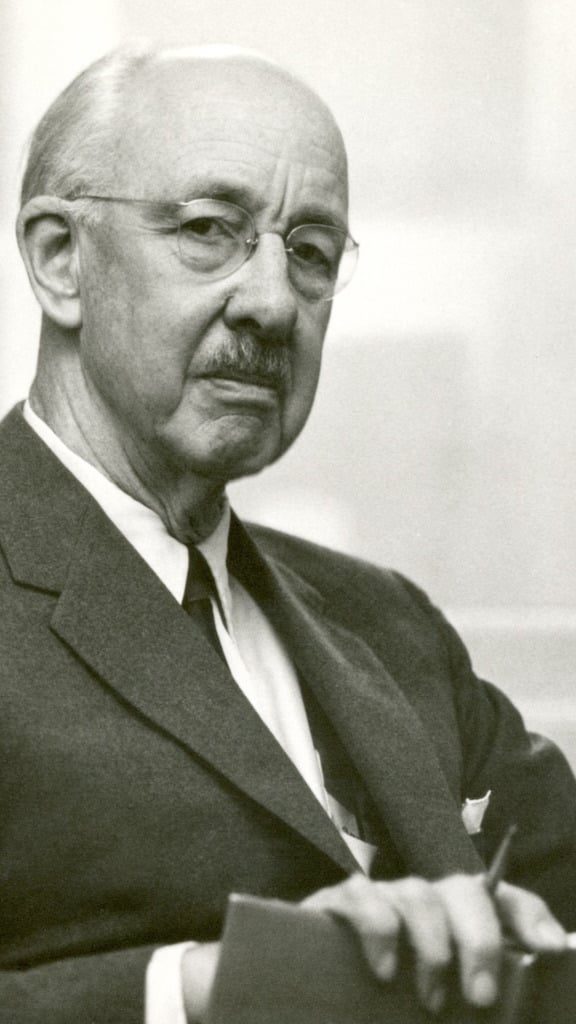
Emile Holman became Stanford’s first academic chair of surgery in 1926. During his 29 years as chair, he emphasized laboratory research and surgical training, laying a foundation for a century of discovery and innovation. | Stanford University archives
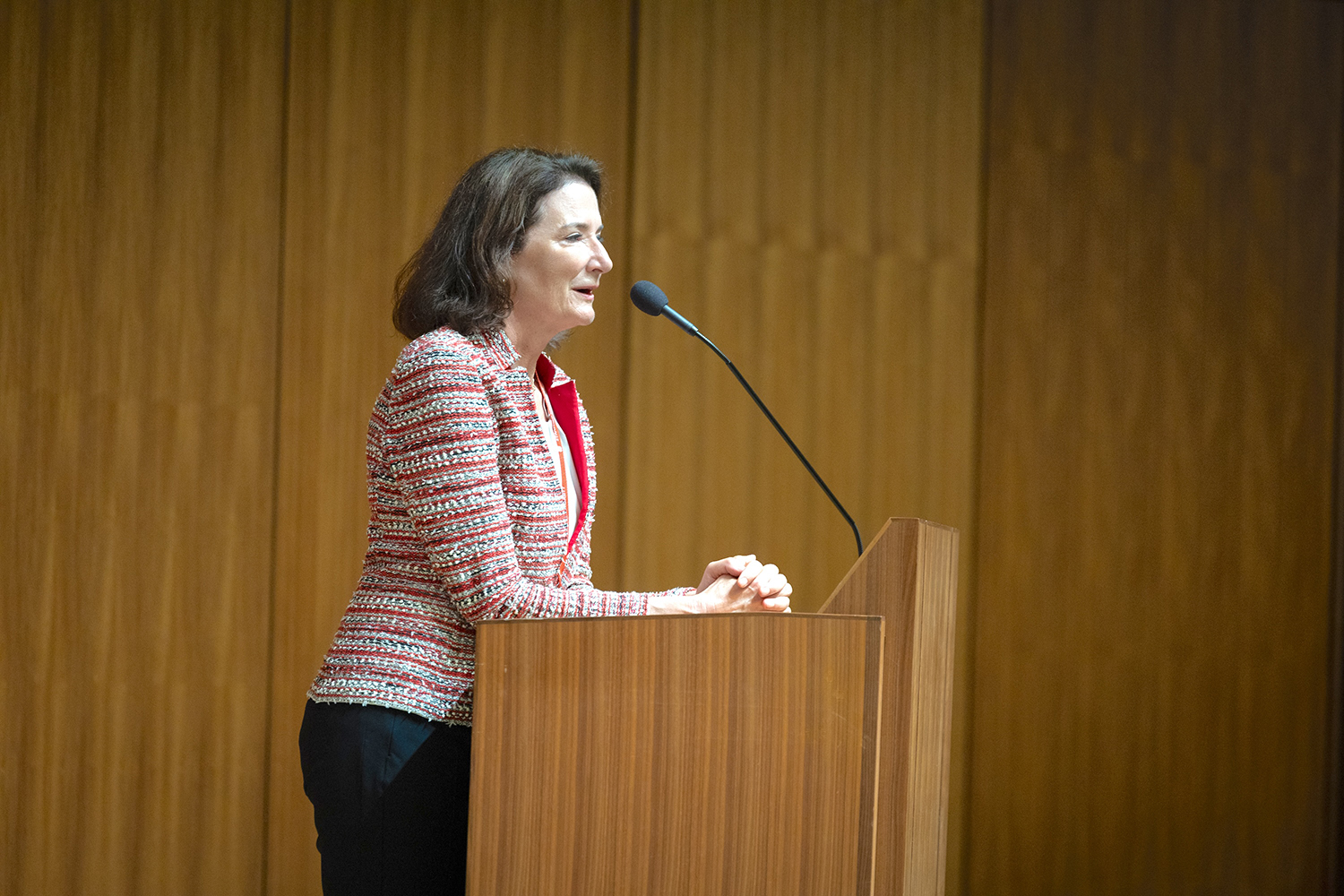
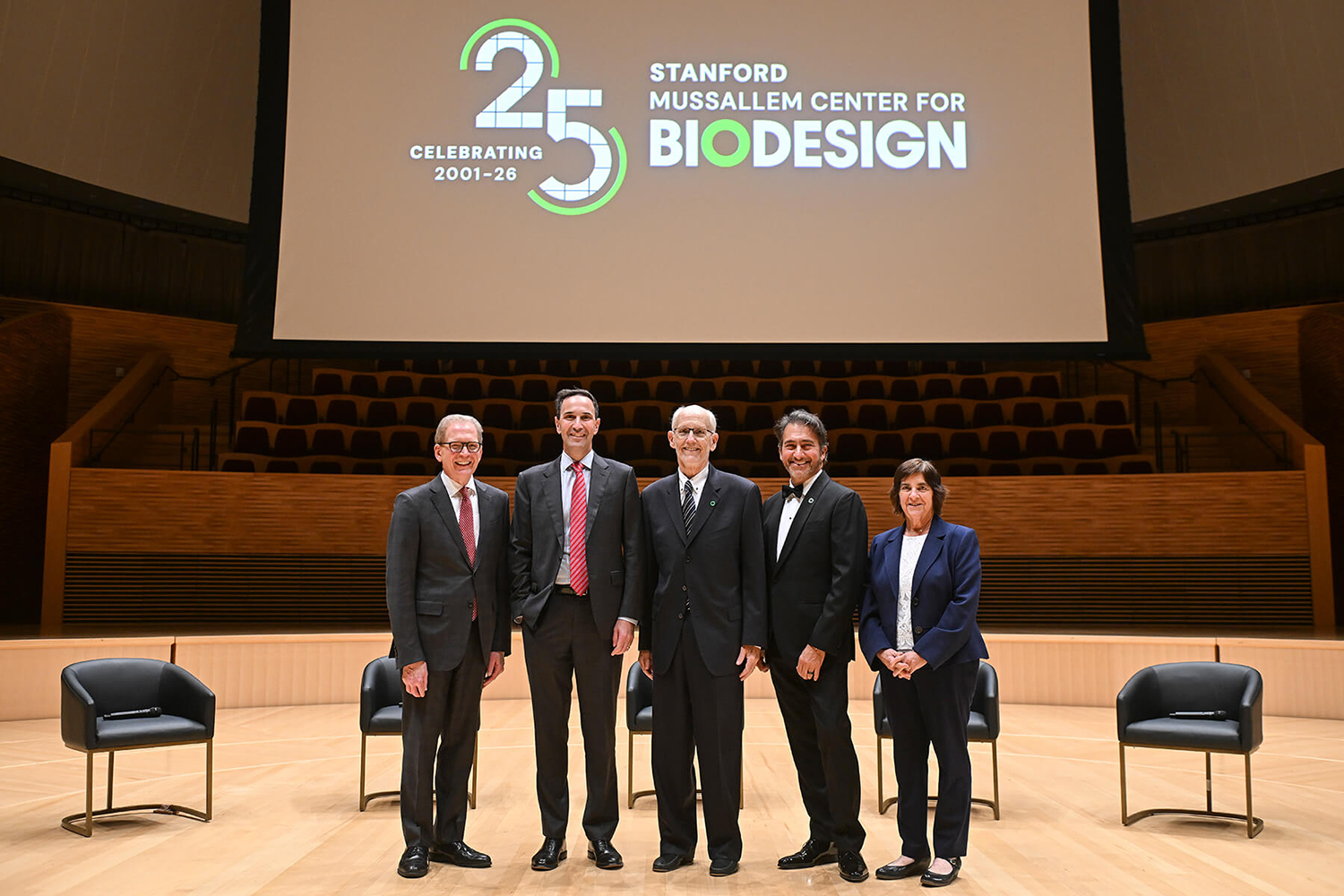
An August centennial gathering brought Stanford Medicine’s surgical specialties together to explore their shared history and research shaping the field’s future. “We’re setting ourselves on a new trajectory based on our incredible foundation,” said surgery Chair Mary Hawn. | Todd Rafalovich
Holman’s research focused on arteriovenous fistulas, abnormal connections between an artery and a vein, usually caused by a gunshot or stab wound. In dozens of papers, he showed that blood takes the path of least resistance, enlarging the artery and eventually the heart. “What he really showed was that physiology drives anatomy,” said Christopher Zarins, MD, professor emeritus of surgery, who founded Stanford’s vascular surgery division, at the event.
Decades later, at the University of Chicago, Zarins used the same model to show that blood flow regulates artery size. He became chief of Stanford Medicine’s first vascular surgery division in 1993, and he and the late Thomas Fogarty, MD, developed the AneuRx stent graft, approved by the U.S. Food and Drug Administration in 1999, which changed how aortic aneurysms are treated. An engineering graduate student named Charles Taylor took on computing blood flow in human arteries from CT scans. The work became HeartFlow, which helps doctors decide whether a narrowing needs a stent without an invasive catheter test. It became a frontline test in cardiac guidelines in 2021. “His research on arteriovenous fistula a century ago lives on today in [artificial intelligence] enabled management of coronary disease,” Zarins said.
Despite opposing World War II, Holman volunteered for the Navy. During his service, Holman removed a bullet from the heart of Dean Darrow, a sailor wounded in the attack on Pearl Harbor, at Mare Island Naval Hospital in California. The bullet was discovered on an X-ray while Darrow was being treated for appendicitis. Darrow survived and married his nurse, Alice Beck. Although Darrow passed away in 1991, his widow attended the August celebration at age 107. The couple remained grateful to Holman for his expert care. In 2025, she donated the bullet to the Pearl Harbor National Memorial museum.
Holman’s wife, Ann Purdy, MD, was also a Johns Hopkins-trained physician. A pediatric cardiologist, Purdy was instrumental in launching the career of the young cardiac surgeon Norman Shumway, MD, PhD, who in 1968, at Stanford Hospital, performed the first adult heart transplant in the United States.
Caroline Palmer, MD, was another early leader at the former Cooper Medical School, serving as the first chair of the anesthesia unit, then part of surgery. She implemented policies considered avant-garde 100 years ago – anesthesiologists must be doctors; anesthesiologists need to meet with patients before surgery; women in labor should be offered anesthesia.
Out of the city
In 1959, the medical school moved south to the Stanford University campus, “a very, very sleepy place,” according to Larry Shuer, MD, a professor of neurosurgery. But the physical proximity to the main campus put surgeons across the street from engineers and basic scientists and launched an era of interdisciplinary collaboration that continues today.
Soon after the move came a couple of firsts at Stanford Medicine for transplantation. In addition to his research on arteriovenous fistulas, Holman had observed that skin grafts from a child’s parents were rejected, and that a second graft was rejected far faster, an early glimpse of the immune system’s memory. In 1961, Roy Cohn, MD, and then-resident Samuel Kountz, MD, performed one of the first kidney transplants between a donor and recipient who were not identical twins. Twenty years later, Bruce Reitz, MD, professor of cardiothoracic surgery, together with Shumway, performed the world’s first successful human heart-lung transplant at Stanford Hospital. “Often we say that we stand on the shoulders of giants,” transplant surgeon Stephan Busque, MD, a professor of surgery, recalled at the August event. “What I didn’t know is how tall they were.”
A similar story of determination leading to success is seen in heart transplantation. Although Shumway’s first patient lived only two weeks, Shumway – unlike most of his colleagues around the United States who abandoned heart transplants altogether – kept trying. Cardiac surgeon Craig Miller, MD, a professor emeritus of surgery, said Shumway’s team “kept chugging away, trying new things, conquering challenges.” Shumway eventually pioneered the use of cyclosporine, an immunosuppressant medication, to prevent organ rejection.
He also performed heart transplants on children, including Elizabeth Craze in 1984. At the time, just shy of her third birthday, she was one of the world’s youngest heart recipients.
“In 2021, Mackenzie Collins – a basketball-loving 14-year-old – became the 500th heart transplant patient” at Lucile Packard Children’s Hospital Stanford, said Paul King, CEO of Stanford Medicine Children’s Health. “Five hundred children. That’s a lot of dreams. A lot of soccer games, dance classes, swim meets and boundless joy.”
Shumway was also instrumental in changing surgical training. His 1960s residency plan mixed cardiac and general surgery so trainees could operate on the heart sooner in their training. “He was 30 years ahead of his time with the new integrated residencies, which we have now,” Miller said.
Expansion of subspecialties
As the nuances of each surgical specialty’s practice and education grew, several branched off from the original department. While cardiothoracic surgery, neurosurgery, orthopaedic surgery, otolaryngology and urology each founded their own departments, the collaborations continued.
Pediatric surgery became a division of surgery in 1977 under Stephen Shochat, MD. He built collaborations with pediatric oncologists and radiation oncologists, including a joint tumor board, that Gary Hartman, MD, a clinical professor of surgery, said, “would today be called team medicine.” A similar partnership with neonatologists brought extracorporeal membrane oxygenation, a form of heart-lung bypass, to Stanford Medicine’s youngest patients in the 1980s; in 2007, a team led by Hartman and cardiothoracic surgeon Frank Hanley, MD, separated Costa Rican twins Yurelia and Fiorella Rocha-Arias, who shared a liver and had connected hearts, in what the pediatric surgery division describes as its first separation of conjoined twins with congenital heart disease.
In 1978, Robert Chase, MD, and Rod Hentz, MD, started a hand surgery section at Stanford Medicine with one secretary, one tiny office, one exam room and one resident. By 1985, it had become a division that integrated orthopaedic and plastic surgery faculty and training, drawing together disciplines that had each treated a piece of the hand. Now known as the Robert A. Chase Hand and Upper Limb Center, it resides at the Stanford Medicine Center in Redwood City, California. Amy Ladd, MD, a professor emerita of surgery, summed up Chase’s approach as “crossing boundaries, teaching generously and staying curious.”
Thomas Krummel, MD, who chaired the department from 1998 to 2015, co-directed Stanford Biodesign, which teaches clinicians, engineers and business students to identify unmet needs and invent solutions. Jason Lee, MD, chief of vascular surgery, who said the program’s work has helped 13 million patients and spawned 57 companies, called it “the crown jewel of the Department of Surgery.”
In the late 1980s, John Adler, MD, now a professor emeritus of neurosurgery, developed the CyberKnife, a novel system for treating various types of tumors with radiation. A robotic arm attached to a linear accelerator, it aims radiation at a tumor while advanced targeting compensates for the patient’s breathing, significantly reducing the amount of healthy tissue that is affected. It opened a new field of image-guided radiosurgery.
Often we say that we stand on the shoulders of giants. What I didn’t know is how tall they were.Stephan BusqueProfessor of Surgery
The innovations continue
Surgeons at Stanford Medicine are currently developing a host of innovations to improve care, including devices that cause intestines to expand for treatment of short bowel syndrome and medications to avoid or even repair scarring.
“There are constantly projects in the works to make surgery more precise, more efficient, more effective. AI-guided systems. Robotic tools. New training platforms,” said David Entwistle, CEO and president of Stanford Health Care. “You are not only looking to the future; you are creating it – to the benefit of patients and families around the globe.”
James Dunn, MD, PhD, chief of pediatric surgery, has developed a compressed spring, placed inside a segment of bowel, that coaxes the intestine to grow. About 20 patients have been treated in the first-in-human study, and many have weaned off intravenous nutrition completely or significantly reduced it, Dunn shared at the event. “What we did not anticipate … is that the rest of the intestine also grew,” Dunn said. Plastic surgeon Michael Longaker, MD, has shown that a single injection of a drug already approved for macular degeneration prevented scarring in mice and pigs, and he hopes to begin a first-in-human trial in about a year. And Carla Pugh, MD, PhD, the Thomas Krummel Professor and a professor of surgery, has created sensor- and motion-tracking technologies to evaluate the skills of students and trainees.
There have also been many improvements aided by artificial intelligence. Researchers in the laboratory of Nazish Sayed, MD, PhD, are integrating artificial intelligence and machine learning with stem cell biology, vascular disease modeling, and advanced molecular profiling to better understand cardiovascular diseases and develop personalized therapeutic strategies. Meanwhile, Chloe Nobuhara, MD, a general surgery resident, is working with Teodor Grantcharov, MD, PhD, to improve safety in the operating room using OR Black Box, a recording system for operating rooms, modeled on an airplane’s flight recorder, that helps surgical teams learn from what happens during operations.
“There was so much collective pride on display across the departments of surgery,” Hawn said of the August event. “Often, we live in our own little silos. But it was such a wonderful opportunity to come together to celebrate and to learn about our shared history. The principles that Dr. Holman brought continue to live on incredibly strong in our department.”
“With Mary [Hawn]’s leadership, this department continues to excel; continues to achieve new levels of excellence in patient care, research and education,” said Lloyd Minor, MD, the Carl and Elizabeth Naumann Dean of the School of Medicine and vice president for medical affairs at Stanford University, at the 100-year celebration. “Today, our surgical specialties are widely regarded as some of the world’s best because of the ways we innovate and for how those innovations go on to benefit patients.”
For more information
This story was originally published by Stanford Medicine.
Writers
Rachel Baker
Krista Conger
Mandy Erickson