AI has the potential to enhance the reliability, transparency, and efficiency of scientific research, but it also introduces new challenges. This April, the 6th Annual Stanford Data Science CORES Symposium 2026 brought together more than 200 researchers, data scientists, and practitioners from fields as diverse as political science, psychology, computer science, and astrophysics to explore the theme of AI and scientific reproducibility.
CORES, or the Center for Open and REproducible Science, works to ensure that data-driven discoveries across all fields meet rigorous standards of transparency and reproducibility. Its goal is to make open science a standard practice.
The day’s agenda included keynote addresses from Stanford’s Yiqing Xu, assistant professor of political science, and Ludwig Schmidt, assistant professor of computer science, and Visiting Research Fellow Steffen Bollmann on the state of scientific benchmarking and coding agents; three technical talks on neuroscience, AI agents, and the cosmos; and a panel discussion on AI trustworthiness.
Images by David Gonzales / Stanford Data Science
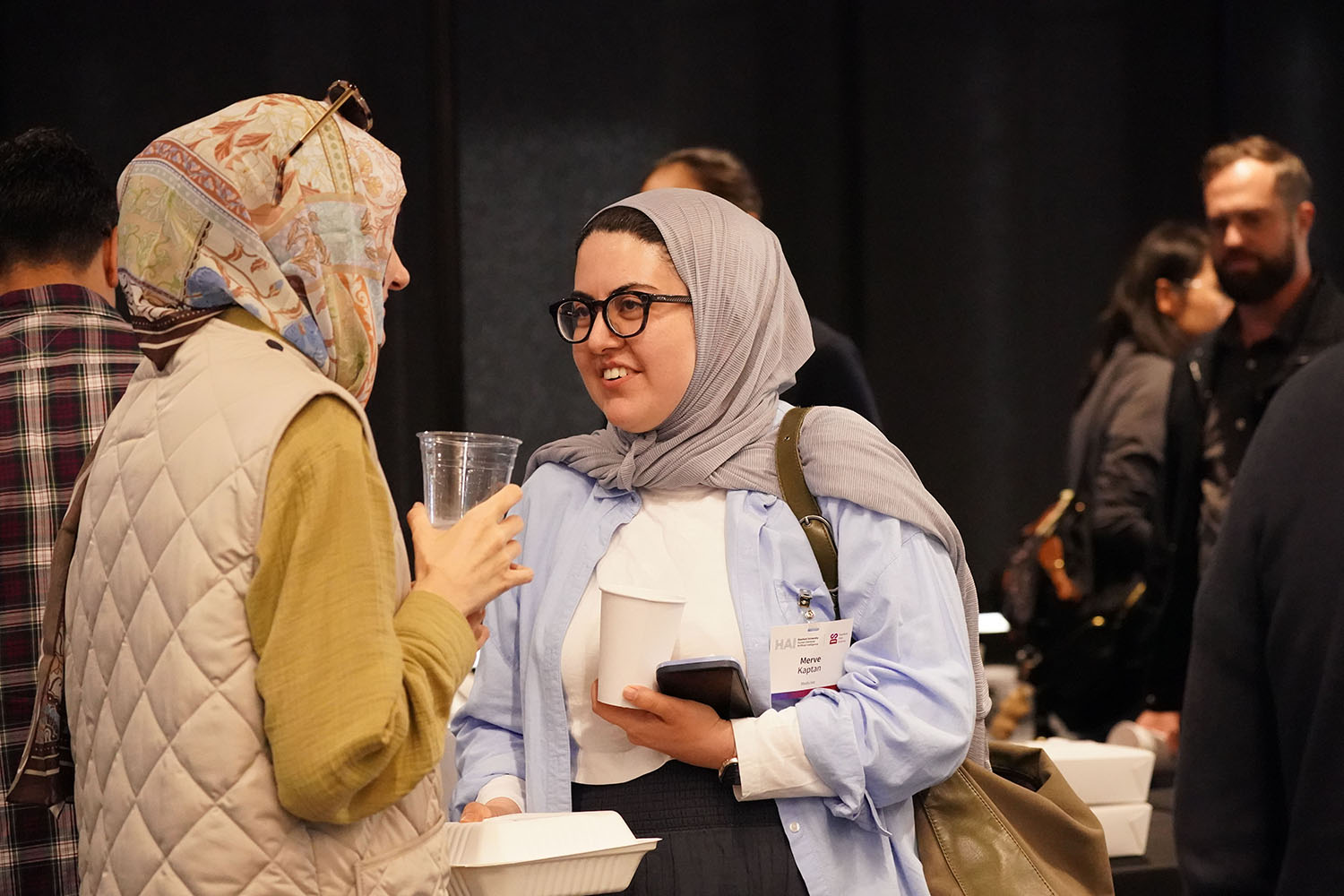
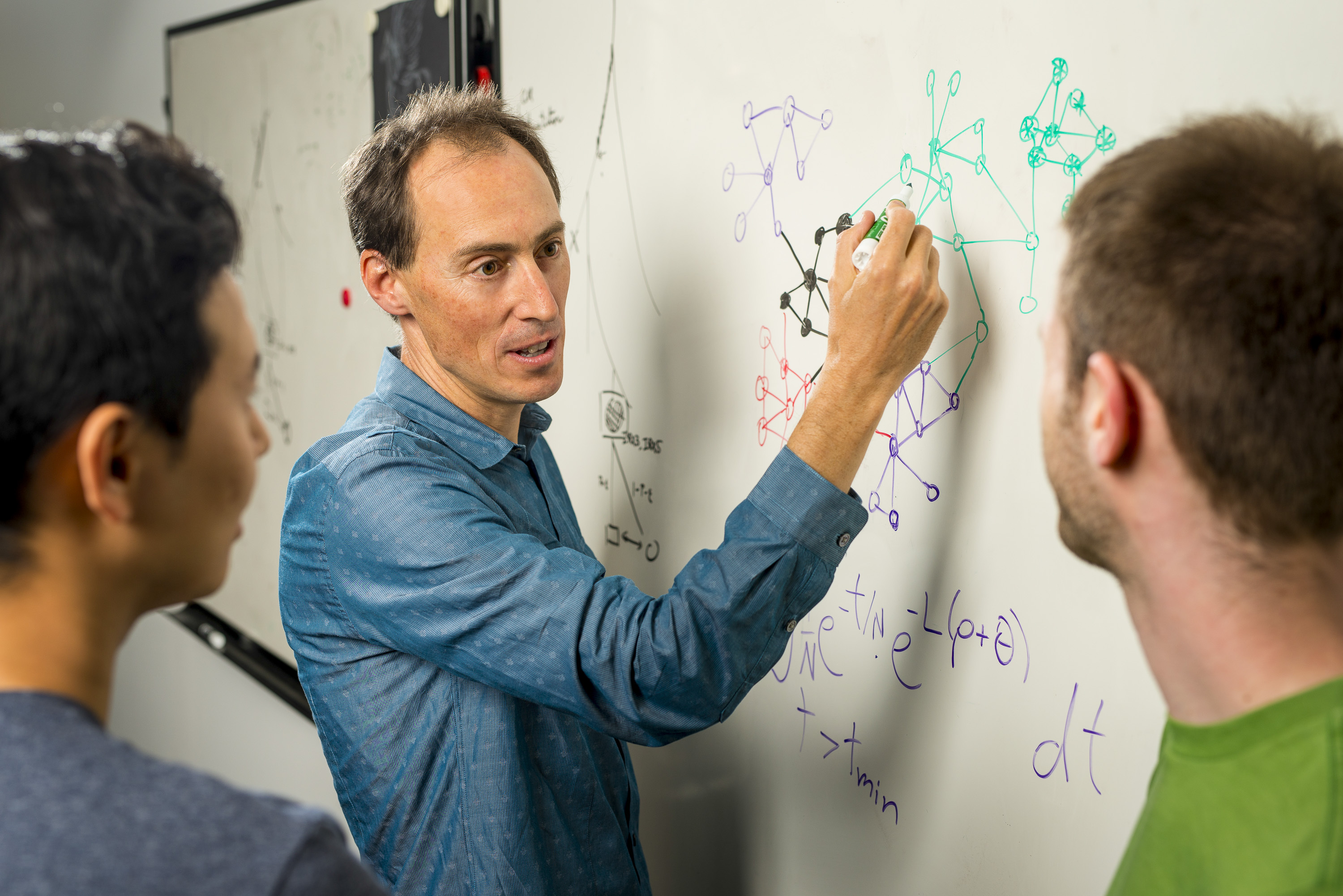
Attendees mingle during a break at the 6th Annual Stanford Data Science CORES Symposium.
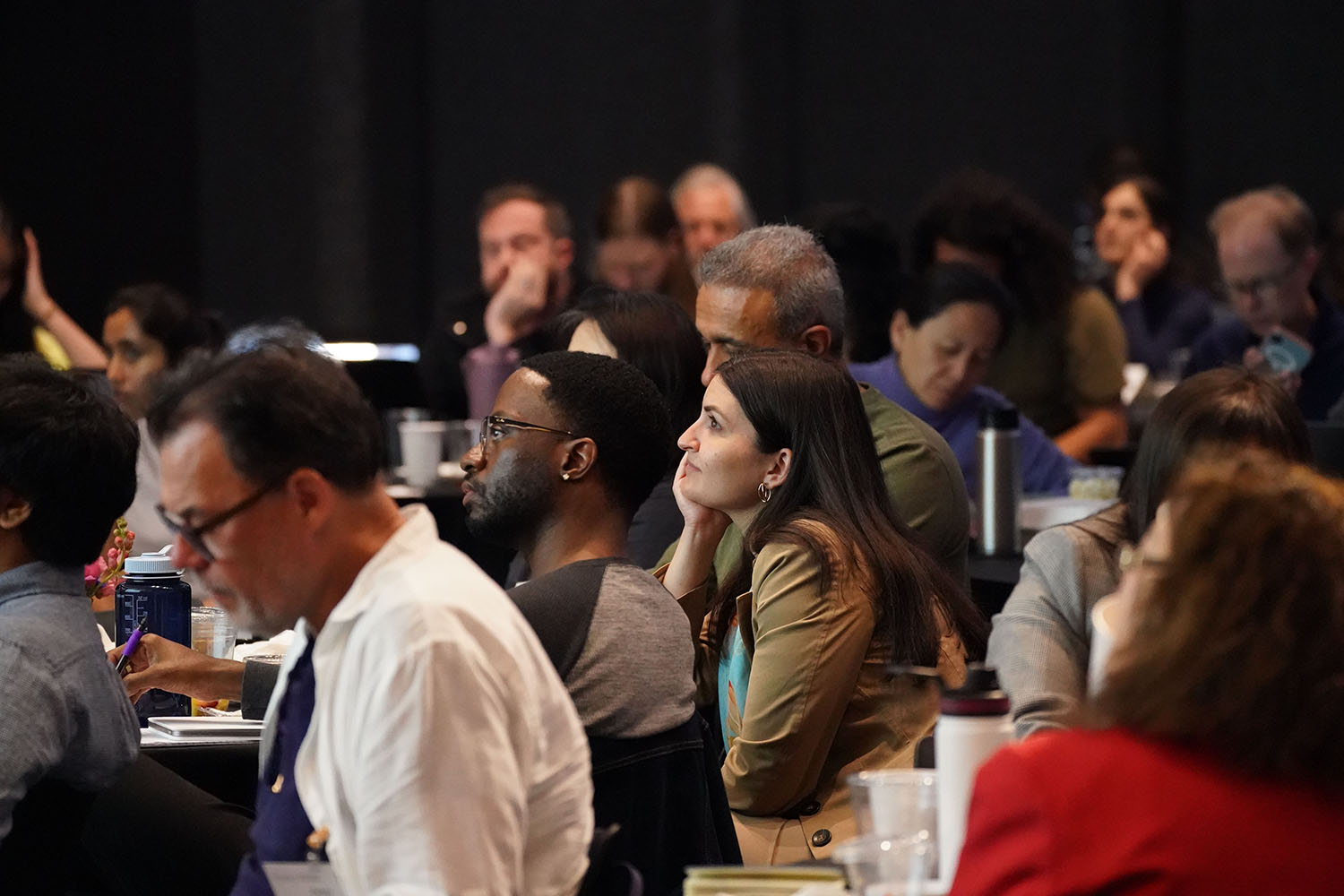
The symposium brought together more than 200 researchers, data scientists, and practitioners to discuss AI and scientific reproducibility.
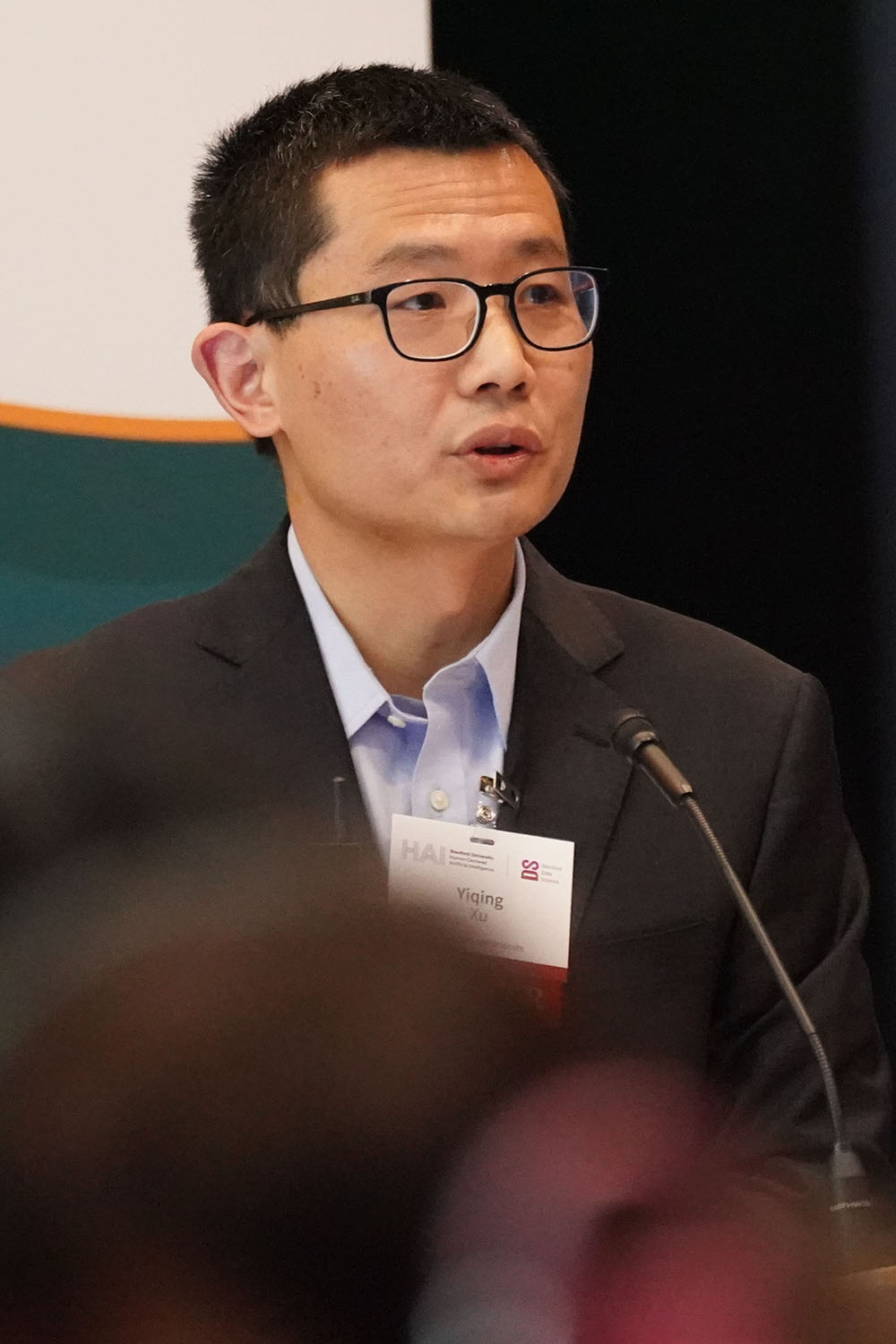
Yiqing Xu, assistant professor of political science, presents on scaling reproducibility in AI-assisted workflows.
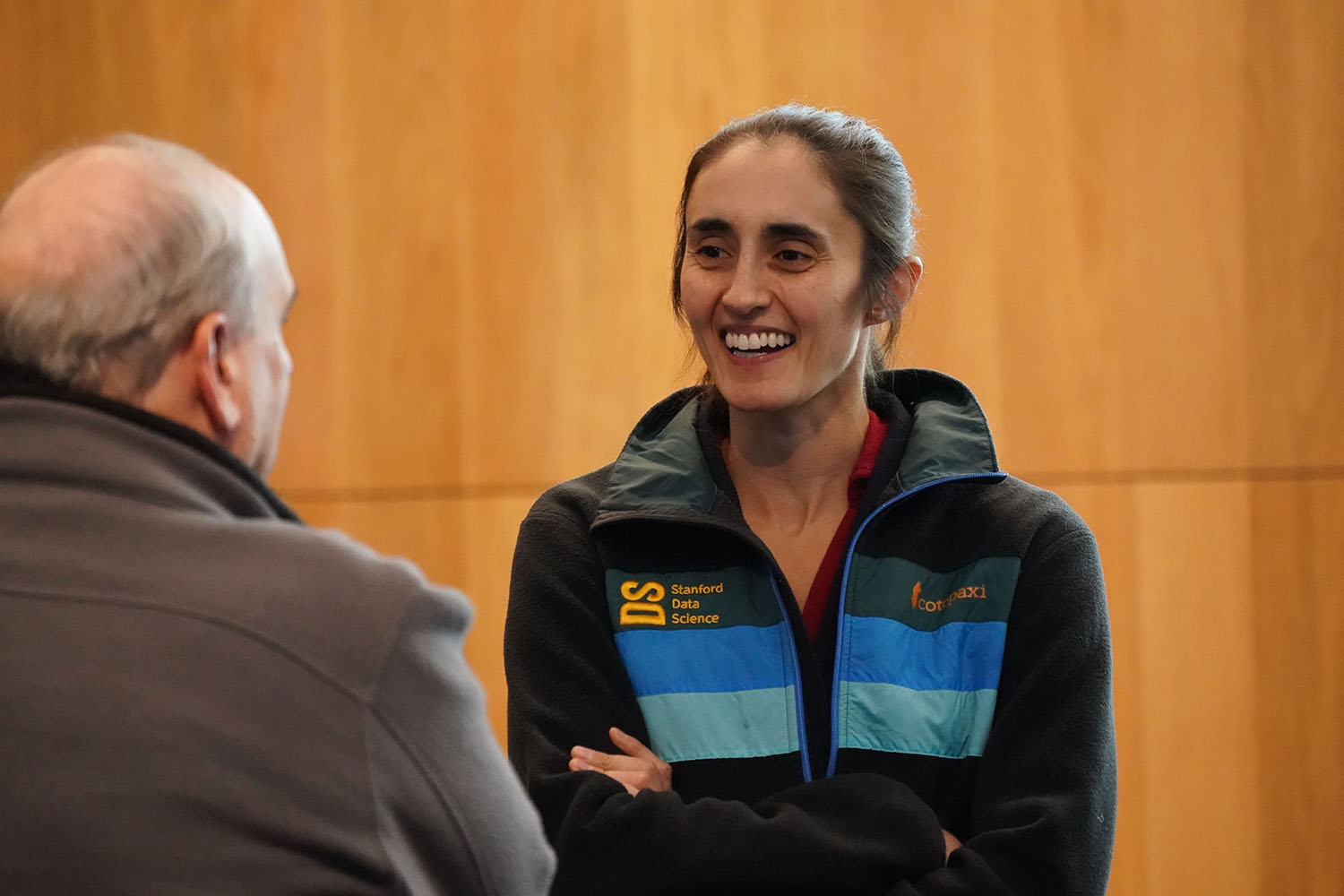
Guests network during the symposium reception.
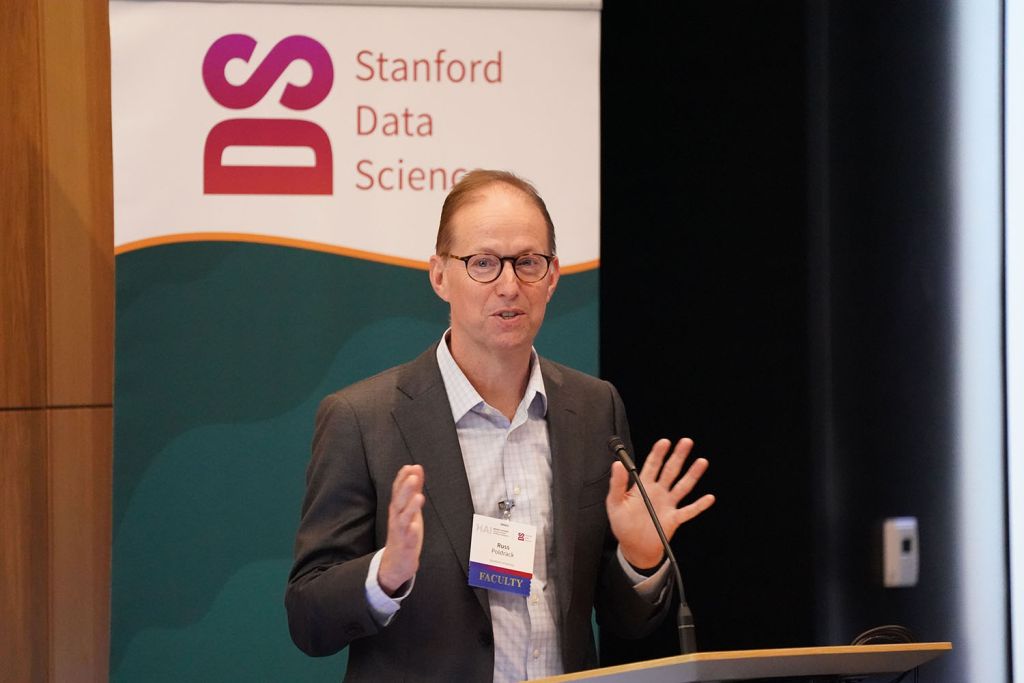
Here, psychology professor and CORES Faculty Director Russell Poldrack reflects on the day’s highlights.
How did participants engage with the theme of trustworthy AI at this year’s symposium?
Trust in AI has become a central question for reproducible scholarship, whether it’s a traditional science discipline or a field within the humanities. If we want to get answers about the world, such as whether a drug will cure a disease or if a chemical we’re putting into the air is harming the environment, we turn to science. Underlying our faith is the idea that science can give us objective, reliable, and reproducible answers – as compared to relying on our gut. If I do the same experiment five times, I should get the same result, within an acceptable margin of error.
AI tools make it easy to generate much more output than humans can possibly review, so one of the fundamental questions of our symposium was, “How do we make AI trustworthy enough that we can count on it to give us scientific answers?” To answer this question, we need to know how trustworthy AI is today and what threshold of trust we need to attain in the future. We want to make sure that when AI does science on our behalf, it gives answers that are as reproducible as possible. I was excited to hear so many people discussing this topic throughout the day.
Where do scholars see AI helping with the goal of reproducible science?
One benefit is that AI fundamentally accelerates the ability to reproduce a scholar’s work after it’s published. Yiqing Xu gave a keynote on this topic (“Scaling Reproducibility: An AI-Assisted Workflow for Large-Scale Replication and Reanalysis”).
Another positive development is around data analysis. We’ve learned from past work that different researchers will analyze the same dataset in different ways, often arriving at different conclusions. From that experience, we know it’s important to analyze data in a number of plausible ways, and then ask, “How consistent are the results across those different analyses?” We call this multiverse analysis, and it tells us how sensitive the results are to variable ways of analyzing the data. AI tools make it much easier to implement this approach. If there are 200 different analyses you want to run, AI makes it possible to implement them all much faster.
What do you see as the biggest opportunity ahead for reproducible science?
Automated software coding is a major development that enables scientists to run more complex experiments and analyze data faster, at scale, and with greater accuracy. But it comes with new risks. Software engineering plays a critical role in science, but most scientists have no formal training in it. Until the advent of strong AI coding tools about three years ago, most scientists wrote their own code to analyze data.
Now, scientists have strong AI coding tools that can help them generate better code, but this can also go wrong in unexpected ways, so an essential question becomes: How do you validate automatically generated code, to make sure it’s giving you the right answers? This is the topic of my new living textbook, Better Code, Better Science.
What’s the greatest concern with AI for researchers who are committed to open science practices?
We need to align AI systems with our scientific values. Scholars value getting it right. We’re incentivized to do that because if we publish papers that are consistently wrong, people are going to stop listening to us. But right now, AI systems are not trained with that set of values. Instead, they’re trained to give people answers that they like. This is a place where we have a lot of work to do. Fortunately, there is ongoing progress on this front; for example, the latest version of Claude Opus has been explicitly trained to be more “honest.”
What next steps emerged from the day?
There is growing excitement for building benchmarks to test how well AI tools can support reproducible science. Ludwig Schmidt discussed a new benchmark his team is creating called Terminal-Bench Science, while Steffen Bollmann also talked about developing benchmarks in neuroscience. There’s a lot of ongoing activity for benchmarking AI in other areas, but standards are just emerging for evaluating AI in scientific research.
Another major initiative involves developing incentives for practicing open science in academic settings. Years ago, a group of university leaders formed the Higher Education Leadership Initiative for Open Scholarship (HELIOS Open) to align academic career paths with the principles of open and reproducible science. Zach Chandler, director of open scholarship strategy for CORES, represents Stanford with this organization now, and that’s an important role, because ultimately, if you don’t change the way people are hired, promoted, and tenured, you’re not going to change the way science is done.
CORES Awards 2026
Each year, CORES recognizes champions of reproducible science and innovators who demonstrate a commitment to furthering transparent science practices at Stanford and beyond. Four scholars received these awards at the CORES Symposium 2026:
- Rhiju Das, professor of biochemistry in the School of Medicine, received the Open Science Champion Prize for Eterna, an open source RNA-folding “science discovery game” powered by 37,000 citizen scientists.
- Rosemary Knight, the George L. Harrington Professor and professor of geophysics at the Stanford Doerr School of Sustainability and senior fellow at the Woods Institute for the Environment, also won the Open Science Champion Prize for her work in hydrogeophysics and the Taking the Pulse of the Planet initiative.
- Ellianna Abrahams, research software engineer at the Stanford Doerr School of Sustainability, earned the Open Science Innovator award for developing a prize-winning Python package and serving on the leadership team for NASA’s CryoCloud, a cloud computing platform that supports hundreds of scientists across geoscience disciplines in doing open and accessible research.
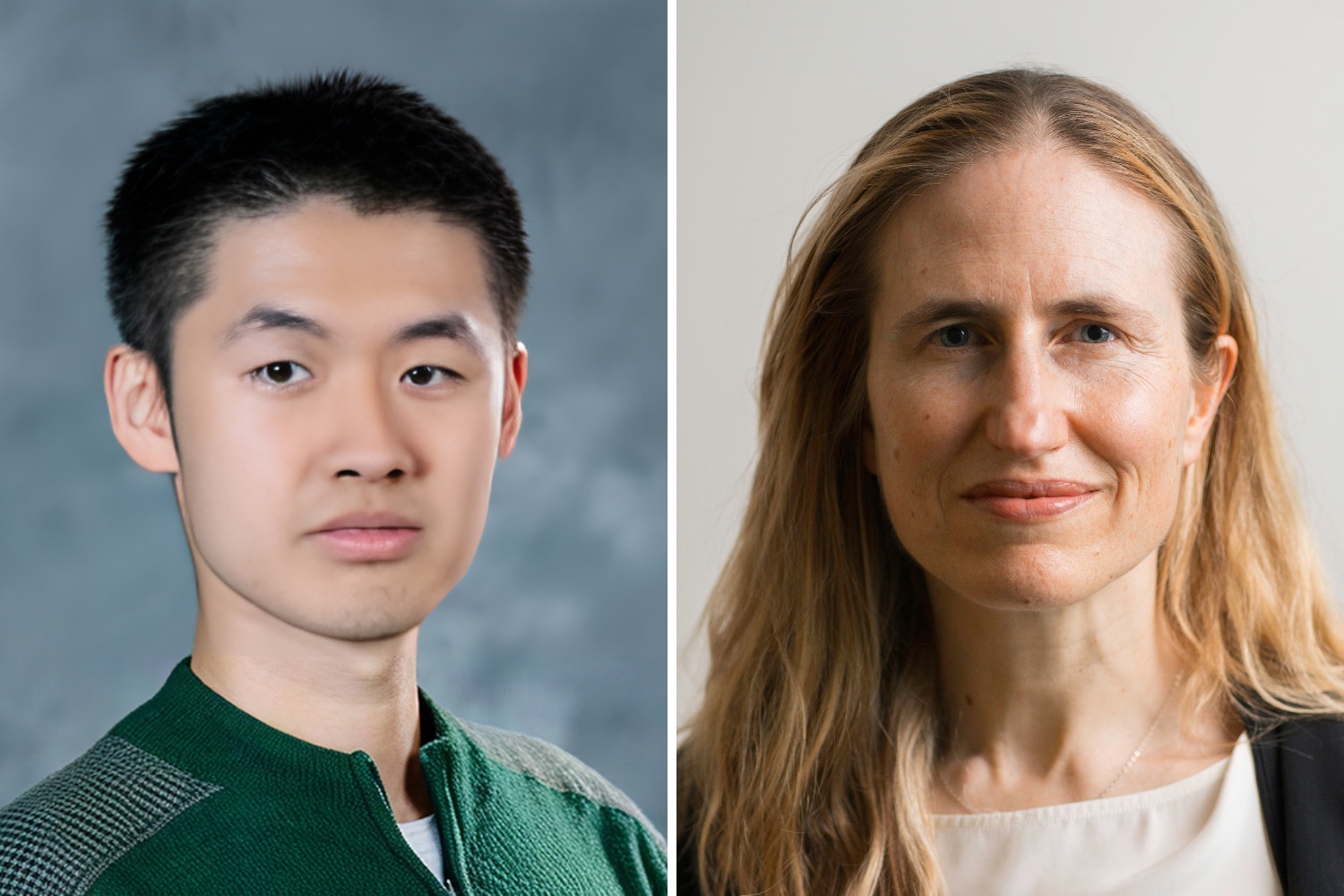
- Sang Truong, PhD student in computer science and Stanford Data Science Scholar/HAI Fellow, was recognized with the Open Science Innovator award for developing novel open source methods for AI measurement science.
For more information
This story was originally published by Stanford Data Science.
Writer
Nikki Goth Itoi