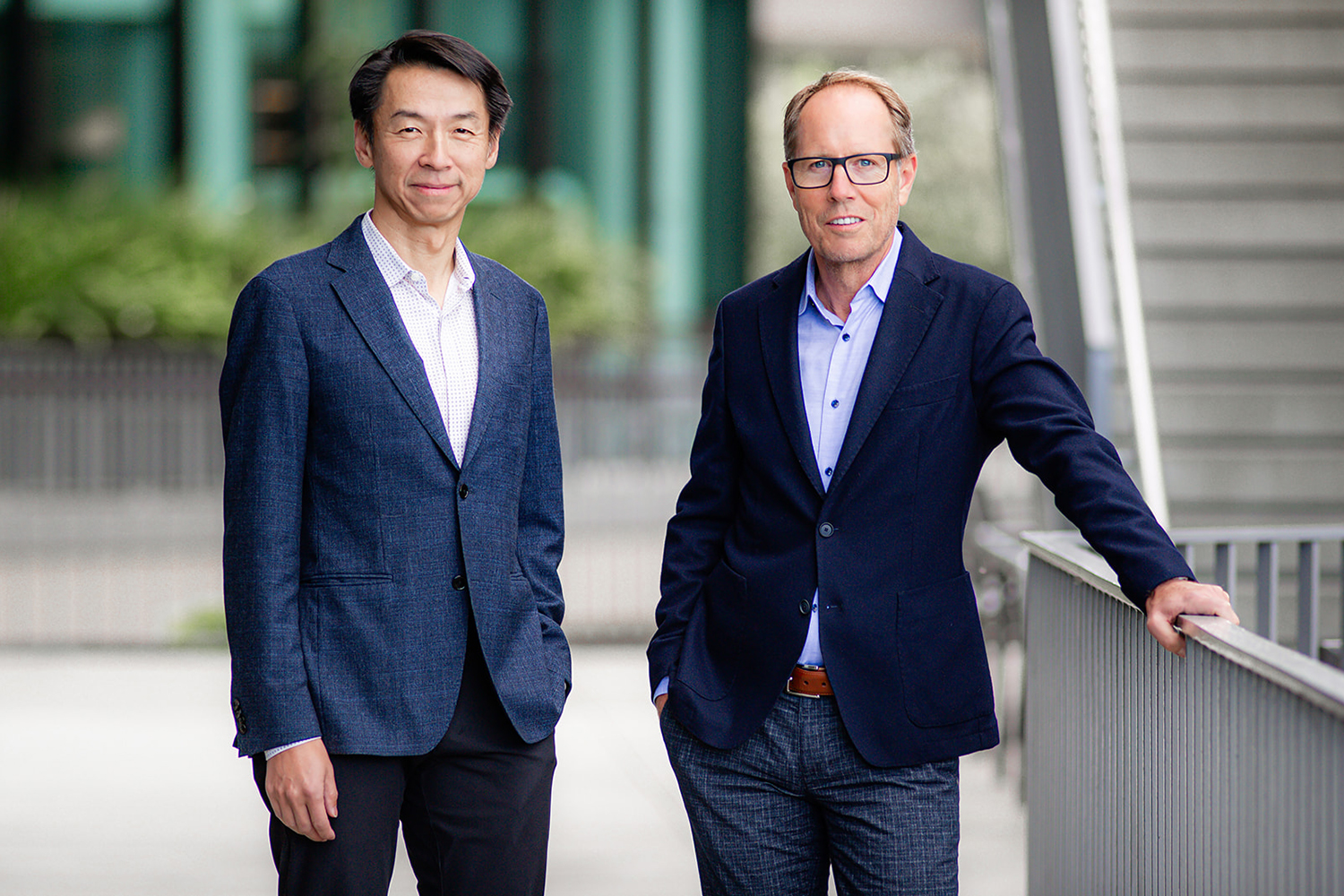
A $90 million gift from Penny and Philip H. Knight, MBA ’62, will enable the Knight Initiative for Brain Resilience at Stanford’s Wu Tsai Neurosciences Institute to extend and deepen its work building a new science of healthy brain aging. The new gift will allow the initiative, launched in 2022 with a $75 million gift from the Knight family, to expand the thriving research community it has cultivated at Stanford and further its mission to decode the secrets of resilient aging and build a future free from dementia and neurodegenerative disease.
“The goal of making longevity synonymous with good health and a nimble mind is at the heart of biomedical research, and an important driver of Stanford’s research mission,” said President Jonathan Levin. “I am so grateful to Penny and Phil for their generosity, their long-standing friendship, and their belief in what Stanford’s faculty can accomplish when given the resources to pursue their deepest curiosity and boldest ideas.”
Despite decades of research and many billions in investments, progress in developing effective interventions to counter Alzheimer’s disease and other neurodegenerative disorders has been frustratingly slow. The Knight Initiative offers an inspiring new framework for progress in the field by challenging researchers to ask not just what goes wrong in neurodegenerative disease but what goes right in the brains of those who live into old age with their health and cognition intact.
“It has always been important to us that this Initiative focus on resilience, and not just on disease,” said Penny Knight. “Phil and I are excited to see the enthusiasm with which the Stanford research community has taken up the challenge of envisioning a future where all people can enjoy vibrant lives and healthy minds into their later years. It is a privilege to support the ongoing discoveries and innovations that the next phase of this initiative will bring.”
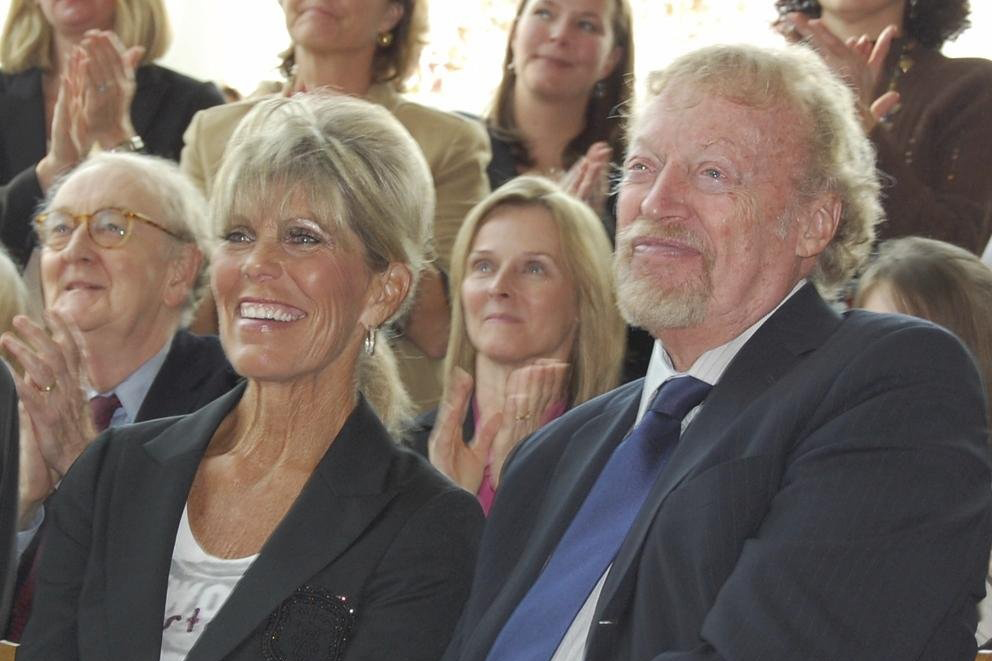
Penny and Phil Knight have donated $90 million to extend and deepen the work of the Knight Initiative for Brain Resilience at Stanford’s Wu Tsai Neurosciences Institute. | Courtesy Penny and Phil Knight
In the coming years, enabled by the continued generosity of the Knight family, the Initiative will expand its efforts to build a more complete understanding of the biological drivers of brain resilience – mapping the molecular evolution of human brain aging with cutting-edge technologies and developing new AI and laboratory models to test interventions that could enhance brain function deep into old age.
The Initiative will also continue to invest in the creative and innovative research of the Stanford research community through regular grant calls and support for the next generation of researchers focused on the science of resilient aging.
A new science of healthy brain aging
Most neurodegenerative conditions share one risk factor: age. As the decades pass, genetic predisposition and environmental insults increase our chances of developing Alzheimer’s, Parkinson’s, or another form of cognitive decline.
And yet, age does not affect us all alike. Some of us will reach our later decades with vigor and mental clarity, often despite experiencing the very same biological and life stresses as those who succumb to disease or dementia decades earlier.
“This is the mystery at the heart of the Knight Initiative, which Penny and Phil’s visionary gift challenges us to solve,” said Knight Initiative director Tony Wyss-Coray, the D.H. Chen Distinguished Professor of Neurology and Neurological Sciences at Stanford Medicine. “Understanding the biological secrets of resilient aging could be key to staving off the disorders that cloud the final years of millions of lives and help more of us age gracefully into our later years.”
Early on, the Knight Initiative recognized that a major barrier to understanding the secrets of resilient aging is the fact that the vast majority of research has focused on specific diseases of the aging brain. Yet very little is known about what healthy brain aging actually looks like.
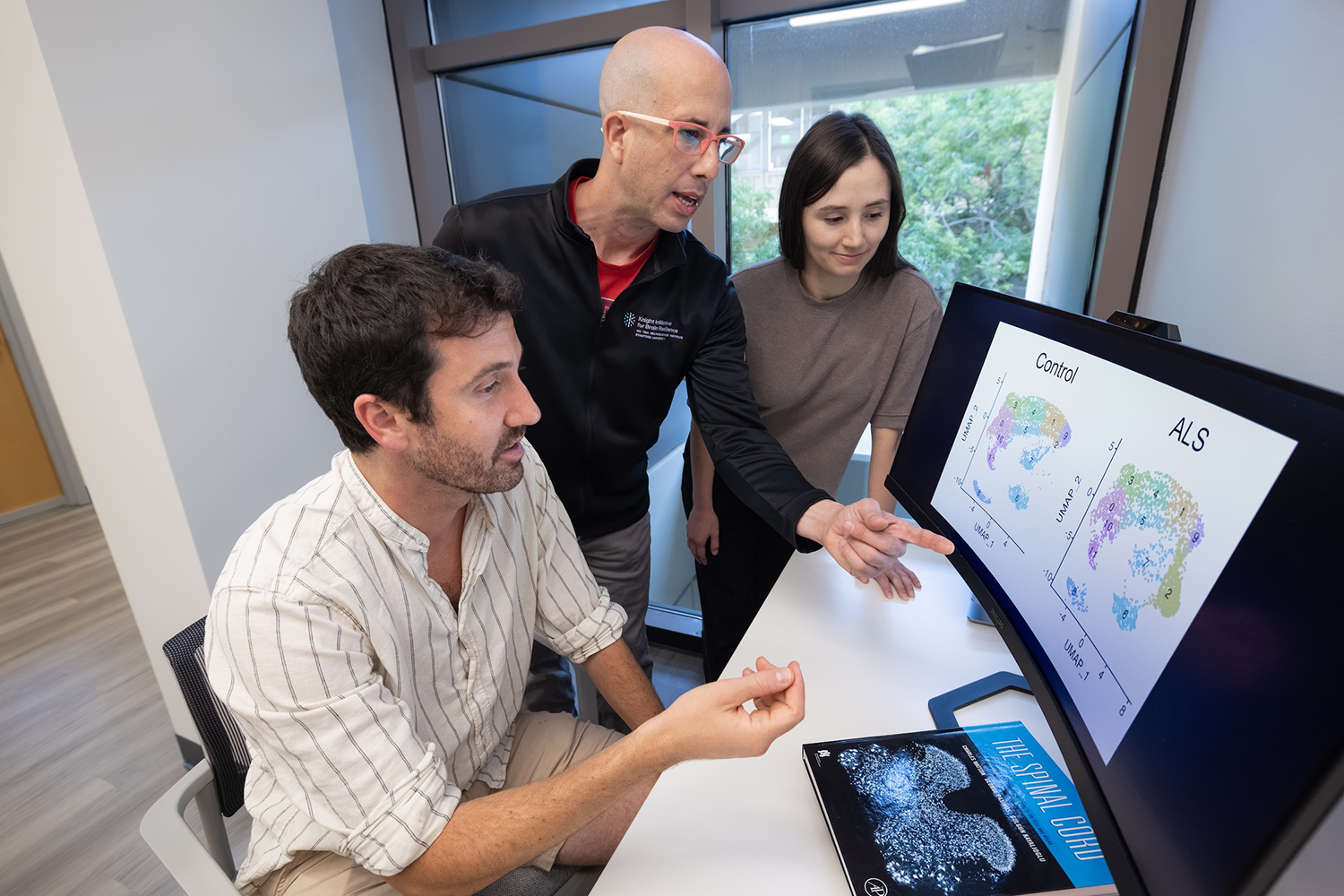
Filling this gap in our knowledge is the mission of the Brain Resilience Laboratory, the Knight Initiative’s unique in-house research laboratory. Under the leadership of director Alina Isakova, the lab is leveraging multiple cutting-edge technologies to create a comprehensive, molecular atlas of brain aging across the human lifespan.
The Brain Resilience Lab at Stanford pushes the bounds of what’s possible to understand how the human brain ages. | Video by Kurt Hickman
The scale is remarkable: collecting samples of 100 different brain regions from individuals spanning multiple decades of life and analyzing them with an unprecedented combination of molecular profiling and AI to quantify age-related changes in gene activity, protein production, and cellular metabolism across the brain.
The molecular signatures of brain aging the lab is identifying have the potential to transform our understanding of the key biological systems that go right in healthy aging and go wrong in age-related disease. The lab’s datasets will all be made openly available to the global research community to further accelerate scientific discovery.
Empowered by the new gift from the Knight family, the initiative plans to launch parallel internal research efforts that will build on the unprecedented molecular data coming out of the Brain Resilience Laboratory.
One effort aims to create living cellular models that allow researchers to directly test how particular molecular pathways drive the aging process – and what might slow or reverse it. The other will deploy AI to detect subtle patterns in vast datasets – patterns that could distinguish resilient from vulnerable brains and point toward new interventions to preserve brain health through the decades.
A renaissance of resilience research
In addition to the Brain Resilience Laboratory’s signature projects, the Knight Initiative has inspired a growing community of Stanford scientists pursuing new approaches to preventing or treating neurodegenerative disorders within their own labs – work the new gift will help expand.
In its first four years, the Initiative has invested in 69 innovative research projects by nearly 100 faculty and postdoctoral scientists across 29 Stanford departments, enabling researchers to form new collaborations and tackle bold, out-of-the-box questions – projects that would often be difficult to support through traditional research funding mechanisms.
Understanding the biological secrets of resilient aging could be key to staving off the disorders that cloud the final years of millions of lives and help more of us age gracefully into our later years.Tony Wyss-CorayKnight Initiative Director
This work spans a broad range: understanding how lifestyle factors like sleep, exercise, and diet build brain resilience; decoding the cellular machinery of aging and asking why some neurons withstand aging’s stresses while others fail; and developing new tools – from animal models to clinical biomarkers – that accelerate discovery. Many of these projects have been so successful and transformative that they have collectively garnered over $50 million in follow-on support from funding organizations such as the NIH.
With more than 70 publications and 175 conference presentations, these new insights supported by the initiative are already influencing the direction of aging research beyond Stanford.
“The discoveries and insights being generated by the Knight Initiative’s growing research community are already having a transformative effect on the field,” said Kang Shen, the Vincent V.C. Woo Director of the Wu Tsai Neurosciences Institute, and the Frank Lee and Carol Hall Professor in the departments of Biology at Stanford School of Humanities and Sciences and of Pathology at Stanford Medicine. “There is real excitement and renewed hope that some of these new insights will lead to transformative interventions that can improve the lives of real people.”
To keep this community connected, the Initiative hosts monthly seminars where researchers share their latest findings as well as quarterly symposia that feature leading experts from Stanford and around the world and bring together hundreds to learn about the latest breakthroughs in the field. Unlike many scientific symposia, these quarterly gatherings feature conversations between clinicians and community members – patients struggling with neurodegeneration or healthy elders thriving in their later years – keeping researchers grounded in their ultimate goal: interventions that promote healthy aging for all.
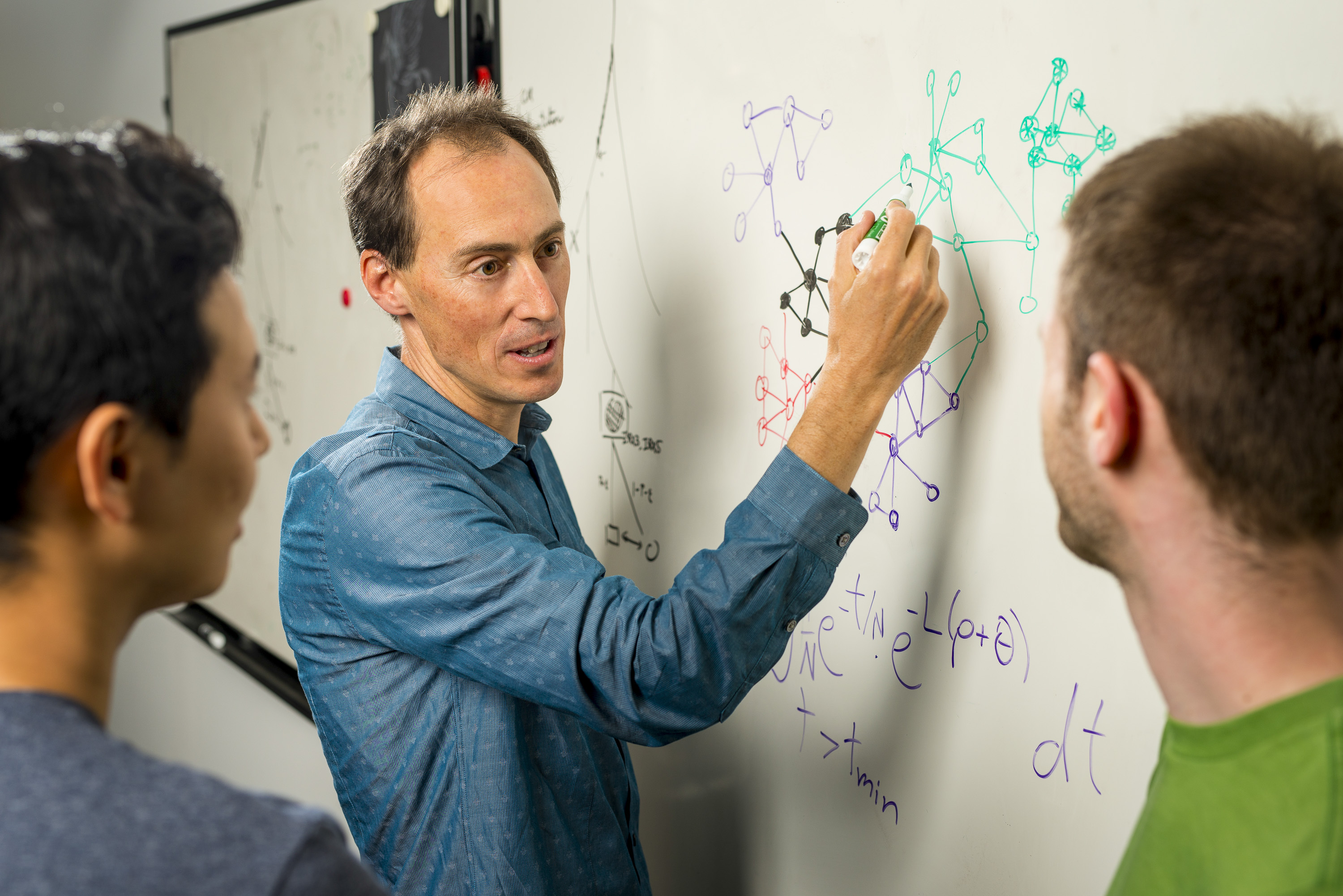
“The Knight Initiative’s grant programs and academic gatherings have brought together faculty from across the university in remarkable ways,” said Carla Shatz, the Sapp Family Provostial Professor in the departments of Biology and of Neurobiology and founding director of Stanford Bio-X, who serves on the Knight Initiative’s scientific advisory board. “Developmental biologists, materials scientists, computer scientists, and many more are now applying their unique perspectives to brain resilience. That kind of cross-disciplinary collaboration is what makes this Initiative so effective at Stanford.”
A future where aging doesn’t mean decline
The Knight Initiative’s first four years have demonstrated what’s possible when researchers challenge established ideas about age-related brain disorders and cognitive decline to reimagine what human aging should look like. The next phase promises to accelerate that momentum.
“With the continued generosity of the Knight family, we are so excited to be able to continue pursuing our vision of a world where our minds stay sharp and our lives full into our 80s, 90s, and beyond,” said Wyss-Coray.
Writer
Nicholas Weiler