


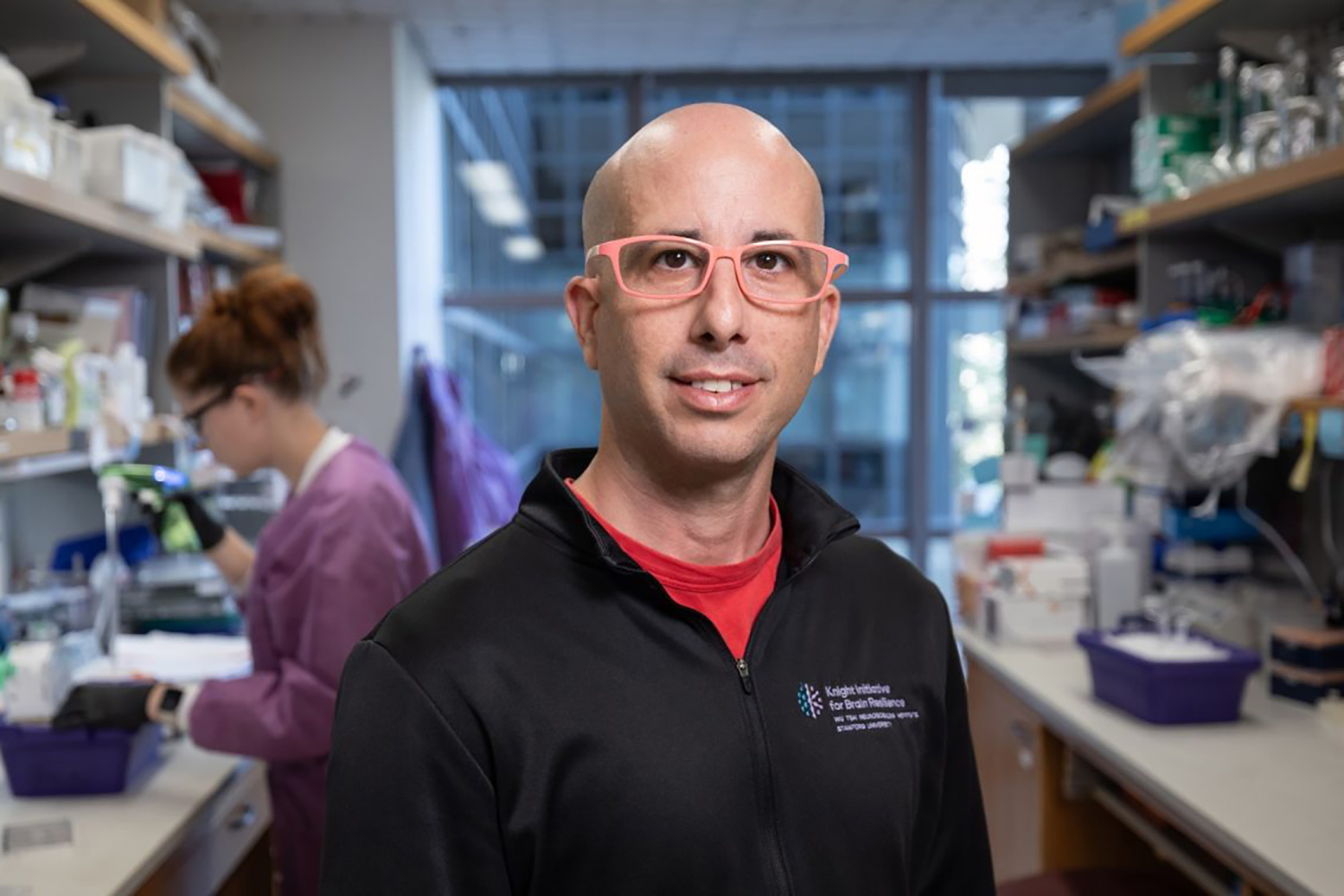
Exploring the cellular mystery behind ALS
Analysis & Insights
Why ALS damages some nerve cells that control muscle movement but spares others remains unclear. Stanford Medicine’s Aaron Gitler and colleagues are searching for answers.
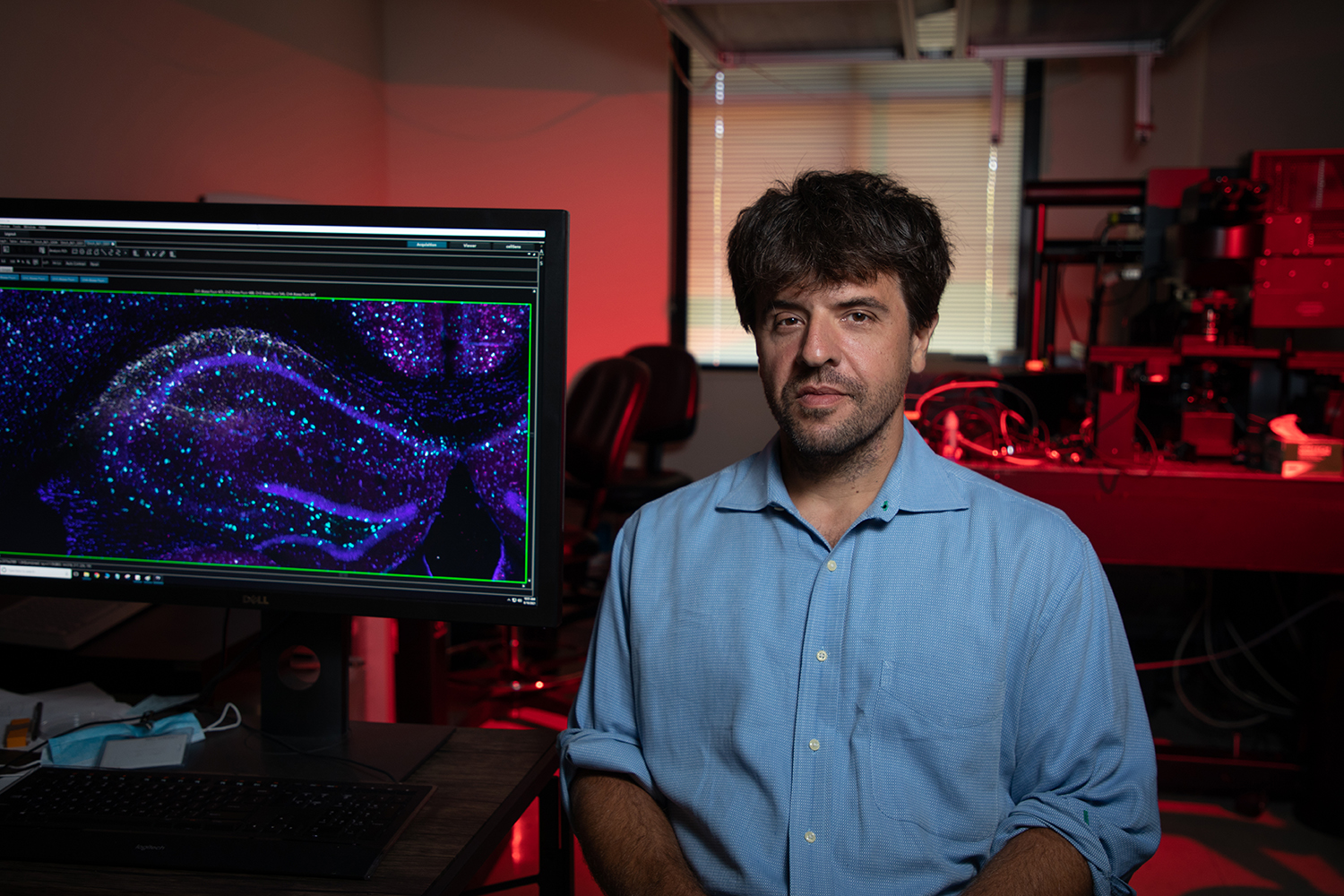
How light became a tool for studying the brain
Research
Karl Deisseroth helped pioneer optogenetics, now used in thousands of labs worldwide to study how nerve-cell activity shapes behavior.
Bridging disciplines to decode the brain
Q&A
A childhood fascination with electronics led Wu Tsai Neuro Faculty Scholar Paul Nuyujukian to study the brain from all kinds of angles – an approach he believes is essential to treating its disorders.
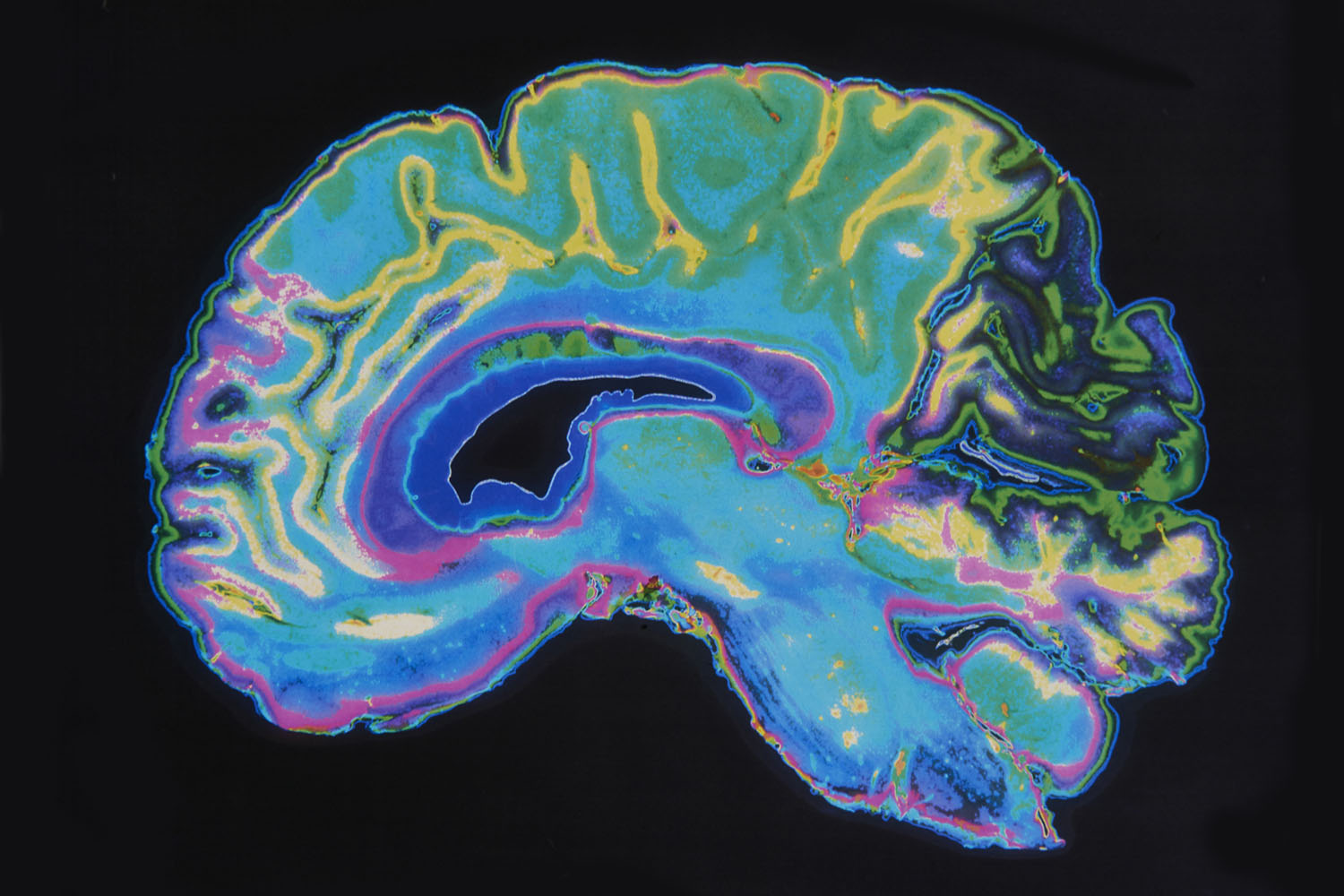
The human brain is two separate organs, study finds
News
Scientists have viewed the brain as one organ for centuries. A Stanford Medicine-led discovery challenging that view could advance research into ALS, spinal muscular atrophy, and other neurological diseases.
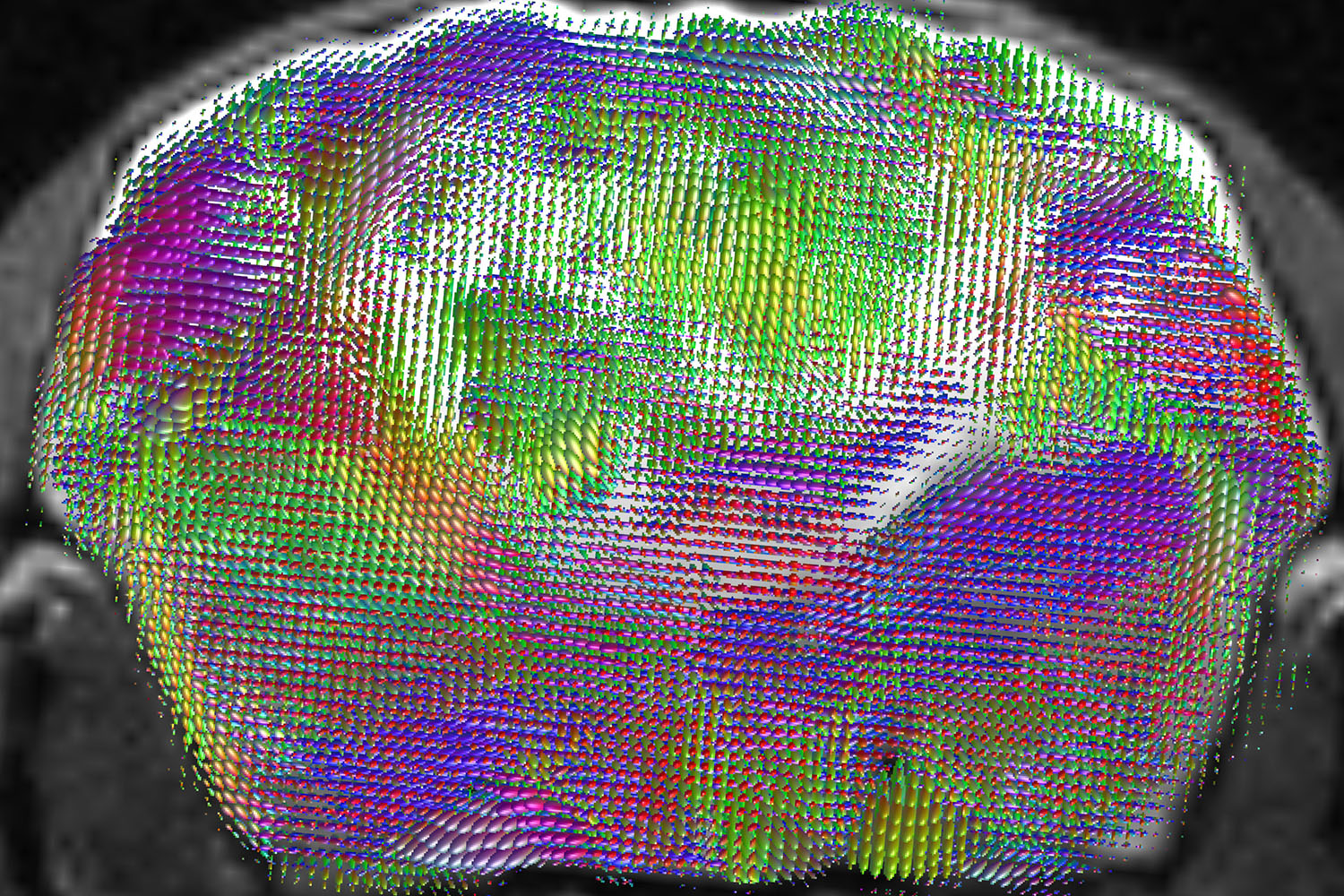
Researchers create advanced model for studying brain development, disorders
News
The ability to study brain disorders that arise before birth has taken a leap forward as a Stanford Medicine team finds a new way to grow human brain tissue outside of the human brain.
New scanner brings advanced whole-brain imaging to Stanford
Video
The scanner pinpoints when and where brain activity occurs, opening new avenues for research on speech, memory, and neurological disorders.
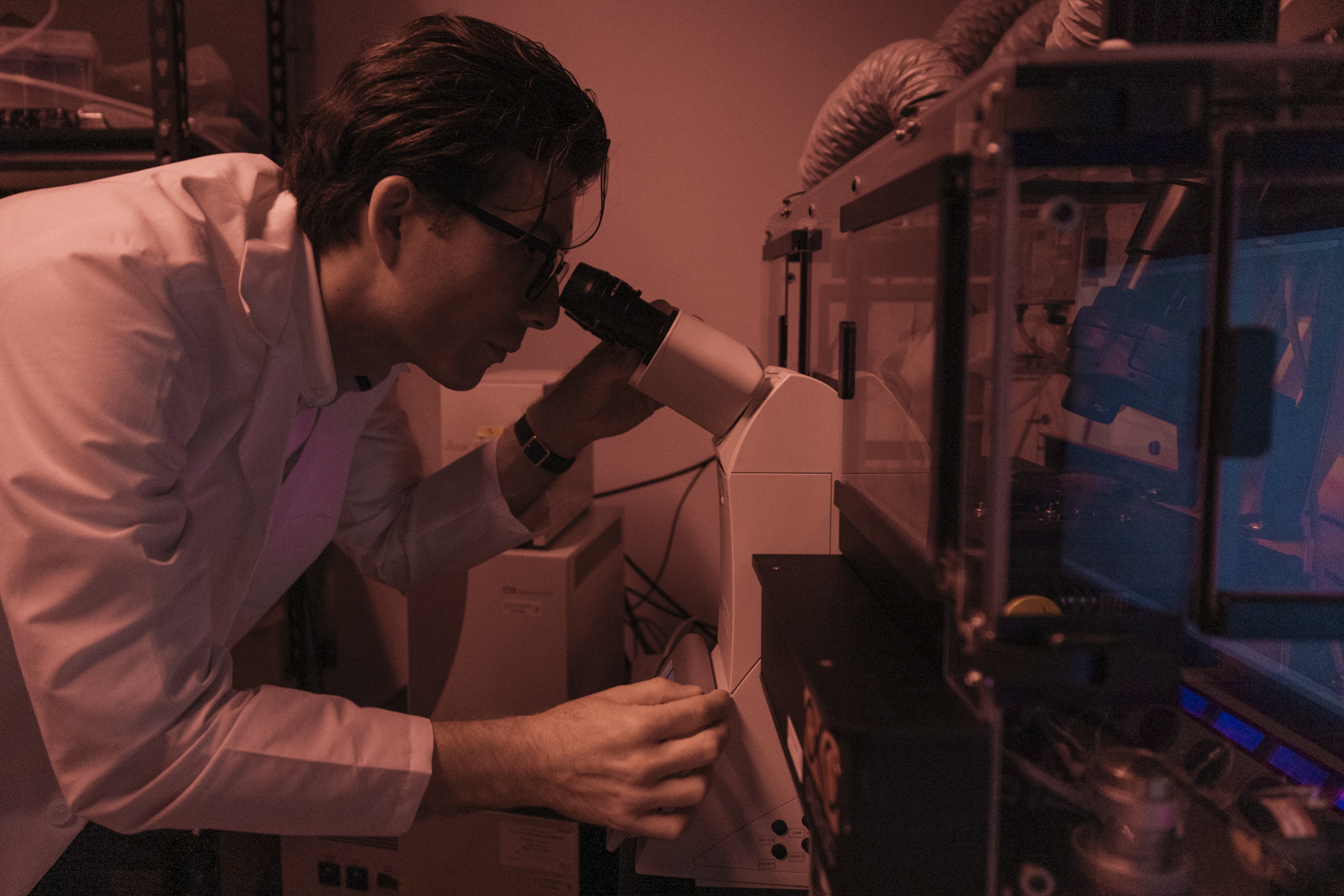
Report maps ethical path for organoid research
Research
Organizers of a Stanford-led conference have released recommendations to build global oversight and ethical guidance for neural organoid and assembloid research
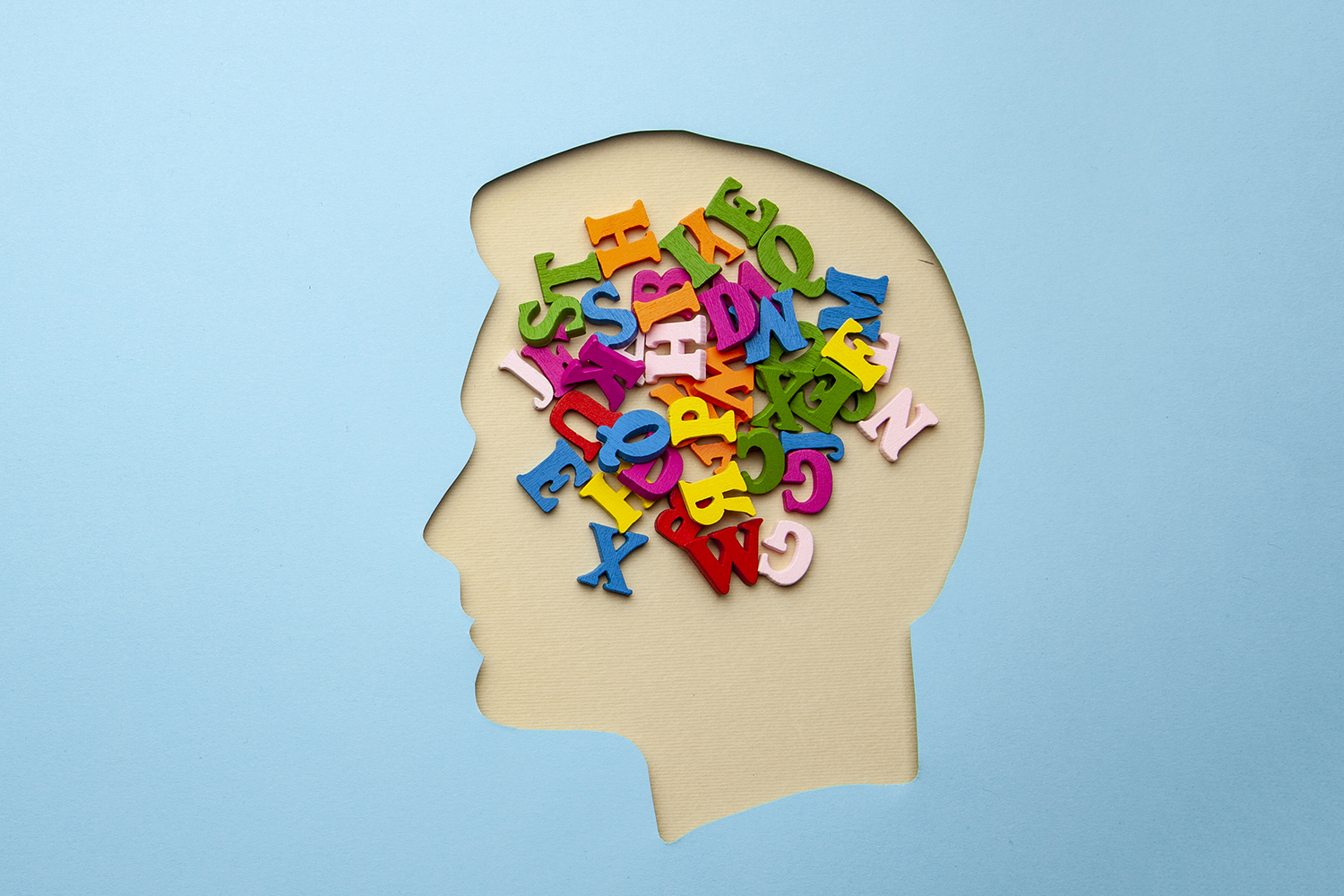
Brain scans reveal language-specific neural networks
Research
Neuroscientists have found compelling evidence for a neural network dedicated to language in the adult human brain, with potential implications for treating language problems after stroke or brain injury.
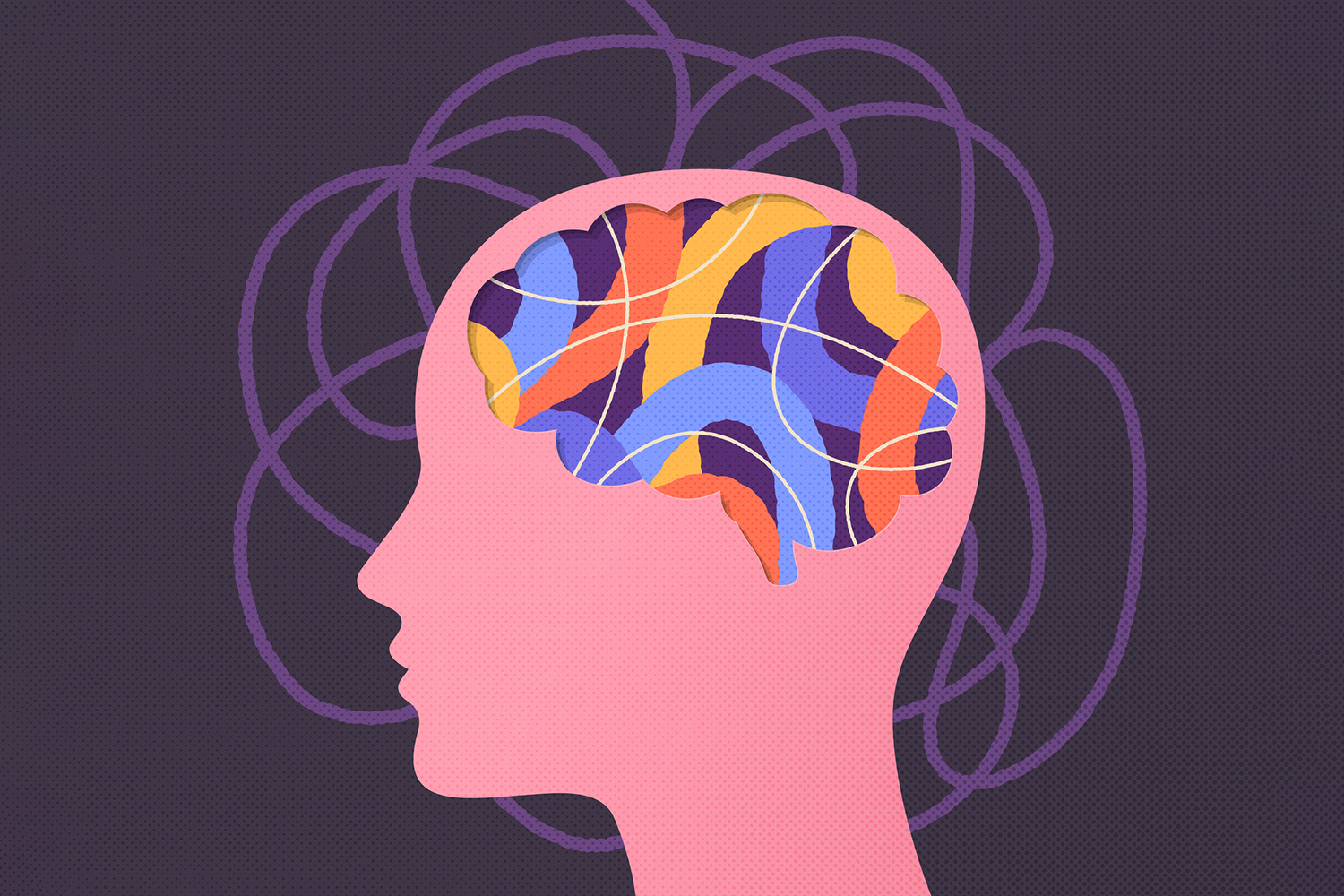
Estrogen-only therapy linked to fewer Alzheimer’s hallmarks
Research
Some studies have reported that estrogen-only menopausal hormone therapy raises dementia risk. New research on Alzheimer’s disease hallmarks in autopsied brains indicates the opposite.
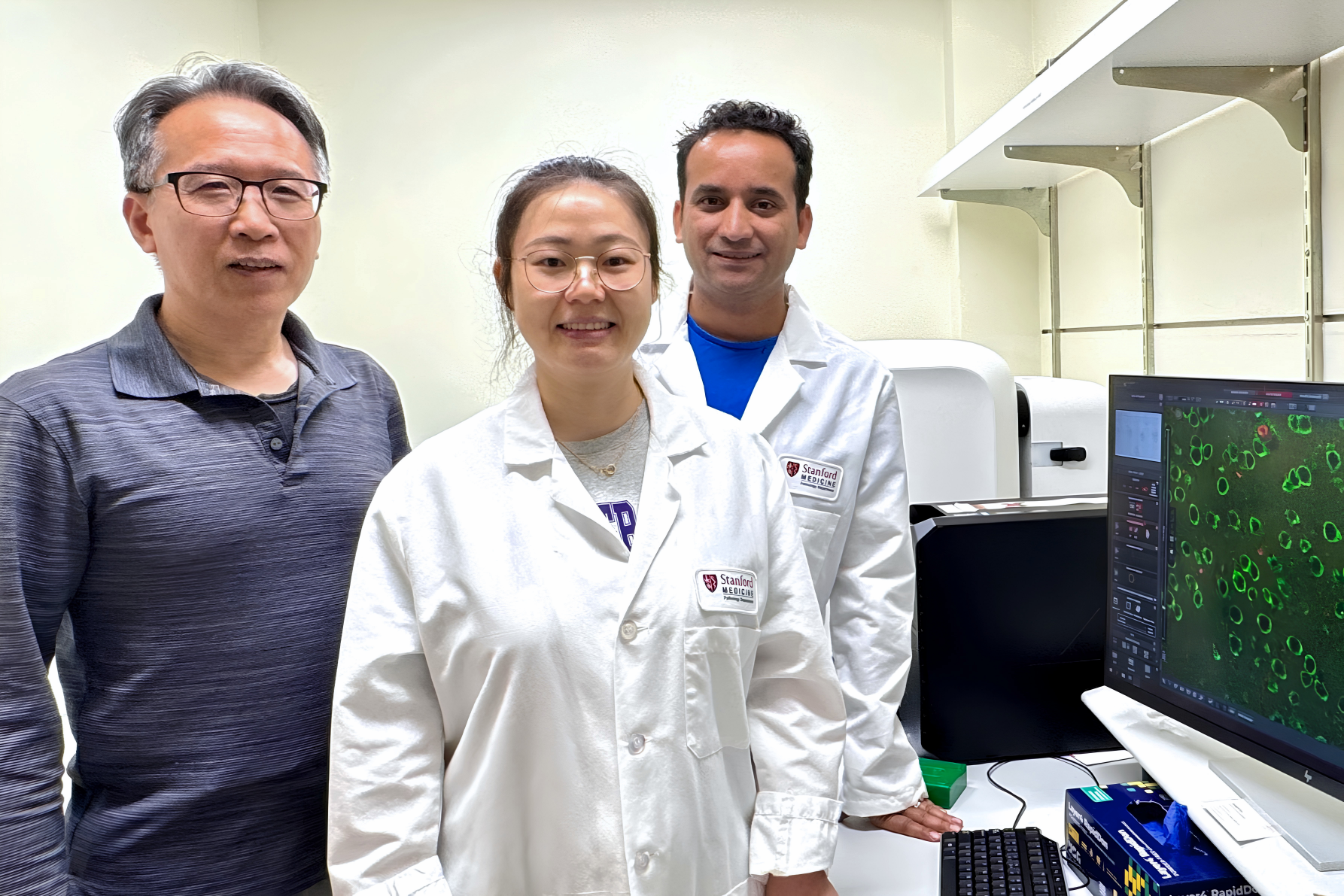
Study uncovers how Alzheimer’s-linked protein harms nerve cells
Research
Stanford researchers have discovered that tau can interfere with the tiny powerhouses inside nerve cells, potentially triggering damage linked to Alzheimer’s and related neurodegenerative disorders.