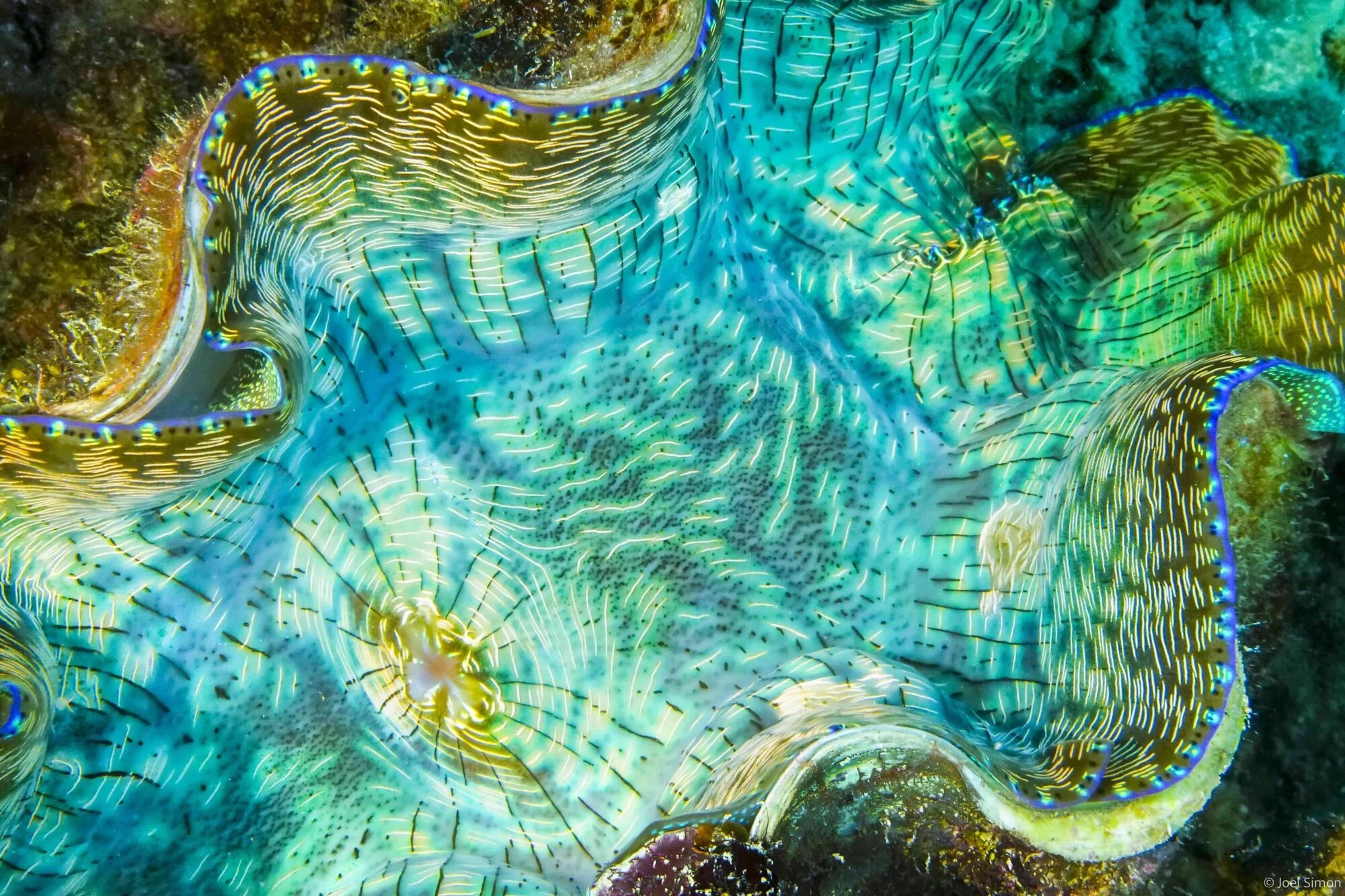
Beauty in nature, first place | A giant clam seen while snorkeling in Palau. The collaborative relationship between these clams and the algae that live in their tissues adds color, texture, and graphic intrigue, along with biological advantage. | Joel Simon, MS ’77
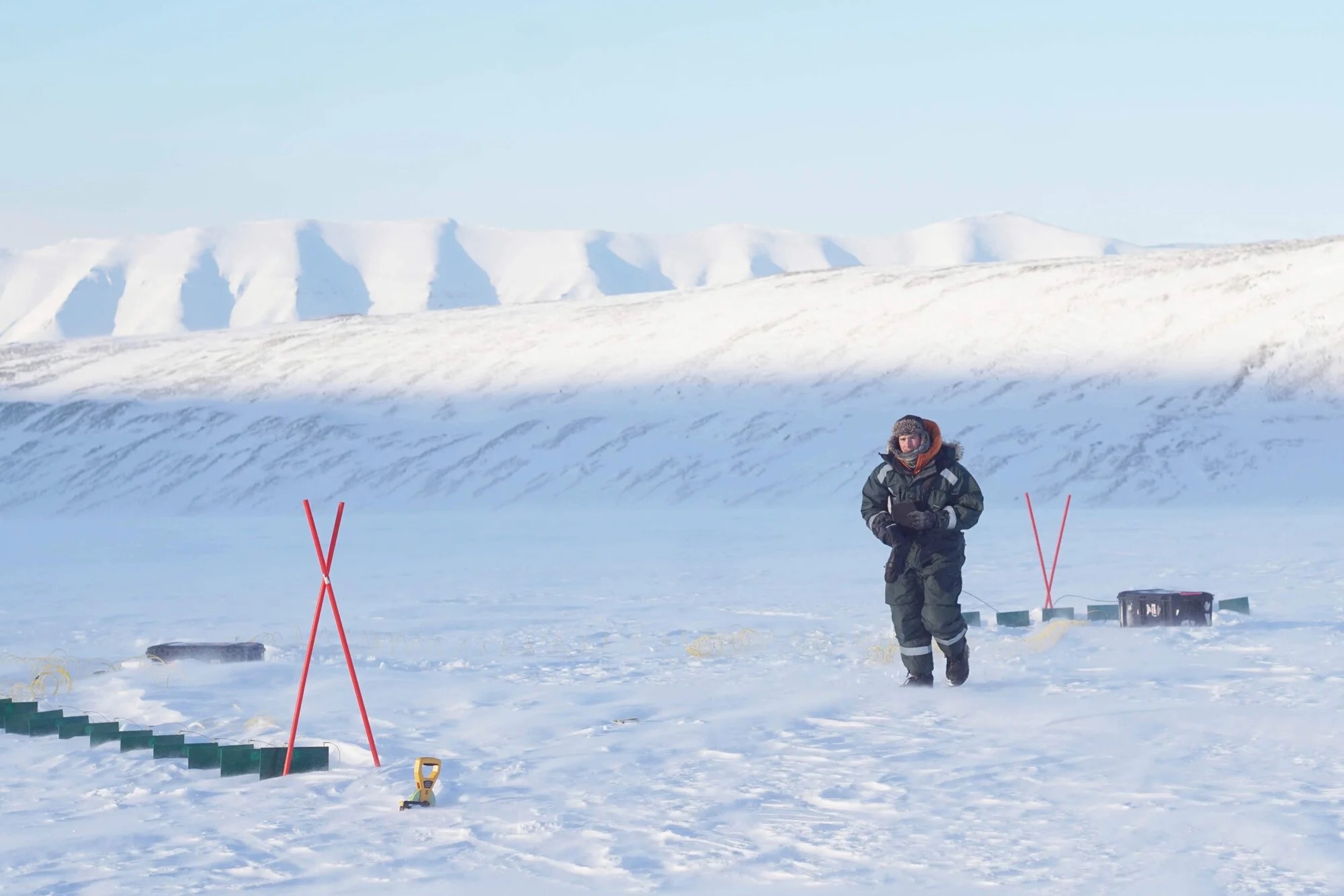
Research in action, first place | Graduate student Danny May deploys a radar array on Slakbreen glacier to image the ice below. | Annie Cheng, PhD student, physics
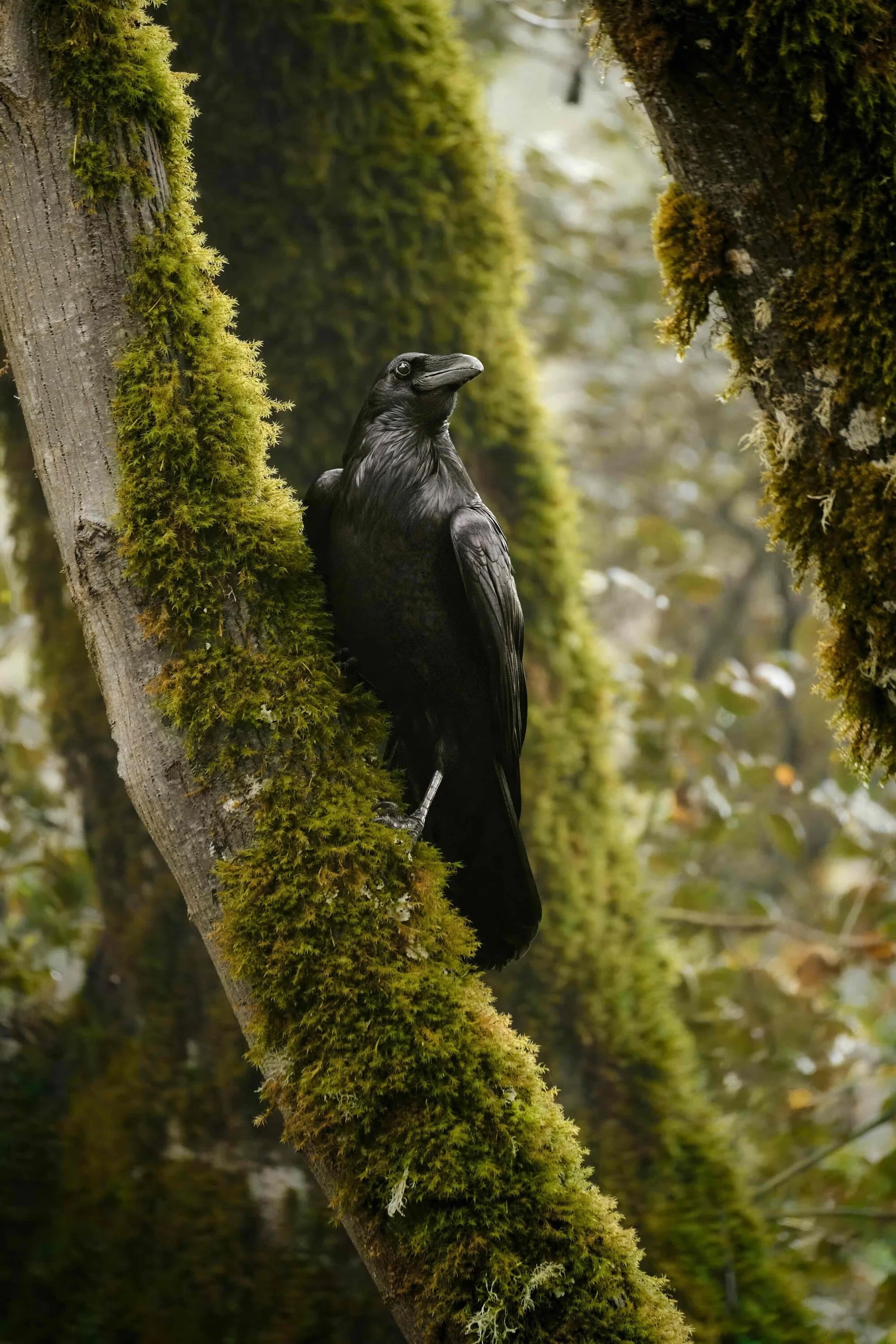
Beauty in nature, third place | In the foggy forests of El Corte de Madera Creek Preserve, a curious raven pauses to inspect the photographer just before hopping down for a closer look. | Nikolai Gates Vetr, postdoctoral scholar, pathology
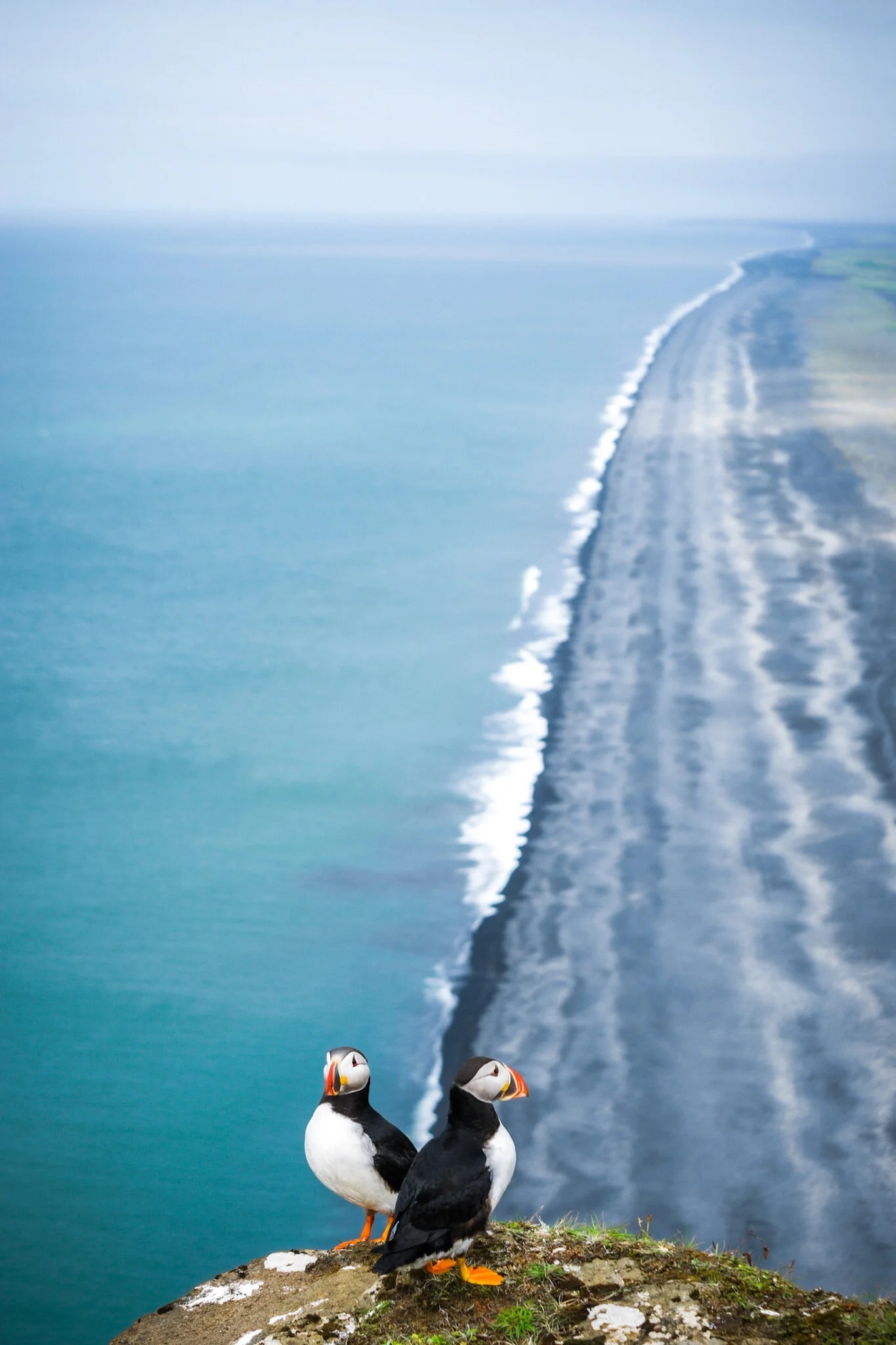
Beauty in nature, second place | Two Atlantic puffins perch on a grassy cliff at the Dyrhólaey Peninsula, overlooking the ocean and the iconic black sand beaches of Iceland’s South Coast. | Emily Cheng, undergraduate student
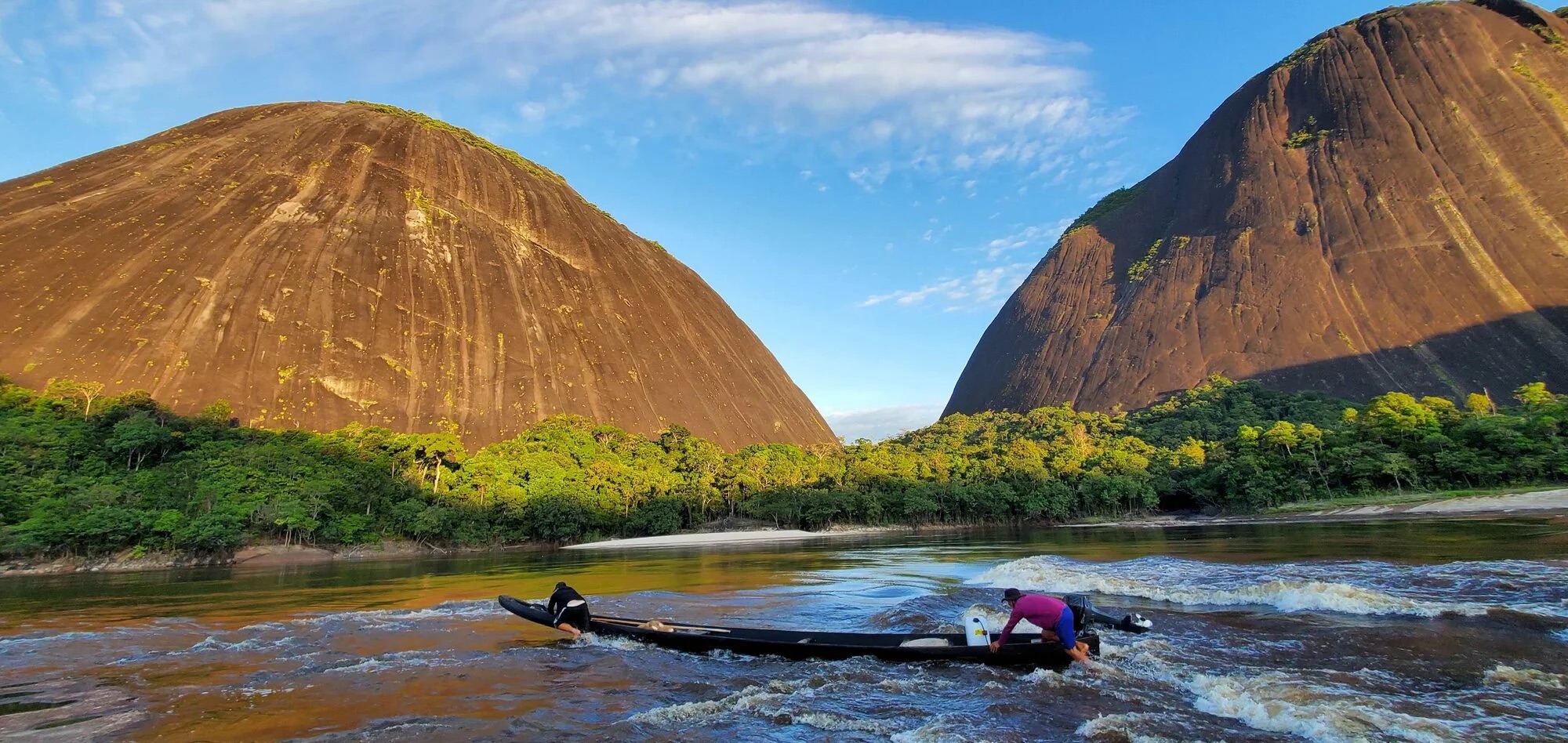
Research in action, second place | Near the iconic Mavecure hills in Colombia, two fishermen head upstream. Fishing is how the Indigenous communities in Guainía support their livelihoods and preserve peatlands. | Sergio Sánchez, PhD student, environment and resources
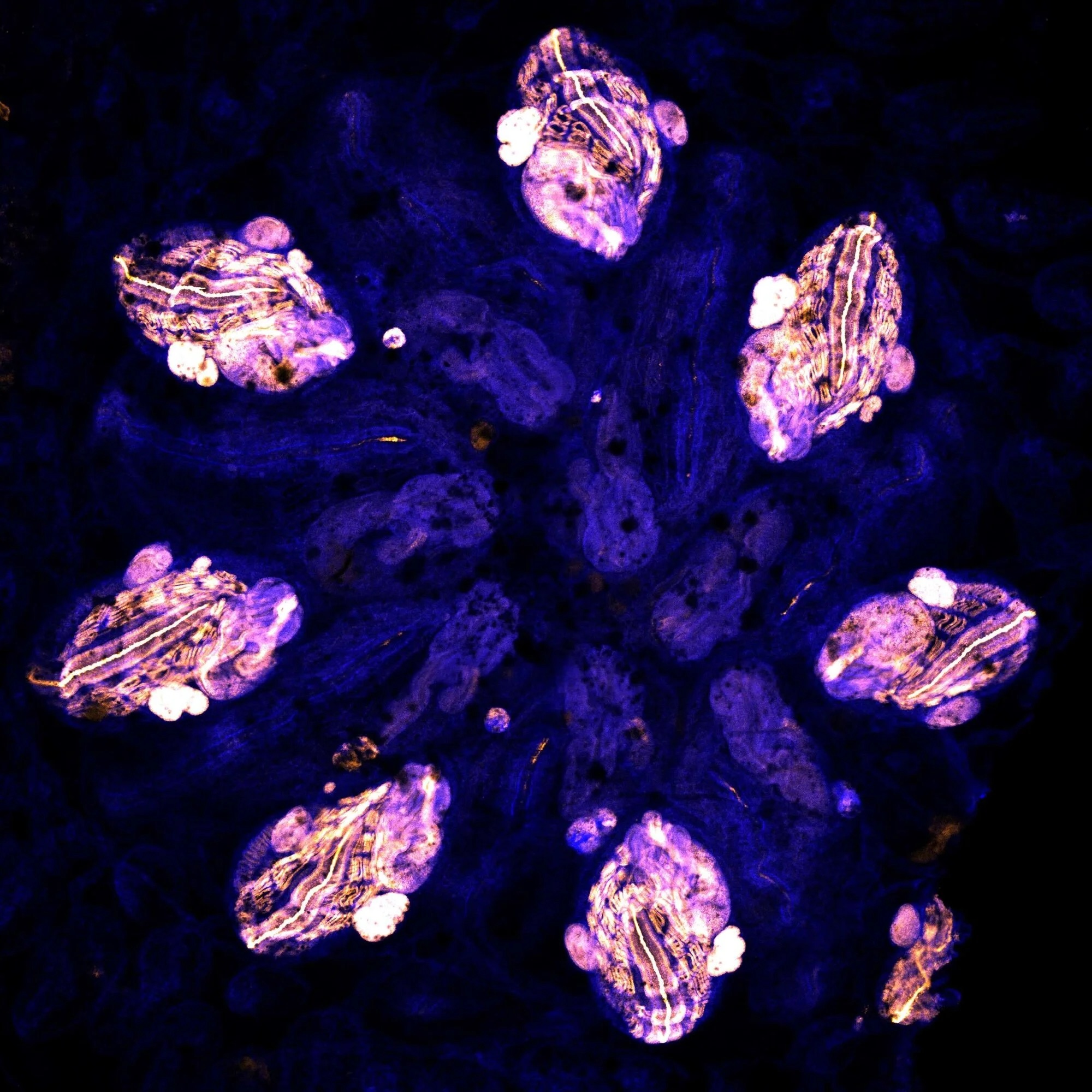
Research in action, third place | Star tunicates are marine colonial organisms that regenerate their bodies in weekly cycles driven by stem cells. This confocal microscopy photo highlights regeneration in progress, with newly developing buds glowing gold as they replace adult zooids stained blue. | Tom Levy, research scientist and instructor, Institute for Stem Cell Biology and Regenerative Medicine
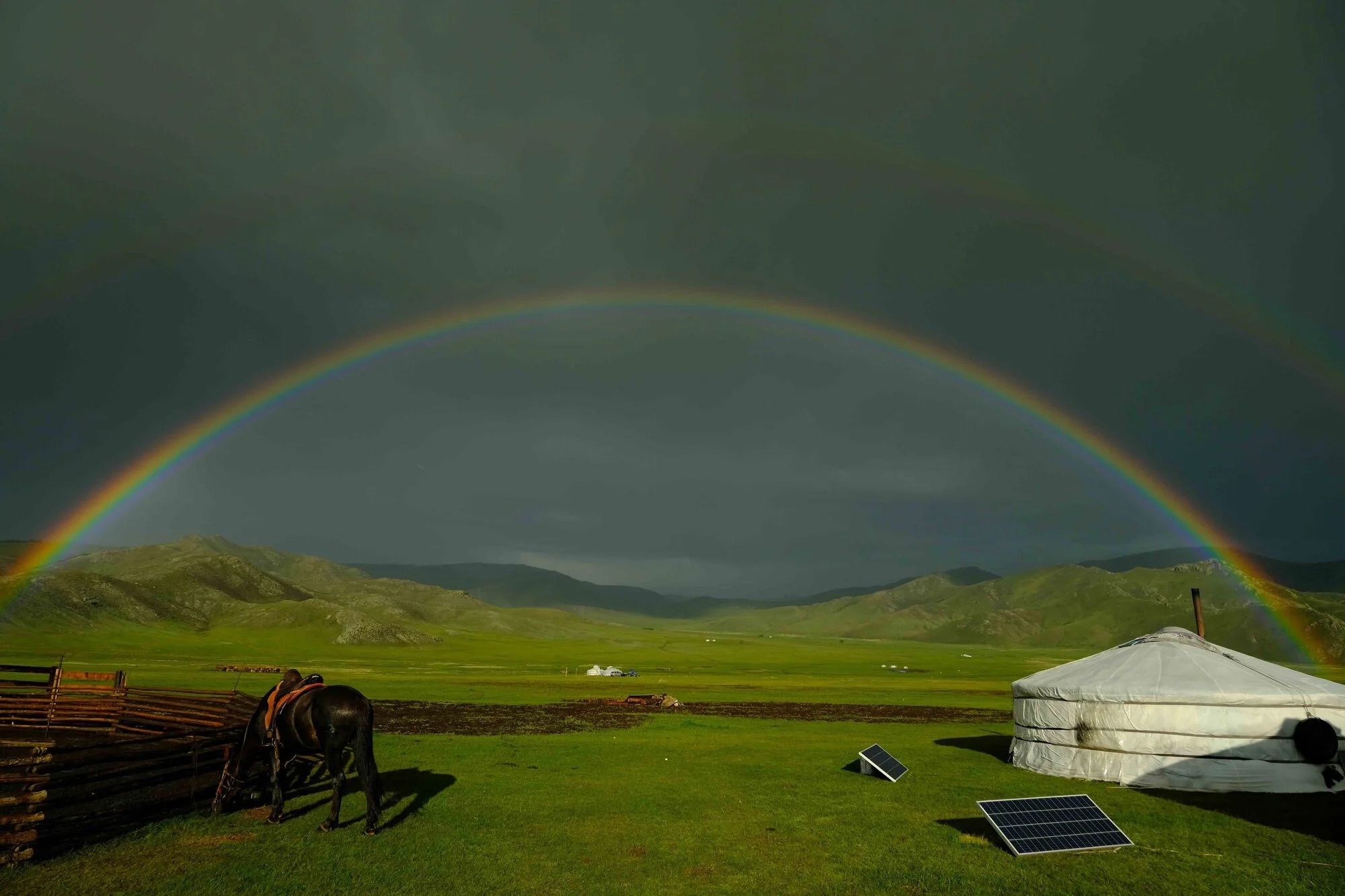
Sustainability in focus, first place | A full rainbow arcs over the Mongolian steppe after a hailstorm, framing a ger, a grazing horse, and solar panels. In the countryside of Selenge, Mongolia, nomadic families are utilizing renewable energy across some of the world’s most remote landscapes. Focus areas: Cities and society, energy | Anu Tsogtbaatar, undergraduate student, management science and engineering
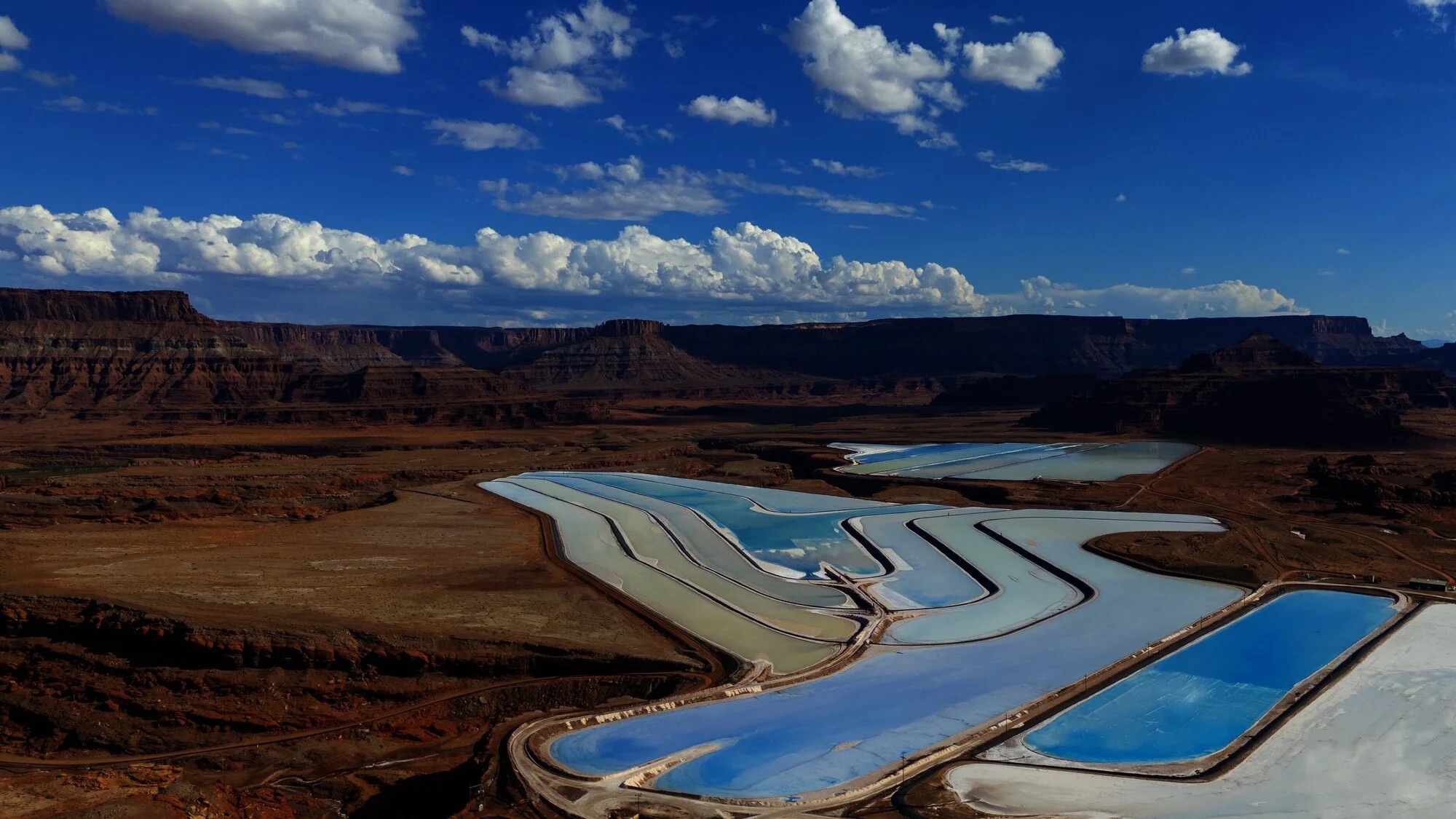
Sustainability in focus, second place | The vibrant solar evaporation ponds west of Moab, Utah, are used to draw potassium chloride from reservoirs deep underground. The large-scale system yields potash, a valuable fertilizer. Focus area: Land and water | Rahsaan McFarland II, BS ’26
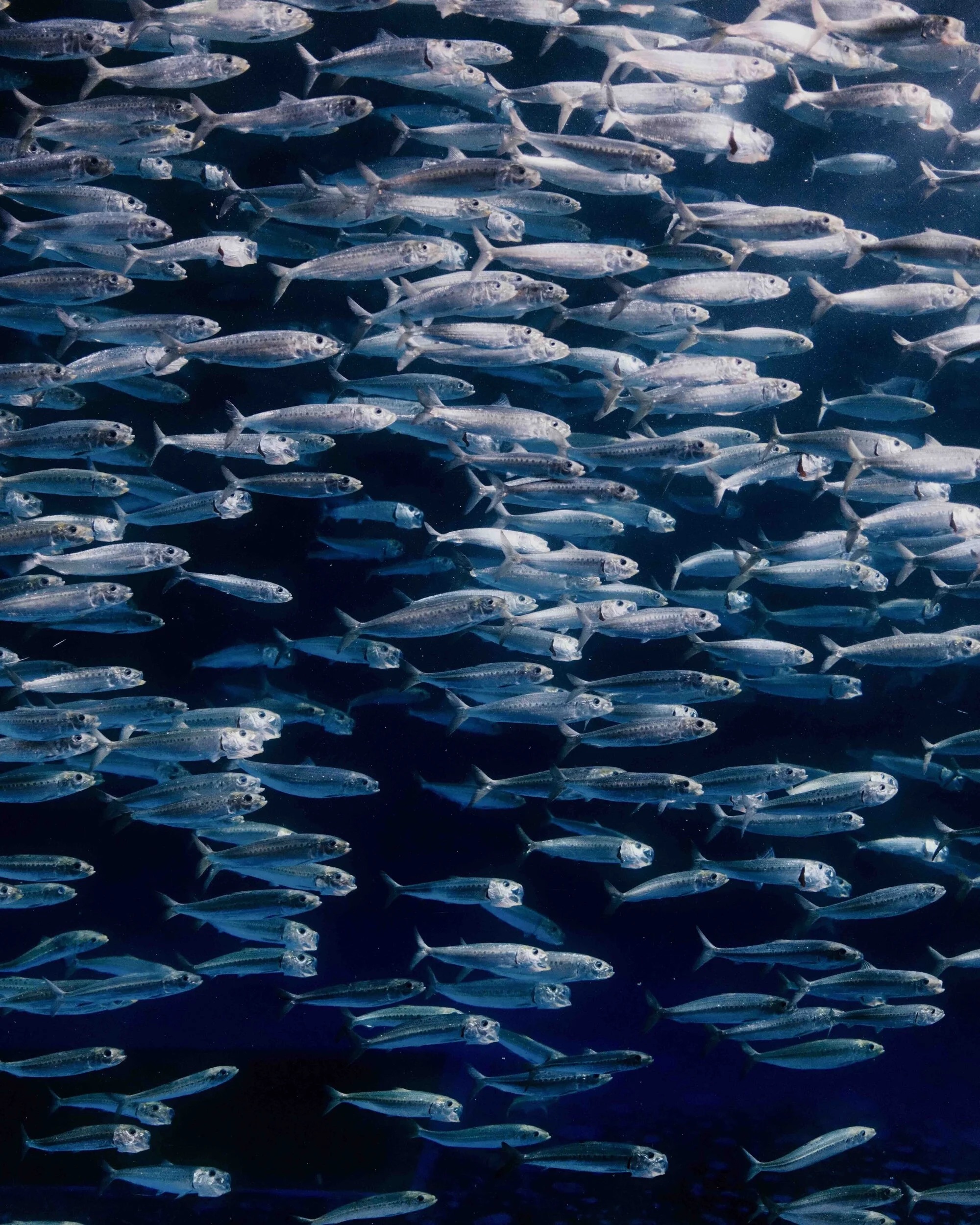
Sustainability in focus, third place | A school of Pacific sardines swims in unison in Hokkaido, Japan. Large sardine schools are an important part of ocean biodiversity and marine food webs. Focus areas: Oceans, biodiversity | Henry Kwok, master’s student, civil and environmental engineering, atmosphere/energy
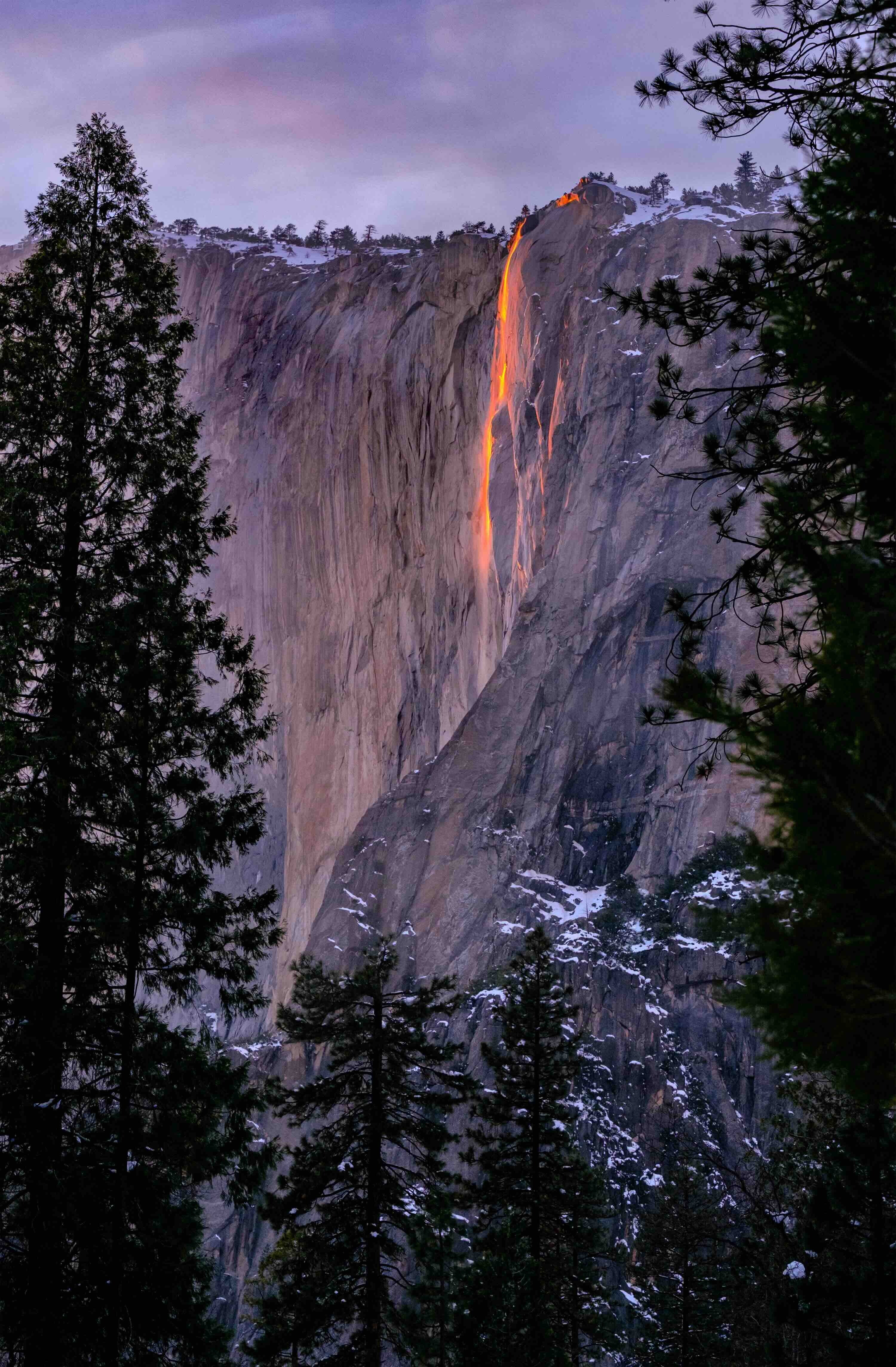
Beauty in nature, honorable mention | Yosemite’s Horsetail Fall glows fiery orange at sunset in its annual “firefall” display. | Carter Rosenthal
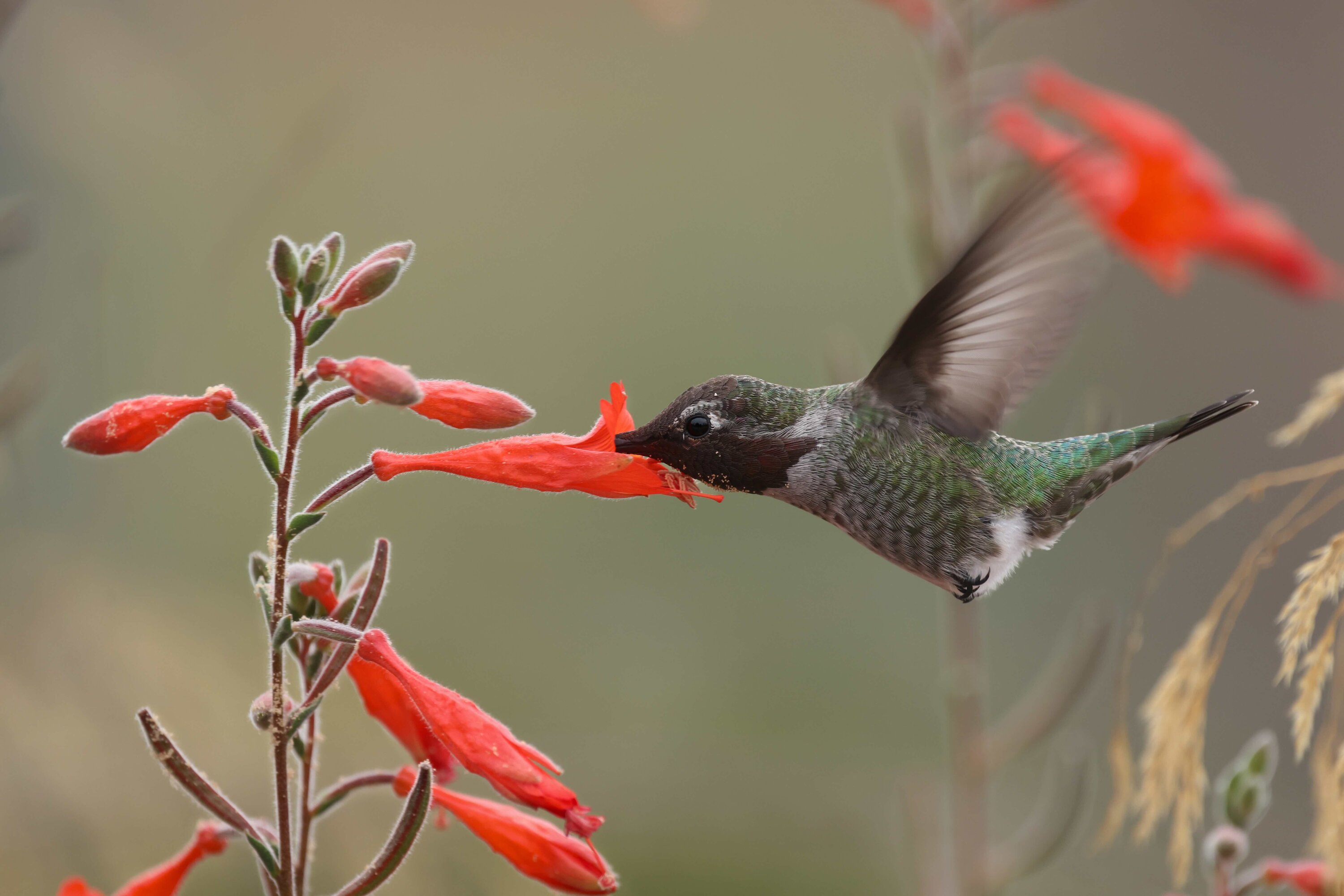
Beauty in nature, honorable mention | An Anna’s hummingbird feeds on the nectar of a California fuchsia in Santa Clara, California. Pollen grains are visible on the hummingbird's face, highlighting their important role as a pollinator. | Rosa McGuire
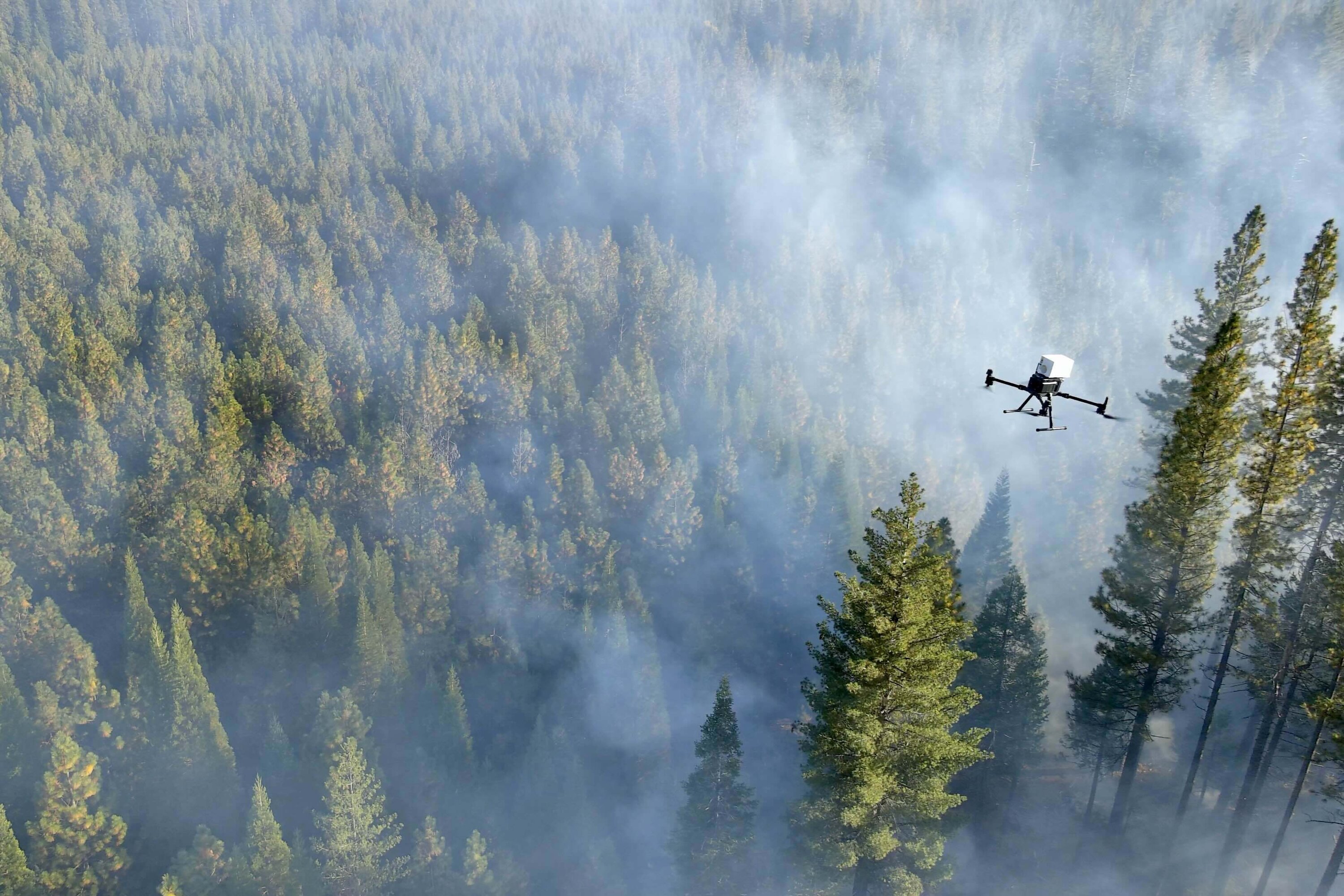
Research in action, honorable mention | A research drone flies through wildland fire smoke in the Sierra Nevada, carrying a custom sensor pack to measure smoke toxicity. | Mark Leone
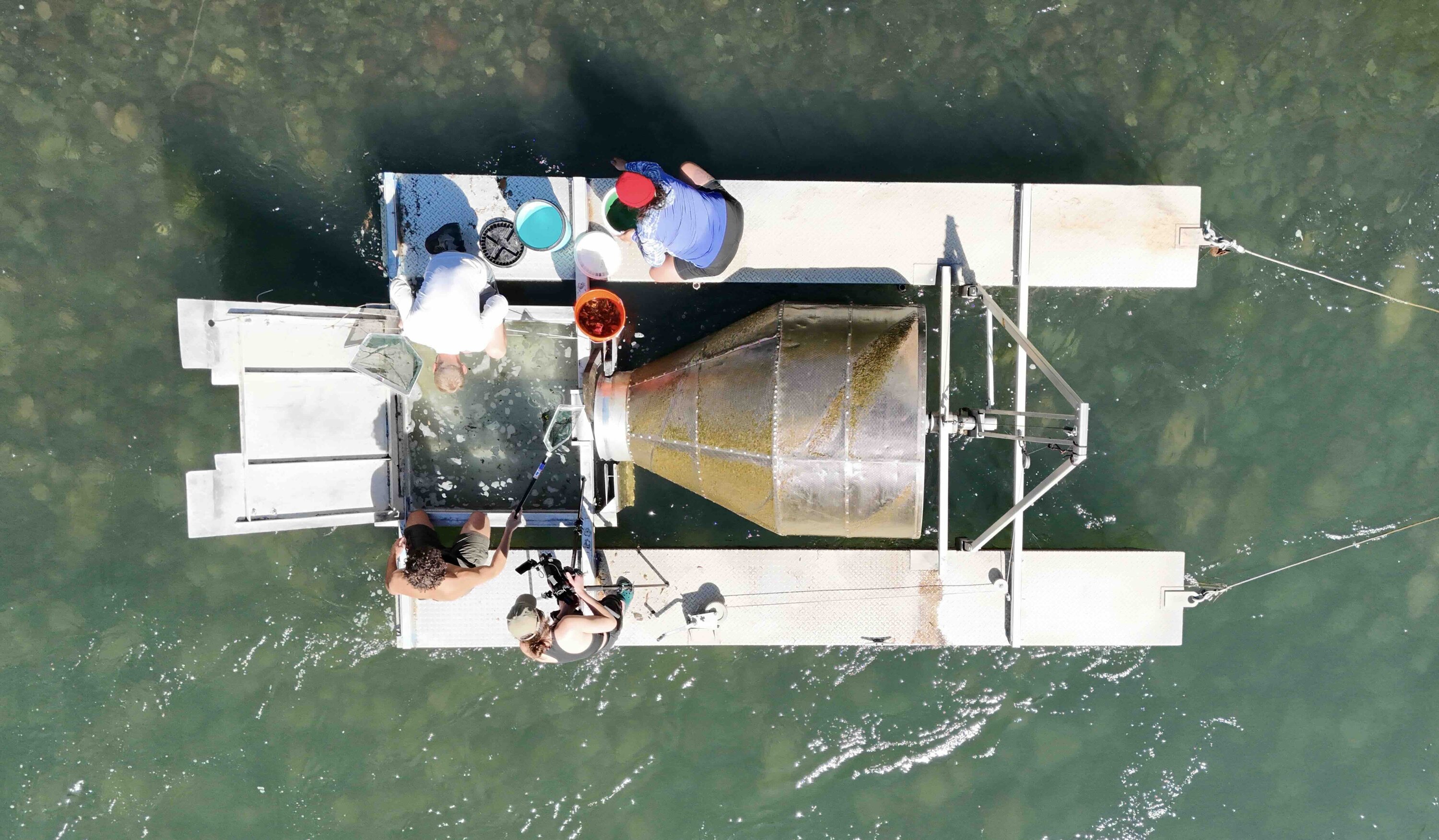
Research in action, honorable mention | Researchers with the U.S. Forest Service collect hatchling salmon from Shasta River as part of an effort to restore native salmon to the Mount Shasta Wilderness in California. | Sophia Siegel
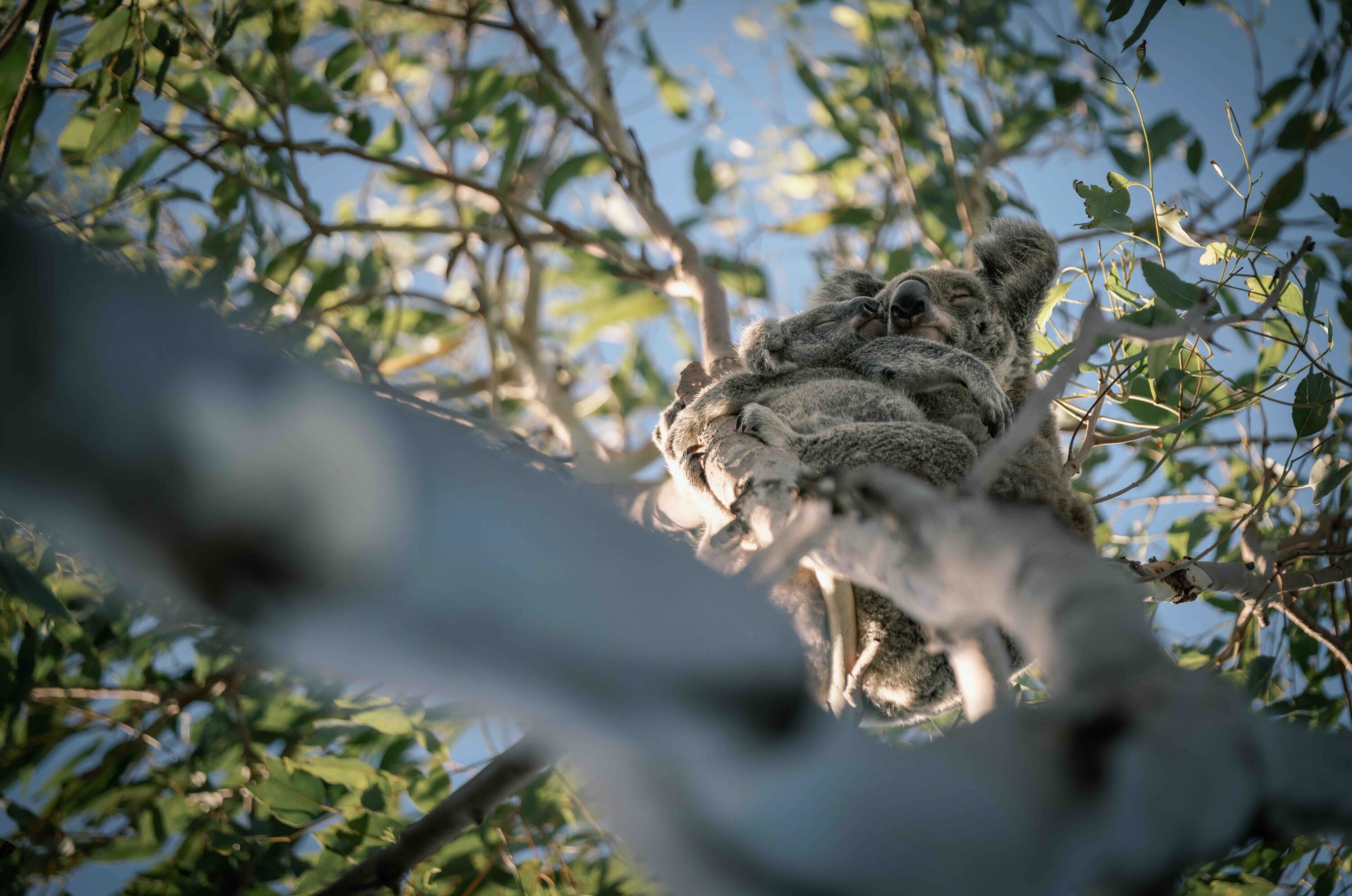
Sustainability in focus, honorable mention | Baby and adult koala hug in a eucalyptus tree in Minjerribah, Australia. The island has a healthy koala population through active management by its traditional owners, the Quandamooka People. | Carter Rosenthal
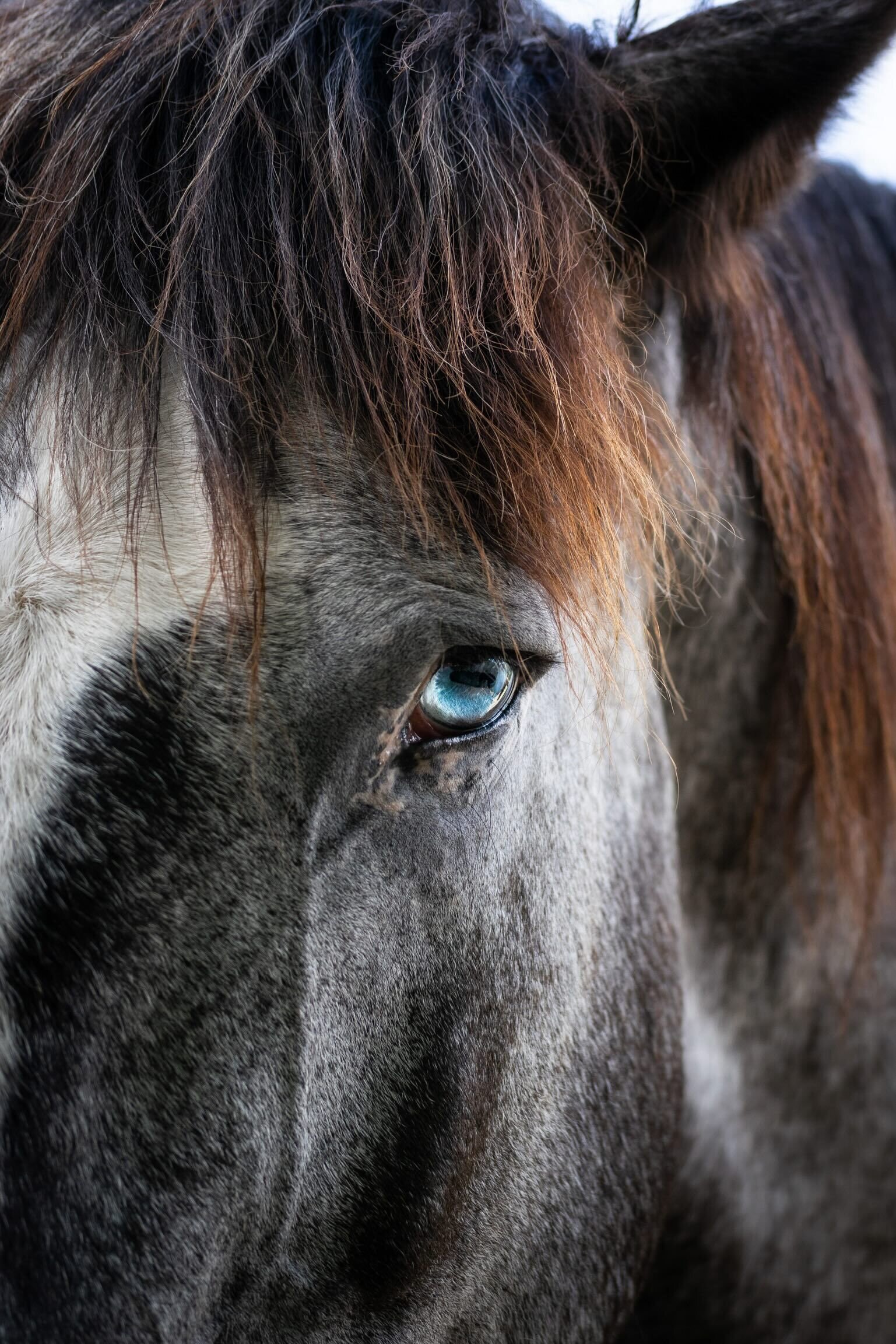
Sustainability in focus, honorable mention | Close-up of a wild horse in the desert landscape of Arizona, where climate-driven drought is reshaping fragile grazing ecosystems. | Emily Cheng
For more information
The full story, including more information about the contest, was originally published by Stanford Doerr School of Sustainability.