Aging is a process that affects us all. But how many of us can clearly define what happens in our bodies when we age? For an inevitable and universal experience, it’s shockingly mysterious.
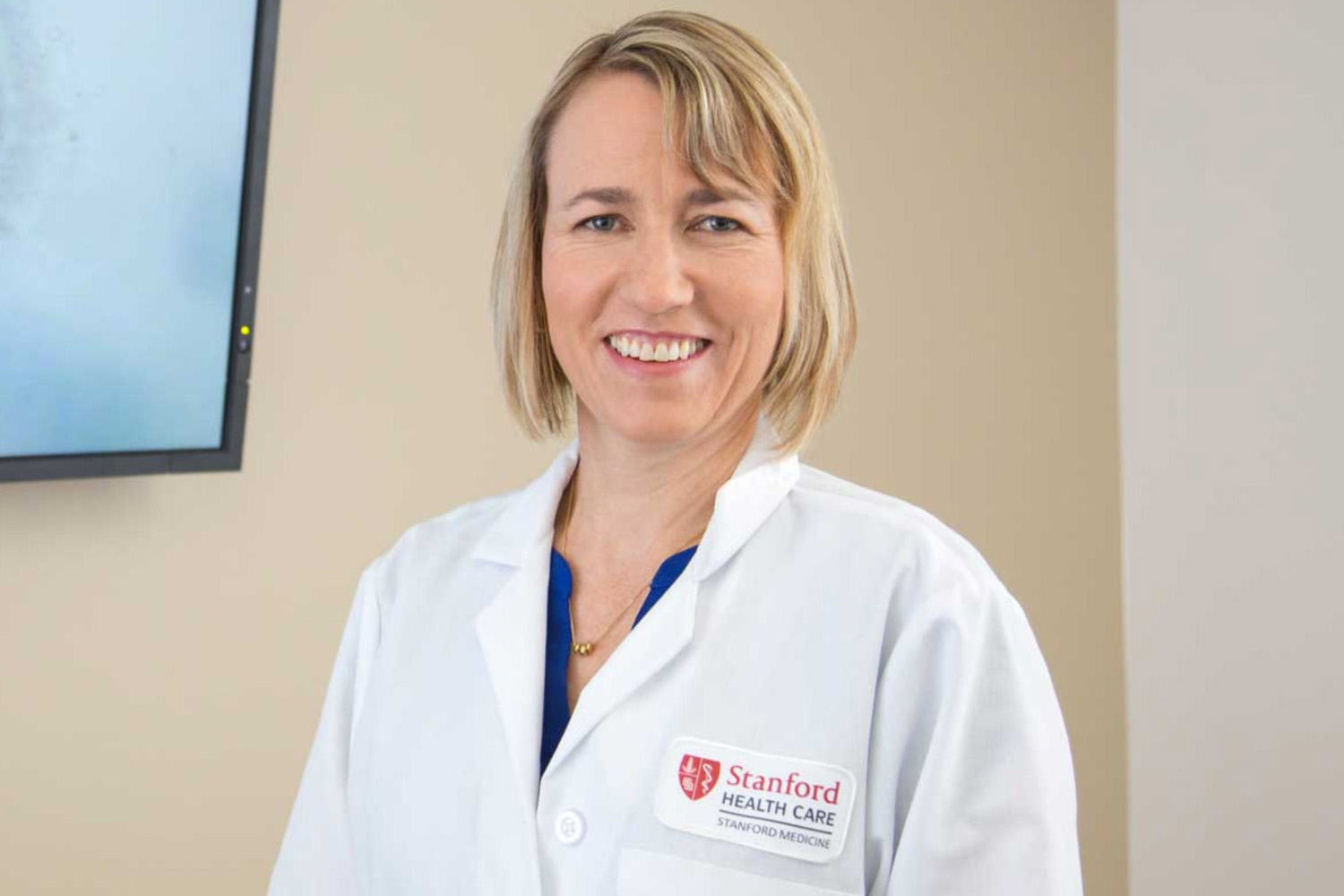
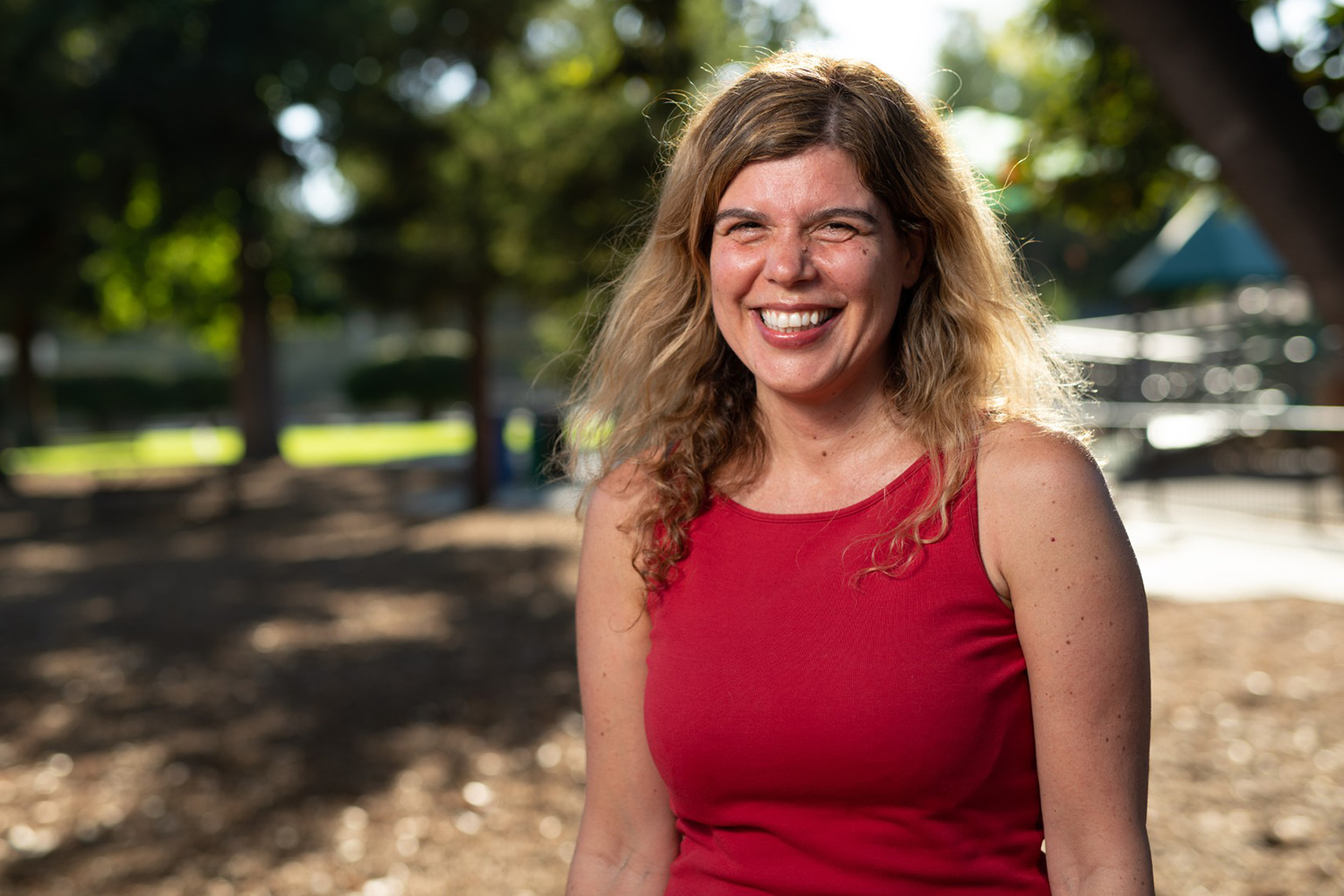
To help demystify aging, we turned to Anne Brunet, the Michele and Timothy Barakett Endowed Professor and professor of genetics at the School of Medicine. Brunet leads a lab that studies the molecular mechanisms of aging and longevity, and is a key voice on the steering committee of the Knight Initiative for Brain Resilience, which aims to reframe aging science around the path to healthy aging, rather than only the drivers of disease.
Brunet's lab is interested in identifying pathways involved in delaying aging in response to external stimuli and studying the mechanisms that influence the rejuvenation of old stem cells. They are also known for their work to develop the short-lived African killifish into a new model for exploring aging and age-related diseases.
We put forth to Brunet some of our top questions about aging, and her answers reveal how scientists think about aging, the potential influence of lifestyle choices on longevity and age-related diseases, and the exciting future of this field.
What is aging, according to science?
Aging is a process that converts a young and robust individual into an older, more frail individual – one with increased susceptibility to multiple diseases and a higher probability of death. How that happens is very complex and multifaceted.
At the molecular level, there are several recognized hallmarks of aging, and the list keeps growing. One is epigenomic changes, which refers to how genes are switched on and off over time, altering which instructions each cell in the body actually reads. Another is decline in nutrient-sensing ability, where the body gradually loses its capacity to detect and respond appropriately to food and energy. A third is inflammation: the buildup of signaling proteins known as cytokines in the space between cells, which over time can quietly erode the body’s normal functions. And there are several other hallmarks of aging. Each of these on its own contributes to the aging process, but together, they compound.
Why does aging increase the risk of so many different diseases?
Researchers are actively exploring several possibilities. One is that during aging, individuals become less resilient overall, which makes them susceptible to a wide range of diseases, not because of any single mechanism but because of a general loss of robustness.
Another explanation involves shared molecular factors. Inflammation is a prime example. In this case, aging has been shown to increase chronic inflammation, sometimes called “inflammaging.” Inflammatory cytokines, which are signals from immune cells, build up in tissues and trigger persistent signaling pathways. Acutely, these pathways are useful for wound healing and fighting infection, but when chronically active, they erode normal cellular function. For example, in the case of a neuron, its fundamental job is to transmit information, and that function is impaired in the presence of chronic inflammation. Thus, age-dependent inflammation could contribute to the onset of neurodegenerative diseases such as Alzheimer’s disease or Parkinson’s disease.
Yet another possibility that my lab and others have shown is that aging is accompanied by increasing protein aggregation in tissues, including in the brain. That buildup of aggregated proteins could overwhelm the processes involved in protein quality control in cells, and this may also trigger neuronal dysfunction and accelerate neurodegenerative diseases.
Because aging affects so many different molecular features simultaneously, it can make an organism susceptible not just to one disease but to a whole constellation of them.
Can our lifestyle choices change how we age?
Yes, definitely. One of the most robust interventions known to extend lifespan – at least in animals, and likely in humans as well – is dietary restriction. Reducing food intake without causing malnutrition has been shown consistently across many species to extend both mean and maximum lifespan and to delay diseases of aging. The precise optimal diet likely varies by species, but the broader principle that periods of caloric restriction and fasting are beneficial to longevity appears to be fairly universal.
Aging affects so many different molecular features simultaneously that it can make an organism susceptible not just to one disease but to a whole constellation of them.
Exercise is another well-established intervention. It has been shown to extend mean lifespan, though not maximum lifespan. Still, that’s significant: It means exercise meaningfully improves health across the population, even if it doesn’t push the outer boundary of how long we can live.
What does it mean to “reverse” aging? And is that possible for the brain?
The word “reverse” is worth unpacking carefully, because time only moves in one direction. What researchers mean when they talk about reversing aging is more nuanced: If you take an older tissue or organism and apply an intervention, do the measurable molecular features of that organism begin to look more like those of a younger individual? If yes, you might call that “intervention rejuvenating” – not because you’ve turned back the clock, but because you’ve shifted specific biological markers in a younger direction.
Is it possible to “reverse” brain aging? Brain aging is associated with cognitive decline and memory loss even in otherwise healthy individuals. In our lab, we’ve explored quenching inflammation in the brain as a way of reversing some of those features of aging. We have also done work on reprogramming transcription factors to temporarily influence how genes are turned on or off as a way of achieving what’s sometimes called “partial reprogramming” to boost the generation of new cells in the brain. It’s an active and exciting area.
Many groups, including ours, are also studying stem cells in the context of regenerative medicine. Stem cells are populations of cells that can self-renew and regenerate. The extent to which they persist and remain functional over a lifetime is important for tissue regeneration and function, and they represent a pool of cells that could potentially be tapped to boost resilience, or even repair, in an aging organism.
Your lab has worked with the African killifish. What can a fish tell us about human aging?
When we started this project, we were searching for a model organism that was easy to experiment on in the lab and was a vertebrate – meaning it has a complex immune system, tissues, and cells like we do – but that had a compressed lifespan.
The killifish fits that description almost perfectly. It recapitulates an entire lifespan in only six months. That’s five times shorter than a mouse, which means you can run far more iterative experiments and do things that simply aren’t feasible with longer-living animals.
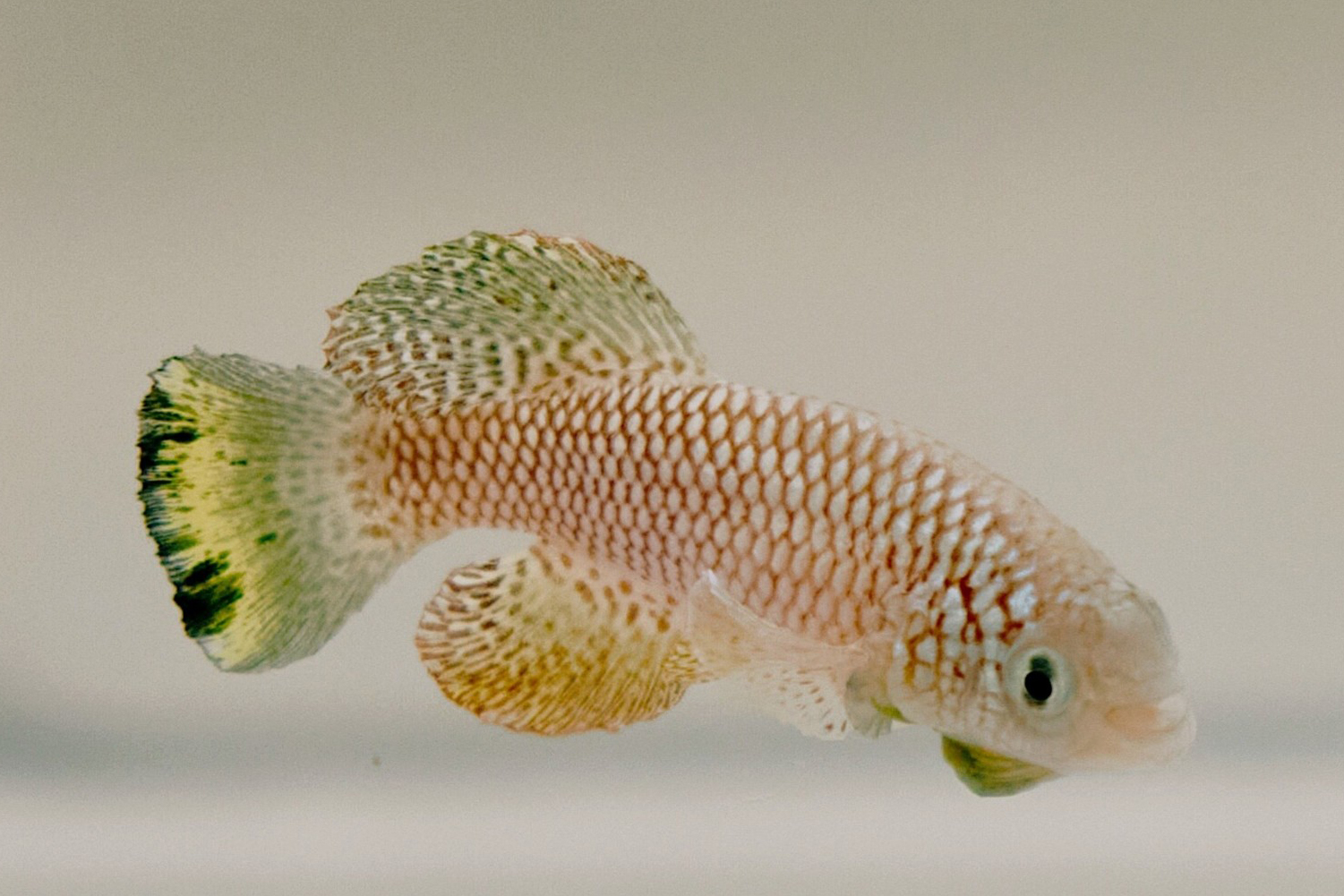
An African killifish. The Brunet lab is at the forefront of developing this fish as a model for studying aging. | Rogelio Barajas and Xiaoai Zhao
But there’s another feature of the killifish that I find genuinely remarkable. It has a form of suspended animation called embryonic diapause. In this state, killifish embryos can remain viable for months, sometimes years. The longest we’ve ever recorded is two and a half years. When you consider that the adult lifespan of this fish is only six months, that’s an extraordinary ratio – proportionally, this would be like a human living for 400 years in a suspended embryonic form. We’re very interested in what that can teach us about the biological mechanisms of life and time.
What is the biggest open question in aging research right now, and how is your lab working to close the gap?
We still don’t fully understand the complete ensemble of mechanisms that regulate aging or how to intervene in ways that can ultimately be translated to humans. That’s the overarching challenge.
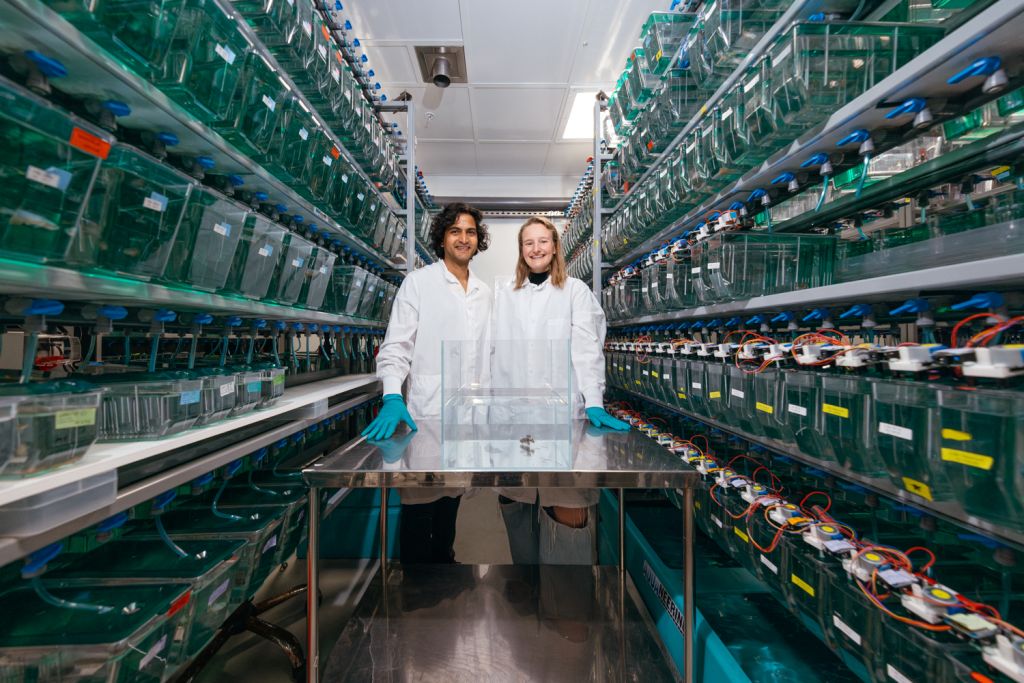
In our lab, we’re focused on fundamental research – discovering new mechanisms that drive aging. One direction we’re especially excited about is filming animals throughout their entire lifespan in a continuous manner. By capturing the full dynamics of aging rather than taking snapshots at fixed time points, we may be able to identify new stages of life that have been overlooked or find intervention points that could shift an individual from one aging trajectory to another. The killifish, with its compressed lifespan, makes that kind of longitudinal filming feasible.
It’s still early days, but I think the dynamics of aging, how it unfolds in real time, is one of the most underexplored dimensions of the field.
For more information
Brunet is also a member of Stanford Bio-X, the Cardiovascular Institute, the Wu Tsai Human Performance Alliance, the Stanford Cancer Institute, and the Wu Tsai Neurosciences Institute. She is also a member of the steering committee for the Knight Initiative for Brain Resilience at the Wu Tsai Neurosciences Institute.
Writer
Olivia Maule