Stanford presented four awards last week honoring collaborative work to advance diabetes prevention, support STEM pathways for community college students, improve outcomes for children with diverse learning needs, and engage students and scholars in improving public policy.
The Community Partnership Awards, coordinated by the Office of Community Engagement, spotlight collaborations between the university community and local organizations to address needs in the region. The Miriam Aaron Roland Volunteer Service Prize, awarded through the Haas Center for Public Service, recognizes faculty who integrate research and teaching with meaningful volunteer service. The awards were presented during a luncheon attended by civic leaders, faculty, and community members on March 3.
“Stanford students and faculty are involved in a remarkable number of research and educational projects with local community organizations,” said Stanford President Jonathan Levin, who opened the event. “The awards ceremony highlighted just a few, each inspiring for its seriousness, its collaborative spirit, and its successful outcomes.”
Roland Prize
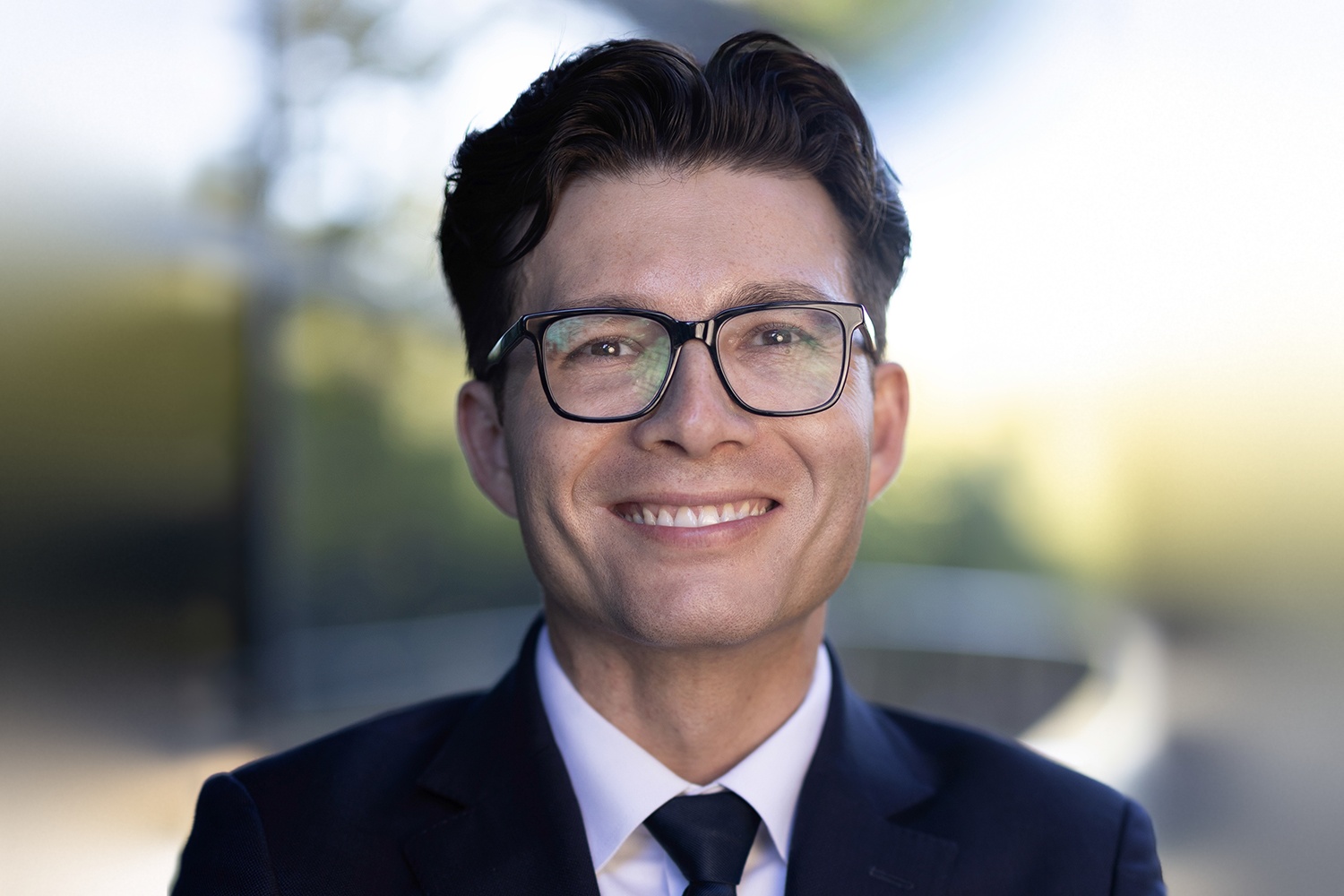
Daniel E. Ho, the William Benjamin Scott and Luna M. Scott Professor of Law at Stanford Law School and director of the Regulation, Evaluation, and Governance Lab (RegLab), received the Roland Prize, which recognizes faculty who integrate scholarship, teaching, and public service in ways that benefit students and communities alike.
Through RegLab, Ho connects academic research with real-world public challenges, working alongside students and government partners to improve policy and service delivery. His collaborations span issues including regulatory reform, tax administration, public health response, and artificial intelligence governance.
Among his recent projects, Ho partnered with Santa Clara County to implement California’s Assembly Bill 1466, creating a tool to automatically find and redact racist language from property records while keeping historical information intact. What began as a class prototype turned a task that could have taken years into one completed in weeks at minimal cost.
Across RegLab’s work, students serve as collaborators in designing tools, evaluating policies, and translating research into practice. Alumni have gone on to roles in AI and public service, among others.
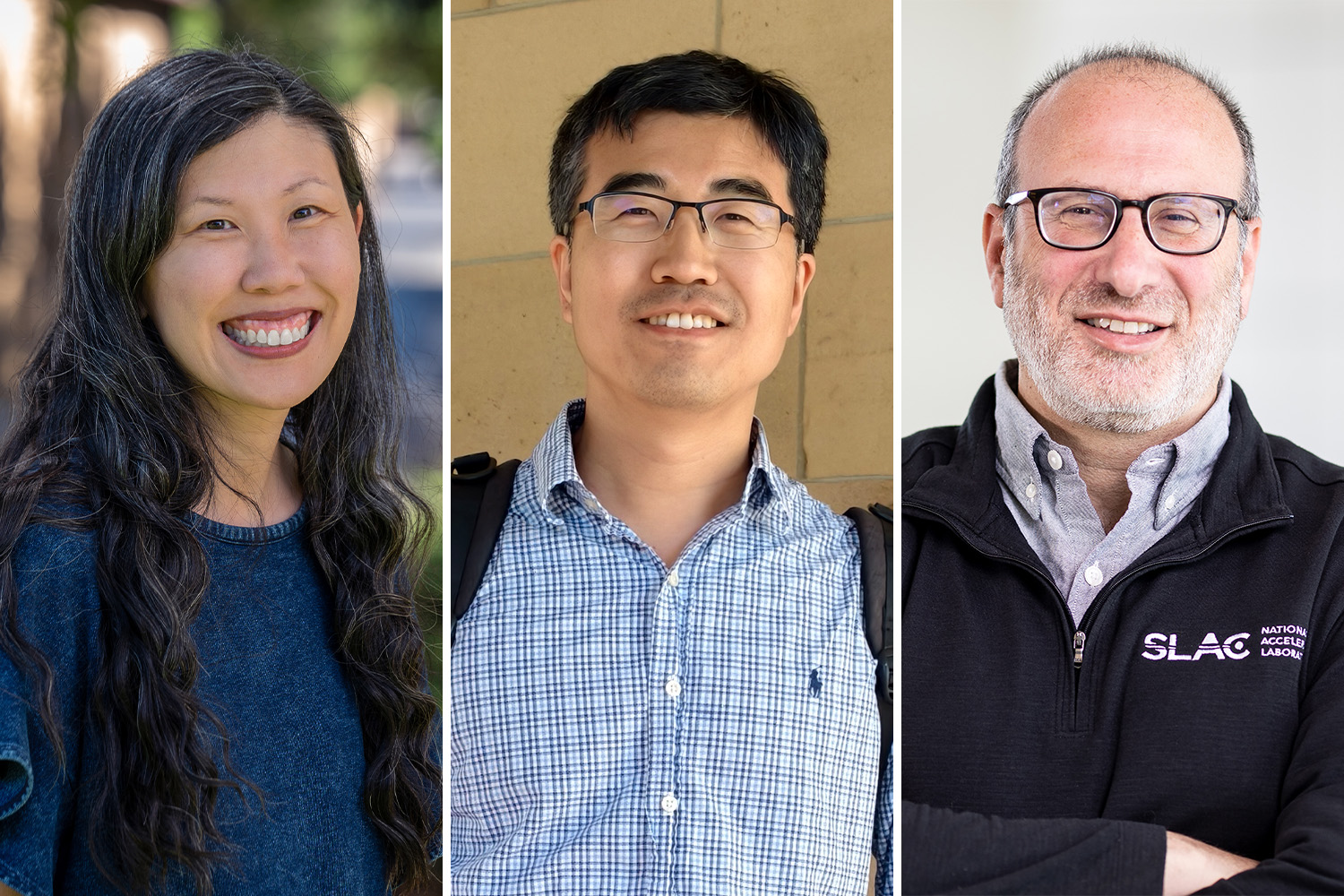
In his nomination letter, Christopher Manning, the Thomas M. Siebel Professor in Machine Learning in the departments of Linguistics and of Computer Science, highlighted Ho’s commitment to translating research into real-world impact: “There are just very few people in academia who successfully span from doing rigorous academic research to implementing systems and getting them used by practitioners outside academia. Recognizing his public service contributions enriches Stanford University and inspires future generations of students and scholars to pursue research for the public good.”
Community Partnership Awards
The Partnership Awards celebrate the best models for joint efforts between Stanford scholars and Bay Area organizations to meet mutual challenges. Campus and community leaders nominated collaborations. A selection committee reviewed with a focus on three areas – meeting a need, creatively connecting campus and community, and engaging students, staff, and/or faculty in service – and chose these awardees:
Stanford PhD students launched the Community College Outreach Program with College of San Mateo in 2020, expanding to six campuses with mentoring, research, and internships. Megan J. Agajanian (second from left), NCI KOO Postdoctoral Fellow, and College of San Mateo President Manuel Alejandro Pérez (right) accepted the Community Partnership Award. | David Gonzales
Community College Outreach Program at Stanford University
Two Stanford PhD students, themselves community college alumni, established the Community College Outreach Program in partnership with the College of San Mateo in 2020. Supported by Developmental Biology in the School of Medicine, this initiative provides STEM research opportunities and career mentoring through symposia, lab tours, internships, and a transfer bootcamp. The program has grown to six community college campuses, and more than 73% of 112 interns to date have transferred to four-year universities, which is seven times the state rate.
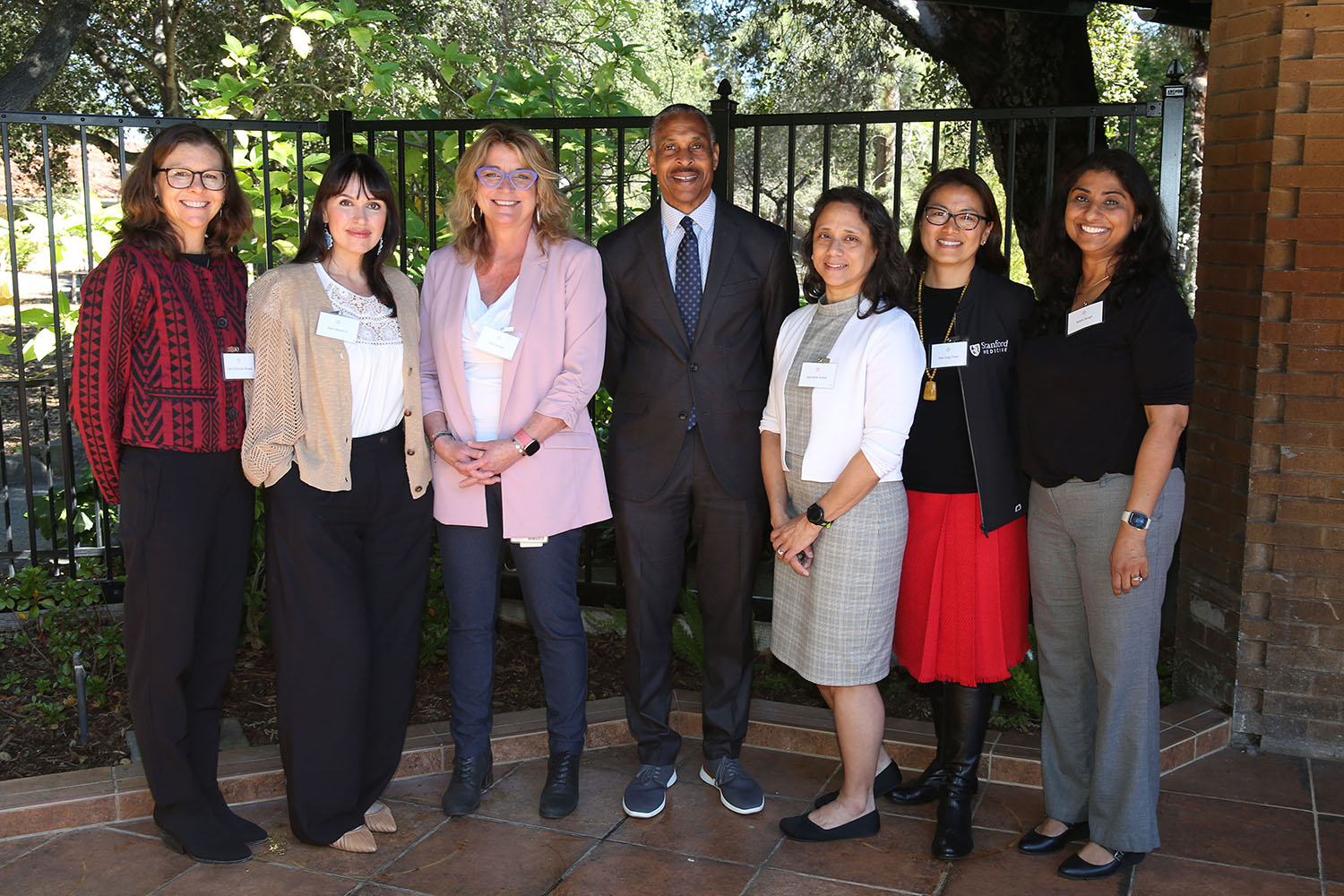
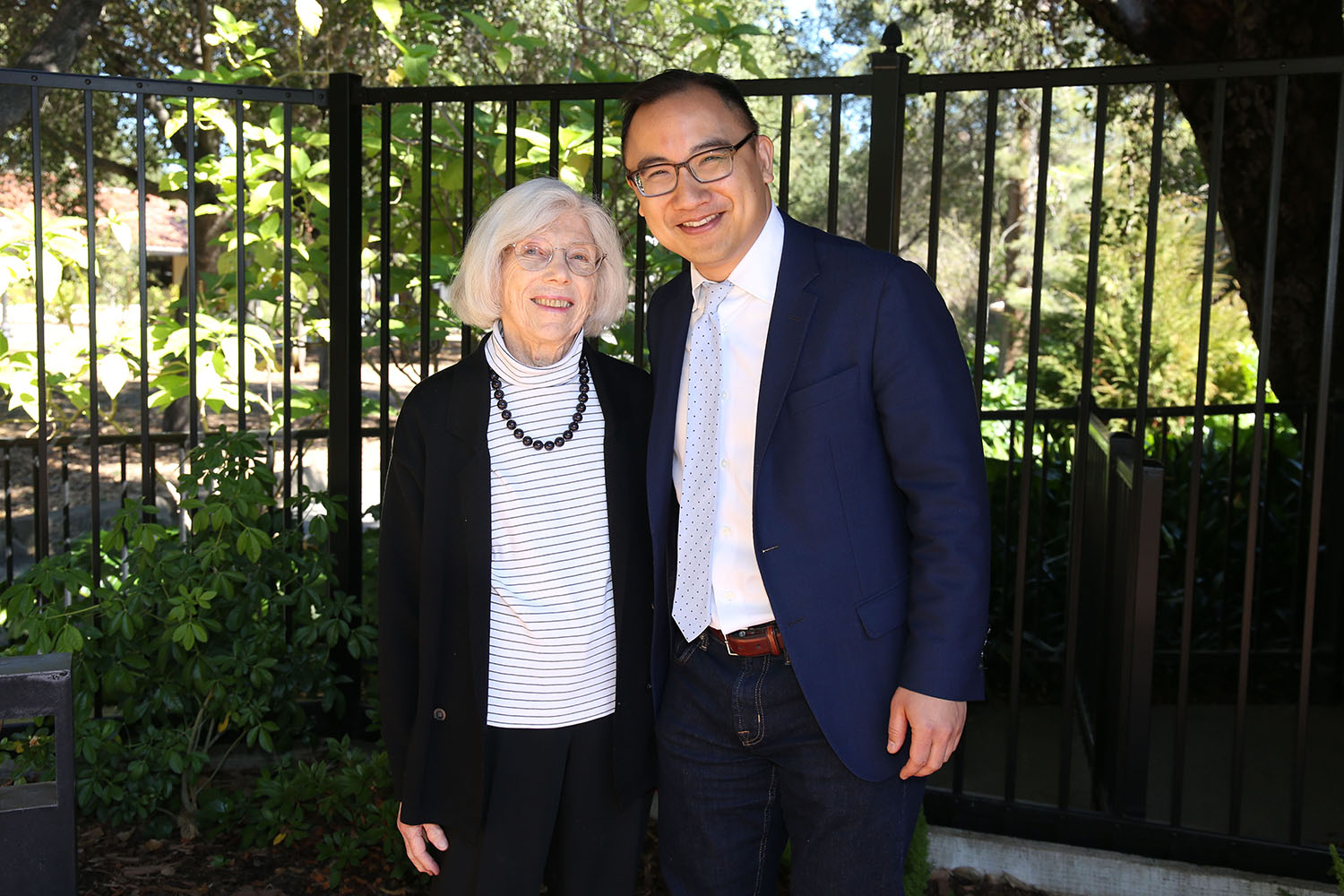
Launched in 2022, the Vida Sana y Completa diabetes prevention study supports Spanish-speaking Latinas with yearlong coaching. Wei-ting Chen (second from right), executive director in the Office of Community Engagement, and Rakhi Singh (right), medical director at Fair Oaks Health Center, accepted the award. | David Gonzales
Food for Health Equity Lab and San Mateo Medical Center: Vida Sana y Completa Study
Launched in 2022 by School of Medicine researchers in the Food for Health Equity Lab, the Vida Sana y Completa diabetes prevention study connects Spanish-speaking Latinas from East Palo Alto and Redwood City to 12 months of coaching, nutrition education, and peer support at Fair Oaks Health Center. More than 400 participants to date have received groceries, health coaching, and social service referrals, and reported improved food security and greater confidence in accessing food resources.
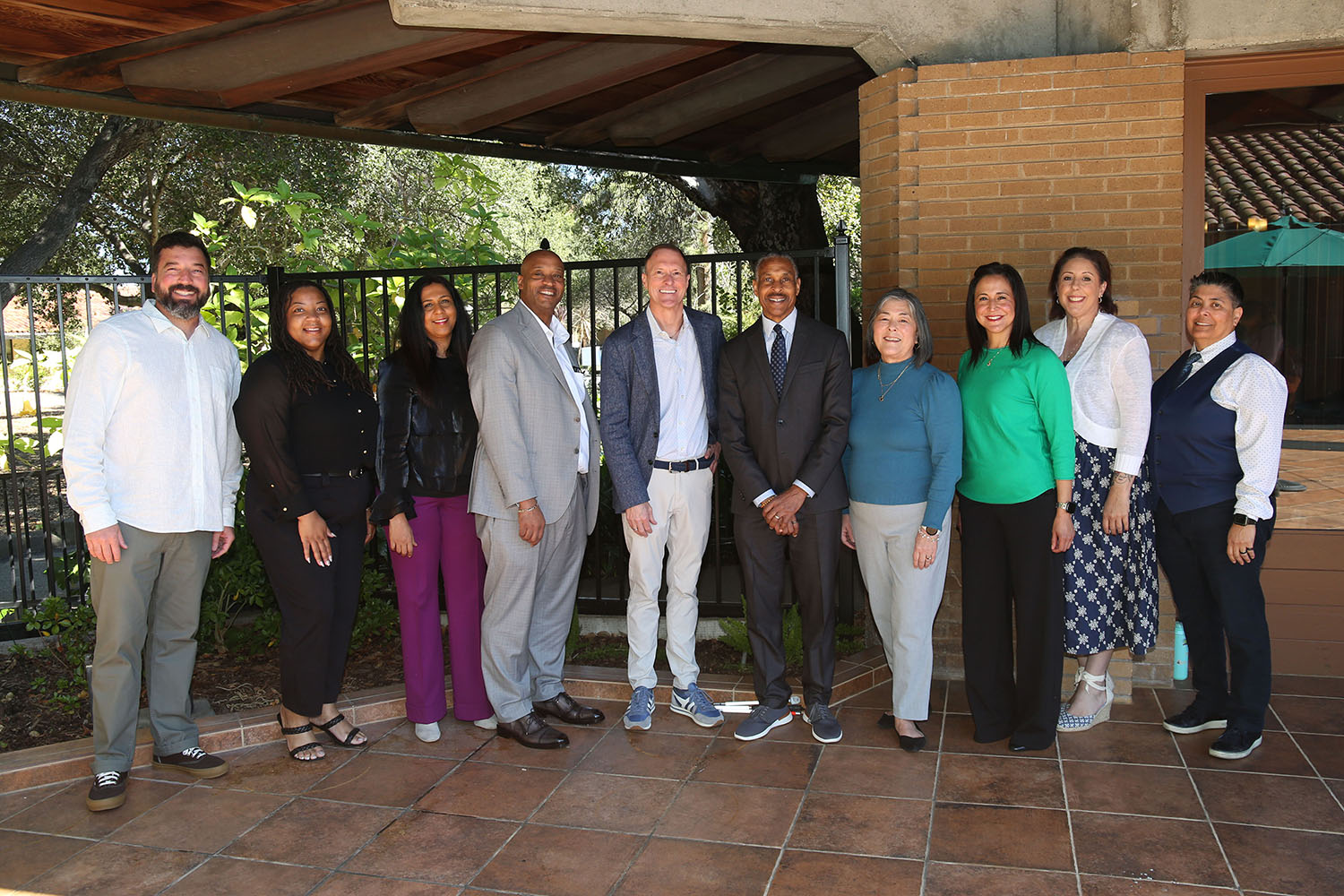
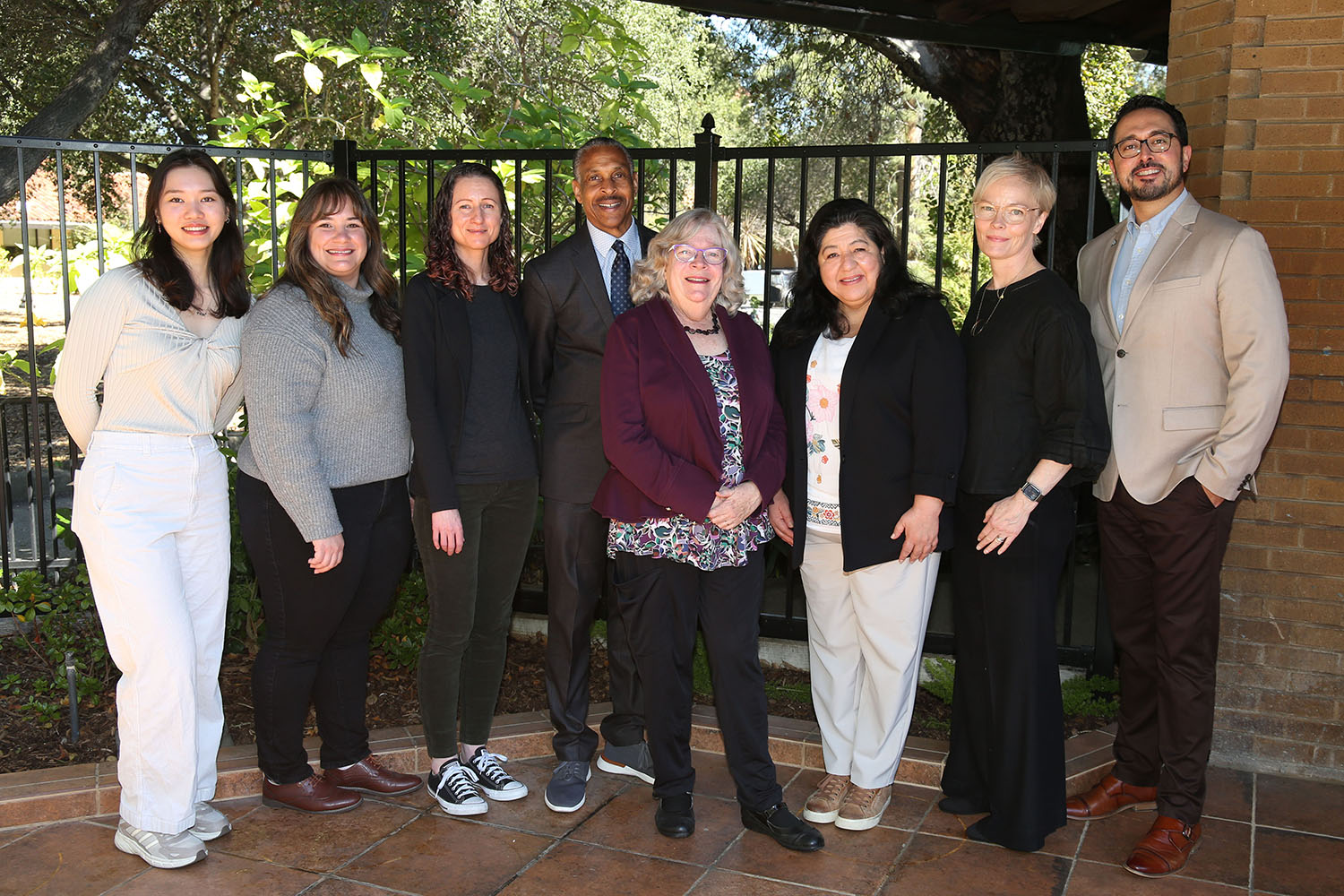
Since 2021, Stanford GSE and Santa Clara USD partner to support diverse learners via paraeducator training, teacher coaching, placements, and tutoring. Stanford GSE’s Chris Lemons (fifth from left) and Kathie Kanavel (fourth from right), assistant superintendent of educational services, accepted the award. | David Gonzales
Santa Clara Unified-Stanford Research Practice Learning Partnership
Since 2021, the Graduate School of Education and Santa Clara Unified School District have worked together to improve outcomes for students with diverse learning needs through initiatives such as professional training for paraeducators, coaching for teachers, Stanford Teacher Education Program placements, and peer tutoring.
“Our awardees are difference-makers who channel their commitment, passion, and optimism into collaborative solutions to work to overcome some of our communities’ more vexing challenges,” said Patrick H. Dunkley, vice provost for institutional equity, access, and community, who presented the partnership awards. “Their vision for the seeds they are planting will reap a harvest for our region, as well as in the individual lives they touch, not just today but for years to come.”
Writers
Virginia Bock
Chris Peacock