The National Academy of Medicine has elected three Stanford Medicine professors to its membership, one of the highest honors in health and medicine.
They are among the 90 U.S. members and 10 international members newly elected to the academy, which provides policymakers, business leaders and the public with independent, scientifically informed analysis and recommendations related to health and the biomedical sciences. Election to the academy is reserved for individuals who have demonstrated outstanding professional achievement and commitment to service.
An academy committee selects new members each year from a list of nominees. Members are chosen based on their professional qualifications and accomplishments as shown through their publications and research grants.

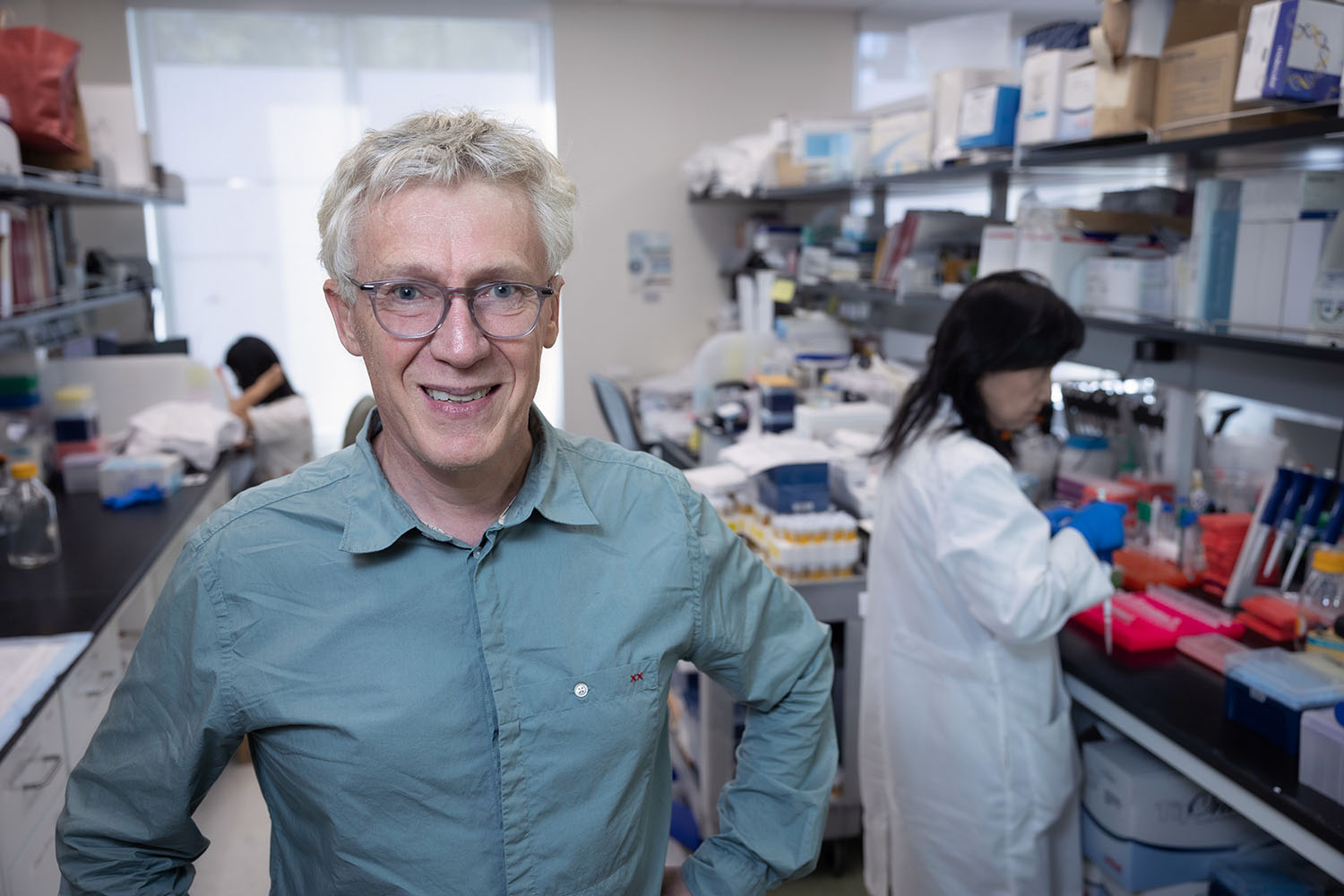
From left: Euan Ashley, Thomas Montine, and Alice Ting. | Courtesy Stanford Medicine
Euan Ashley, MB ChB, DPhil, the chair of the Department of Medicine, professor of genetics and of biomedical data science, the Arthur L. Bloomfield Professor in Medicine, and the Roger and Joelle Burnell Professor in Genomics and Precision Health, was elected for helping lay the foundation for the use of the human genome in medicine.
Thomas Montine, MD, PhD, the chair of the Department of Pathology, was elected for his highly innovative research and leadership that bridges genetics, pathology, small molecule development, and AI-based pathology approaches to resolve molecular mechanisms of brain aging and neurodegenerative disease and to improve its diagnosis and treatment.
Alice Ting, PhD, a professor of genetics and of biology, was elected for her leadership in developing molecular technologies for detecting, manipulating and discovering biochemical events in living cells. She pioneered proximity labeling, a method for mapping spatial proteomes and transcriptomes with nanometer precision in living samples, and contributed to the development of electron microscopy tags, engineered fluorophore ligases and calcium integrators.
For more information
This story was originally published by Stanford Medicine.
Writer
Mandy Erickson