



More accessible urban parks drive greater physical activity in U.S. cities
Research
As the world grapples with a rising “physical inactivity pandemic,” new research shows that improved access to parks can significantly enhance physical activity levels.
Stanford initiative champions nature as a vital asset
Video
The Natural Capital Alliance’s People, Planet, Prosperity (3Ps) initiative is working with 16 countries and three development banks to show how ecosystems provide essential benefits, guiding investments that support both nature and communities.

Corporate reports miss the mark on ocean health
Research
A new paper reveals significant gaps in company disclosures regarding ocean-specific issues like habitat destruction, overfishing, and invasive species.

Leveraging the tools of finance to achieve sustainable development
Research
Natural capital-based approaches are supporting financial tools that direct billions of dollars toward projects and development strategies that benefit both people and nature.

Partnership between Stanford and Colombian officials aims to quantify benefits of natural assets
Research
A new paper outlines the co-development of a novel natural capital assessment and account for Colombia’s Sinú Basin, laying the groundwork for compensation programs that protect nature and support livelihoods.

How elephants say ‘let’s go!’
Research
The deep infrasonic rumbles male elephants use to signal group departures tell us something about their complex vocal coordination and strong social bonds.

Stanford hosts U.S.-China dialogue on nature
Event Highlights
The Natural Capital Project convened top policymakers from China to highlight the need for collaboration on ecosystem-based approaches to sustainability.
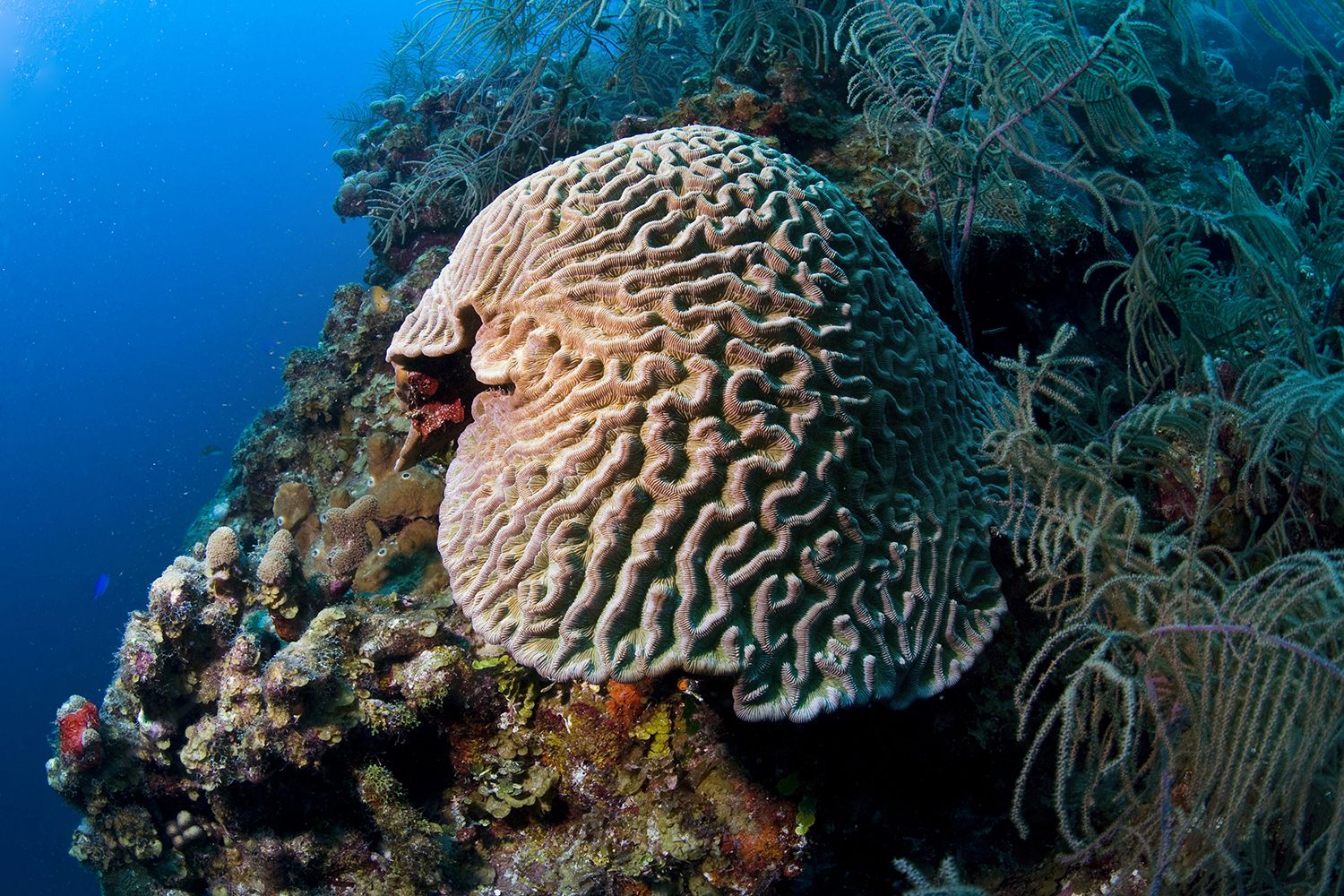
Planning for healthy corals and communities
Research
Stanford scientists worked with collaborators in Guatemala, Honduras, and Belize to identify targets for benefiting people and ecosystems across the region.
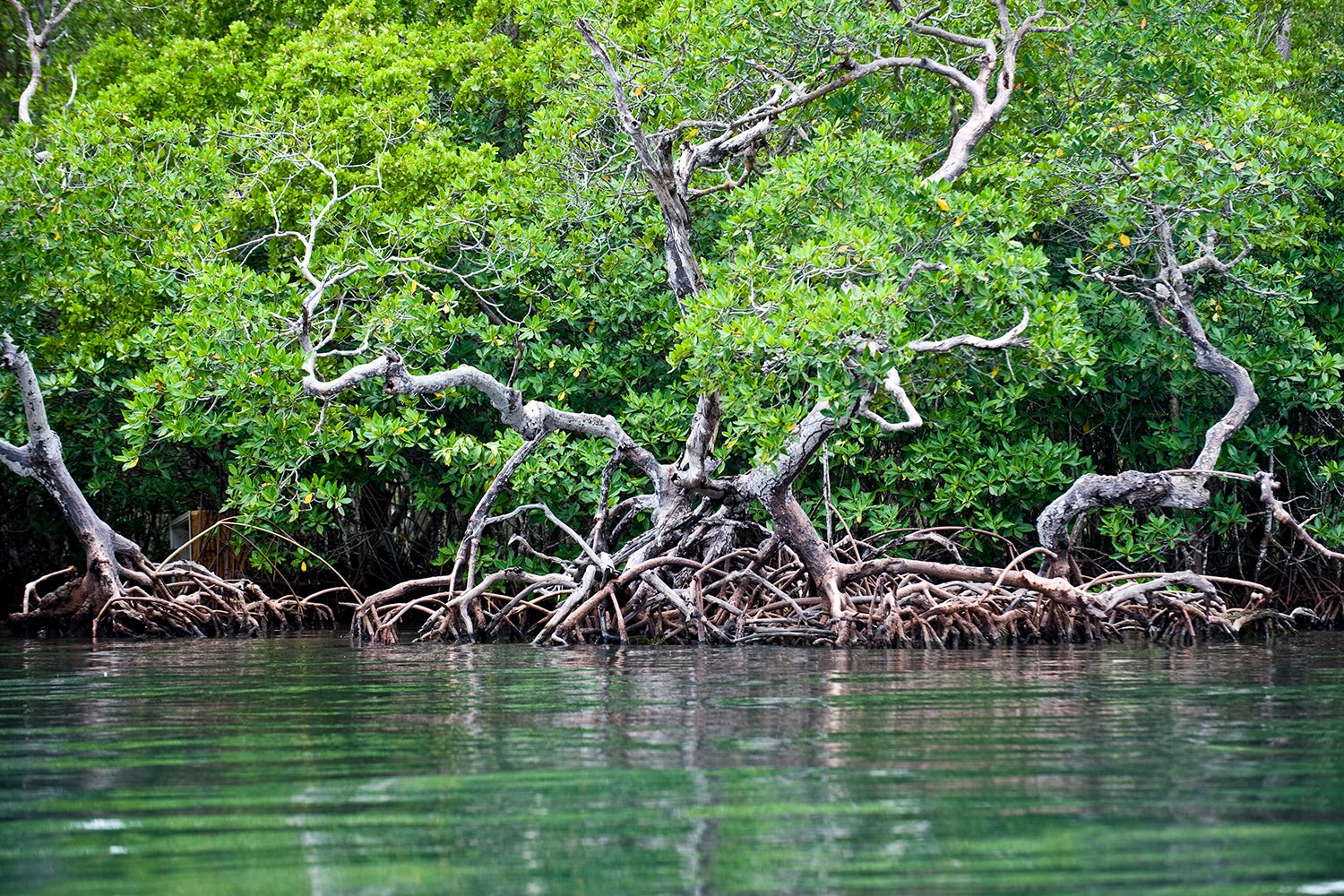
Mangroves’ value
News
A new approach quantifies the value of mangrove forests in Belize for carbon sequestration, tourism, fisheries, and coastal protection, then uses the values to target conservation and restoration. The findings hold lessons for coastal countries looking for ways to balance climate goals with economic development.

Biodiversity policy
Research
Our health and economic stability depend on biodiversity, but our governing policies often fail to address it coherently. An analysis of the world’s second most biodiverse country highlights how policies that span sectors and actors can fit together to govern biodiversity more effectively.