



Study refines our understanding of long COVID
News
An analysis of 14.4 billion medical insurance claims has uncovered limitations in earlier studies, offering a more reliable way to measure the long-term health effects of COVID-19.
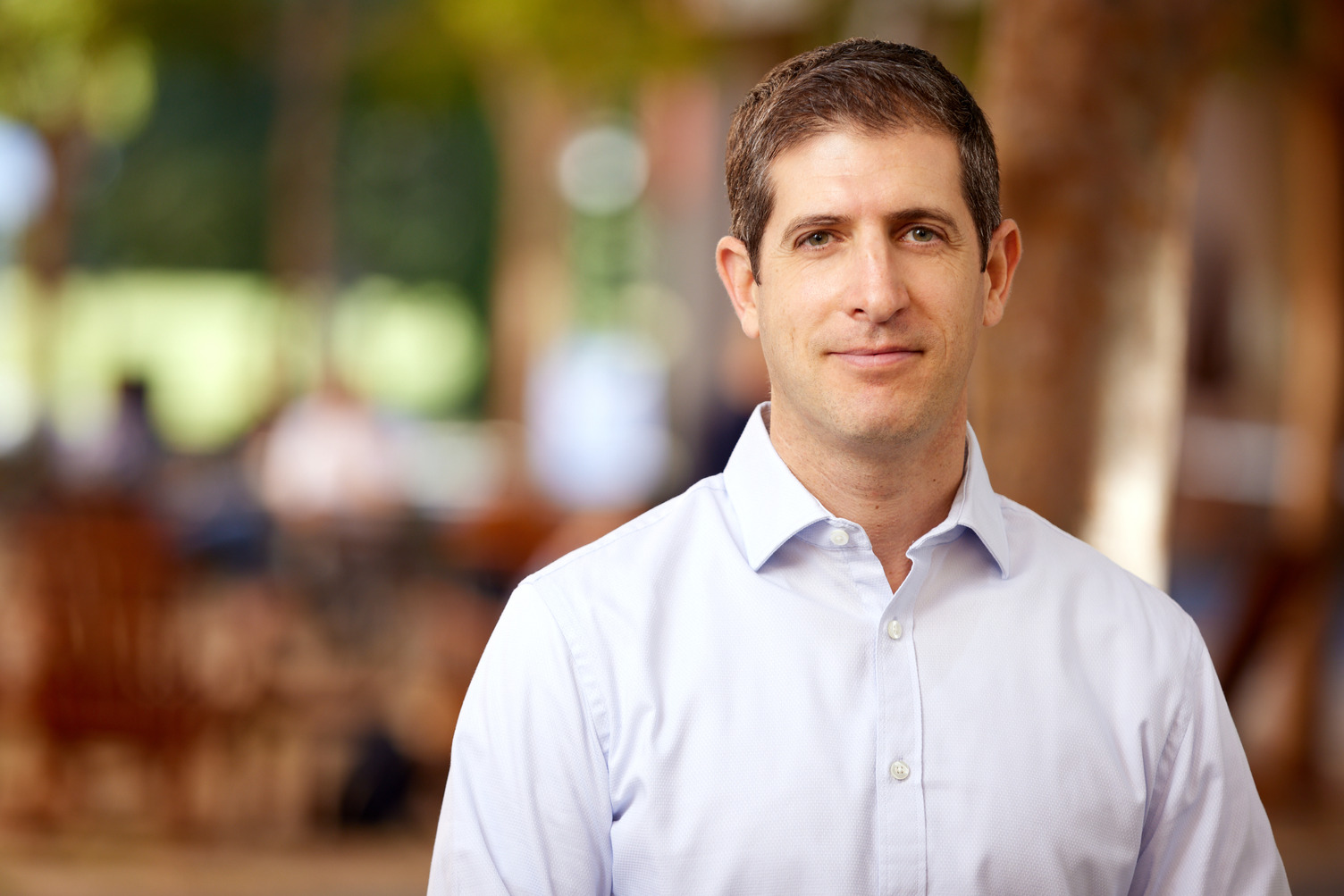
How to fix a broken hierarchy from the inside
Q&A
It’s hard to escape hierarchies. In a new book, organizational behavior professor Nir Halevy offers a method for diagnosing and treating dysfunctional ones.
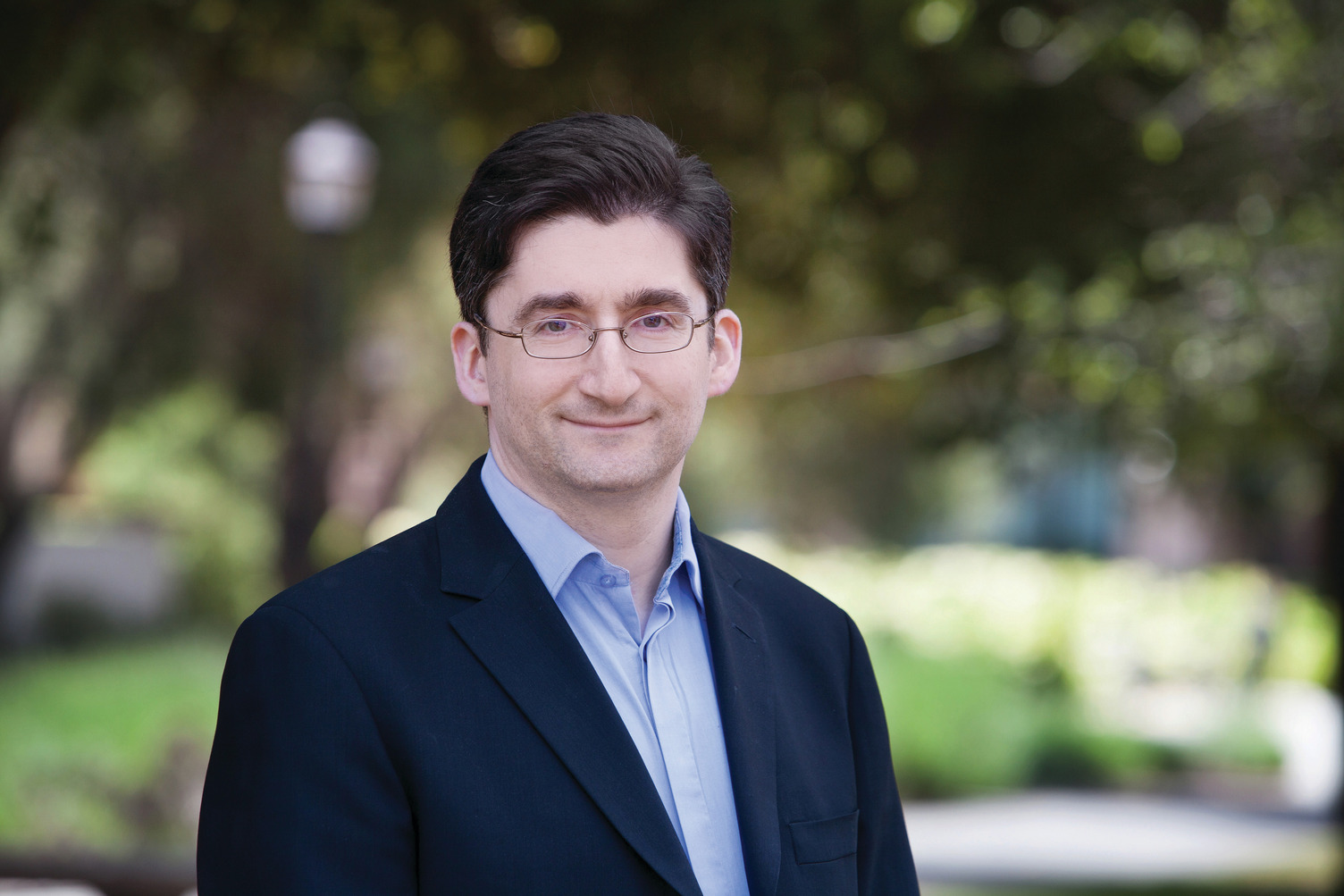
Why a tiny slice of VCs capture almost all the profit
News
Stanford finance professor Ilya Strebulaev helped assemble the largest dataset of individual VCs to date – and found that 90% of net profits flow to just 5% of players.

The clean energy bottleneck isn’t technology – it’s market design
Research
Working at the intersection of economics and operations, Ömer Karaduman studies how to design more efficient and reliable electricity systems.
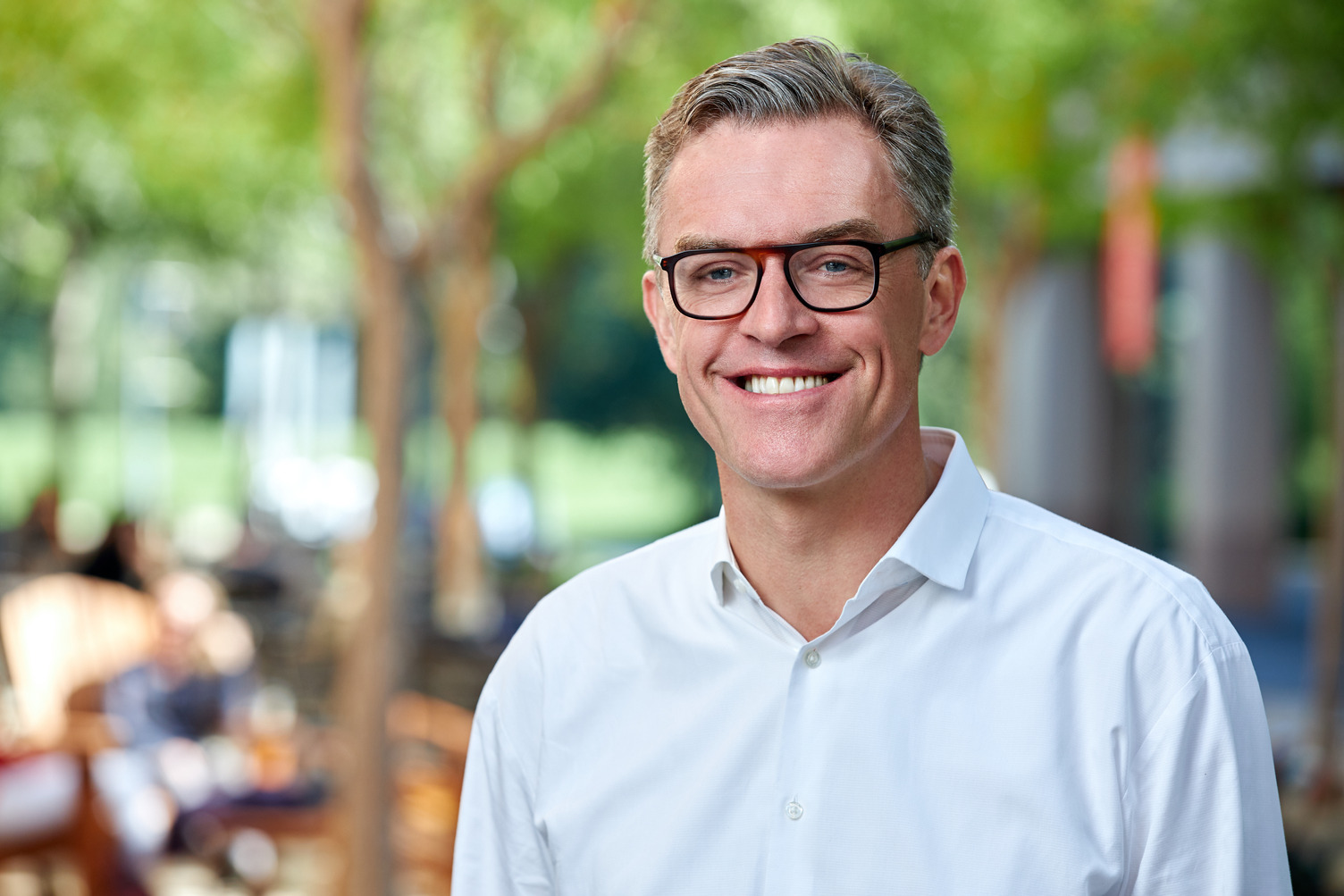
A Stanford economist explains the bond market
Q&A
Finance Professor Hanno Lustig lays out how the bond market works and what you need to know to make sense of the headlines.
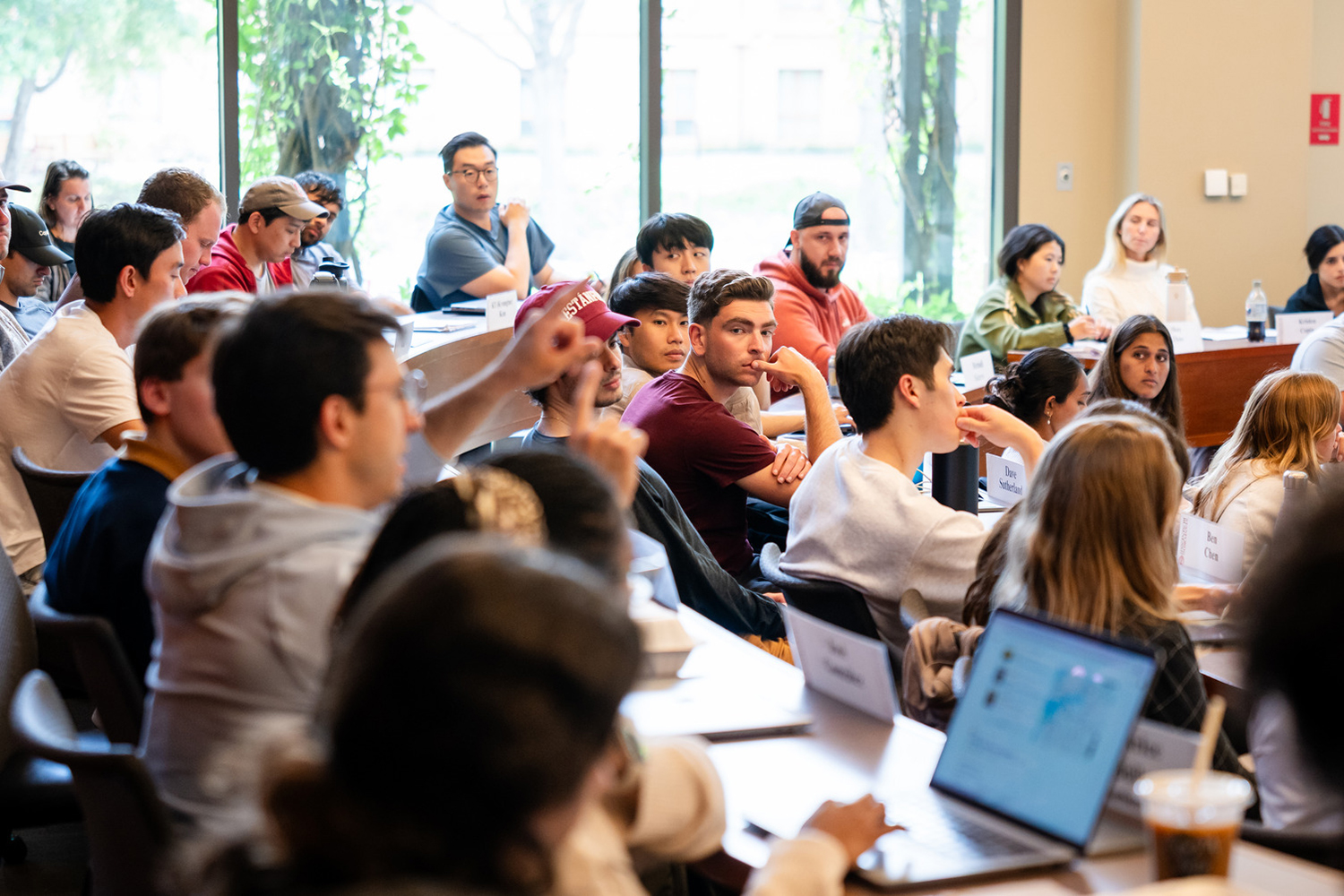
Course prepares leaders for uncertain future of AI
News
The AI-Powered Org helps students navigate the opportunities, risks, and skepticism surrounding artificial intelligence in the workplace.
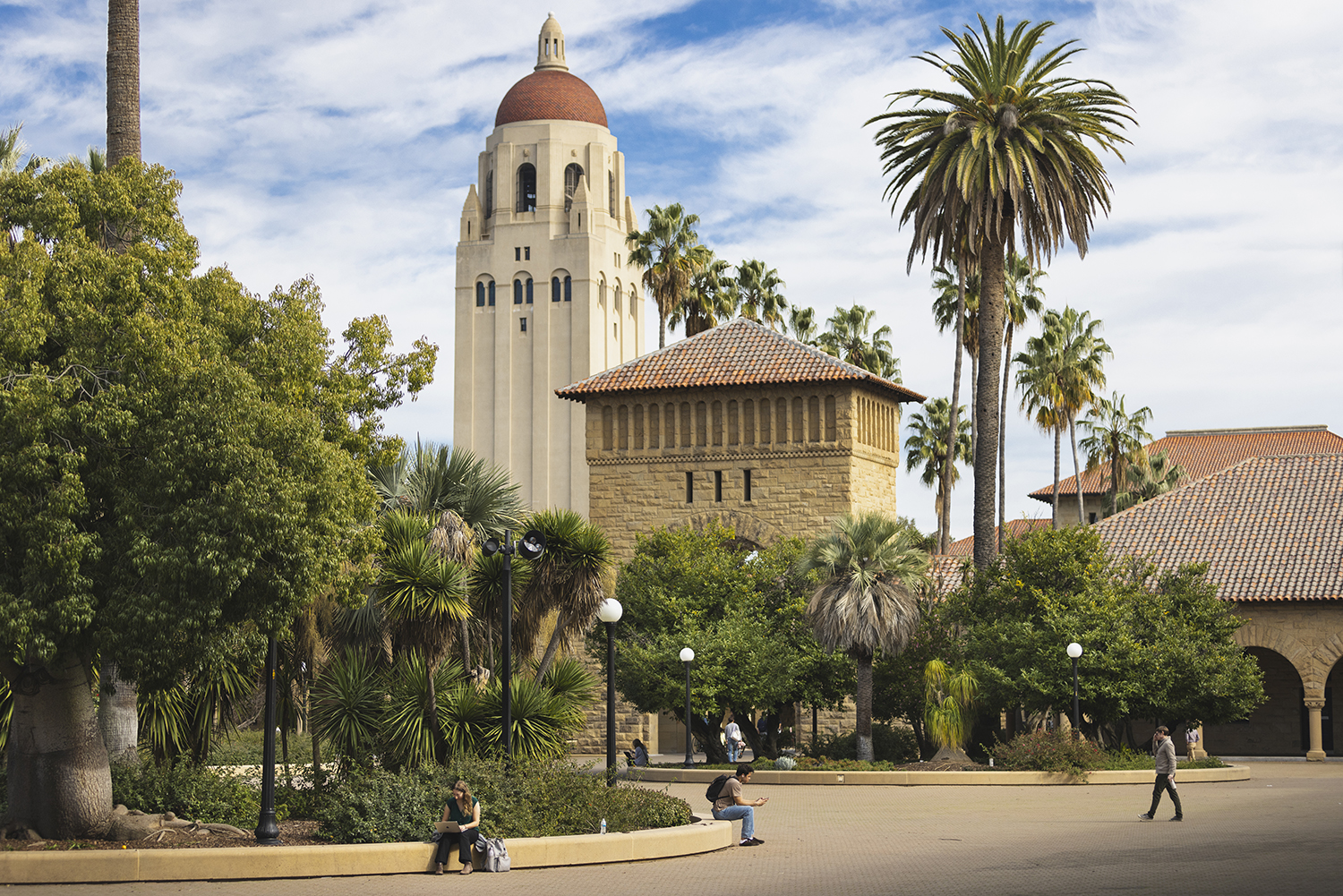
18 Stanford students named Siebel Scholars
News
The award honors outstanding graduate students pursuing careers in business, science, and engineering.

A blueprint for keeping humans in control of AI
Research
New research teaches independent AI agents to ask for help – and gives users a way to limit unsafe decisions.
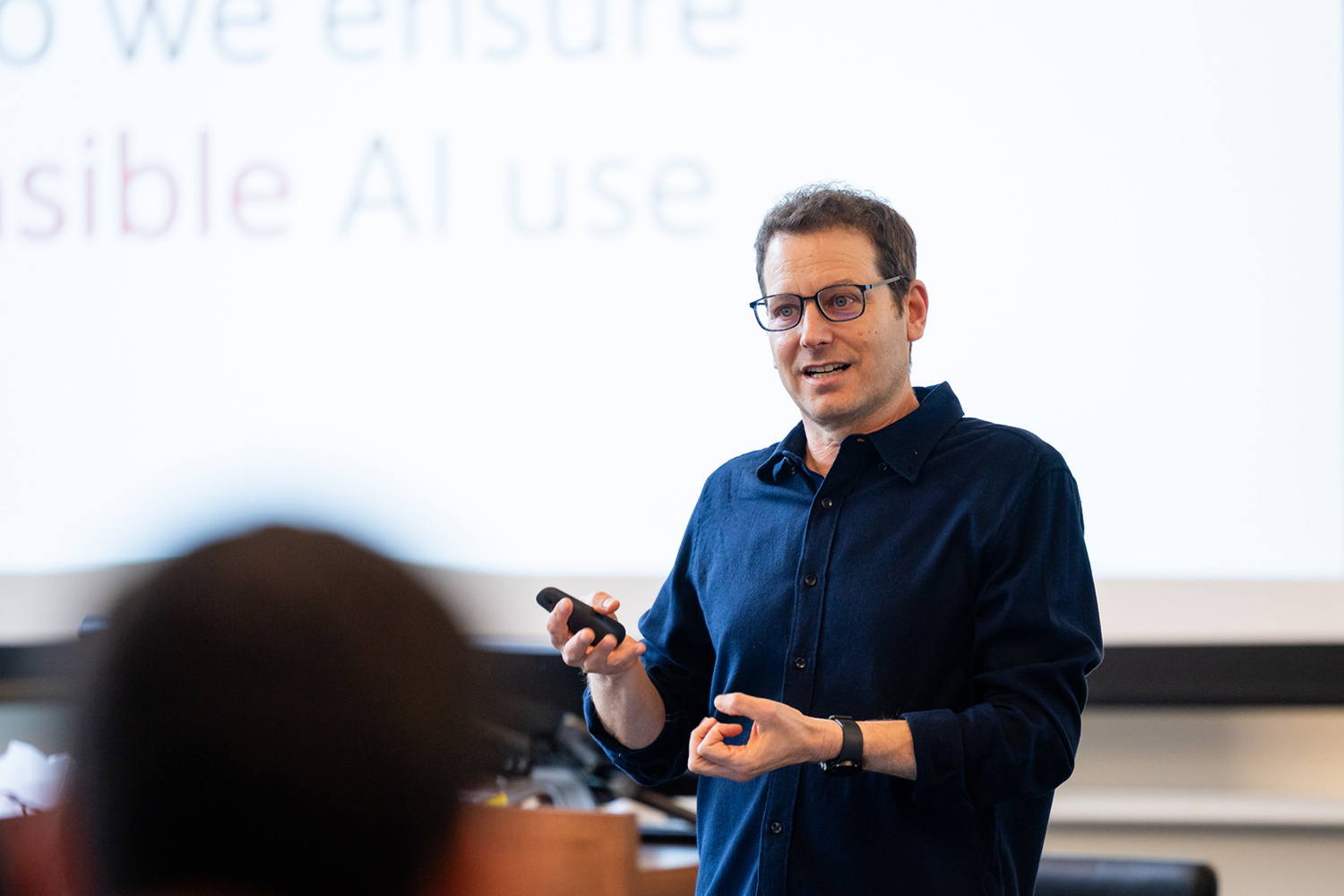
Team develops AI tool to predict workplace dynamics
Research
A prize-winning faculty-student collaboration is developing an LLM to uncover the hidden ways people work together.

Why lower-class workers don’t negotiate for higher pay
Research
New research reveals that workers from lower socioeconomic backgrounds are less likely to negotiate salaries and face real backlash when they do, widening lifetime earnings gaps.