


Narcoleptic dogs help Stanford scientist crack a medical mystery
In the News
By studying a colony of narcoleptic dogs at Stanford, Emmanuel Mignot was able to track down a gene that seemed to play a central role in the condition.
The morning light habit sleep experts swear by
In the News
Jamie Zeitzer, professor of psychiatry and behavioral sciences, on how the body’s circadian clock helps it anticipate daily needs.

AI model predicts disease risk while you sleep
Research
The first artificial intelligence model of its kind can predict more than 100 health conditions from one night’s sleep.
Daylight saving time tied to higher rates of stroke and obesity
News
According to a new Stanford Medicine analysis, most Americans would be healthier if clocks weren’t changed twice a year.

Understanding the bidirectional relationship between sleep and mental health
Research
Stanford Medicine researchers explain how sleep shapes our moods – and ways to repair broken slumber to improve mental health.

‘Step by step, we’ve made a huge amount of progress’
Profile
Molecular biologist Luis de Lecea is mapping the brain circuits that control sleep so we can manipulate them for a better night’s rest.

Childhood sleep disturbance linked to suicidal thoughts
Research
Kids with highly disturbed sleep or frequent nightmares at age 9 or 10 were more likely than sound sleepers to have suicidal thoughts and behaviors by age 12, a Stanford Medicine-led study found.
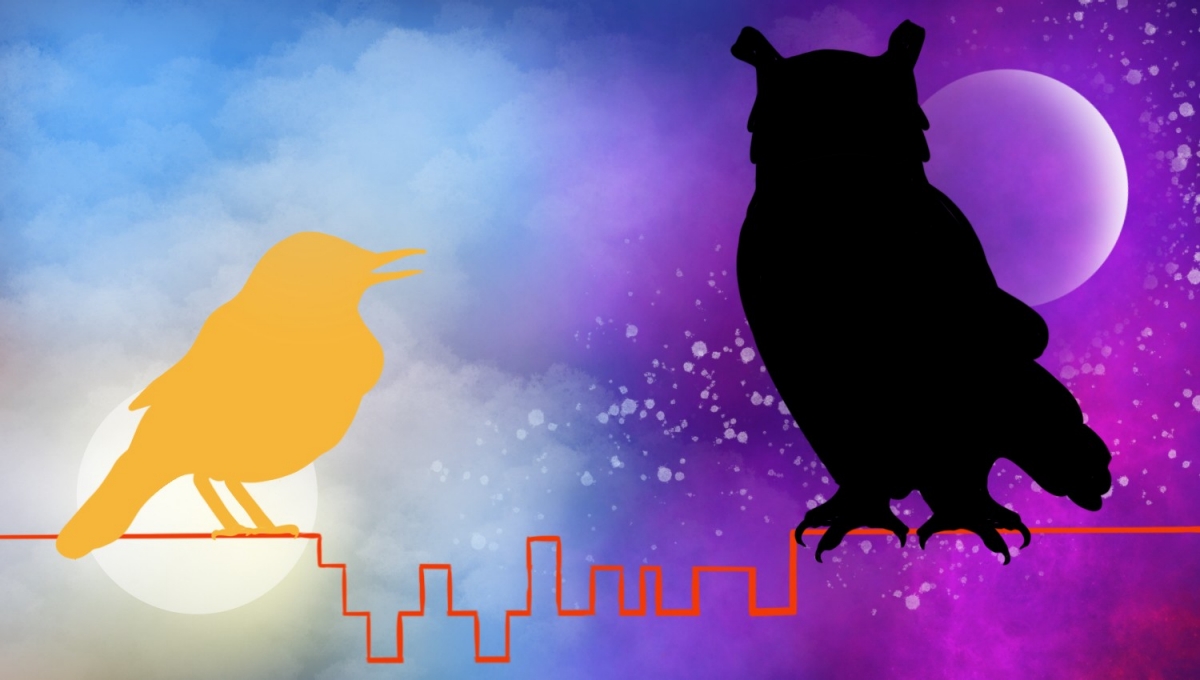
Sleep study finds night owl behavior could harm mental health
Research
In a new, large-scale study of sleep behavior, Stanford Medicine scientists found that night owls don’t really thrive late at night.
Four questions for Jamie Zeitzer on daylight saving time
Q&A
The co-director of the Stanford Center for Sleep and Circadian Sciences dishes on the science (or lack thereof) behind ”falling back.”
Sleep impacts reaction time as much as alcohol
News
In a test of reaction times, people who were tired because of disrupted sleep performed about as poorly as subjects who were legally drunk.