



Study traces health decline in wearable data before cardiac arrest
Research
Researchers found a sharp, synchronized decline across health metrics five months before a colleague’s death. The findings suggest wearables could help identify cardiovascular risk earlier.

What biological age tests can – and can’t – tell you
Research
Stanford Medicine experts explain how biological age differs from chronological age, why test results vary, and what the numbers actually mean for your health.

Gene therapy breakthrough fits where CRISPR can’t
News
TIGRa, half CRISPR’s size, fits in viral vectors to boost protective genes. Its compact design could enable gene therapies throughout the body.
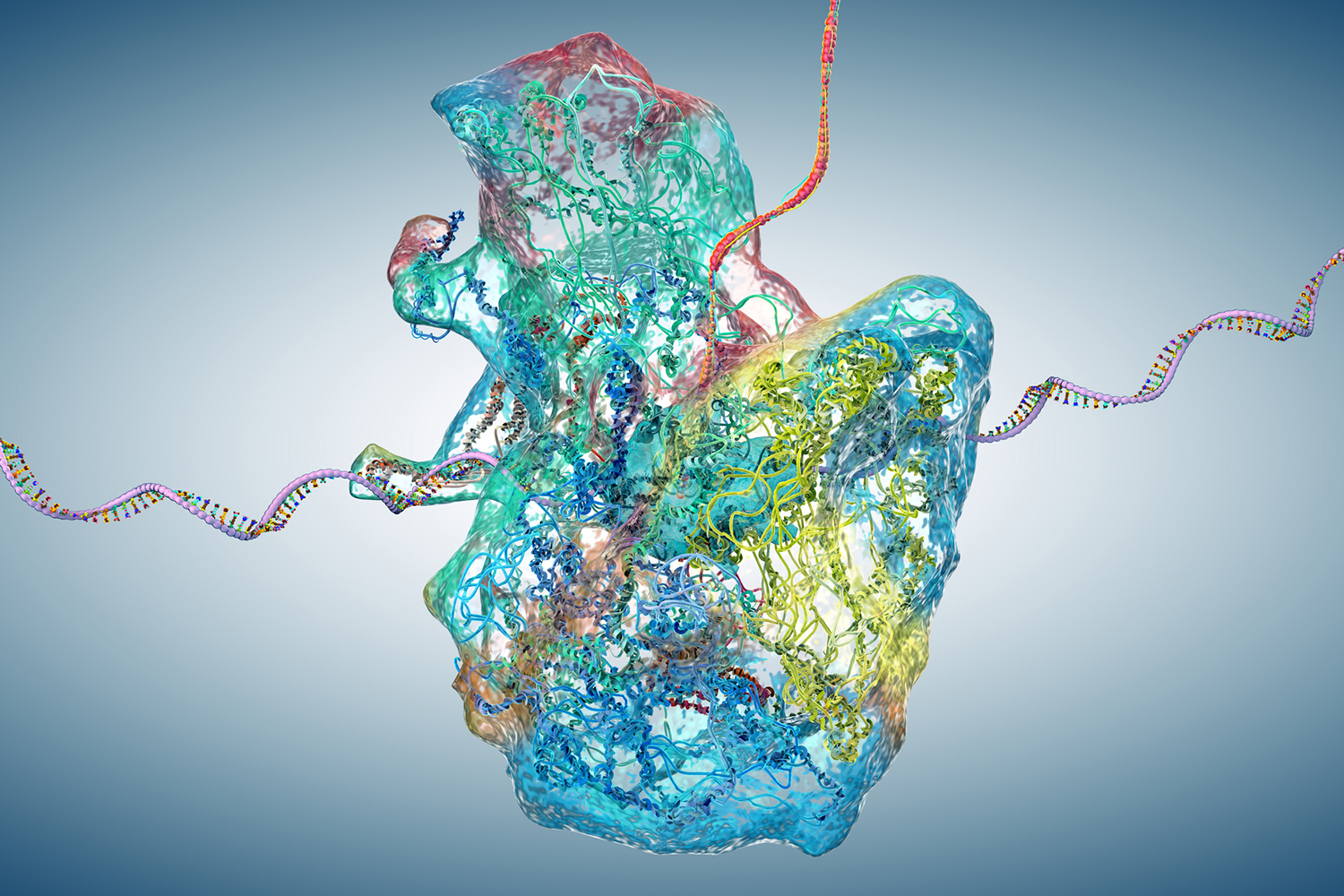
What’s a ribosome’s role in deciding cell fate? More than we knew
Research
Researchers at Stanford Medicine developed a tool called the Ribo-Tweezer to pluck individual components out of a mature ribosome, finding a surprising role for a protein called RACK1.

Stanford study looks to elite athletes for longevity clues
Research
Cy Chittenden biked 2,850 miles across America. His DNA is part of a Stanford study investigating the genetics of elite athlete endurance to inform longevity research and treatment strategies.

Study examines geography and ethnicity’s impact on human biology
Research
Research across three continents indicates that geography and ethnicity influence biological processes, aging, and disease risk.
How researchers are making stem cell transplants safer
Video
An antibody-based approach for Fanconi anemia replaces traditional toxic conditioning with targeted therapy, allowing safe restoration of blood and immune function without chemotherapy or radiation.

One in 10 people may resist GLP-1 diabetes drugs
News
New research suggests that certain genetic variants can decrease the ability of GLP-1 diabetes drugs to regulate blood sugar – a mysterious phenomenon known as GLP-1 resistance.

Bioengineers develop novel method to read proteins
Research
A “reverse translation” technique converts protein sequences into DNA, enabling unprecedented detection sensitivity.

Prenatal stem cell treatment targets rare genetic disease before birth
Q&A
Pediatrics Assistant Professor Agnieszka Czechowicz explains an innovative trial using maternal cells to treat Fanconi anemia in utero.