


Bio-X Undergraduate Summer Research Program
Announcement
The Bio-X Undergraduate Summer Research Program provides full-time, hands-on experience in the lab as well as weekly faculty talks, workshops, and other events. Learn more about the 10-week program and apply by Jan. 21.

‘Re-Thinking Food’ symposium launches interdisciplinary effort to reimagine global food systems
Event
A new initiative led by Stanford Bio-X unites all seven Stanford schools to integrate research, education, and innovation for a healthier, more sustainable food future.

Bio-X seed grant leads to new clinical imaging platform
Research
A clinical imaging system that uses advanced optical and AI technologies pioneered at Stanford helps diagnose skin cancers in real time.

Ellen Kuhl named director of Stanford Bio-X
News
Kuhl aims to continue Bio-X’s legacy of facilitating multidisciplinary fundamental research and innovation.

Bio-X celebrates 25 years of interdisciplinary science
Research
After 25 years of transformational research, Stanford Bio-X is still fueling new ideas and changing lives through a scientific community like no other.

New tool drastically speeds up the study of enzymes
News
A new tool that enables thousands of tiny experiments to run simultaneously on a single polymer chip will let scientists study enzymes faster and more comprehensively than ever before.
Stress test separates tough bacteria from the tender
News
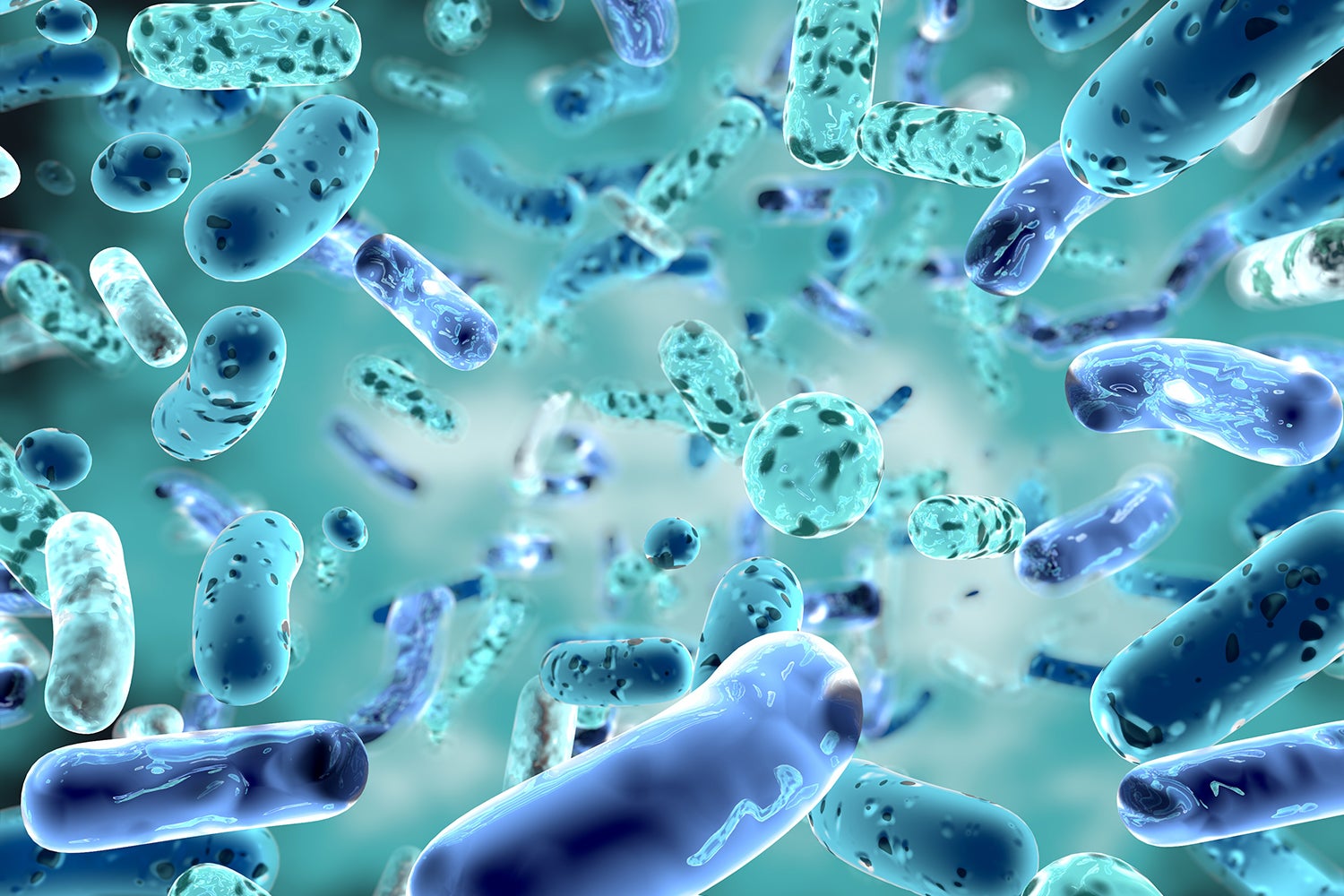
By scooping the guts out of bacteria and refilling them with an expansive fluid, scientists can discover whether a microbe is structurally strong or weak, gaining insights that could help fight infectious diseases or aid studies of the beneficial bacterial communities known as microbiomes.
A prosthetic foot that tackles tough terrain
News
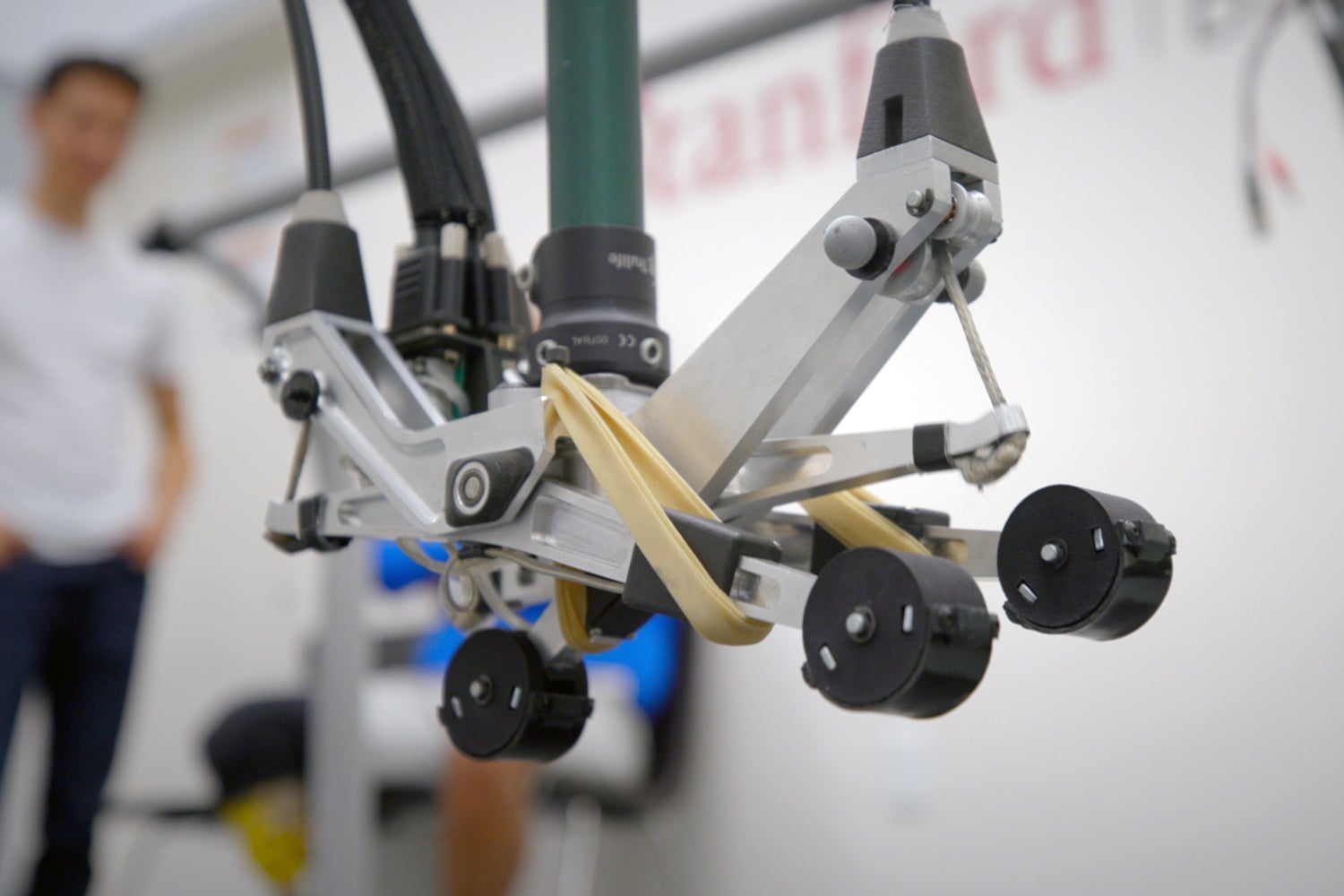
Hiking trails and other rough terrain are especially difficult for people with prosthetic legs. Now, Stanford engineers have come up with more stable prostheses – and a better way to design them.

Extreme cold could reveal herpesvirus infection dynamics
News
Researchers don’t know much about how viruses like those that cause chicken pox infect cells. A super-cold form of electron microscopy could change that, potentially paving the way for new treatments and vaccines.

What it’s like to be a theoretical physicist
Research
In the first of a series on what the lives of Stanford researchers actually look like, theoretical physicist Shamit Kachru and three of his graduate students talk about the social fabric behind their research, the cycle of confusion and discovery, and the sense of awe – or the cool factor – that drives them.