



KIPAC + Friends Community Day welcomes all to share in the magic of science discovery
Event
The Kavli Institute for Particle Astrophysics and Cosmology will host an afternoon of live demonstrations, hands-on activities, and short talks that bring science to life.

Celestial spectators come out for KIPAC's solar eclipse viewing party
News
Spectators of all ages gathered at Stanford on Saturday to observe a partial solar eclipse, meet KIPAC scientists, and toast marshmallows with sunlight reflected off parabolic mirrors.
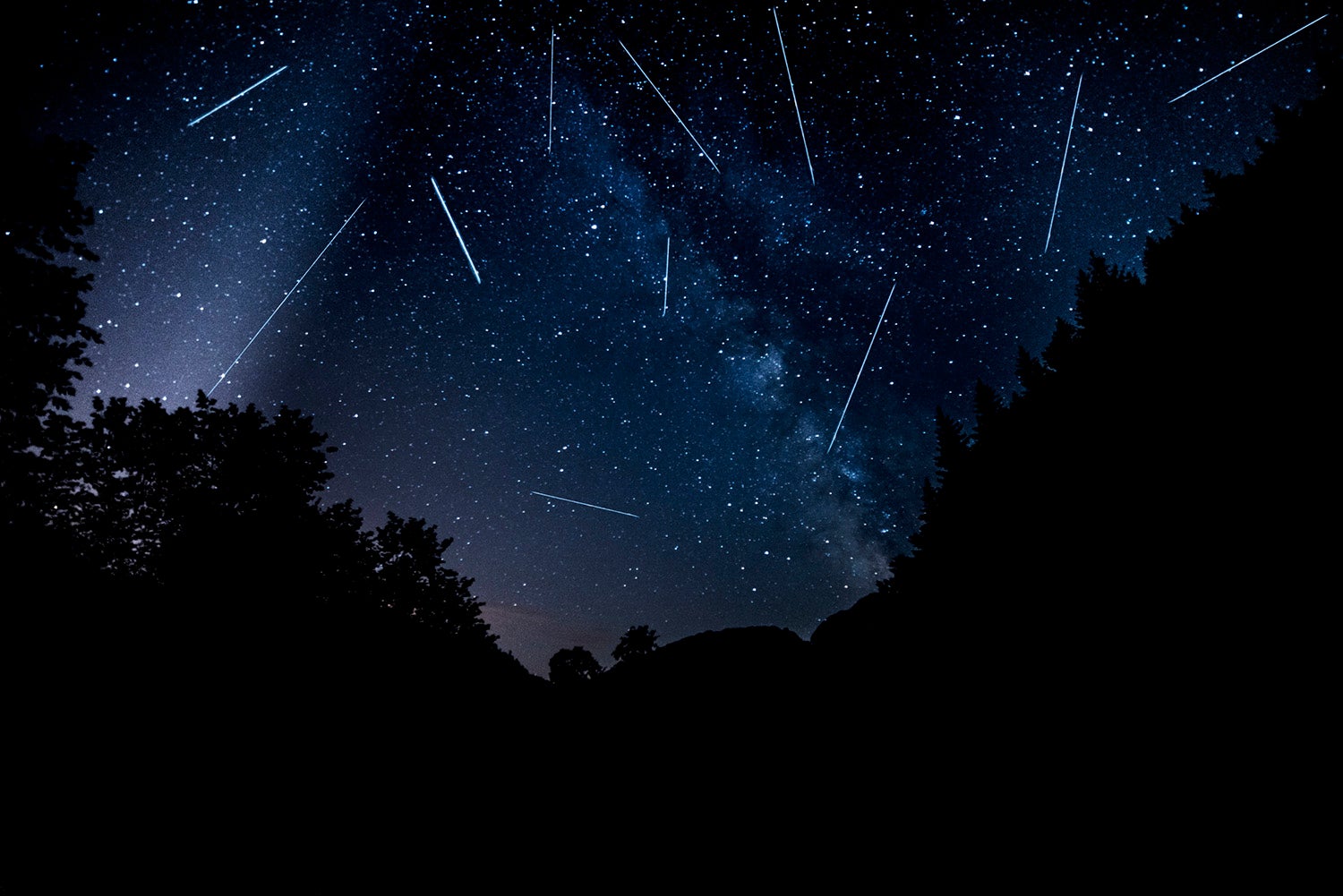
How to watch the Perseid meteor shower this weekend
Q&A
Conditions are favorable this weekend for seeing flaming bits of ice and rock streak through the sky.
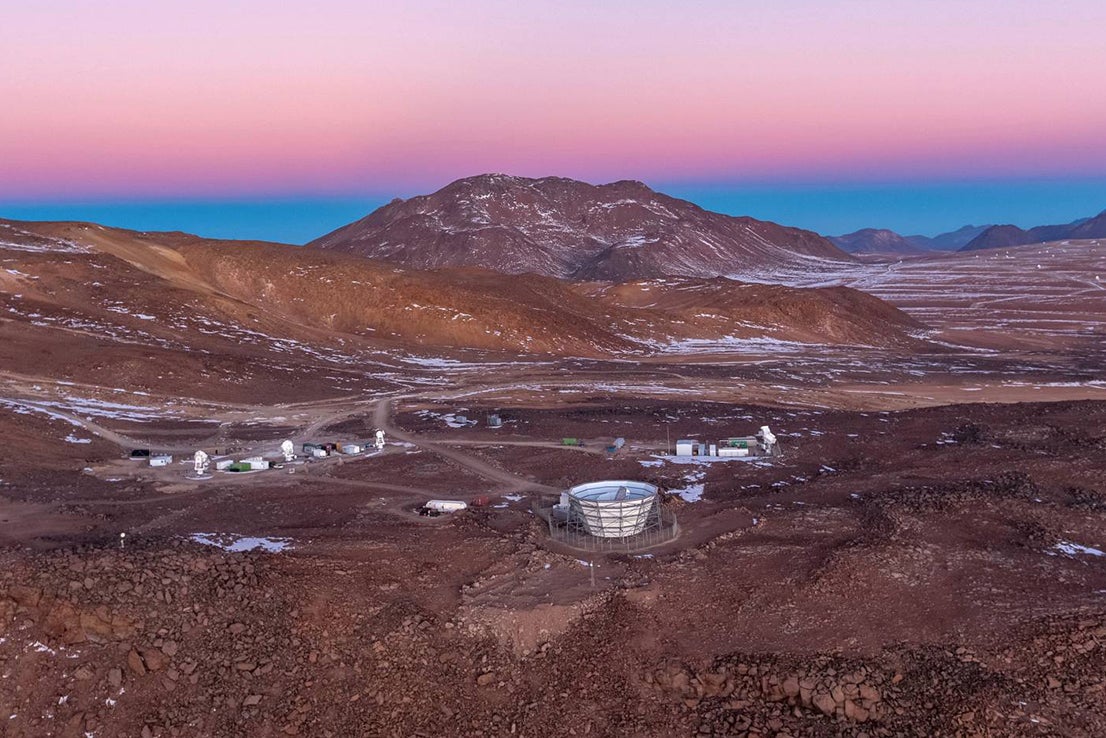
The science illuminated by the first light in the universe
Research
The Advanced Simons Observatory will use the cosmic microwave background to help us understand the evolution of the universe and the many phenomena within it.

Q&A: A tale of two (magnetic) fields
Q&A
Astrophysicist Enrique Lopez-Rodriguez explains the extraordinary new results from the Survey of extragalactric magnetism with the Stratospheric Observatory for Infrared Astronomy (SALSA) project, which compared magnetic fields from different environments in deep space.

KIPAC celebrates 20 years of research with community day
News
To mark the milestone, the Kavli Institute for Particle Astrophysics and Cosmology (KIPAC) will host an astronomy festival featuring live science demonstrations, hands-on activities, mini science lectures, and more.

Astrophysicist’s passion for astronomy started on the ground
Research
KIPAC astrophysicist Enrique López Rodríguez’s passion for astronomy started on the ground.

Four questions: Risa Wechsler on what the James Webb Space Telescope images reveal
News
The Stanford astrophysicist and cosmologist reacts to recent news about the newly released image taken by the James Webb Space Telescope.
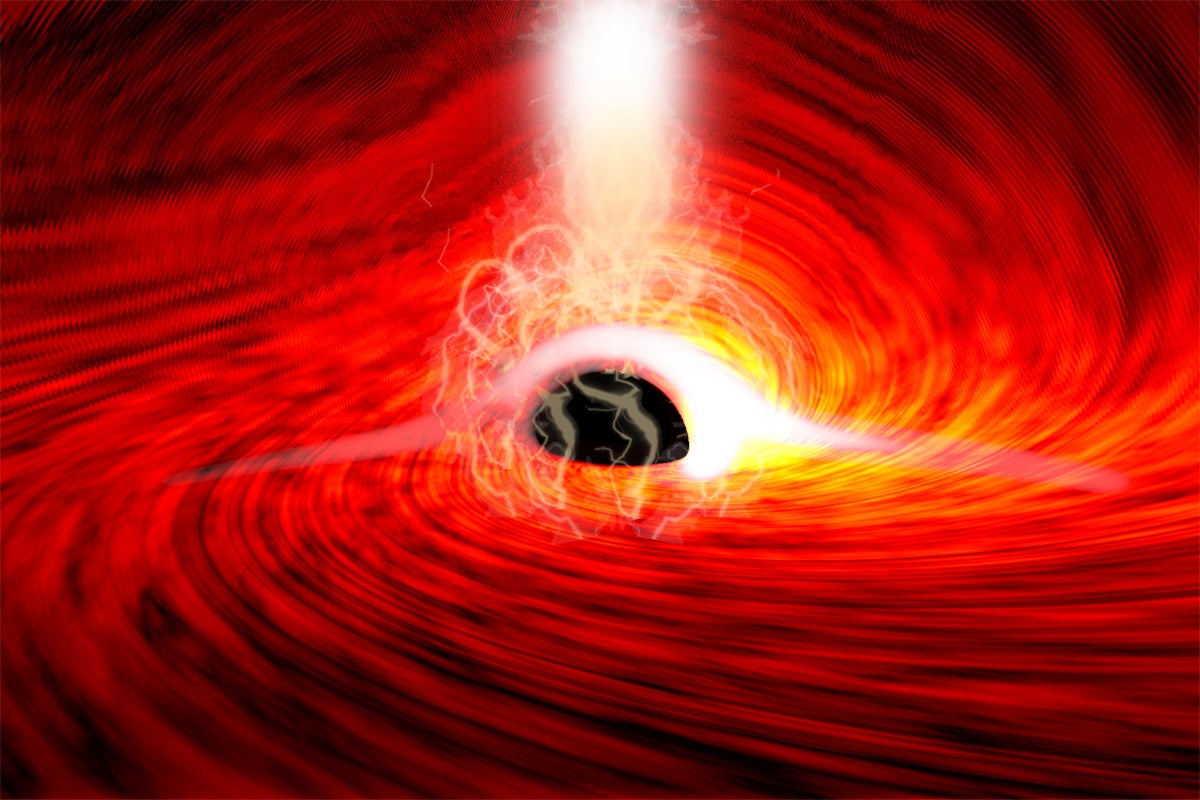
First detection of light from behind a black hole
News
Fulfilling a prediction of Einstein’s theory of general relativity, researchers report the first-ever recordings of X-ray emissions from the far side of a black hole.

Making physics more inclusive
News
Physics faculty and students are working together to make their department a more inclusive community through clubs, courses and events.